Teeth Whitening: At-Home vs Professional — Which Actually Works Better
Introduction
Teeth whitening uses hydrogen peroxide or carbamide peroxide to break down molecules that cause discoloration within your enamel and dentin. These bleaching agents penetrate the tooth surface to lift deep stains rather than just scrubbing away surface film.
Deciding between at-home vs professional teeth whitening involves comparing chemical strength and your personal dental history. Most over-the-counter kits offer a lower concentration of bleach compared to treatments found in a dental office. Professional options often provide faster results but carry a higher dentist teeth whitening cost, which can reach $600 or more per session.
You must know that whitening products only affect natural tooth structure. They will not change the color of crowns, veneers, or fillings. If you have significant dental work in your smile line, these treatments might leave you with mismatched shades. Always check your oral health with a dentist before starting any process to ensure your teeth are healthy enough for bleaching.
Professional Treatment Benefits
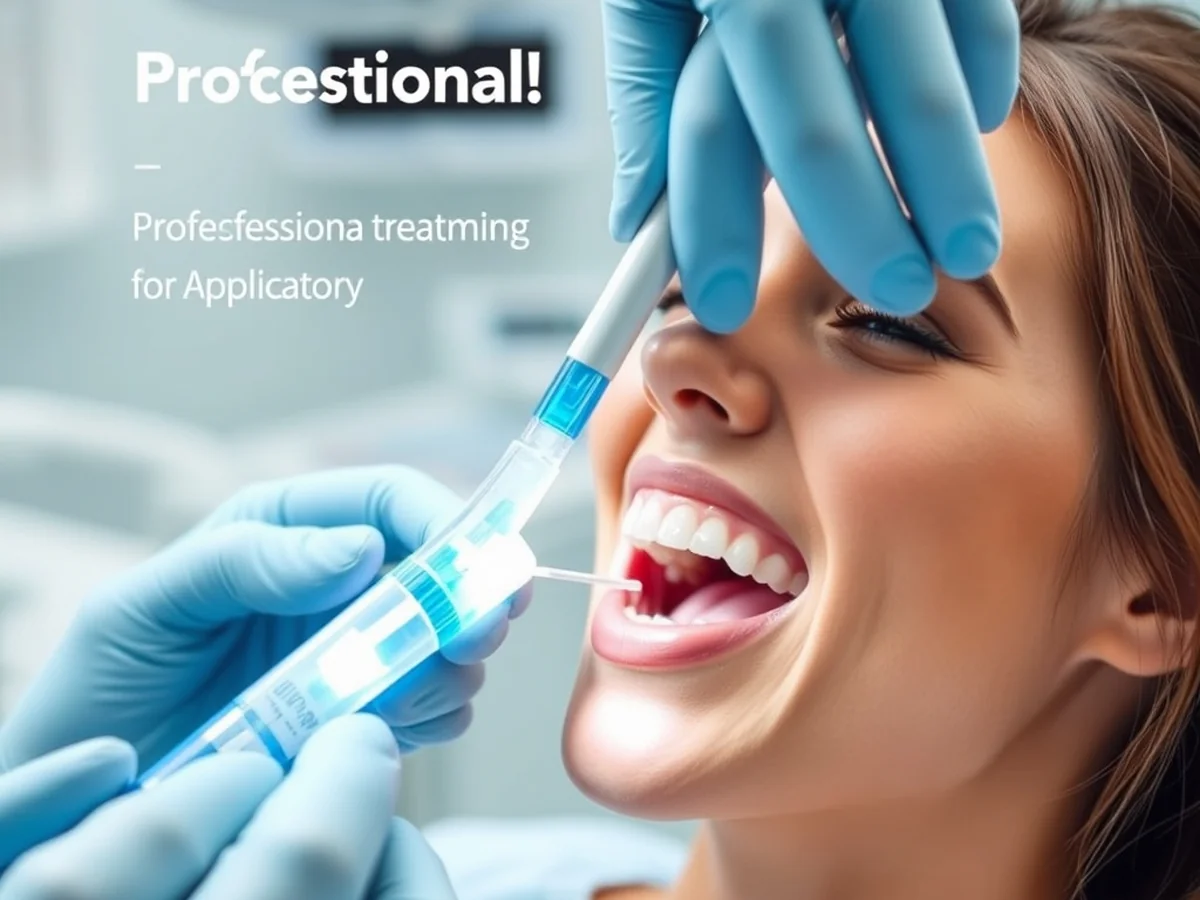
Professional Teeth Whitening provides faster results because dentists use a much higher concentration of bleaching agents. While over-the-counter products typically contain low levels of hydrogen peroxide, clinical sessions often reach levels up to 40 percent. This strength breaks down stubborn intrinsic stains within the dentin much more effectively than store-bought strips.
You also receive custom-fitted teeth whitening trays during your visit. These are molded specifically to your dental arch to ensure the gel stays exactly where it belongs. This precise fit prevents the bleaching agent from leaking onto your soft tissue. Protecting your gums from chemical contact is a major advantage, as it significantly lowers the risk of painful gum irritation.
Most dental offices charge around $500 for a full in-office session. This price reflects the expertise needed to monitor your enamel safety throughout the process. A dentist can adjust the treatment intensity in real time if you experience sudden sensitivity. This level of professional oversight is not possible with generic kits.
- The higher chemical concentration allows for visible shade changes in a single 60-minute visit.
- Custom trays ensure uniform coverage across every tooth surface.
- Dentists can isolate specific teeth that may need extra attention.
- Professional supervision minimizes the chance of uneven spots or blotchy enamel.
At-Home Kit Comparison
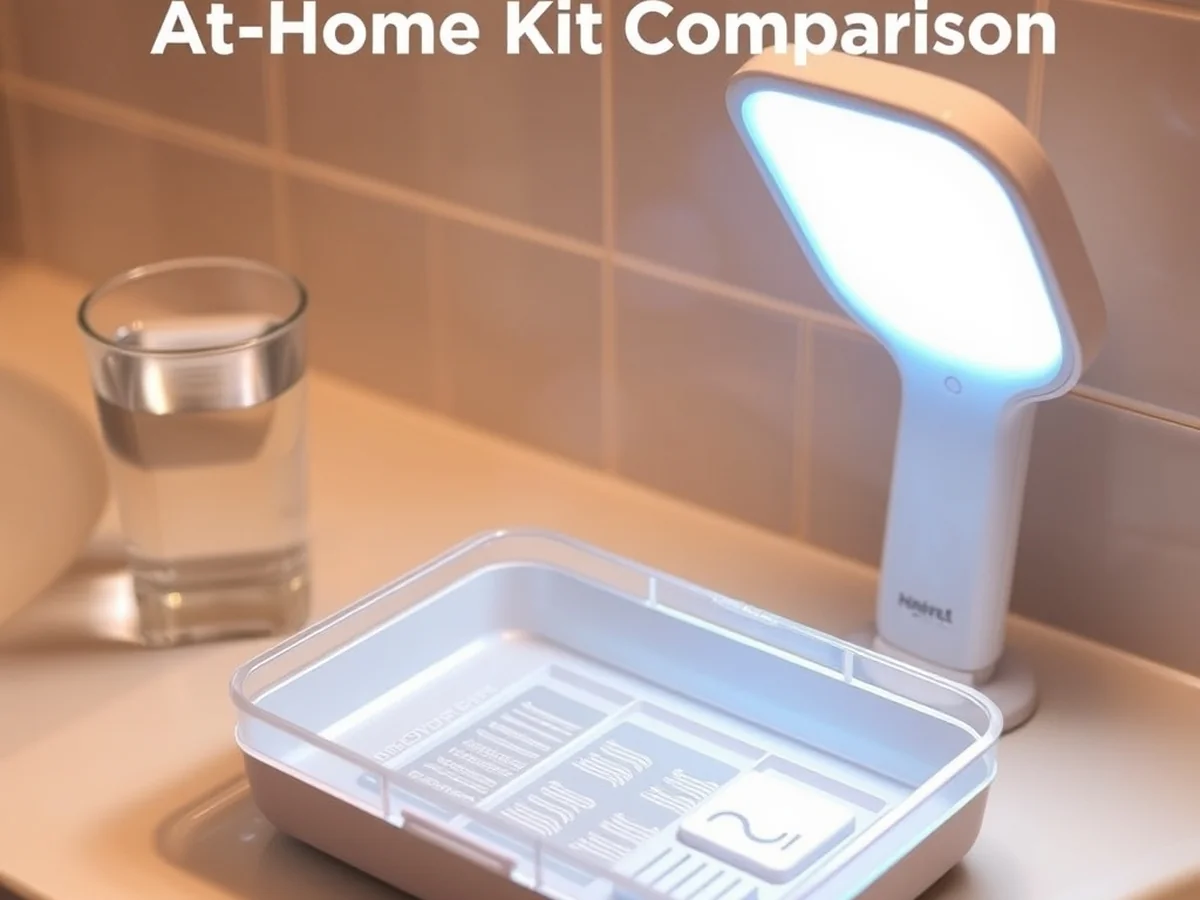
Most at-home kits rely on hydrogen peroxide or carbamide peroxide to break down surface stains. Whitening strips are often the most effective over the counter option because they keep the bleaching agent in direct contact with your teeth for 30 minutes or more.
You might see many LED light kits marketed as essential for fast results. In reality, these blue lights rarely contain enough power to trigger a chemical reaction on their own. They act mostly as a marketing tool to make the process feel like a dental office procedure. The peroxide gel does the heavy lifting while the light provides minimal benefits for actual stain removal.
- Whitening strips usually cost around $40 for a full course.
- Custom-fit teeth whitening trays from a dentist offer better coverage than one-size-fits-all plastic trays.
- Avoid kits that lack clear ingredient labels to ensure your enamel safety.
When you choose a product, check if it has the ADA Seal of Acceptance. This ensures the bleaching agents are tested for safety and effectiveness. If you have existing crowns or veneers, keep in mind that these materials do not respond to traditional whitening methods. You will only see results on your natural tooth structure. Always monitor your gum health during the process, as improper fit can lead to irritation or temporary tooth sensitivity. If your teeth feel sharp pain, stop the treatment immediately and wait a few days before trying again.
Peroxide vs LED Whitening
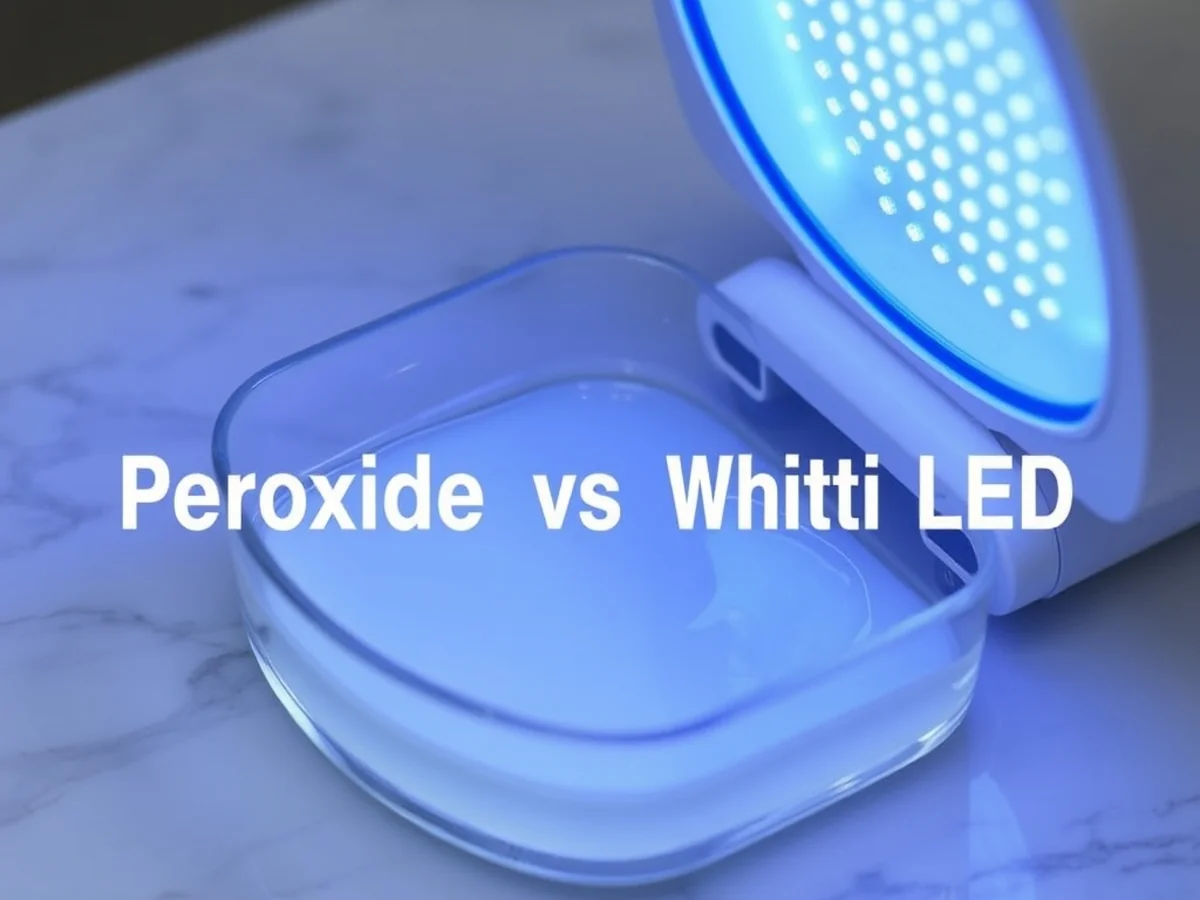
Hydrogen peroxide works faster than carbamide peroxide because it breaks down into oxygen ions almost instantly. This rapid release targets deep stains inside the dentin layer of your teeth. Hydrogen peroxide is the active ingredient in most professional treatments found at a dental office.
Carbamide peroxide acts as a slower release agent. It eventually breaks down into hydrogen peroxide and urea. Because this process takes longer, it is often gentler on your enamel. You will find carbamide peroxide in many at-home whitening trays because it stays active for several hours.
Concentration levels determine how quickly you see results. Professional products often use 25 percent to 40 percent hydrogen peroxide for immediate stain removal. Over the counter options usually stay below 10 percent to prevent severe tooth sensitivity. Higher concentrations lift stains in a single session but increase the risk of temporary gum irritation.
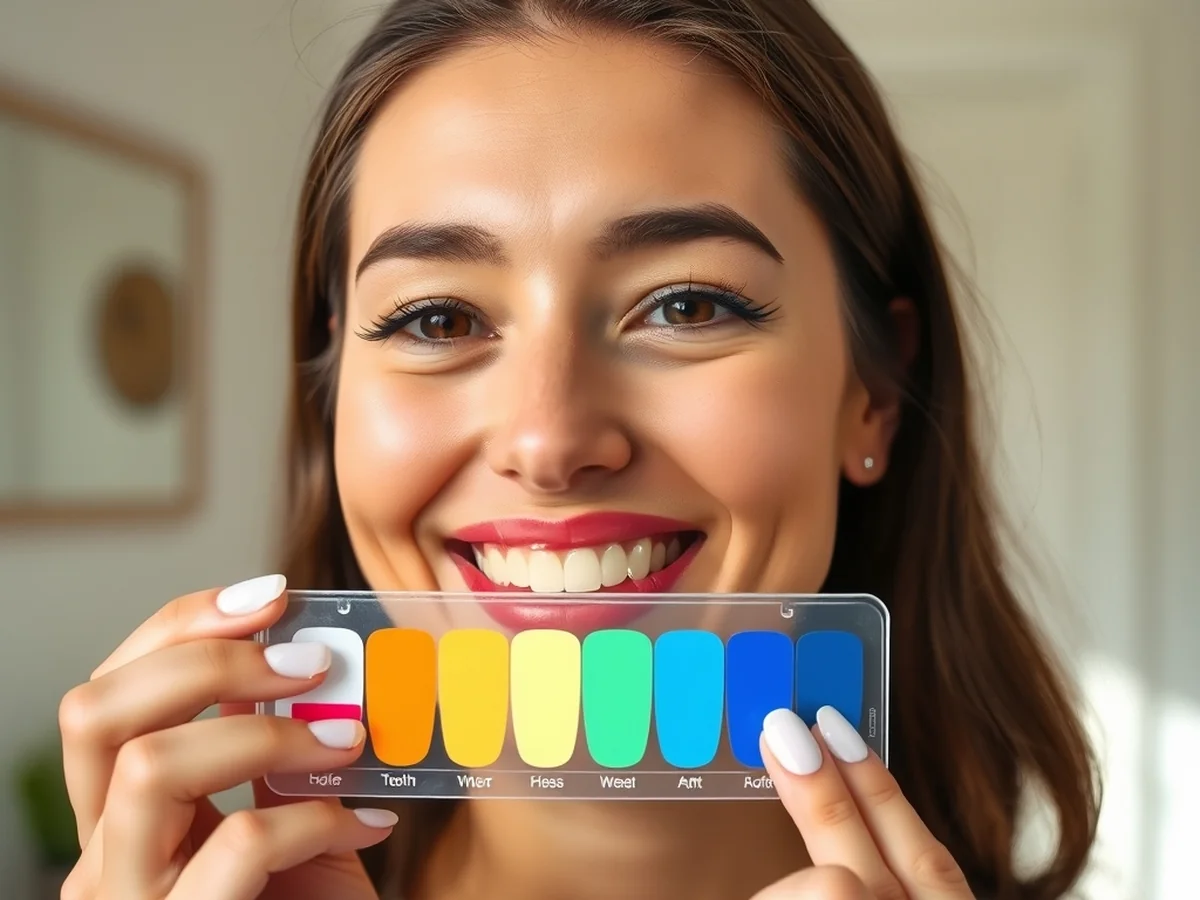
LED light kits serve as an accelerator for the bleaching agents. The light does not bleach your teeth alone. Instead, it activates the gel to speed up the chemical reaction. While some studies show modest improvements in speed, the gel itself does the heavy lifting. If you choose an LED kit, look for ADA approved whitening products to ensure safety. Always check your initial shade on a shade guide before starting. This helps you track realistic progress and avoid over-processing your enamel during your Teeth Whitening routine.
Managing Tooth Sensitivity
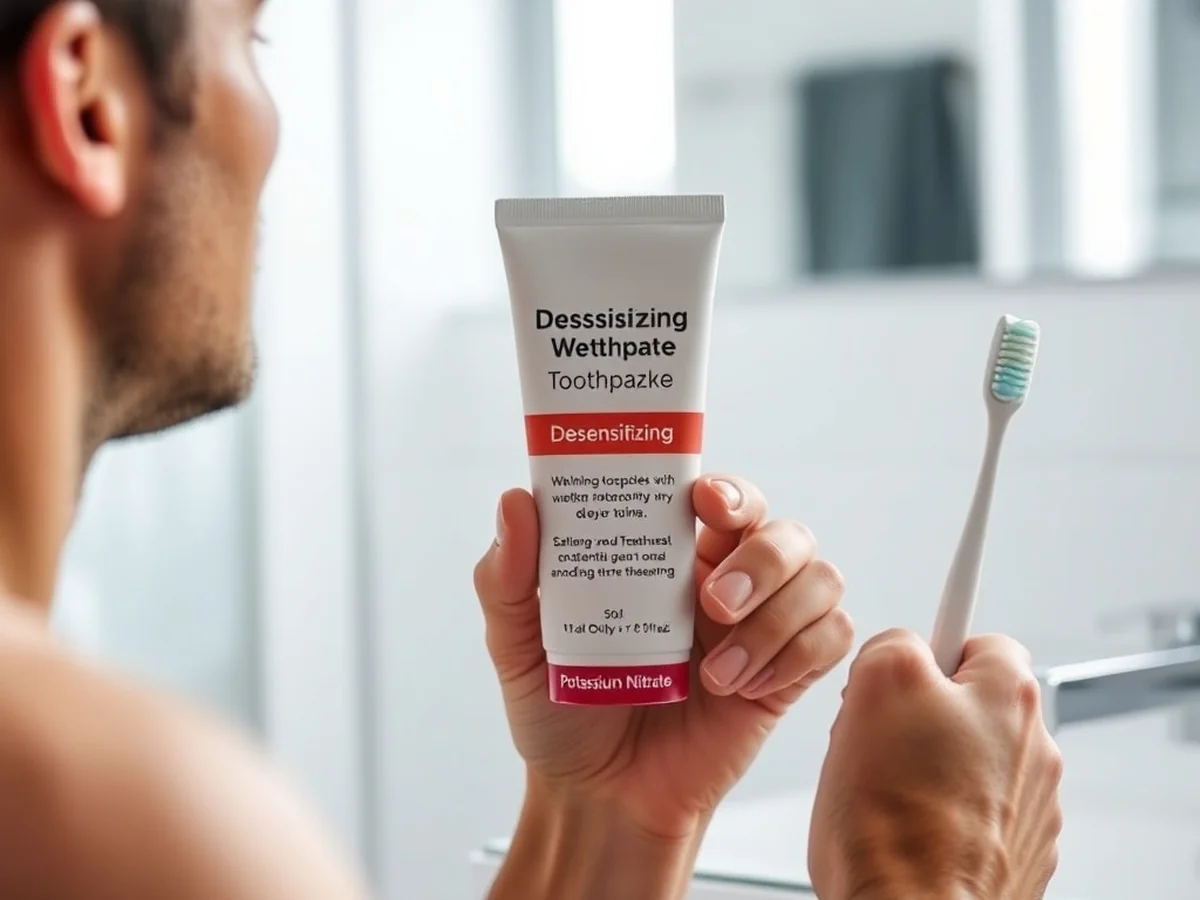
You can manage discomfort by switching to a desensitizing toothpaste containing potassium nitrate two weeks before you start your Teeth Whitening routine. Apply a pea-sized amount to your teeth and leave it on for one minute before rinsing. This helps block the pathways to your nerves inside the dentin.
Some people feel more pain because their enamel is naturally thin or they have micro-cracks that expose the inner layer of the tooth. If you use a kit with a 35 percent hydrogen peroxide concentration, the risk of sharp, shooting pains increases significantly. Strong bleaching agents pull moisture from the tooth, which triggers temporary nerves sensitivity.
Follow these steps to keep your mouth comfortable:
- Apply the gel only to the front surfaces of your teeth to avoid gum irritation.
- Use custom-fitted teeth whitening trays from a dental office to prevent gel leakage.
- Space out your sessions to let your teeth recover between applications.
Stop your treatment immediately if you notice white spots on your gums or intense throbbing that lasts for more than 24 hours. These are signs of chemical burns or severe pulp irritation. If you have existing dental sensitivity, consult a professional to ensure your gums are healthy enough for the process. Always prioritize your long-term oral health over achieving a bright shade quickly. Your comfort is a clear indicator of how well your teeth are handling the chemical change.
Setting Realistic Expectations
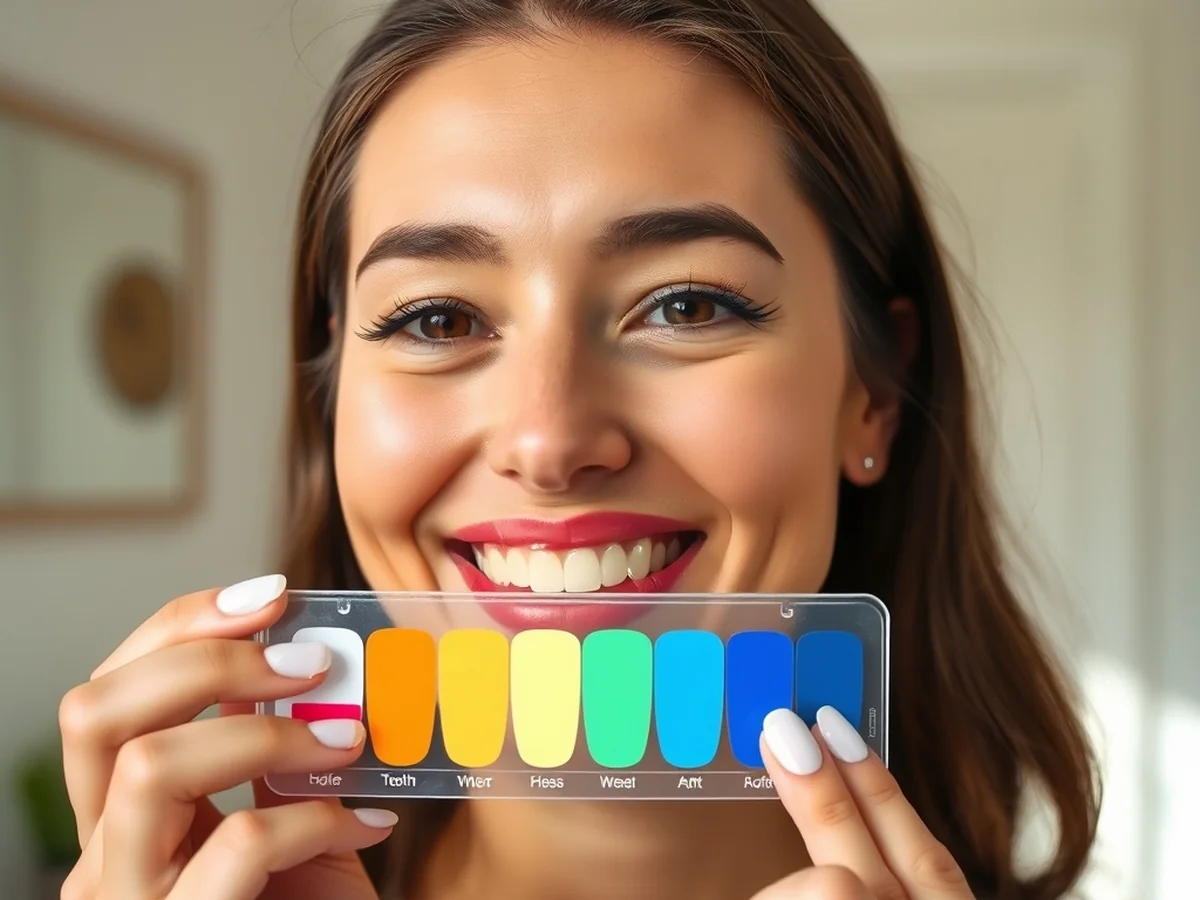
Your starting point determines the success of your Teeth Whitening journey. Everyone has a unique natural shade determined by their dentin, the layer beneath your enamel. If your teeth have a natural yellow or gray undertone, you will never achieve a stark white, porcelain look.
Stains also impact your final outcome. Surface stains from coffee or wine respond well to bleaching agents like hydrogen peroxide. However, intrinsic stains located deep within the tooth structure are much harder to lift. Professional treatments and at-home kits primarily target surface discoloration rather than deep-seated grayness.
Most patients can expect a change of 2 to 3 shades in a single office visit. You should be wary of any product claiming a 10-shade difference in one hour. Aggressive bleaching often leads to severe tooth sensitivity and potential gum irritation. It is safer to aim for gradual improvement rather than an overnight transformation.
Consider these factors before starting:
- Whitening agents do not change the color of dental crowns or veneers.
- You must have healthy gums to use high-concentration gels safely.
- Results vary based on your personal oral hygiene routine.
In my experience, tracking your progress with a physical shade guide helps you see genuine improvement. If you do not see a change after two weeks of consistent use, your staining may be intrinsic, and further bleaching will not help. Always consult a professional to ensure your expectations match your dental reality.
Maintaining Your Results

You keep your smile bright by limiting foods that cause surface stains. Avoid dark liquids like black coffee, red wine, and soy sauce for at least 48 hours after your Teeth Whitening procedure.
These pigments easily penetrate your porous enamel while the bleaching agents are still active. If you must have a cup of coffee, try drinking it through a straw to reduce contact with your front teeth. Rinse your mouth with water immediately after eating or drinking anything that might stain.
A simple routine helps extend the life of your treatment. Brush your teeth twice daily using a whitening toothpaste that contains mild abrasives to lift new stains before they set. Use a soft-bristled brush to avoid damaging your gums or enamel.
- Floss every night to remove debris between teeth.
- Use a straw for acidic or dark drinks.
- Touch up your shade every 6 months with custom trays.
- Schedule professional cleanings twice a year.
Professional stain removal usually lasts between 6 months and 2 years depending on your habits. I have found that skipping tobacco products is the single most effective way to prevent yellowing. If you notice mild tooth sensitivity, use a desensitizing gel for 15 minutes to soothe your nerves. Stick to your dental professional’s advice to ensure your enamel safety stays a top priority. Consistent oral hygiene is the best way to protect your investment.
Safety and Dental Health
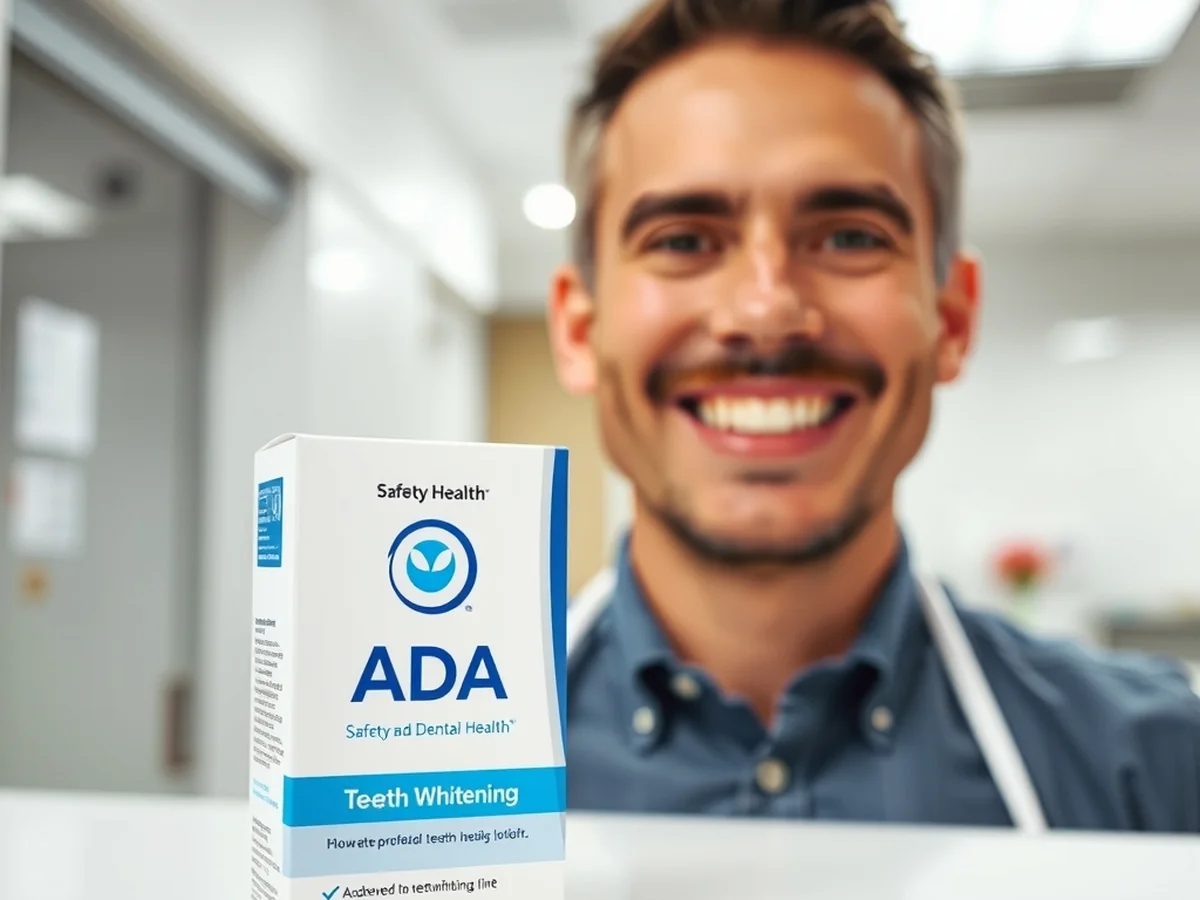
Always prioritize ADA approved whitening products to ensure your oral health stays protected. These items undergo rigorous testing for safety and effectiveness. Using products without this seal can expose your mouth to unregulated chemicals that might cause permanent harm.
Teeth Whitening relies on hydrogen peroxide or carbamide peroxide to break down stains. These bleaching agents penetrate the surface to reach the dentin layer. While effective, using them too often or in too high a concentration strips your enamel. I have seen many patients rush their results and end up with severe tooth sensitivity as a result.
Excessive treatment causes more than just short term pain. It can lead to long term gum irritation and weakened tooth structure. If you feel sharp pain or notice your gums turning white, stop the treatment immediately. You should wait at least 6 months between deep whitening cycles to allow your teeth to recover. A standard dental office visit includes a check of your current shade guide to see if your teeth are healthy enough for bleaching.
Be wary of kits that promise instant results with high chemical levels. A safe approach is always better for your smile than a fast one. If you have crowns or veneers, skip the bleach because these materials do not change color. Investing in a professional consultation costs around $400 but prevents expensive restorative work later on. Protect your teeth by choosing quality over speed.
FAQ
Is LED light effective for whitening?
LED devices act as a catalyst for bleaching agents like hydrogen peroxide but rarely work alone. Most clinical studies show the light helps accelerate the reaction, yet the gel chemistry remains the primary factor for results.
Does this process damage enamel?
When used as directed, professional and at-home treatments do not harm your enamel. You may experience temporary tooth sensitivity, but this happens because the gel reaches the dentin layer to break down deep stains.
How many shades can I change?
Results vary based on your starting tooth shade and the type of discoloration you have. A single session at a dental office often provides a change of 3 to 8 shades on a standard shade guide.
How often should I whiten?
Limit your treatments to once every 6 to 12 months to avoid long-term irritation. Over-whitening can lead to permanent sensitivity or damage to your gums if you don’t allow time for recovery.
Which method causes more sensitivity?
Professional in-office options usually use higher concentrations of hydrogen peroxide, which increases the risk of sharp nerve pain. At-home kits with carbamide peroxide work slower and are often more comfortable for people with existing sensitivity issues.
What is the cost difference?
A professional visit to a dental office typically costs around $500 for a full treatment. In contrast, high-quality whitening strips or trays purchased over the counter range from $30 to $100 depending on the brand and active ingredients.
Choosing Your Whitening Method
Professional treatment offers faster results but carries a higher dentist teeth whitening cost compared to store-bought options. You might pay around $500 for an office visit to see dramatic changes in a single hour. At-home kits are cheaper and offer more comfort, yet they require weeks of consistent use to match those clinical outcomes.
Teeth Whitening products rely on bleaching agents like hydrogen peroxide or carbamide peroxide to break down stains. Professional gels contain higher concentrations of these chemicals. This power helps remove deep intrinsic stains but increases the risk of temporary tooth sensitivity. Over-the-counter strips or LED light kits use lower doses, which are gentler on your enamel but less effective for stubborn discoloration.
Consider these trade-offs before you buy:
- Professional care is ideal if you have dental work like crowns or veneers that do not change color.
- DIY methods provide flexibility if you prefer to manage your routine from the comfort of your couch.
- Office visits include a custom shade guide check to ensure your results look natural rather than stark white.
Always book a dental consultation before starting any new routine. A professional can check for gum disease or thin enamel that makes bleaching unsafe for you. They will identify if your stains respond to standard stain removal or if you need a different approach. Protecting your oral health is more important than getting the brightest smile possible.
For another perspective, this detailed piece on Best Teeth Whitening Kits 2026: 9 Dentist-Approved Picks – F is worth a read.
You might also like: How Long Does Teeth Whitening Really Last? A Realistic Timeline