How Long Does a Professional Teeth Cleaning Take (and What Happens)?
Introduction
Most dental cleanings take 30 to 60 minutes, which helps answer how long does a teeth cleaning take for adults visiting the clinic. Knowing the appointment duration helps ease anxiety.
Readers will learn the exact appointment timeline and step-by-step procedures involved in standard dental care. Dental cleanings are generally recommended every six months, helping patients maintain strong oral health without guesswork.
Expected Duration of a Standard Dental Cleaning
Most dental cleanings take 30 to 60 minutes. This timeframe is based on data from the Cleveland Clinic and covers the typical flow of a routine preventative visit.
Several factors can influence the actual time spent in the chair. If you maintain excellent oral hygiene, your appointment may fall on the shorter end of that window. Conversely, if you have significant tartar buildup, the dental hygienist will require more time to perform a thorough removal. The complexity of your specific dental needs dictates the pace of the session.
A standard preventative visit generally includes more than just the cleaning itself. You should expect a structured appointment that typically involves the following components:
- A visual exam of your oral health.
- An oral cancer screening.
- Dental radiography, or X-rays, as determined by clinical need.
- Professional removal of plaque and tartar.
- Guidance on effective home care instructions.
Because these appointments serve as a comprehensive check on your oral health, they are generally recommended every six months. This schedule helps ensure that any minor issues are identified and addressed before they require more extensive treatment. By understanding that your session includes a full health assessment, you can better prepare for the time required to keep your smile healthy.
Standard Dental Cleaning Steps and Procedures
Most dental cleanings take 30 to 60 minutes, with the exact duration depending on your oral health needs and the specific dental cleaning process steps required during your visit. A dental hygienist manages most of the appointment, starting with a physical examination of your mouth before removing hardened deposits.
- The dental hygienist starts by examining your gums and teeth for any signs of inflammation or decay.
- Special metal instruments and vibrating tools are used to clear away built-up plaque and tartar from the enamel and below the gumline.
- A high-powered electric brush and gritty prophylaxis paste scrub away surface stains and polish the teeth smooth.
- The appointment typically includes a thorough dental exam, an oral cancer screening, dental radiography when needed, and personalized home care instructions.
- Flossing completes the physical cleaning phase to remove any remaining debris between the teeth.
- Fluoride treatments are often applied at the end to help strengthen tooth enamel against future decay.
Tools Used During a Professional Cleaning
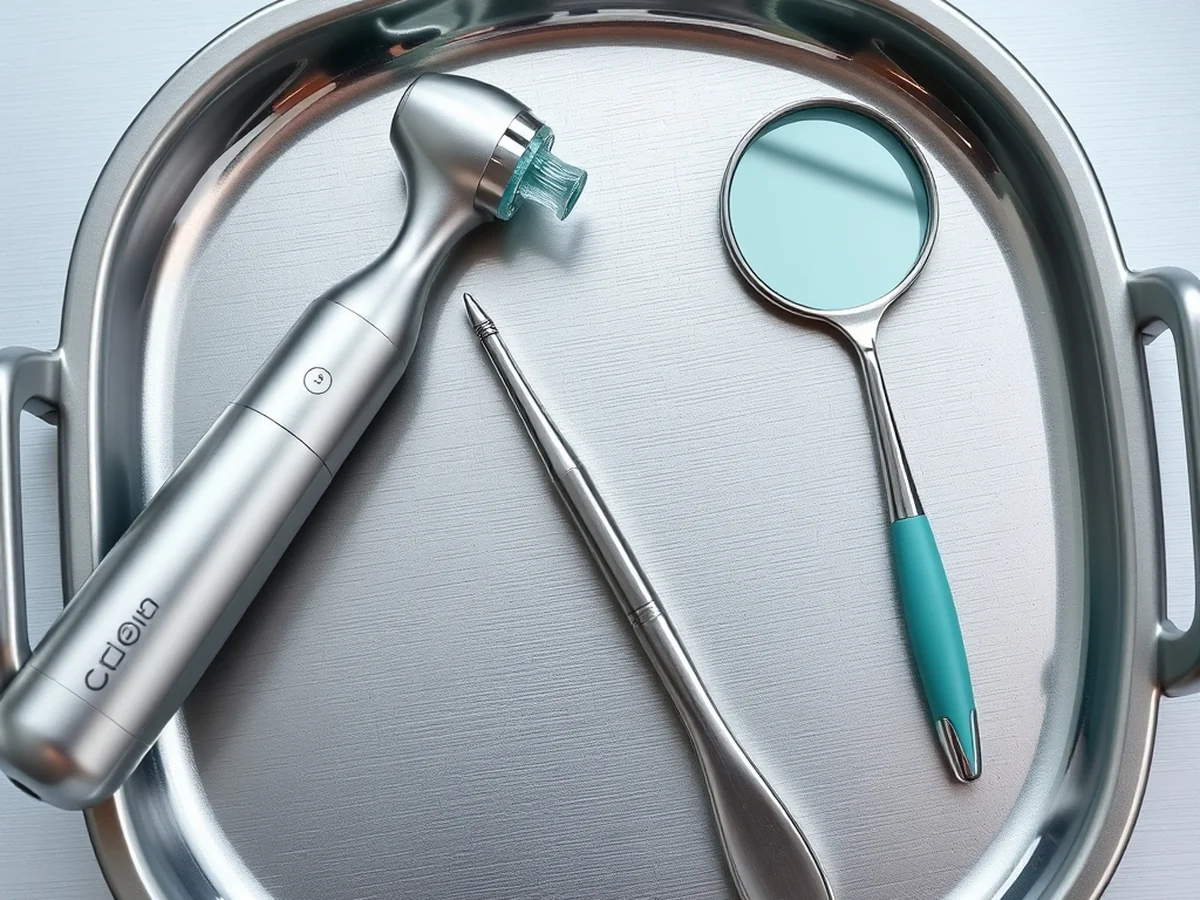
The time spent during your visit is primarily dedicated to the removal of hardened deposits using specialized dental instruments. Most dental cleanings take 30 to 60 minutes to complete.
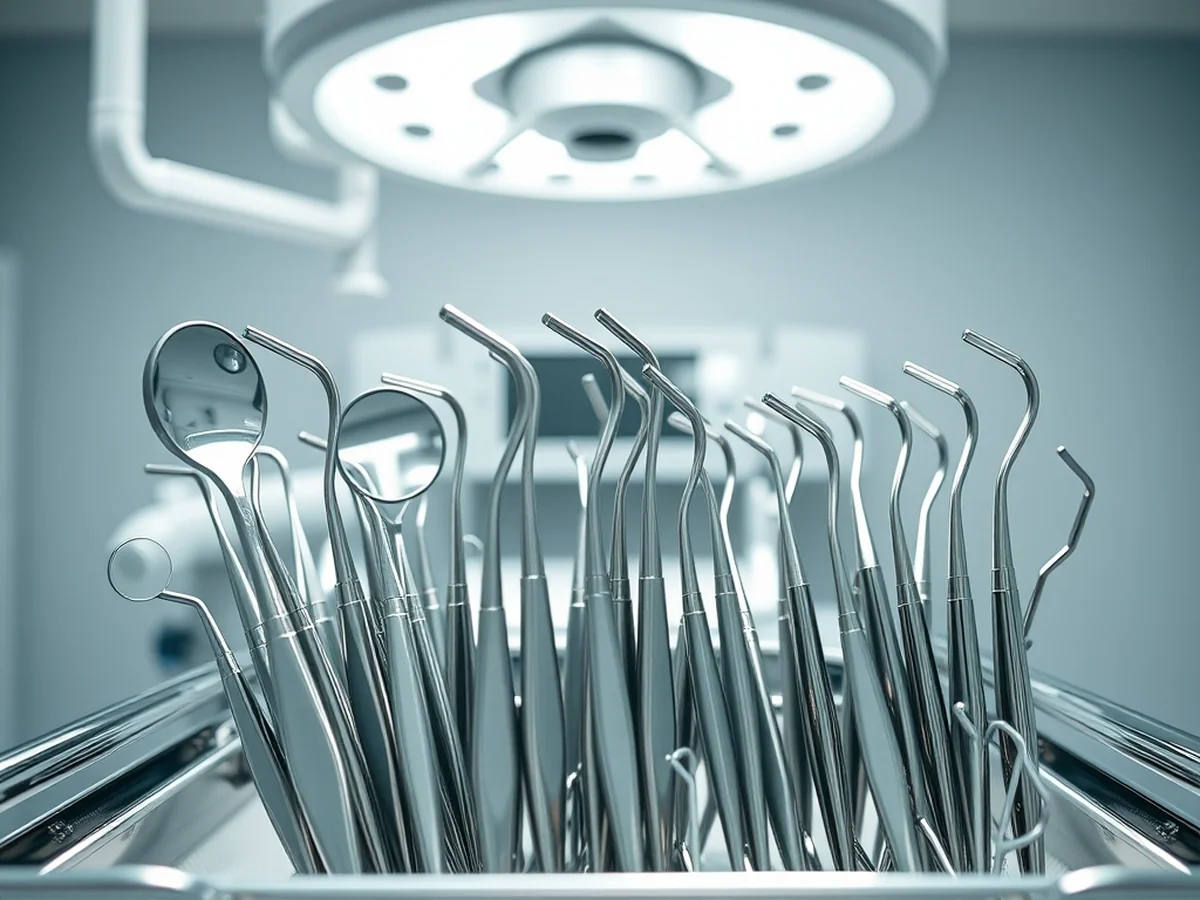
Common guidance suggests that dental hygienists often use an ultrasonic scaler to start the process. These vibrating tools use high-frequency sound waves and a cooling mist to break up plaque biofilm and remove dental calculus from the tooth surface. The vibration helps dislodge stubborn buildup efficiently while keeping the area comfortable.
Hand instruments are also used to ensure every area is cleaned thoroughly. These metal tools allow the hygienist to perform precise scaling, reaching into small gaps or along the gumline where the vibrating device might be too bulky or less effective. Using both manual and powered instruments ensures a comprehensive clean that targets areas missed by daily brushing and flossing.
Once all deposits are removed, the polishing phase begins. This final step typically involves the following:
- Using a soft rubber cup attachment on a slow-speed handpiece.
- Applying a professional prophylaxis paste or special toothpaste to the teeth.
- Buffing the enamel to remove surface stains and create a smooth, clean finish.
Polishing does not remove tartar, but it helps prevent new plaque from sticking to the teeth as easily in the weeks following your appointment.
Standard Prophylactic Cleaning Versus Deep Cleaning Timeframes
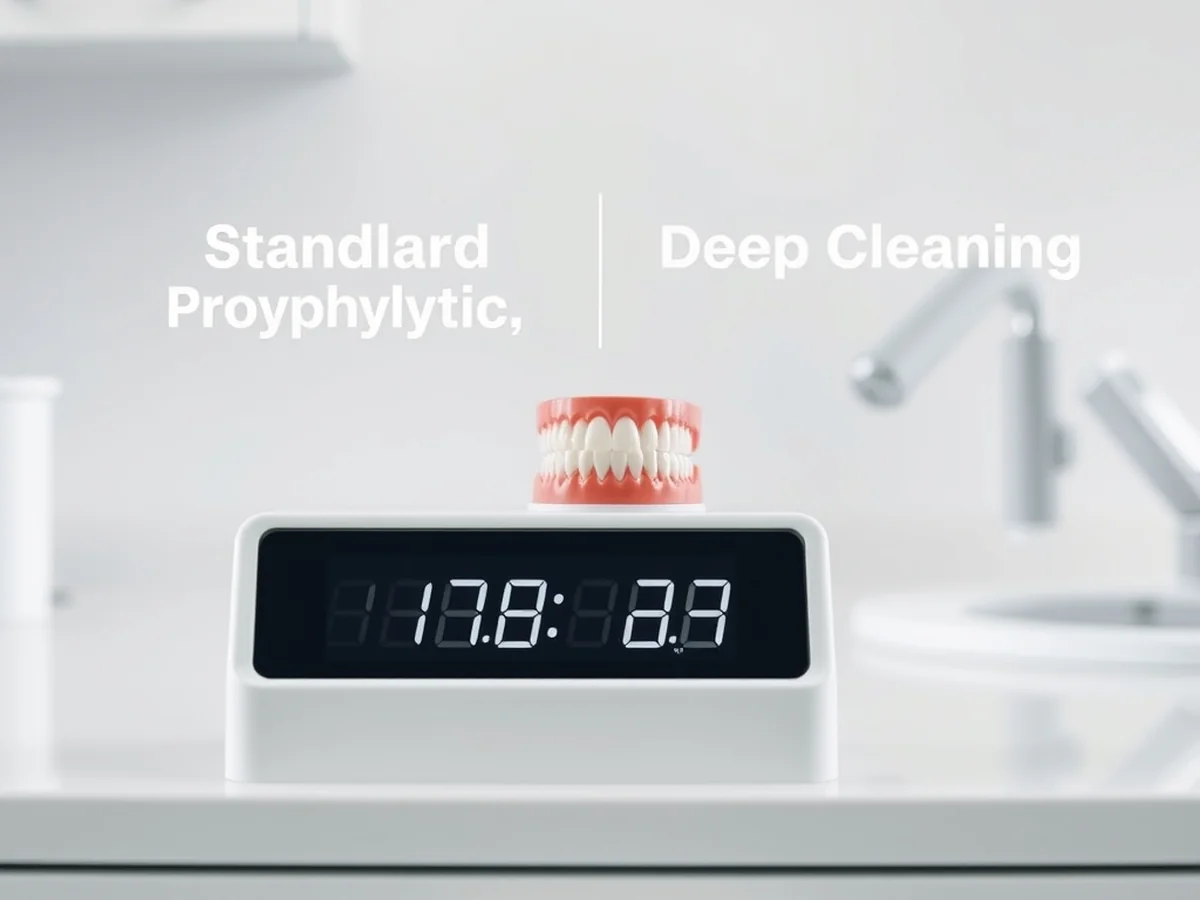
Most dental cleanings take 30 to 60 minutes, though the time required depends on the complexity of your oral health needs. A standard preventive visit typically fits within this window, while specialized procedures often require more time to address advanced gum concerns.
| Procedure Type | Primary Focus | Typical Duration |
|---|---|---|
| Routine Prophylaxis | Plaque and tartar removal | 30 to 60 minutes |
| Scaling and Root Planing | Deep gum line cleaning | Multiple visits |
The dental prophylaxis duration is usually shorter because it focuses on maintaining health above the gum line. Conversely, periodontal scaling and root planing requires a more intensive approach. This procedure involves removing bacterial buildup from deep pockets around the teeth and smoothing the root surfaces to encourage gum healing. Because this intervention targets areas beneath the gum line that are difficult to reach with standard tools, the deep dental cleaning time is significantly longer. Patients undergoing this therapy often need multiple sessions to ensure every section of the mouth is treated thoroughly, as the process is physically demanding and requires careful clinical precision.
How Often You Need Cleanings

Dental cleanings are generally recommended every six months. This standard schedule is the most effective way to maintain oral health and keep your visits manageable.
Sticking to this routine prevents the buildup of hardened plaque, known as dental calculus, which becomes increasingly difficult to remove over time. When you visit regularly, your dental hygienist can efficiently clear away daily accumulations, which helps keep the overall dental prophylaxis duration predictable and relatively short. Skipping these appointments allows deposits to accumulate, which often leads to longer sessions when you finally return to the chair.
Your specific dental needs may shift the suggested timeline for your visits. While six months is the common guidance for most adults, your dental team might recommend more frequent cleanings if you have certain risk factors:
- A history of periodontal disease
- Genetic predisposition to rapid tartar buildup
- Specific health conditions that impact oral tissues
- Smoking or other lifestyle habits that affect gum health
If you have been away from the dentist for an extended period, your first visit back might take longer as the hygienist works to remove accumulated deposits. Once your mouth is back to a healthy baseline, you can typically return to a standard maintenance schedule.
Managing Sensitivity During Cleanings

You can manage post-cleaning sensitivity by using acetaminophen or similar over-the-counter pain relievers, as is common guidance for many patients. If you experience discomfort during the procedure, tell your dental hygienist immediately so they can adjust their technique or pause the work.
Feeling nervous is a normal reaction to clinical dental environments. To stay calm, try focusing on deep, rhythmic breathing to help lower your heart rate. Many patients find that listening to music through headphones acts as a helpful distraction while the dental hygienist works.
Consider these tips to maintain a relaxed state of mind:
- Establish a non-verbal signal, like raising your left hand, to let the team know if you need a break.
- Ask the staff to explain each step of the process before they begin, as knowing what to expect often reduces apprehension.
- Schedule your appointment during a time of day when you typically feel most rested and least rushed.
Most people find that keeping their mind occupied with a podcast or a guided meditation helps the time pass quickly. If your sensitivity persists after you return home, avoid extremely hot or cold beverages for the remainder of the day to allow your tooth enamel to settle. Always consult your provider if you have concerns about the level of discomfort you are experiencing.
How Long Does a Teeth Cleaning Take?
Most dental cleanings take 30 to 60 minutes. This dental prophylaxis duration generally remains consistent for patients with healthy gums, though the total time can vary based on the amount of buildup present and whether you require additional services like X-rays or a comprehensive exam.
The dental cleaning process steps typically include a physical examination, the removal of plaque and tartar, and a final polish. A dental hygienist often uses an ultrasonic scaler, which is a vibrating tool that helps dislodge hardened dental calculus from around the gum line. Following this, the hygienist may perform hand scaling to reach smaller areas. Once the teeth are free of debris, a motorized rubber cup applies a specialized grit paste to smooth the enamel and buff away surface stains. A standard visit often includes an oral cancer screening and home care instructions to help you maintain your oral health.
Even with consistent home brushing and flossing, professional cleaning is necessary because plaque biofilm eventually hardens into tartar. Once this substance forms, it cannot be removed with a standard toothbrush or dental floss. Professional tools are specifically designed to reach beneath the gum line and into tight spaces between teeth where bacteria thrive. Because dental cleanings are generally recommended every six months, these visits act as a vital preventative measure against gum disease and tooth decay.
You can usually eat immediately following a routine dental cleaning. However, if your hygienist applied a fluoride treatment, you might be asked to wait 30 minutes before consuming food or beverages to allow the fluoride to fully absorb. If you experience any minor tooth sensitivity after your appointment, common guidance suggests that over the counter pain relievers like acetaminophen can help manage discomfort until it fades.
Frequently Asked Questions
Is there a difference in time between a standard cleaning and deep cleaning?
A standard cleaning is a preventative service, whereas periodontal scaling and root planing is a therapeutic treatment for gum disease that often requires multiple, longer appointments. You should expect a deep cleaning to be more involved than a regular check-up.
How often should adults visit the dentist?
Dental cleanings are generally recommended every six months for most adults. Your specific needs may require more frequent visits if you have a history of periodontal issues or other oral health concerns.
Will my teeth feel sensitive after the appointment?
Some patients experience temporary sensitivity due to the removal of hardened deposits from the tooth surface. This sensation is typically mild and resolves on its own within a day or two.
Do I need to schedule X-rays at every cleaning?
Dental radiography is not necessarily required at every single visit, as the frequency depends on your individual risk factors and dental history. Your dentist will determine when updated images are needed to monitor your oral health effectively.
Conclusion
Most dental cleanings take 30 to 60 minutes, a timeframe that typically covers plaque removal, polishing, and a comprehensive oral exam. While it is standard to schedule these preventative visits every six months, your specific needs might vary based on your oral health history. Understanding how long does a teeth cleaning take helps remove the mystery from your appointment, but remember that your dental hygienist is your best resource for personalized care. Always communicate any sensitivities or anxieties before the procedure begins, as this allows the team to adjust their approach for your comfort. By keeping up with these regular cleanings, you stay proactive in maintaining your long-term dental health.
You might also like: Fix Brasssmile at Home: 7 Proven Methods That Work