Retainers After Braces or Aligners: Why Teeth Shift Back and How to Stop It
Introduction
Wearing retainers after braces is essential because they support the bone around teeth as they adapt to new positions. This step prevents orthodontic relapse and ensures your smile remains stable once active treatment concludes.
This article covers the biological necessity of retention and details the different types of devices available to maintain your results. You will learn how long you typically need to wear these appliances, why teeth have a natural tendency to shift after braces, and how to properly clean your device to prevent bacterial growth. By understanding the function of fixed versus removable options, you can better manage your post-treatment care and preserve the investment you made in your dental alignment.
The Critical Role of Retention in Orthodontic Success
Wearing a dental device following the removal of braces or aligners is a mandatory final phase of treatment, not an optional suggestion. This stage is essential for stabilizing your smile and preventing orthodontic relapse, which occurs when teeth move back toward their original positions.Orthodontic treatment moves teeth by remodeling the surrounding bone and soft tissues. Once the active pressure of braces or aligners is removed, these tissues naturally attempt to return to their previous state. Retainers help support the bone around teeth as they adapt to new positions, holding them steady while the gums and bone solidify around the corrected alignment.Without consistent use of these devices, you risk losing the progress made during your treatment. Orthodontists emphasize that this phase is just as vital as the active movement phase itself, as it provides the necessary stability for long term results.- Supports the stabilization of teeth in their new positions.
- Prevents the natural tendency of teeth to drift after active treatment.
- Allows the bone and periodontal ligaments to adjust to the corrected alignment.
How Retainers Prevent Shifting
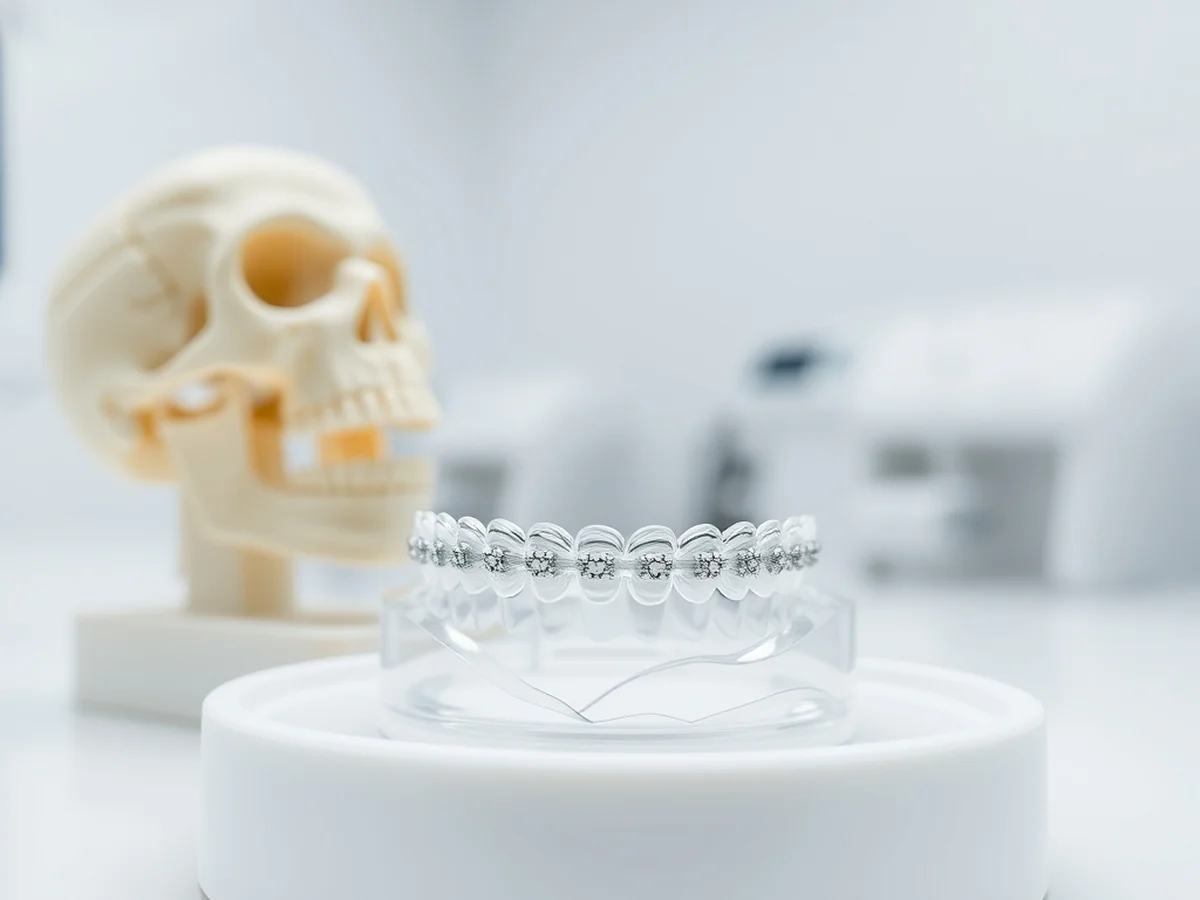
Retainers help support the bone around teeth as they adapt to new positions. By holding teeth firmly in place, these devices allow the surrounding tissues and the alveolar bone to stabilize after active treatment concludes.
Teeth have a natural tendency to move back toward their original positions if they are left unsupported. This movement happens because the periodontal ligament fibers that connect the teeth to the bone act like elastic bands, often pulling teeth back toward where they were before correction. Without a stabilizing device, this orthodontic relapse can undo the progress achieved during your treatment phase.
It is important to understand that wearing a retention device is a critical phase of orthodontic care, not the end of the process. Your teeth and the surrounding bone structures require significant time to remodel and settle into their new alignment. During this period, the appliance acts as a scaffold that prevents unwanted shifting while the biology of the mouth catches up to the mechanical changes made by your braces or aligners. Consistent wear is essential during this transition to ensure your results remain stable for the long term.
Comparing Common Retainer Types
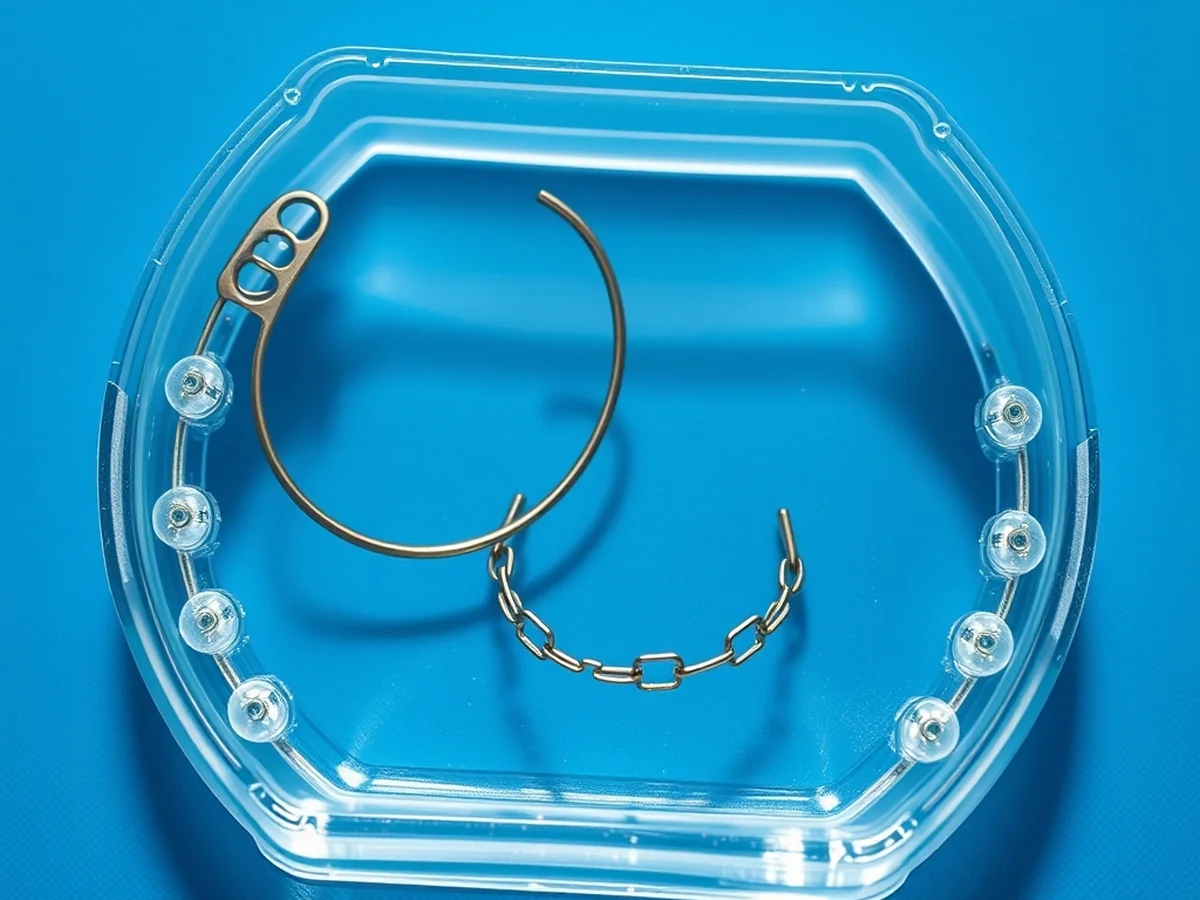
You can choose between different types of retainers depending on your orthodontic needs and lifestyle. Retainers help support the bone around teeth as they adapt to new positions, ensuring the stability of your smile.
| Device Type | Primary Components | Design Style |
|---|---|---|
| Fixed | Slender metal wires | Bonded to inner teeth |
| Clear | Transparent plastic | Removable trays |
| Hawley | Acrylic and metal wire | Removable frame |
Fixed retainers are slender wires cemented or bonded to the inner side of teeth, offering constant stabilization without requiring daily removal. Clear retainers are removable plastic trays that sit over teeth, providing a discreet appearance while remaining easy to take out for cleaning. The Hawley retainer features a metal wire held in place by an acrylic or hard plastic frame, a design that allows for durability and minor adjustments by your clinician. Understanding the differences between fixed vs removable retainers helps you and your orthodontist decide which option best maintains your alignment after active treatment ends.
Typical Wear Schedule Guidelines
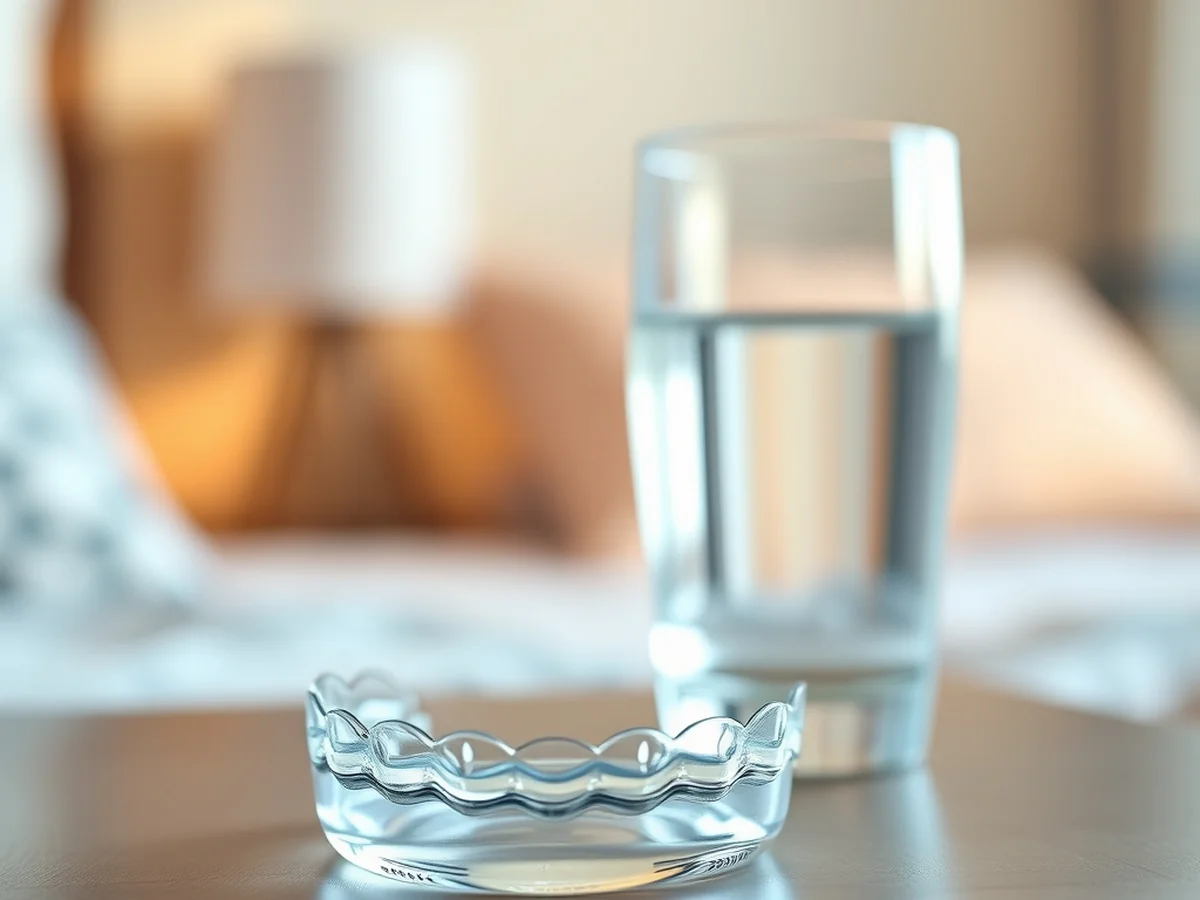
Following orthodontic treatment, patients are typically advised to wear their retainers full-time for at least four to six months. This initial phase is critical because retainers help support the bone around teeth as they adapt to new positions. Once this period concludes, practitioners generally transition patients to nighttime wear as a long-term strategy to maintain alignment.
- Individual needs vary significantly based on the original malocclusion and how your teeth respond to the stabilization phase.
- The duration of full-time wear is a common clinical recommendation, but you should always follow the specific instructions provided by your orthodontist.
- Transitioning to nighttime use is a standard progression for most patients to prevent teeth shifting after braces.
- Consistent compliance is essential during the early months to ensure the alveolar bone settles properly around the tooth roots.
- If you are unsure about how long to wear retainers in your specific case, consult your clinician to review your progress and stability.
Proper Cleaning and Maintenance
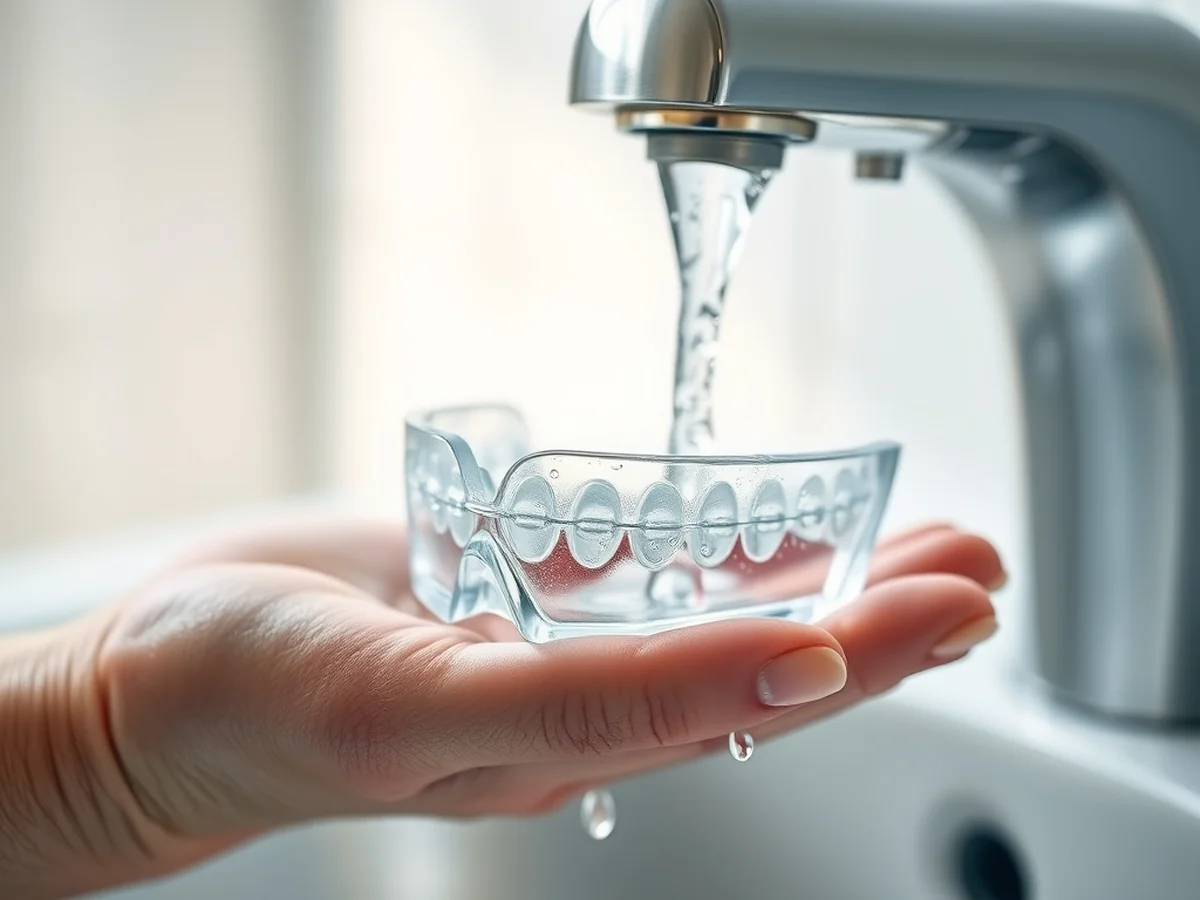
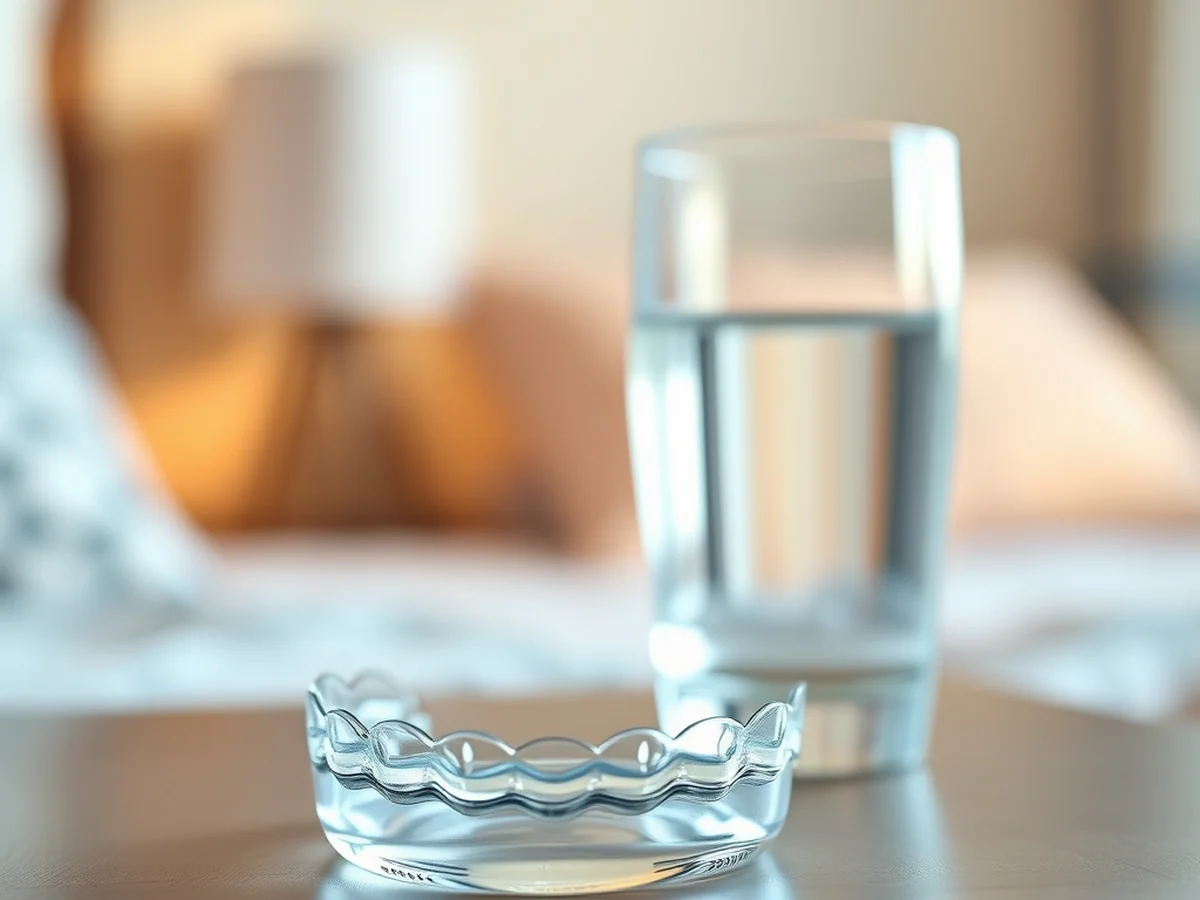
Improper cleaning of removable appliances can lead to bacterial growth, bad breath, and potential gum disease. Keeping your oral device sanitary protects your dental health and extends the lifespan of the appliance.
- Rinse your removable tray with lukewarm water immediately after removal to prevent dental plaque from drying onto the surface.
- Brush the appliance gently with a soft toothbrush and mild liquid soap daily to remove accumulated debris without scratching the plastic.
- Soak the device periodically in a specialized denture cleanser or a mixture of vinegar and water to eliminate stubborn mineral deposits.
- Avoid using hot water or harsh toothpastes, which can warp the plastic material or damage the metal wires of a Hawley retainer.
- Inspect the appliance regularly under bright lighting for persistent cloudiness, deep cracks, or persistent odors that do not disappear with washing.
- Schedule an appointment with your orthodontist to replace the device if you notice structural damage, warping, or a loose fit that cannot be resolved through standard cleaning.
Adjusting to New Retainers
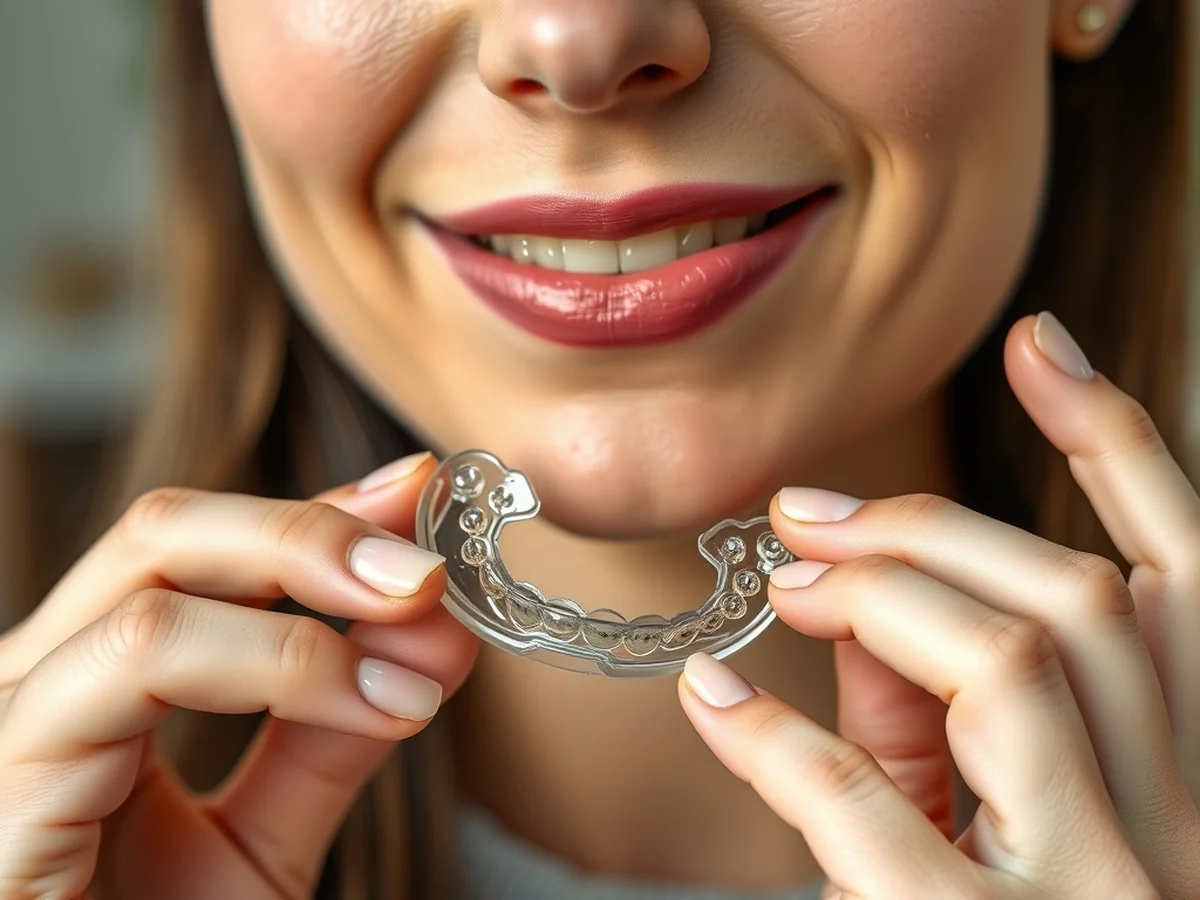
Soreness from a dental appliance is often caused by the device nudging teeth into alignment. Because your teeth and the surrounding alveolar bone are still adapting to their new positions, the pressure exerted by a fresh appliance can feel noticeable or even slightly uncomfortable during the first few days of use.
This adjustment period is a normal part of the stabilization phase. As your periodontal ligament settles and the bone around your teeth adapts to these new positions, the initial tightness usually subsides. Consistency is key during this time, as wearing the device exactly as prescribed helps your mouth accommodate the change more quickly.
If you experience persistent pain or if the appliance feels excessively tight, consider these steps:
- Check for any sharp edges or obvious physical defects in the plastic or wire.
- Ensure the device is seated fully against your teeth without forcing it.
- Contact your orthodontist if the discomfort remains sharp or prevents you from wearing the appliance for the recommended duration.
Do not attempt to modify the device yourself, as even minor changes can affect how it functions. A professional assessment can determine if the fit requires a minor adjustment to ensure your comfort while maintaining the results of your treatment.
When to See Orthodontist
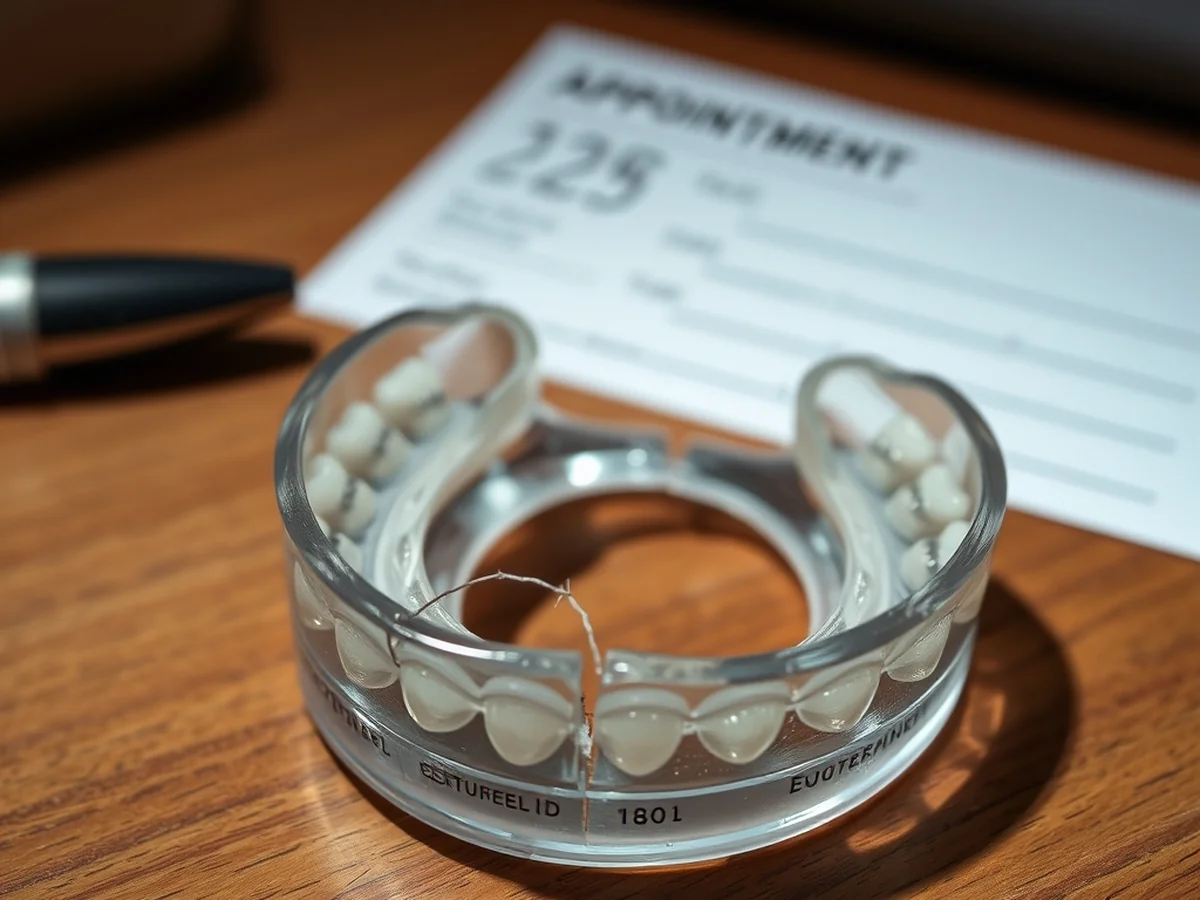
If a retainer breaks, is lost, or no longer fits snugly, schedule a visit promptly. These changes can compromise the bone support that retainers provide and increase the risk of relapse.
- A broken wire or cracked plastic means the device can no longer hold teeth in their new positions, so professional repair or replacement is needed.
- Losing a removable retainer for more than a day may allow teeth to shift; contact the orthodontist to obtain a backup or new set.
- If a fixed retainer feels loose, has visible gaps, or the bonded wire shifts, it requires immediate assessment to prevent unwanted movement.
- Noticeable plaque buildup on a bonded wire can lead to bacterial growth, bad breath, and potential gum disease; ask the orthodontist for cleaning tips or a professional cleaning.
- Persistent soreness that isn’t relieved by minor adjustments may indicate the retainer is pressing incorrectly and should be evaluated.
- Regular check‑ups, typically every six months, help monitor the integrity of both fixed and removable devices and catch problems early.
FAQ
` * 4 to 6 questions as ``. * Each answer in one `
` of 2 to 3 sentences. * Direct answer in the first sentence. * No preamble, no commentary, no markdown, HTML only. * No em dashes (, ) or en dashes (, ). * No rhetorical questions, no exclamation marks. * No generic AI intros or repetitive conclusions. * No filler, no fake stats, no invented sources. * No “I” or personal experience. * Tone: professional, informative, plain language, no jargon.* *Verified:* Retainers support bone around teeth (Cleveland Clinic). * *Verified:* Fixed retainers = slender wires bonded to inner teeth (AAO). * *Verified:* Clear retainers = removable plastic trays (AAO). * *Verified:* Hawley retainers = acrylic/hard plastic and metal wire (PMC). * *Consensus:* Initial cost often included in orthodontic fee. * *Consensus:* Wear full-time for 4 to 6 months post-treatment. * *Consensus:* After that, generally worn at night. * *Verified:* Soreness caused by nudging teeth into alignment (Cleveland Clinic). * *Verified:* Improper cleaning leads to bacteria, bad breath, gum disease (AAO).* *Question 1: Do you really need retainers after braces?* * Answer: Yes. Retainers help support the bone around teeth as they adapt to new positions, according to the Cleveland Clinic. Without them, teeth may shift back to their original spots. * *Question 2: How long do you wear a retainer after wearing braces?* * Answer: Common guidance suggests wearing retainers full-time for at least four to six months after treatment. After this initial period, most patients are generally advised to wear them at night. * *Question 3: How long do brace retainers last?* * Answer: The lifespan varies by type and how well they are maintained. Improper cleaning can lead to bacterial growth and gum disease, according to the American Association of Orthodontists, which may shorten their useful life. * *Question 4: Can a retainer straighten my teeth?* * Answer: Retainers are designed to maintain position, but some soreness during wear is often caused by the device nudging teeth into alignment, per the Cleveland Clinic. However, they are not meant to replace active orthodontic treatment. * *Question 5: How much do retainers cost?* * Answer: The initial cost of a retainer is often included in the overall orthodontic treatment fee. Replacement costs vary based on the specific type of device chosen.* *Check for em/en dashes:* None used. * *Check for exclamation marks:* None used. * *Check for AI fillers:* No “In today’s digital world” or “Ultimately”. * *Check for direct answers:* Each first sentence answers the question. * *Check for length:* 4-6 questions. Each answer 2-3 sentences. * *Check for sources:* Cleveland Clinic, AAO, etc., mentioned correctly for verified facts. * *Check for HTML:* Only `
`, ``, `
`.* Q1: Do you really need retainers after braces? (Answer: Yes, support bone… Cleveland Clinic). * Q2: How long do you wear a retainer after wearing braces? (Answer: 4-6 months full time, then night… Consensus). * Q3: Why does my retainer make my teeth sore? (Answer: Nudging teeth into alignment… Cleveland Clinic). * Q4: What happens if I don’t clean my retainer? (Answer: Bacterial growth, bad breath, gum disease… AAO). * Q5: How much do retainers typically cost? (Answer: Often included in fee… Consensus).* No em dashes? Check. * No en dashes? Check. * No exclamation marks? Check. * No preamble? Check. * HTML only? Check. * Direct answer first? Check. * 2-3 sentences per answer? Check. * Verified sources cited? Check.
FAQ
Do you really need retainers after braces?
Yes, retainers are necessary to keep teeth in their new positions. Retainers help support the bone around teeth as they adapt to new positions. Without them, teeth can shift back toward their original alignment.
How long do you wear a retainer after wearing braces?
Patients are typically advised to wear retainers full-time for at least four to six months post-treatment. After this initial period, retainers are generally worn at night. Your orthodontist provides a specific schedule based on your clinical needs.
Why does my retainer make my teeth feel sore?
Soreness from a retainer is often caused by the device nudging teeth into alignment. This feeling is typically temporary and occurs when the retainer applies pressure to the teeth. If pain persists or becomes severe, you should contact your provider.
What happens if I do not clean my retainer?
Improper cleaning of retainers can lead to bacterial growth, bad breath, and potential gum disease. Plaque and tartar can build up on the surface of the plastic or wire, making regular cleaning essential to prevent these hygiene issues.
How much do retainers cost?
The initial cost of a retainer is often included in the overall orthodontic treatment fee. You should consult your orthodontist to determine if replacement retainers or specific types of devices are covered by your treatment plan or insurance.
Conclusion
The next step in securing your orthodontic results is to schedule a consultation with your orthodontist to discuss the specific type of device best suited for your needs. Consistent use of retainers after braces is essential for long-term stability, as these devices help support the bone around teeth as they stabilize in their new positions. If you notice any discomfort, damage, or changes in how your appliance fits, contact your provider immediately to prevent potential orthodontic relapse.
You might also like: Dental Implants: What to Expect Before, During and After