
Fix Brasssmile at Home: 7 Proven Methods That Work
Introduction
You can effectively Fix Brasssmile at Home by first identifying the specific nature of your tooth discoloration. It is possible to Fix Brasssmile at Home safely once you understand whether the issue stems from surface stains or changes to the underlying tooth structure.
This article examines evidence-based approaches to managing tooth color, beginning with the biological structure of your teeth. Dental enamel is the hardest substance in the human body, but it is also semi-translucent, which allows the deeper dentin layer to influence the appearance of your smile. We will cover the distinction between extrinsic versus intrinsic tooth stains, evaluate the limitations of various whitening agents, and provide guidance on when to see a dentist for tooth yellowing. By focusing on oral hygiene and professional recommendations from the ADA, you can establish a routine that prioritizes dental health while addressing cosmetic concerns.
Understanding Tooth Discoloration and Enamel Health
Addressing unwanted warm or yellow tones in your smile requires a clear understanding of your dental anatomy. Enamel is the hardest substance in the human body, providing a protective shell that dictates how you should approach any whitening process. Because this outer layer is semi-translucent, it allows light to pass through to the dentin layer underneath, which often influences the overall color of your teeth.
When you attempt to manage tooth discoloration at home, you must first distinguish between surface stains and deeper changes. Common guidance suggests that intrinsic staining, which occurs within the tooth structure, requires different treatment protocols than extrinsic surface staining. Surface stains typically respond to mechanical or chemical removal, whereas deeper discoloration often persists because it is embedded within the dentin itself. Recognizing the difference between these two conditions is essential to choosing safe ways to brighten teeth at home. Misidentifying the source of your discoloration can lead to ineffective results or unnecessary wear on your dental enamel, which is why professional assessment is often recommended for persistent changes.
How Tooth Staining Works
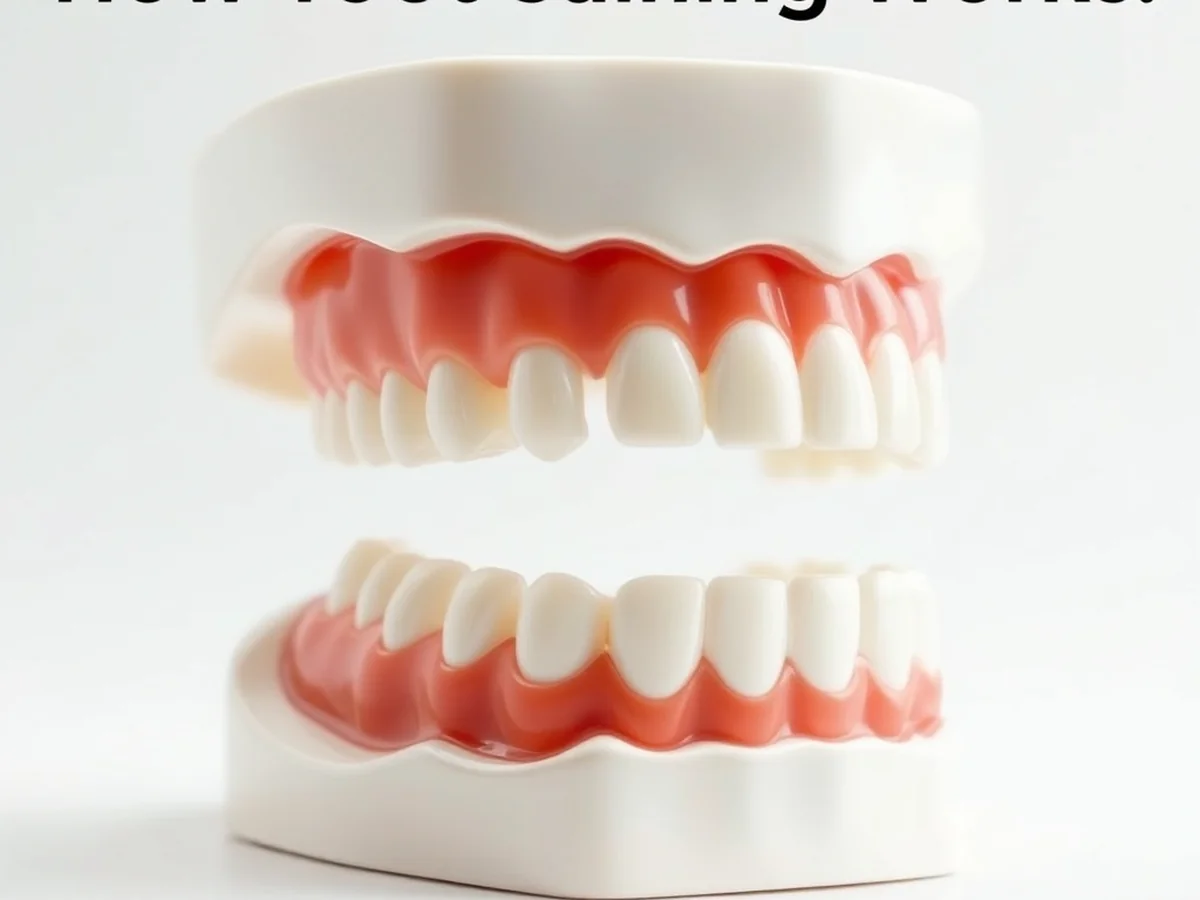
Tooth discoloration primarily occurs because of the complex interaction between the outer protective layer and the underlying structure of the tooth. Enamel is the hardest substance in the human body, providing a durable shield for the more sensitive interior parts of the tooth.
While this outer layer is incredibly resilient, it is also semi-translucent. This quality is common guidance in dentistry, as it allows light to pass through the surface to reach the layer underneath, known as dentin. Because enamel is not completely opaque, the natural color of the dentin significantly influences the overall appearance of your smile.
Dentin is naturally darker and more yellow than the outer surface, and its shade can vary from person to person. As dental enamel undergoes natural thinning over time, more of the underlying dentin shows through, which often creates the perception of deeper yellow or brassy tones. Understanding this relationship is important when considering how to approach teeth discoloration causes, as changes in color may be related to either surface staining or changes in the internal tooth structure.
Identifying Brassiness Causes
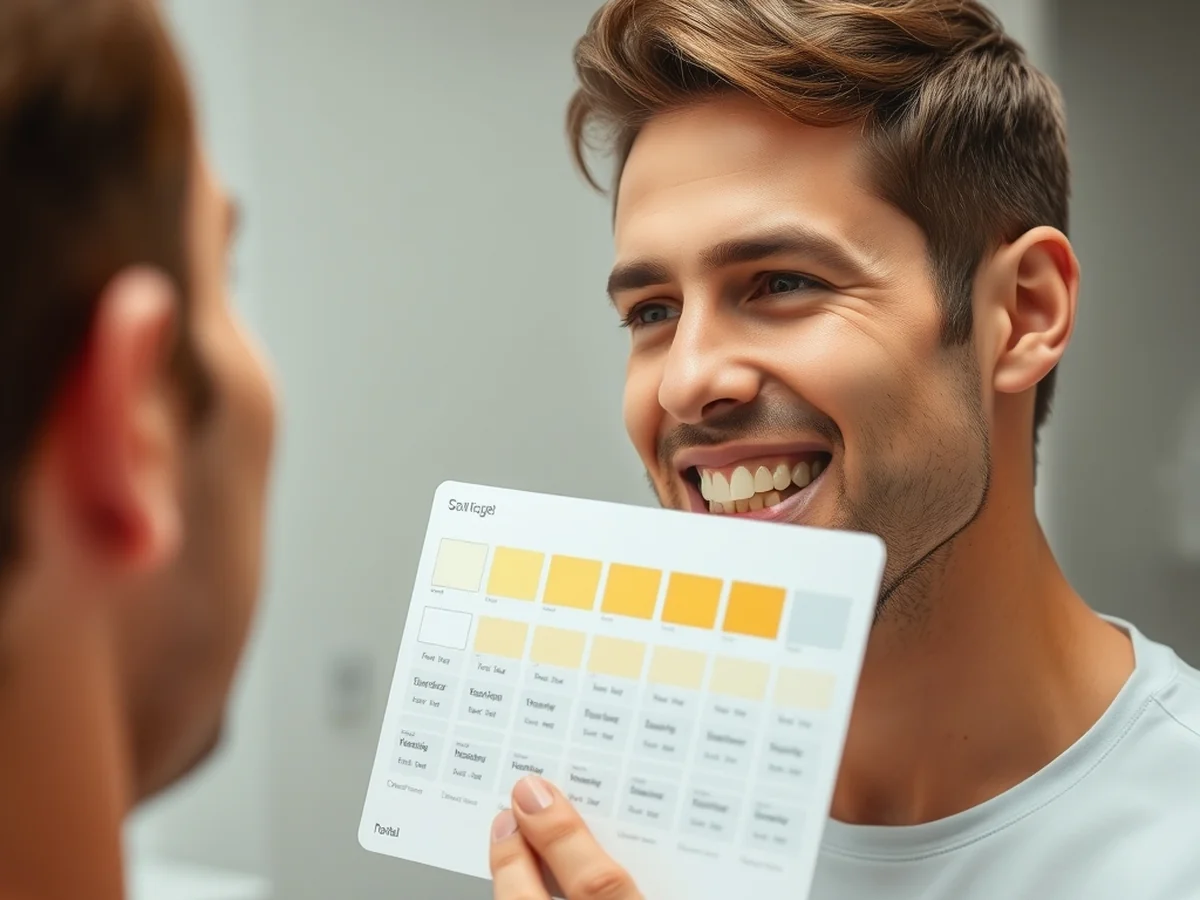
Determining the origin of tooth discoloration is the first step in addressing unwanted color changes, as extrinsic versus intrinsic tooth stains require distinct management approaches. Enamel is the hardest substance in the human body, but it is also semi-translucent, meaning it typically allows light to pass through to the dentin layer underneath. When discoloration occurs, it originates either from external residues settling on the outer surface or from internal structural changes within the tooth.
You can differentiate these teeth discoloration causes by evaluating the depth and persistence of the pigment:
- Surface buildup often results from pigments in food or drink that cling to the outer enamel layer.
- Intrinsic staining occurs deep within the tooth structure, often due to aging, medication, or developmental factors.
- Professional dental care is commonly advised for internal structural discoloration because home applications may not reach the underlying dentin.
- Surface staining is usually addressed through consistent oral hygiene and targeted cleaning, whereas deeper discoloration requires different treatment protocols.
- Consulting a dental professional helps clarify if your concerns are cosmetic or structural in nature.
Limitations of Home Remedies
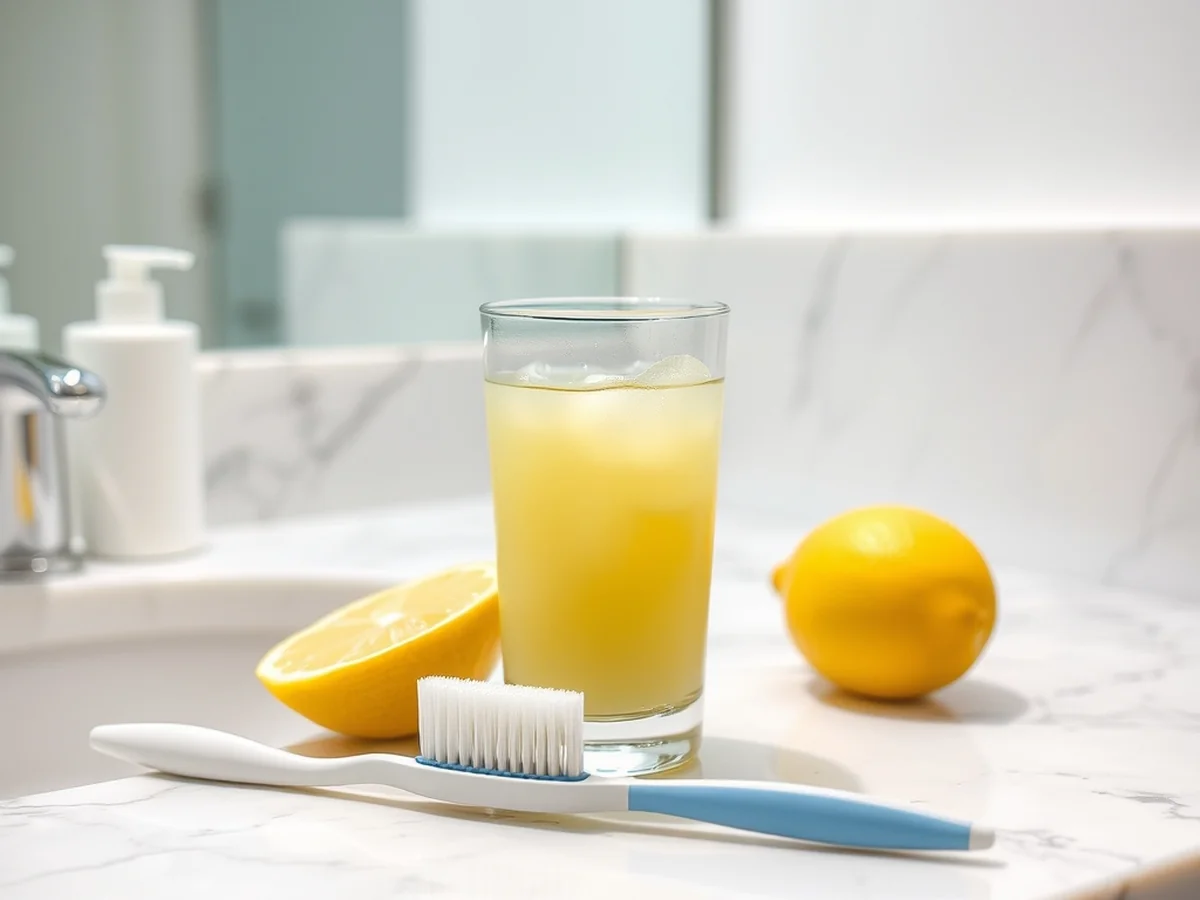
DIY whitening methods often fail to address the root cause of discoloration because they lack the precision of clinical treatments. Relying on household hacks can lead to irreversible damage to your teeth.
Common substances like lemon juice and baking soda are physically or chemically aggressive. Because enamel is the hardest substance in the human body, it is durable, but it remains susceptible to acid erosion and abrasion. Using acidic or gritty ingredients can strip away the protective outer layer, resulting in dental enamel erosion symptoms such as increased sensitivity and permanent thinning. Once this layer wears down, the underlying dentin, which is naturally darker, becomes more visible.
Products containing hydrogen peroxide also have specific chemical constraints. While they are common in whitening kits, they are not universally effective for all types of discoloration. It is common guidance that intrinsic staining requires different treatment protocols than extrinsic surface staining, meaning topical agents may have little impact on deep-seated tones. Furthermore, some stains are structural or developmental, making them resistant to over-the-counter options. If your discoloration persists, it is often necessary to consult a professional for an accurate diagnosis.
Safe Brightening Approaches
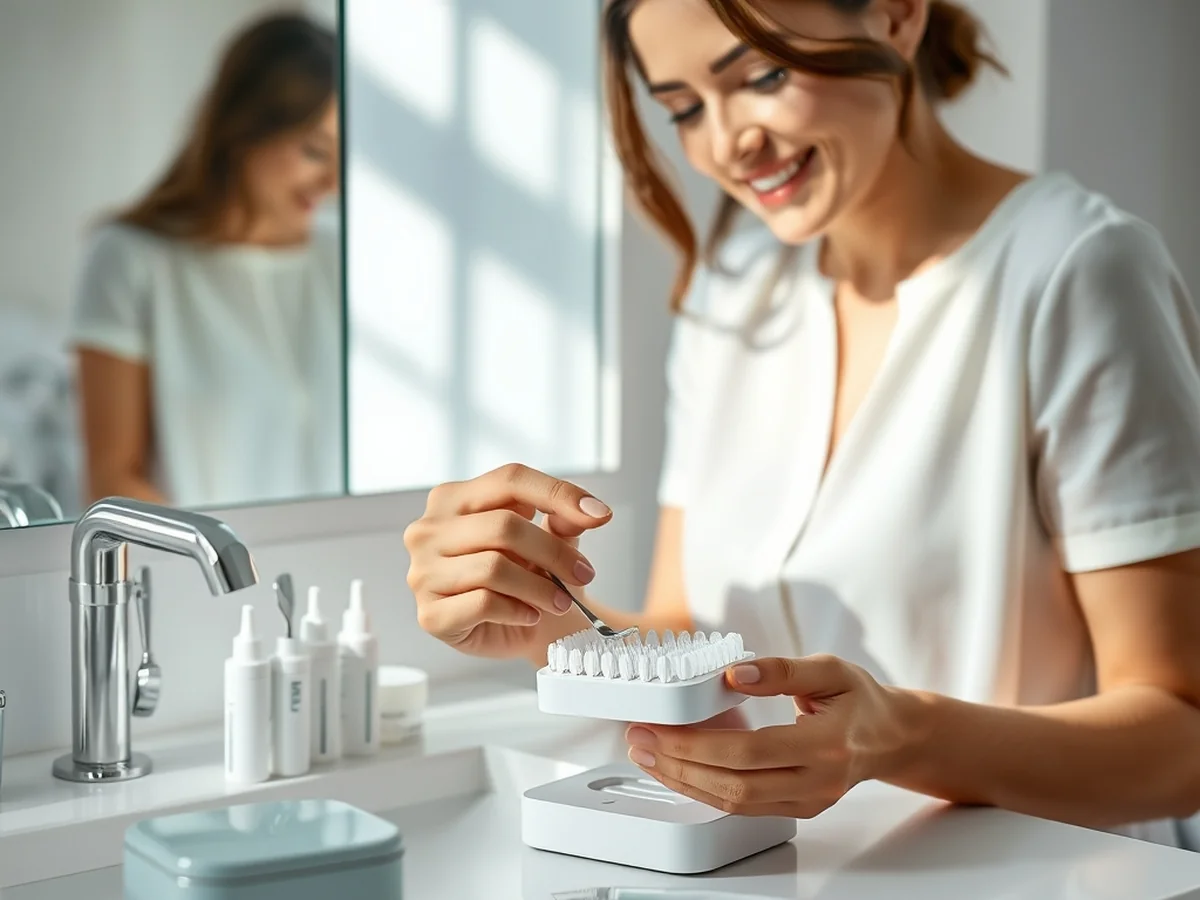
The most reliable way to maintain a bright smile is through evidence-based oral hygiene that prioritizes the structural integrity of your teeth. Because enamel is the hardest substance in the human body, it functions as a protective shield for the underlying dentin. Since enamel is semi-translucent, it allows light to pass through to the dentin layer, meaning that any changes to the thickness or health of this outer surface directly impact the appearance of your teeth. Incorporating hydroxyapatite into your routine helps support enamel health by promoting remineralization, which strengthens the protective barrier against daily wear.
You can manage tooth discoloration effectively by following these scientifically supported practices:
- Brush twice daily using fluoride toothpaste to remove extrinsic stains and prevent plaque buildup.
- Floss every day to clean between teeth where discoloration often begins.
- Use hydroxyapatite-based products to support enamel remineralization and structural health.
- Limit consumption of beverages known to cause staining, such as coffee or red wine.
- Consult a dental professional to distinguish between extrinsic and intrinsic tooth stains before starting any treatment.
When to See a Dentist
You should seek a professional consultation if discoloration persists despite consistent oral hygiene or if you experience sudden changes in tooth shade. Persistent color shifts can signal underlying oral health concerns that surface-level treatments cannot address.
Consider scheduling an appointment when you notice these signs:
- Increased tooth sensitivity during or after whitening efforts.
- Uneven spots or significant color variations across a single tooth.
- Discoloration accompanied by bleeding gums or pain.
- Visible signs of dental enamel erosion symptoms such as thinning or translucent edges.
It is important to understand that enamel is the hardest substance in the human body, but it is also semi-translucent. This structure allows light to pass through to the dentin layer, which often appears yellow. Because intrinsic staining requires different treatment protocols than extrinsic surface staining, a dentist must first identify the root cause. While cosmetic attempts may offer temporary results, professional dental whitening utilizes controlled, higher-concentration agents and clinical oversight to ensure safety. A professional evaluation provides a diagnostic approach that protects your long-term oral health, ensuring any whitening plan is appropriate for your specific dental profile.
Preventing Future Discoloration
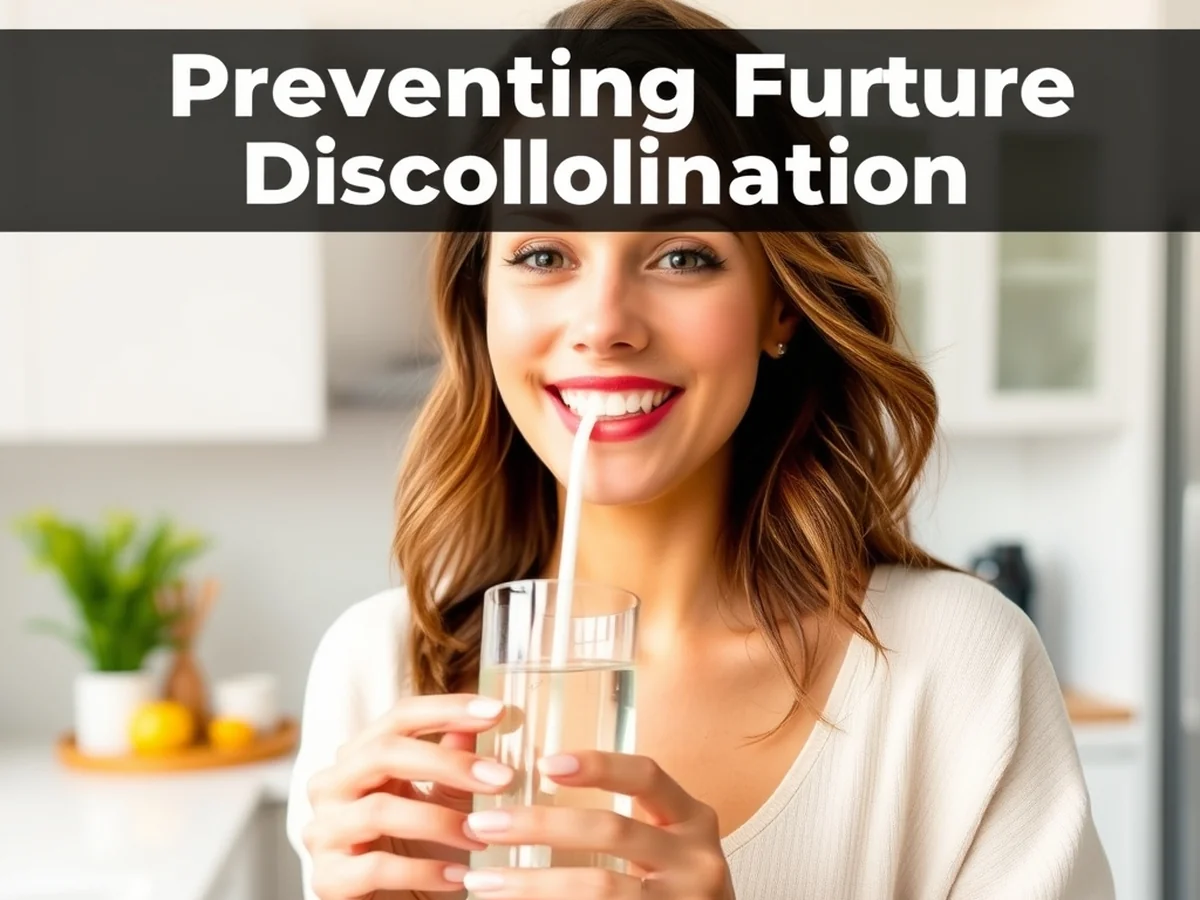
Minimizing new stains requires consistent lifestyle adjustments to protect the surface of your teeth. Since enamel is the hardest substance in the human body, it remains your primary defense against discoloration, yet it is susceptible to wear from acidic foods and beverages. Limiting intake of coffee, tea, and red wine helps prevent the accumulation of new pigments. When you do consume staining agents, rinsing your mouth with water immediately afterward serves as an effective, simple strategy to reduce contact time with your enamel.
Professional cleanings are essential because they address build-up that daily brushing and flossing cannot remove. While routine oral hygiene manages extrinsic surface stains, dental professionals use specialized tools to clear hardened tartar. Frequent checkups allow practitioners to monitor the integrity of your enamel and identify early signs of dental enamel erosion symptoms before they worsen.
A long-term maintenance strategy focuses on supporting dental health through a balanced routine. Consider these habits to sustain a brighter appearance:
- Brush twice daily with fluoride toothpaste to reinforce enamel.
- Use a straw for dark beverages to minimize direct contact with teeth.
- Schedule regular exams to distinguish between extrinsic vs intrinsic tooth stains.
Safe DIY Brightening Tools

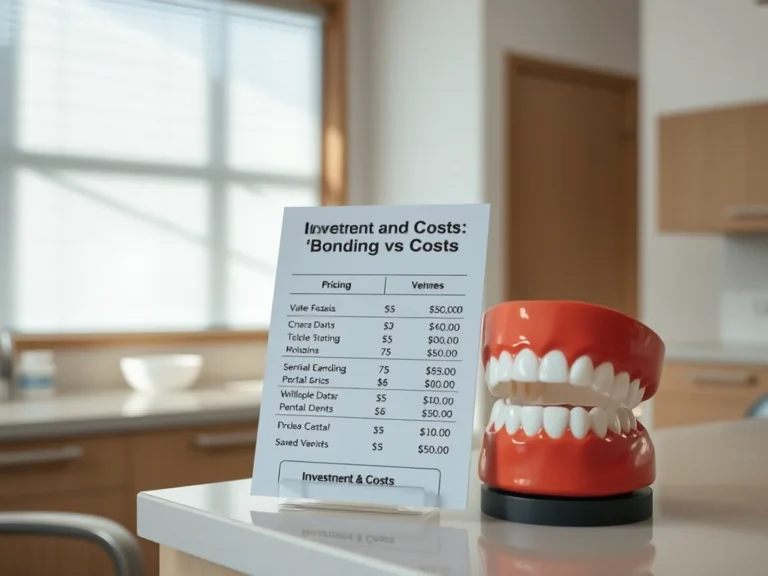
Modern diagnostic tools, such as 3D scanning, allow for precise visualization of dental structures that home remedies cannot address. These technologies enable a detailed view of the tooth surface, helping distinguish between simple surface discoloration and deeper structural changes.
| Technology | Primary Function | Clinical Insight |
|---|---|---|
| 3D Scanning | Structural Mapping | Detects enamel wear |
| Digital Smile Design | Expectation Setting | Visualizes potential outcomes |
Digital smile design further assists by mapping out realistic treatment expectations before any intervention begins. By simulating potential improvements, these tools help clarify that technology serves as a baseline for clinical decisions rather than a substitute for professional care. Because enamel is the hardest substance in the human body, relying on objective diagnostic data is essential to protect its integrity. It is common guidance that enamel is semi-translucent, meaning light passes through to the dentin layer, which explains why intrinsic staining requires different treatment protocols than extrinsic surface staining. Utilizing these digital benchmarks ensures that any approach to manage tooth discoloration remains grounded in accurate assessment.
FAQ
What is the difference between brasssmile and ordinary yellow teeth?
Brasssmile relates to specific warm or golden-orange tones, whereas ordinary yellowing typically involves a broader shift in shade often linked to thinning enamel or surface accumulation. Distinguishing between these shades helps in identifying whether the discoloration is merely cosmetic or rooted in deeper structural changes.
Is brasssmile a dental health concern or purely cosmetic?
While many cases are cosmetic, brassy tones can sometimes signal underlying issues like the gradual loss or thinning of dental enamel. Because enamel is the hardest substance in the human body, any noticeable shift in its appearance or integrity should be evaluated to rule out progressive wear.
Can brasssmile be permanently resolved?
Permanent resolution depends on whether the discoloration is extrinsic or intrinsic, as it is common guidance that intrinsic staining requires different treatment protocols than extrinsic surface staining. While surface stains can often be managed with consistent oral hygiene, deeper discoloration typically necessitates professional dental whitening to achieve lasting results.
Does Brass Smile recommend seeing a dentist?
Professional consultation is recommended whenever you notice persistent changes in tooth color, especially if they are accompanied by sensitivity or discomfort. A dentist can determine if your situation involves extrinsic vs intrinsic tooth stains, ensuring you avoid unsafe home hacks that could damage your enamel.
What causes brassy tones in teeth?
Brassy tones often emerge as enamel wears thin, as it is common guidance that enamel is semi-translucent, allowing the underlying dentin layer to become more visible. Factors such as dietary habits, natural aging, or aggressive brushing can accelerate this process by reducing the thickness of the protective enamel layer.
Conclusion
The most important decision when you attempt to Fix Brasssmile at Home is determining whether your discoloration is surface-level or originates from within the tooth structure. Because enamel is the hardest substance in the human body, it remains susceptible to various types of staining that home products may not effectively reach. If your efforts to brighten your smile do not yield results, you should consult a dental professional to rule out underlying issues like dental enamel erosion or intrinsic staining. Schedule an evaluation with your dentist to receive an accurate diagnosis and a treatment plan tailored to your specific oral health needs.
You might also like: Brasssmile Causes: 10 Reasons Your Teeth Look Brassy