Dental Implants: What to Expect Before, During and After
Understanding dental foundation
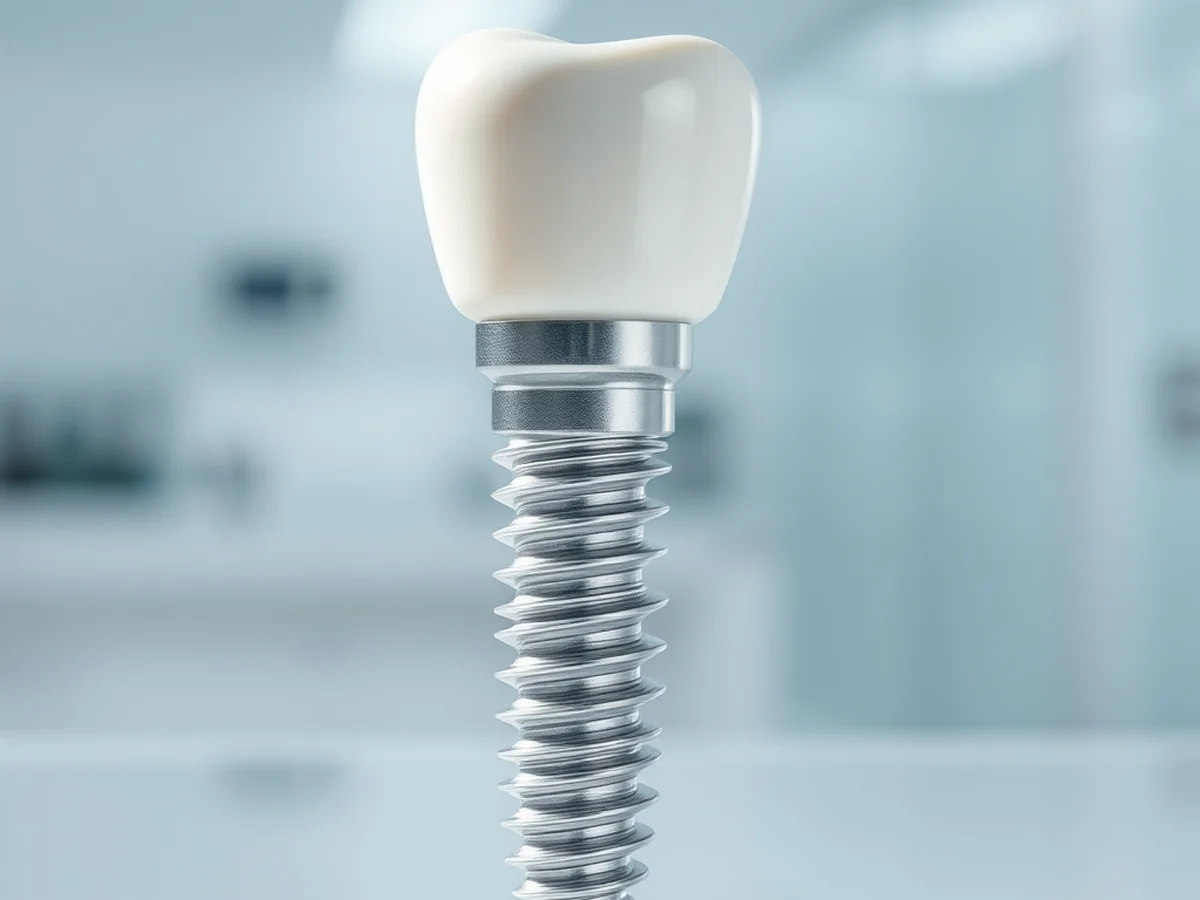
Dental Implants consist of a small titanium post that functions as a secure artificial root for your replacement tooth. This metal piece sits directly in your jawbone to create a stable base for your new smile.
The primary goal is restoring your natural chewing function and helping you feel confident again. Unlike removable dentures, these structures stay fixed in place. They prevent bone loss and provide the stability needed to eat your favorite foods without worry.
The process relies on a biological bond called osseointegration. During this phase, your jawbone grows around the titanium to lock it firmly into position. This creates a foundation strong enough to support a custom porcelain crown or bridge.
While the prospect of oral surgery may feel intimidating, the procedure is standard practice for modern tooth replacement. A professional periodontist or oral surgeon will guide you through each stage to ensure your comfort. You can expect the initial surgical placement of a single post to take about 60 minutes in the chair. Once healed, this solution offers a permanent way to replace missing teeth and protect your long-term oral health.
Initial Consultation
Your journey toward Dental Implants begins with a face-to-face meeting with an oral surgeon or a periodontist. The specialist evaluates your oral health to confirm if you are a good candidate for this permanent tooth replacement. They review your medical history and discuss why you need a prosthetic to replace a missing tooth.
This professional uses x-ray imaging to see exactly what is happening beneath your gums. They must verify your jawbone density to ensure there is enough solid foundation for a titanium post. Without sufficient bone mass, the surgeon might suggest bone grafting to build up the area first. This step is vital because the implant needs to fuse properly with your own bone during the process called osseointegration.
Expect to spend around 60 minutes during this first visit. The doctor will explain the dental implant procedure steps, including how they place the dental abutment and eventually attach a porcelain crown. They will also discuss the total cost of dental implants so you know what to expect financially before committing to surgery. Do not hesitate to ask about the specific type of implant they recommend for your unique mouth structure. This conversation sets the stage for a successful restoration of your smile.
Surgical Placement Details
The surgeon begins by numbing the area with local anesthesia to ensure you feel no pain during the procedure. Once you are comfortable, they make a small incision in your gum to reach the jawbone. They then drill a precise hole to house the titanium post. This metal piece acts as a sturdy artificial root for your new tooth.
If your jaw lacks sufficient thickness, your periodontist will perform bone grafting before or during the surgery. This process adds synthetic or natural bone material to build up the site. It ensures there is enough density to support the metal base securely. Without this extra foundation, the base might not anchor properly.
The surgeon places the post into the bone and stitches the gum tissue shut. A standard procedure usually takes about 60 minutes per site. Over the next few months, your jaw undergoes osseointegration. This is a biological process where the surrounding bone grows into the surface of the post. This creates a solid, permanent bond that mimics a natural root. You will use x-ray imaging during follow-up visits to confirm this fusion is happening as expected. Once healed, the site is ready for the next phase involving the abutment and final crown.
Healing and Temporary Solutions
Osseointegration is the process where your jawbone grows around the titanium post to create a permanent bond. This biological fusion is essential for long-term stability but typically requires a waiting period of 3 to 6 months. During this time, your periodontist monitors your bone density to ensure the foundation is strong enough to support the final restoration.
I have seen many patients worry about having a gap in their smile while waiting for this fusion. You do not need to endure social discomfort during your dental implant surgery recovery. Most professionals provide a temporary prosthetic to fill the space left by missing teeth. These options help you maintain your appearance and speech until the final dental abutment and crown are attached.
- Removable flippers are a budget-friendly option often costing around $300 to $500.
- A custom dental bridge can serve as a fixed alternative for better comfort.
- Clear retainers with a fake tooth attached offer a simple and fast aesthetic fix.
Using these temporary aids ensures you remain confident while your dental implants settle. These devices are purely aesthetic and are not meant for heavy chewing, so be careful with hard foods. Following this guidance helps you manage the transition phase without compromising your daily life or your oral health.
For another perspective, this detailed piece on Dental Implants: What You Should Know is worth a read.
Healing Timeline
The first 24 hours after your procedure focus on stabilization. You should rest with your head elevated to minimize bleeding and swelling. Avoid rinsing your mouth, spitting, or using a straw during this initial day to protect the blood clot forming around the titanium post. Stick to cold, soft foods like applesauce or yogurt to avoid irritating the surgical site.
By day seven, most acute discomfort begins to fade. You might still notice some bruising or minor tenderness, but your jawbone should feel significantly more comfortable. Most patients return to light activity by this point, though you must avoid strenuous exercise for at least 10 days to prevent increased pressure in your head. Your periodontist may remove non-dissolvable stitches during a follow-up appointment around this time.
To manage pain, take prescribed medication exactly as directed before the local anesthesia wears off completely. Applying an ice pack to your cheek for 15 minutes on and 15 minutes off helps keep swelling under control. If you experience sharp pain or heavy bleeding after 48 hours, contact your oral surgeon immediately. Following these simple steps ensures that dental implants integrate well with your bone, setting the stage for a healthy, long-term smile restoration.
Maintaining your new smile
Keeping your Dental Implants healthy requires a daily routine that mimics care for natural teeth. You must brush at least twice a day and use specialized floss designed for bridges or implants to clear bacteria from the gum line. A water flosser is often the most effective tool to reach spaces around the porcelain crown and abutment.
Schedule professional cleaning appointments every 6 months to ensure your gum health remains stable. During these visits, your dentist will perform x-ray imaging to verify that the titanium post is still properly integrated with your jawbone. Consistent monitoring allows your provider to catch small issues before they become major problems.
Even with perfect hygiene, you should watch for signs of peri-implantitis. This condition involves inflammation of the tissue around your restoration, which can lead to bone loss if ignored. Symptoms include bleeding gums, persistent bad breath, or a loose feeling in the prosthetic. While these tooth replacement options are durable, they are not immune to bacterial infection. If you notice any discomfort or swelling, contact your periodontist immediately. Early intervention is the best way to protect your investment and maintain your long-term oral health. Expect to spend around $150 per visit for a routine check-up if you lack specific dental coverage.
Understanding Total Costs
The price for Dental Implants usually ranges from $3,000 to $5,000 per tooth. This figure covers the titanium post, the dental abutment, and the final porcelain crown. Your final bill changes based on your specific needs. You might pay more if your oral surgeon requires bone grafting to strengthen your jawbone before the surgery. Other factors include the number of teeth replaced and the complexity of your x-ray imaging results.
Most standard dental insurance plans consider these tooth replacement options as cosmetic or elective procedures. This means they often provide zero coverage for the surgery itself. However, some plans might help pay for the restorative part, such as the crown or a dental bridge. You should call your provider to confirm your exact benefits before you book your consultation.
If insurance falls short, many clinics offer monthly payment plans to manage the expense. These financing options allow you to break the total into smaller chunks. You could also look into health savings accounts to set aside money tax-free. Always ask your periodontist for a written estimate that lists every phase of the treatment. Being clear about the financial commitment early on helps you avoid stress throughout your smile restoration journey.
Managing Pain and Temporary Teeth
You will not feel pain during the procedure because the periodontist uses **local anesthesia** to numb the surgical site. Most patients describe the sensation as pressure rather than actual discomfort. Once the medication wears off, you might experience mild soreness that is typically managed with over-the-counter pain relievers for about 3 days.
Regarding your appearance during the healing phase, you rarely have to go without teeth. Your surgeon often provides a **temporary dental prosthetic** while your jawbone integrates with the titanium post. This temporary piece is usually a lightweight dental bridge or a flipper denture designed to maintain your smile.
These placeholders serve an aesthetic purpose while protecting the surgical site from food debris. You should avoid chewing hard or sticky foods on the temporary appliance to ensure it stays secure. The process of **osseointegration** takes roughly 3 to 6 months. During this period, your dentist monitors the area with x-ray imaging to confirm the site is ready for the final porcelain crown. If you require significant bone grafting beforehand, your timeline for receiving the permanent restoration may extend. Keeping your mouth clean with a soft-bristled toothbrush helps reduce post-operative inflammation and promotes faster healing for the surrounding gum tissue.
Commitment to Success
Choosing Dental Implants requires a significant investment of both time and patience. The entire process, from the initial titanium post placement to the final porcelain crown, often spans six months or longer. This timeline allows for proper osseointegration, where your jawbone fuses securely with the metal fixture. You must be prepared for multiple appointments and a dedicated approach to post-operative care.
I have seen that patients who follow their surgeon’s hygiene instructions see the best long-term results. Skipping check-ups or failing to clean around the dental abutment can risk your oral health. While the surgery itself uses local anesthesia to ensure comfort, you should expect some swelling and mild discomfort during the first 72 hours of dental implant surgery recovery.
You need a clear plan for your diet and daily routines during this healing phase. Every case is unique, so your journey depends on your specific bone density and overall gum health. I suggest scheduling a consultation with a qualified periodontist or oral surgeon to discuss your anatomy. They can provide a tailored treatment plan and a breakdown of the cost of dental implants. Do not rush this decision. A professional assessment is the only way to ensure you are a good candidate for this permanent smile restoration.
You might also like: Invisalign vs Braces for Adults: Cost, Comfort & Which Lasts Long