Tooth Sensitivity: Causes, Treatments and How to Whiten Safely With Sensitive Teeth
Introduction
Tooth sensitivity occurs when the protective layers of your teeth wear down or gums pull away, exposing the underlying nerves. This condition manifests as sharp pain or discomfort triggered by hot, cold, or sugary stimuli reaching the dentin.
This article examines the primary sensitive teeth causes and explains how to manage discomfort effectively. You will learn about reliable options for tooth sensitivity treatment, including the use of desensitizing toothpaste, and find professional guidance on how to whiten sensitive teeth safely. By understanding the mechanisms behind this sensitivity, such as dentin exposure, you can better protect your oral health and determine when to consult a dentist for potential underlying issues like cavities.
What Is Tooth Sensitivity?
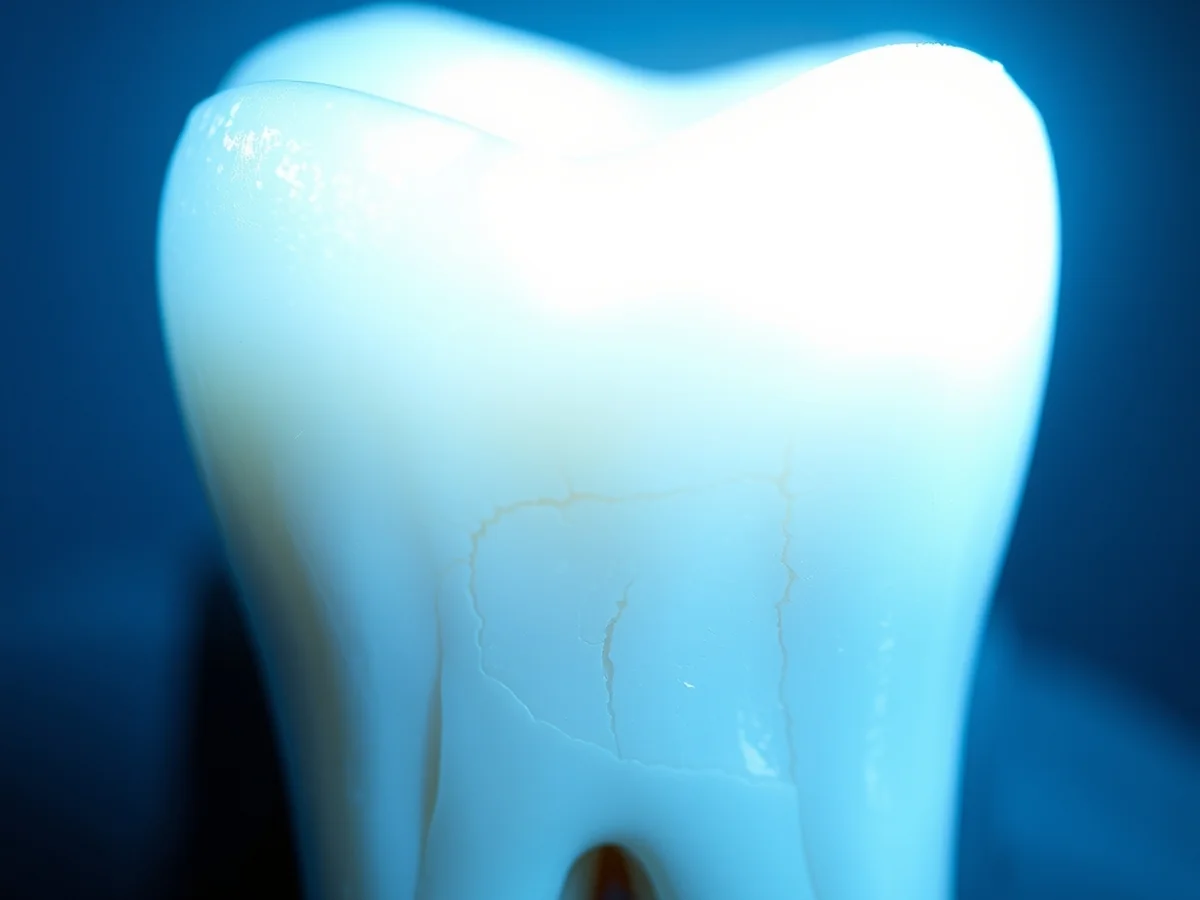
This condition manifests as a sharp discomfort or pain triggered by hot, cold, or sugary stimuli. It occurs when the protective layers of your teeth are compromised, leaving the underlying tissue vulnerable to external temperature and pressure changes.
Under normal circumstances, your teeth are shielded by two primary defenses. It is common guidance that enamel protects the crown of the tooth, while cementum covers the tooth root located beneath the gum line. When these barriers are intact, the inner portions of the tooth remain isolated from daily eating and drinking.
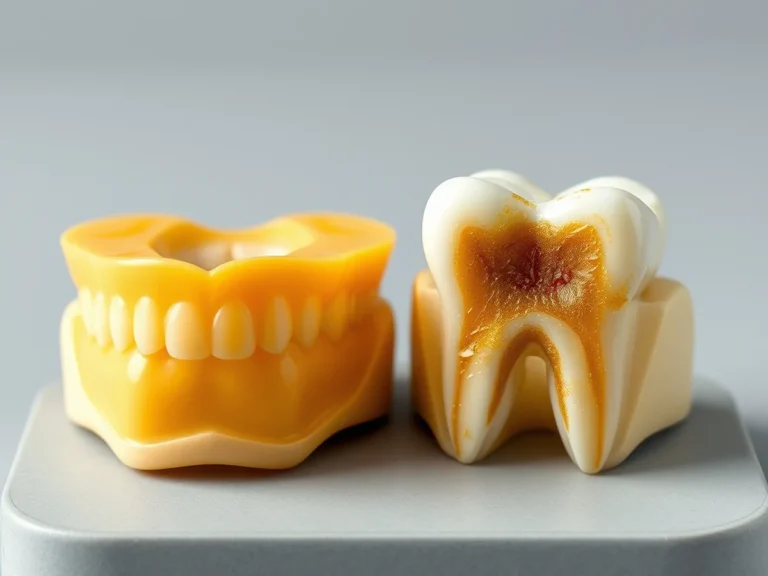
The trouble begins when that protection fails. According to the Cleveland Clinic, this discomfort arises when enamel wears down or gums pull away through recession. Once the dentin layer is exposed, external stimuli can reach the nerve more easily. It is common guidance that dentin contains tiny tubes, known as tubules, that provide a direct pathway to the nerve of the tooth. When these channels are open, even minor temperature fluctuations can cause significant irritation.
While often manageable, it is important to note that this sensation can also act as a warning sign. Sensitivity is sometimes a symptom of a cavity or other larger dental problems that require professional evaluation.
Understanding Tooth Sensitivity
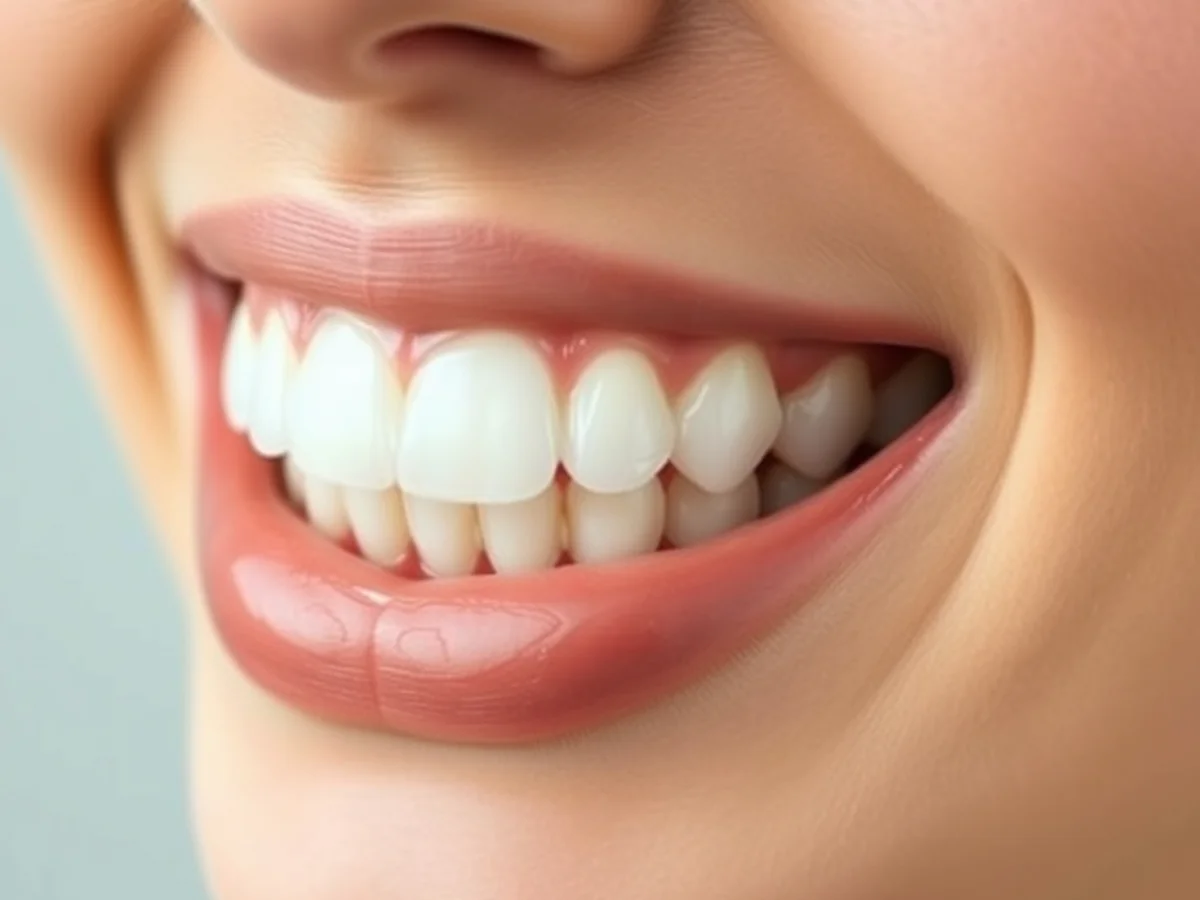
Tooth sensitivity occurs when enamel wears down or gums pull away, a process known as recession. When these protective layers are compromised, the underlying structures of the teeth become vulnerable to outside influences.
Typically, enamel protects the crown of the tooth, while cementum safeguards the root under the gum line. Beneath these protective shields lies dentin. It is widely understood in dental practice that dentin contains tiny tubes, called tubules, that lead directly to the nerve of the tooth.
When the dentin is exposed, these pathways are no longer insulated. The exposure of dentin allows hot, cold, or sugary stimuli to reach the nerve, which triggers the sharp, sudden discomfort associated with this condition. Because these tubules act as channels, any extreme temperature or sugar concentration can effectively communicate a signal to the nerve endings inside the pulp.
It is important to note that this sensation can also be a symptom of a cavity or other larger dental problems. While mild sensitivity often improves with the use of desensitizing toothpaste, persistent or worsening discomfort suggests that a professional evaluation is necessary to rule out underlying decay or damage.
Common Sensitive Teeth Causes
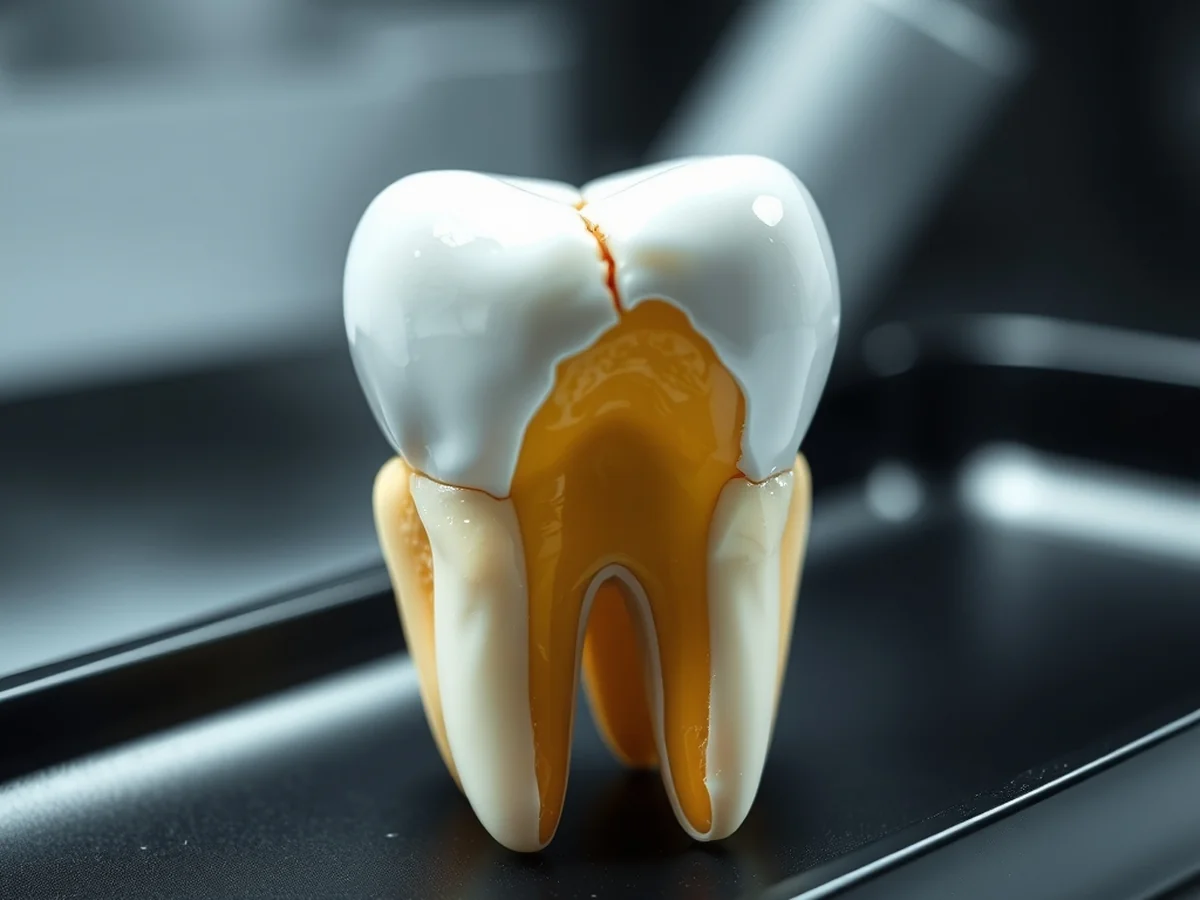
Teeth become prone to discomfort when enamel wears down or gums pull away in a process known as recession, which exposes the underlying dentin. Exposure of dentin allows hot, cold, or sugary stimuli to reach the nerve. Furthermore, lingering pain can sometimes point to a cavity or other larger dental problems that require professional evaluation.
- Aggressive brushing with hard bristles gradually wears away protective enamel and irritates the gum tissue.
- Frequent consumption of acidic foods and drinks erodes the surface of the teeth over time.
- Teeth grinding puts excessive pressure on the crown, leading to microfractures and structural wear.
- Gum recession pulls the gum line back from the root, leaving vulnerable areas exposed to the mouth.
- Untreated cavities allow external triggers to penetrate deep inside the inner layers of the tooth.
- Damaged or cracked fillings leave the inner pathways open to temperature and pressure changes.
Effective Tooth Sensitivity Treatment
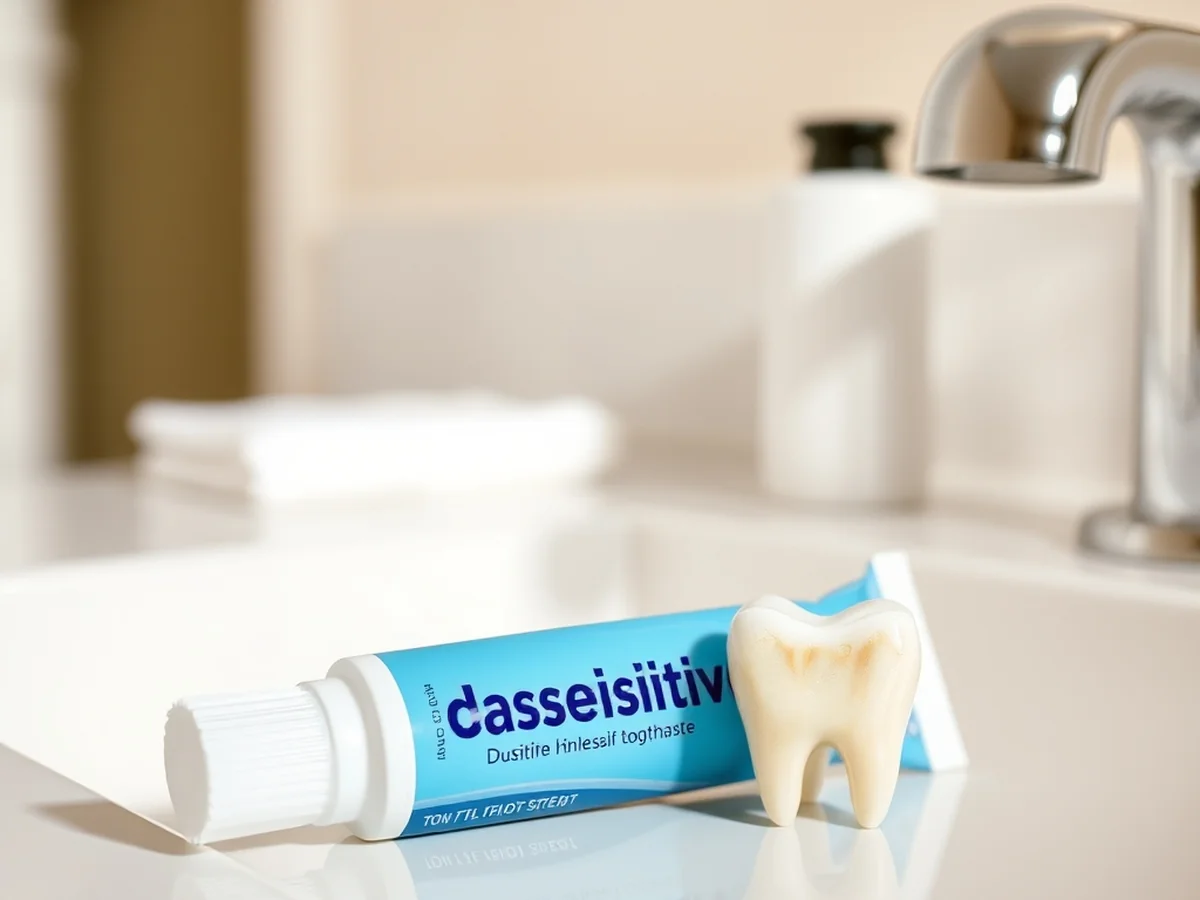
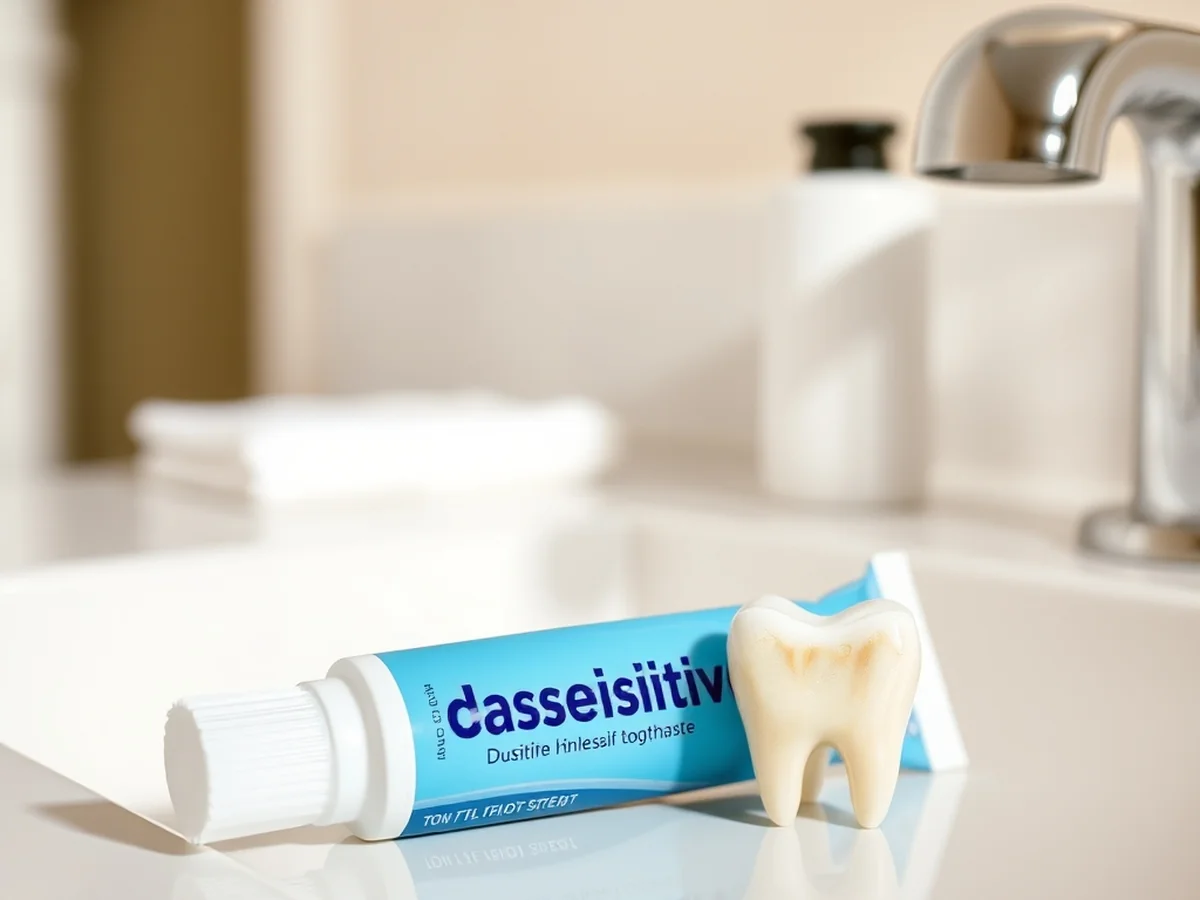
Mild discomfort often improves significantly with the consistent use of desensitizing toothpaste. These products work by blocking the tiny channels in the dentin that carry sensations to the nerve. Because this approach is non-invasive, it is typically the first line of defense for managing occasional pain or minor reactions to hot and cold temperatures.
When daily oral care is not enough, a dental professional can offer stronger interventions to address the underlying exposure of dentin. Clinical options focus on sealing the surface of the tooth to prevent external stimuli from reaching the sensitive nerve endings.
- Professional fluoride varnishes can be applied to strengthen the surface and reduce irritation.
- Bonding agents may be used to cover exposed roots or areas where enamel has worn away.
- Dental sealants or specialized resins provide a protective barrier over vulnerable sections of the tooth.
Choosing between store-bought solutions and clinical care depends on the severity and cause of your symptoms. Over-the-counter products are effective for manageable, generalized discomfort, whereas professional procedures provide targeted relief for localized issues or structural damage. If your discomfort persists despite home care, a dentist should evaluate the area to rule out hidden issues like cavities, as professional intervention is necessary to address deeper dental problems.
Best Tooth Sensitivity Products
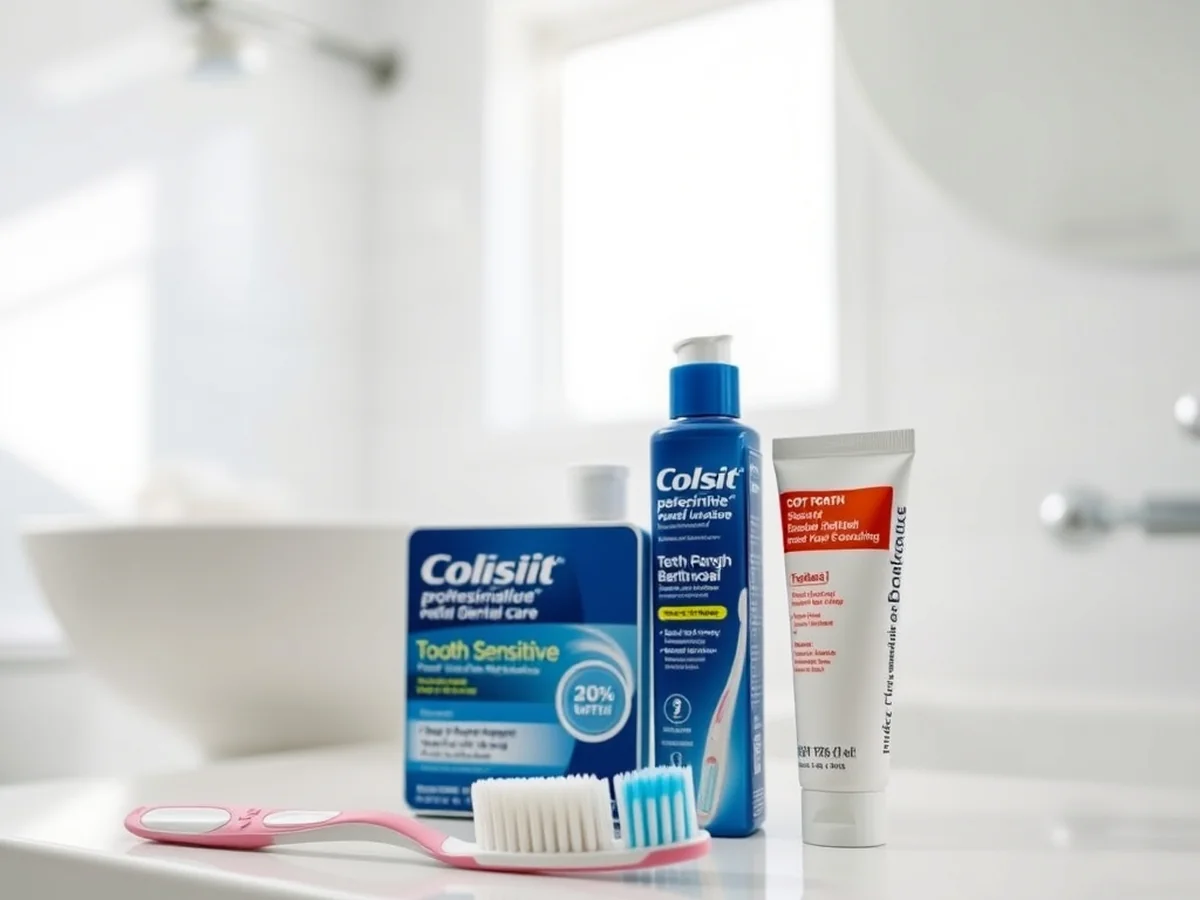
Mild discomfort often improves with the use of desensitizing toothpaste, which helps block the channels leading to the tooth nerve. Incorporating these products alongside protective habits remains the primary approach for those seeking how to fix tooth sensitivity.
- Select a soft-bristled toothbrush and use gentle, circular motions to clean your teeth, as vigorous scrubbing can accelerate the loss of protective enamel.
- Apply the pea-sized amount of fluoride-based paste recommended by professionals to strengthen your teeth and shield exposed areas.
- Limit the intake of highly acidic foods and beverages like citrus fruits, sodas, and sports drinks to prevent chemical erosion of the tooth surface.
- Rinse your mouth with water after consuming acidic items to neutralize the environment and protect the enamel from immediate wear.
- Maintain a consistent daily routine of brushing and flossing to keep gums healthy, which helps prevent recession and keeps the protective cementum in place at the root.
- Schedule regular check-ups to monitor your oral health, as persistent discomfort can be a symptom of a cavity or other larger dental problems requiring professional care.
Whitening Safely With Sensitive Teeth

Safe whitening for those with tooth sensitivity requires choosing lower concentrations of active ingredients to minimize discomfort. Hydrogen peroxide acts quickly but is often more intense, while carbamide peroxide breaks down into hydrogen peroxide more slowly, which may be gentler for reactive enamel.
Custom trays provide a vital layer of protection during the whitening process. Because these trays are molded specifically to your dental anatomy, they ensure that the whitening gel stays directly on the teeth rather than leaking onto the gums. This controlled application prevents unnecessary exposure of soft tissue to the chemicals, which helps reduce the risk of irritation.
You should be aware of the following factors when considering how to whiten sensitive teeth:
- Temporary nerve irritation often occurs during whitening because the active agents can penetrate the enamel and reach the dentin.
- Dentin contains tiny tubes that lead toward the nerve, allowing whitening agents to trigger a quick, sharp response.
- Using desensitizing toothpaste before and during a treatment cycle can help soothe the nerves and improve your overall comfort.
If you experience significant pain, discontinue use immediately. Always consult a dental professional to ensure that your discomfort is not caused by cavities or other underlying dental issues before proceeding with any whitening regimen.
When to See a Dentist

Schedule a professional evaluation if you experience persistent pain, localized swelling, or discomfort that does not improve with standard care. While mild reactions to hot or cold stimuli often resolve with the use of desensitizing toothpaste, recurring or intensifying distress may indicate a more complex dental issue.
It is important to distinguish between general discomfort and symptoms of structural damage. Generalized reactions to temperature are often related to enamel wear or gum recession, which allows external stimuli to reach the nerve. In contrast, sharp, localized, or throbbing pain often points to deeper problems, such as a cavity, a cracked tooth, or an infection.
- Lingering pain after the removal of a hot or cold trigger.
- Spontaneous pain without a clear external stimulus.
- Visible swelling in the gums or around a specific tooth.
- Pain when biting or chewing food.
- Increased sensitivity following a recent dental procedure.
Do not rely solely on home remedies if your symptoms persist for more than a few days. Seeking an official diagnosis from a dentist ensures that you address the underlying cause rather than masking the symptoms. Early intervention is essential for protecting the integrity of your teeth and preventing the progression of decay or nerve-related damage.
FAQ
What actually happens when teeth feel sensitive?
Discomfort occurs when enamel wears down or gums pull away, which is known as gum recession. Common guidance suggests that the underlying dentin contains tiny tubes, called tubules, that lead to the nerve. When dentin is exposed, hot, cold, or sugary stimuli can reach the nerve and trigger pain.
What are the primary sensitive teeth causes?
Beyond natural wear and tear, this issue can be a symptom of a cavity or other larger dental problems. Gum recession is another frequent culprit, as it leaves the tooth root unprotected by the hard cementum that covers the root surface, while enamel protects the crown.
How is mild tooth sensitivity treated at home?
Mild symptoms often improve with the consistent use of desensitizing toothpaste, which helps block the pathways to the nerve. Maintaining a gentle brushing technique with a soft-bristled toothbrush also protects your enamel from further abrasion and helps manage the condition.
Is it possible to safely whiten teeth if they are sensitive?
You can approach whitening with caution by choosing products specifically formulated for this condition and limiting the duration of treatment. It is advisable to consult a dental professional to ensure your discomfort is not caused by underlying decay before starting any whitening regimen.
When should I see a dentist about tooth sensitivity?
You should schedule an appointment if your discomfort is persistent, sharp, or prevents you from eating and drinking normally. A dentist can determine if your symptoms stem from simple enamel erosion or if you need specific treatment for a cavity or gum disease.
Conclusion
You should prioritize a professional dental evaluation if your discomfort persists despite using desensitizing toothpaste. Because this condition can sometimes indicate an underlying cavity or other structural dental issues, a clinical examination is necessary to rule out more serious problems. Schedule an appointment with your dentist to determine the exact cause of your pain and to discuss safe options for your oral health needs.
You might also like: Fix Brasssmile at Home: 7 Proven Methods That Work