Composite Bonding vs Veneers: Which Is Right for Your Smile
Material and Method Differences
The main contrast in Bonding vs Veneers lies in the material composition and how much original tooth structure stays intact. Bonding uses a soft composite resin that your dentist sculpts directly onto your tooth surface. In contrast, porcelain veneers are thin, custom-made shells bonded to the front of your teeth.
Because the resin is a plastic-based material, it is porous and more prone to staining from coffee or wine over time. Porcelain is a glass-like ceramic that offers superior stain resistance and mimics the light-reflecting properties of natural enamel more closely than resin.
- Bonding is a minimally invasive procedure that rarely requires removing healthy tooth enamel.
- Veneers often involve a slight reduction of the tooth surface to ensure a natural fit.
If you want to address minor gaps or small chips, bonding is often the first choice. It is a faster, chairside treatment that typically costs between $300 and $600 per tooth. For a full smile makeover addressing deep staining or misaligned teeth, porcelain is usually the better long-term investment. This is because the ceramic material is highly durable and resists chipping much better than composite resin. While bonding is reversible, applying veneers is an irreversible process since your tooth structure is permanently altered. You should consider your lifestyle habits and budget carefully before deciding which route best serves your personal cosmetic goals.
The Reversibility Factor
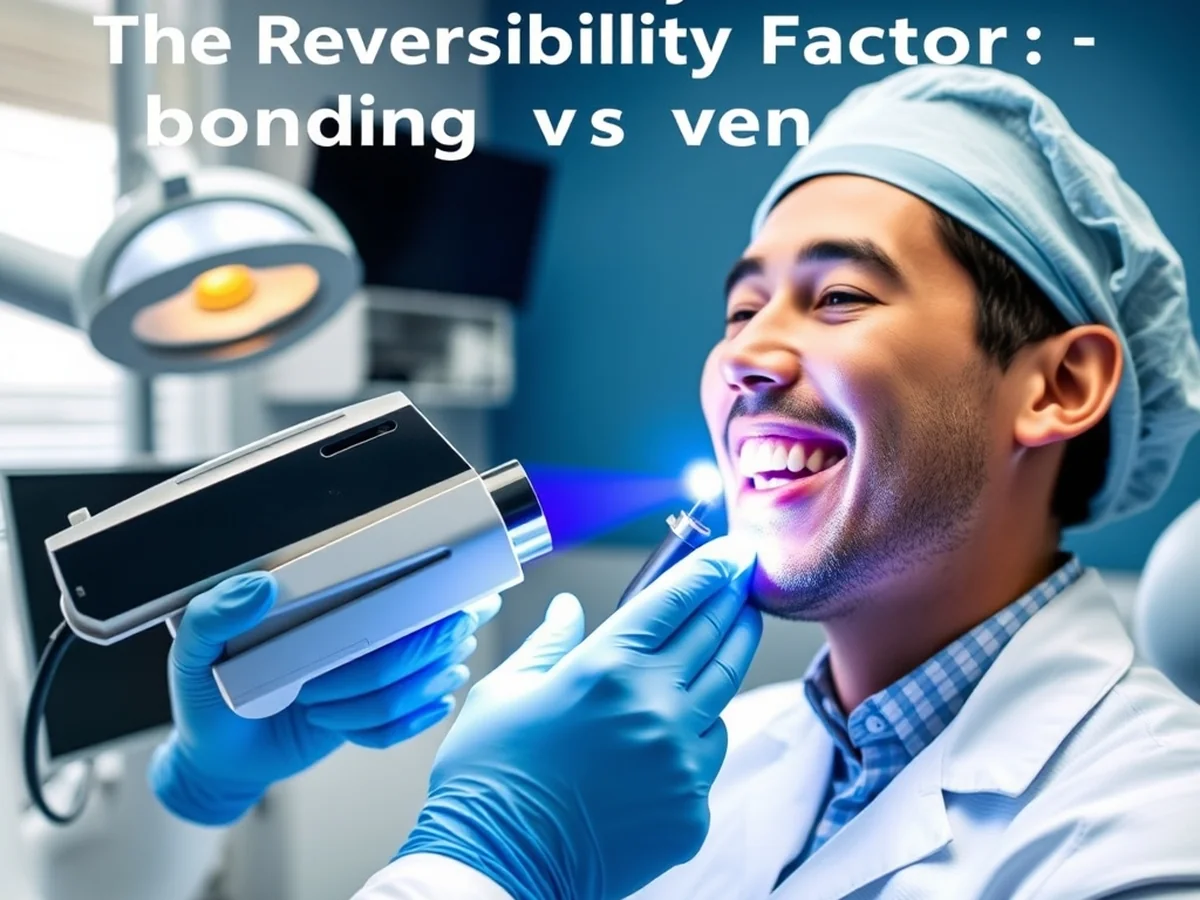
Dental bonding is a fully reversible procedure because it involves adding material directly to your teeth. Your dentist applies a composite resin to the surface and hardens it with a specialized light. Because no healthy tooth structure is removed, you can have the resin taken off in the future without damaging your natural smile.
In contrast, porcelain veneers are an irreversible commitment. To ensure a proper fit, your dentist must remove a thin layer of healthy enamel from the front of your teeth. This prep work is necessary to prevent the smile from looking bulky or unnatural. Once that enamel is gone, it cannot grow back. You will need to replace the veneers for the rest of your life.
When weighing Bonding vs Veneers, consider how much you value long-term flexibility. Many people choose bonding for a non-invasive start to their cosmetic smile makeover. It serves as a great trial run before committing to more permanent changes. If you are nervous about altering your natural teeth, the reversible nature of composite resin offers peace of mind.
Most patients find that removing the composite material takes about 30 minutes in the dental office. It is a quick process that leaves your underlying tooth structure completely intact. On the other hand, choosing veneers means you are locked into a lifetime of replacements. While porcelain offers superior stain resistance, the permanent loss of enamel is a significant trade-off to keep in mind.
Stain Resistance Comparison
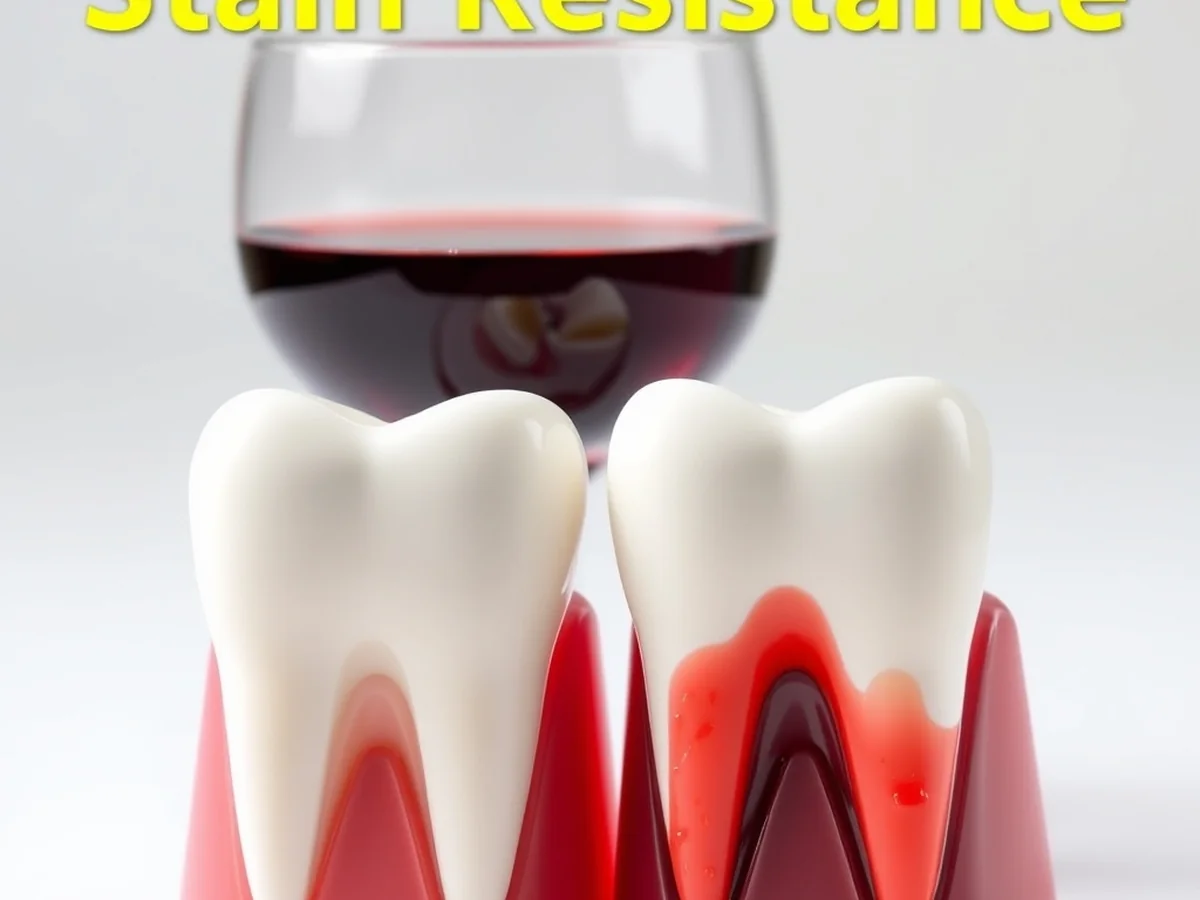
When considering Bonding vs Veneers, you must weigh how each material reacts to your daily habits. Porcelain is a glass-like ceramic that offers superior stain resistance against pigments found in coffee, black tea, and red wine.
Because the surface of porcelain is non-porous and smooth, it does not absorb color over time. It stays as bright as the day your dentist placed it. You can expect your porcelain surfaces to maintain their original shade for over 15 years with proper care.
Composite resin behaves differently because it is a porous material. While it looks natural, it acts like a sponge for food dyes. If you drink dark beverages daily, you will likely notice a slight yellowing or darkening of the resin after 3 to 5 years.
- Porcelain remains glossy and resistant to external pigments indefinitely.
- Composite resin may require professional polishing or replacement to keep its luster.
In my experience, patients who love morning espresso often prefer the durability of porcelain to avoid frequent touch-ups. If you choose the resin route, you should aim for a professional cleaning at the dental office every 6 months. This helps remove surface buildup before it penetrates the material. While the initial cost of dental bonding per tooth is often under $600, you should factor in the cost of future replacements if staining becomes an issue for your specific lifestyle.
Durability and Lifespan
When comparing Bonding vs Veneers, the main difference lies in how long each material stays intact. Composite resin bonding typically lasts between 5 and 7 years before it needs repair or replacement. Porcelain veneers are more robust and often stay in excellent condition for 10 to 15 years.
The material used creates this gap in longevity. Porcelain is a glass-like ceramic that resists stains and holds up well against daily wear. Composite resin is a plastic-based material that is porous. Over time, it can absorb pigments from coffee or red wine and lose its original luster.
Your lifestyle habits play a major role in how long your results last. If you grind your teeth at night, you put immense pressure on both options. This habit can cause composite to chip or crack quickly. You might need to invest about $300 per tooth for a bonding repair if you don’t wear a protective night guard.
High-impact activities like contact sports also threaten your smile aesthetics. A direct blow can fracture porcelain just like it would damage your natural enamel. While porcelain offers superior long-term maintenance, it is an irreversible process because a dentist must remove a thin layer of tooth structure. Bonding is minimally invasive and often reversible. You should weigh these factors carefully with your dentist to see if you prefer a quick, affordable fix or a lasting investment.
Investment and Costs
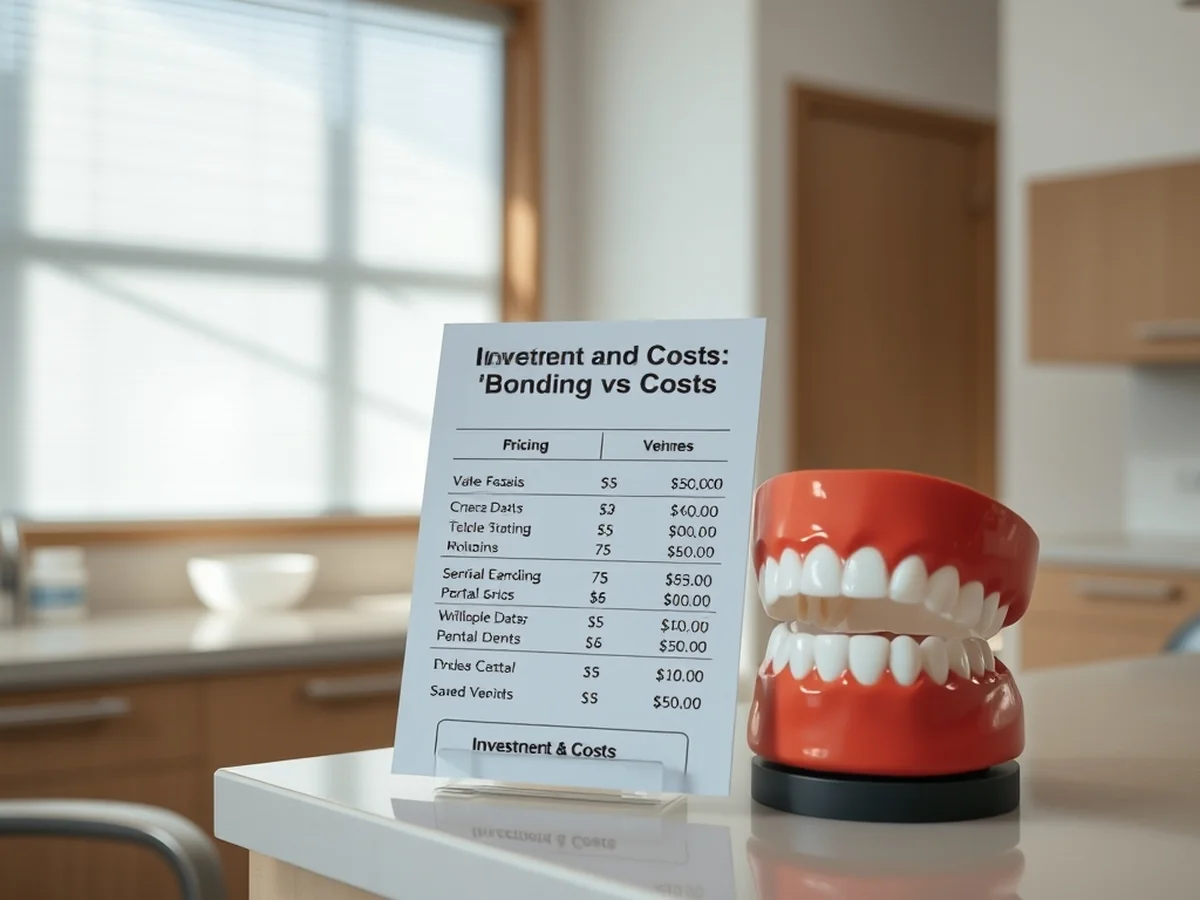
You will find that bonding vs veneers creates a clear divide in upfront pricing. Dental bonding usually costs between $300 and $600 per tooth. This lower price reflects the fact that it is a same-day service performed entirely in the dental office.
Your dentist applies composite resin directly to your teeth. They sculpt and harden the material using a special light. Because this process requires no lab work and very little tooth preparation, the labor costs stay low. You pay mostly for the time your dentist spends on chairside artistry.
Porcelain veneers cost significantly more because they involve a two-step process. Your dentist must take impressions, send them to a lab, and pay a technician to craft custom shells. This porcelain fabrication requires specialized equipment and multiple appointments. You are paying for the durability and high-end materials that resist stains better than resin.
Most dental insurance providers view these procedures as elective. They rarely cover the cost of dental bonding per tooth or veneer applications because they are strictly for aesthetic improvement. Insurance typically only pays for treatments that restore function or repair damage from decay.
- Budget for the full cost out of pocket before your first appointment.
- Ask your office about monthly payment plans if the price feels high.
- Check if your dental plan covers part of the exam or X-rays required for the procedure.
Choosing the Right Option
Deciding between Bonding vs Veneers depends on your specific goals for your smile. If you have minor chips or small gaps, composite resin is often the best fit. This treatment is minimally invasive and requires little to no removal of your natural enamel.
I usually suggest this for people wanting a quick fix that doesn’t change their entire bite. You can expect to pay around $300 to $600 per tooth for this service. Because the material is applied directly at the dental office, it is a great choice if you prefer a reversible procedure.
Choose veneers if you are planning a complete cosmetic smile makeover. These are ideal for significant color correction, changing the shape of your teeth, or fixing multiple spacing issues. Since they involve a custom porcelain shell, they offer superior stain resistance compared to composite resin.
Keep in mind that this process is typically permanent because the dentist needs to remove a thin layer of your natural tooth structure. You should consider these factors before making your final decision:
- Longevity: Porcelain shells often last 10 to 15 years with proper care.
- Aesthetics: Veneers provide a more natural, translucent look for full smile design.
- Maintenance: Good oral hygiene is essential for both, but porcelain is less likely to chip or discolor over time.
Think about your daily habits when choosing. If you drink a lot of coffee or play contact sports, talk to your dentist about how each material holds up to those lifestyle demands.
Maintenance and Care
Daily care keeps your smile bright regardless of your choice in Bonding vs Veneers. Both options require standard oral hygiene habits to prevent plaque buildup near the gum line.
Brush your teeth twice daily using a non-abrasive fluoride toothpaste. Avoid charcoal or heavy whitening pastes, as these can scratch the surface of composite resin. Floss at least once every night to clear debris from between your teeth. This prevents decay from forming at the edges where your restoration meets natural enamel.
When you compare composite resin vs porcelain veneers, remember that porcelain offers superior stain resistance. Composite material is porous and picks up pigments from coffee, red wine, and berries over time. If you choose resin, you should rinse your mouth with water after consuming dark beverages to keep your smile looking fresh.
Professional cleanings at a dental office are essential for long-term success. You should visit your dentist every 6 months for a professional polish. These checkups allow the professional to inspect your teeth for signs of chipping or structural wear. An average professional cleaning costs around $120 without insurance. Your provider can use special tools to gently polish the surface of your restorations without damaging the finish. Consistent care ensures your cosmetic work stays functional and attractive for many years.
FAQ
Does bonding require removing enamel?
Dental bonding typically requires little to no removal of your natural tooth structure. Your dentist simply roughens the surface to help the composite resin stick, keeping your original tooth mostly intact.
Are veneers permanent?
Porcelain veneers are considered permanent because your dentist must remove a thin layer of your enamel to fit them properly. Once this layer is gone, you will always need a restoration to cover the sensitive tooth surface.
Which option handles stains better?
Porcelain is highly resistant to stains and maintains its color for many years. Composite resin is porous and can pick up pigments from coffee or wine over time, which makes it less ideal for heavy coffee drinkers.
Is there physical discomfort during the process?
Most patients find the procedure for Bonding vs Veneers quite comfortable. Since bonding is minimally invasive, you often do not need anesthesia, while veneer placement may involve mild sensitivity for a few days afterward.
Can whitening replace the need for veneers?
Teeth whitening works well if you only want to brighten your natural tooth color. However, whitening cannot fix chips or gaps, which is where veneers or bonding provide a better cosmetic smile makeover.
How much does bonding cost?
The average cost of dental bonding per tooth ranges from $300 to $600. This is significantly less than porcelain options, though you should expect to replace or touch up the resin every 5 to 7 years.
Making Your Decision
Choosing between Bonding vs Veneers depends on your specific budget and long-term aesthetic goals. If you want a quick, affordable fix for a minor chip, composite resin is often the right choice. These treatments usually cost around $300 to $600 per tooth. They offer a simple way to improve your smile without removing healthy enamel.
Think about your daily lifestyle before you commit. Porcelain shells provide superior stain resistance for heavy coffee drinkers. However, they are a permanent investment since a dentist must remove some tooth structure to fit them correctly. Composite options are less durable and may require repair after 5 years, but they are fully reversible.
You should prioritize your oral hygiene habits when evaluating these options. Porcelain surfaces resist wear better than composite resin. If you play contact sports or grind your teeth, you might face more frequent chipping with composite materials. Your choice should balance your desire for a perfect cosmetic smile makeover with the reality of daily maintenance.
Consult Your Dentist
Every person has a unique tooth structure that changes how these materials will look and last. A professional dentist can assess your bite and identify any underlying health issues. They will use shade matching to ensure the final result looks natural. Schedule a consultation at a local dental office to discuss your needs. They can provide a personalized plan that helps you feel confident in your final smile design.
For another perspective, this detailed piece on Teeth Bonding vs Veneers: Compare Benefits & Costs is worth a read.
You might also like: Dental Veneers Cost Guide: What Really Determines the Price