Power Chain Braces: How They Work and What They Cost
Introduction
Chain braces are a series of connected rubber bands that stretch over your orthodontic brackets to pull teeth into proper alignment. Orthodontists use this continuous elastic to apply constant pressure for closing stubborn teeth gaps.
You might notice these rubber chains after your initial leveling phase. They function differently than standard O-rings because they provide a continuous force across multiple teeth at once. This constant tension helps fix malocclusion more efficiently than individual bands. In my experience, most patients wear these for about 4 to 8 months depending on their specific treatment goals.
This guide explains how this rubber chain works and what you can expect during your adjustment appointments. We also look at the typical power chain braces cost, which often ranges from $200 to $500 added to your total treatment plan. Whether you are worried about discomfort or how to keep your teeth clean, these details will help you navigate your orthodontic journey with confidence.
How Power Chains Work
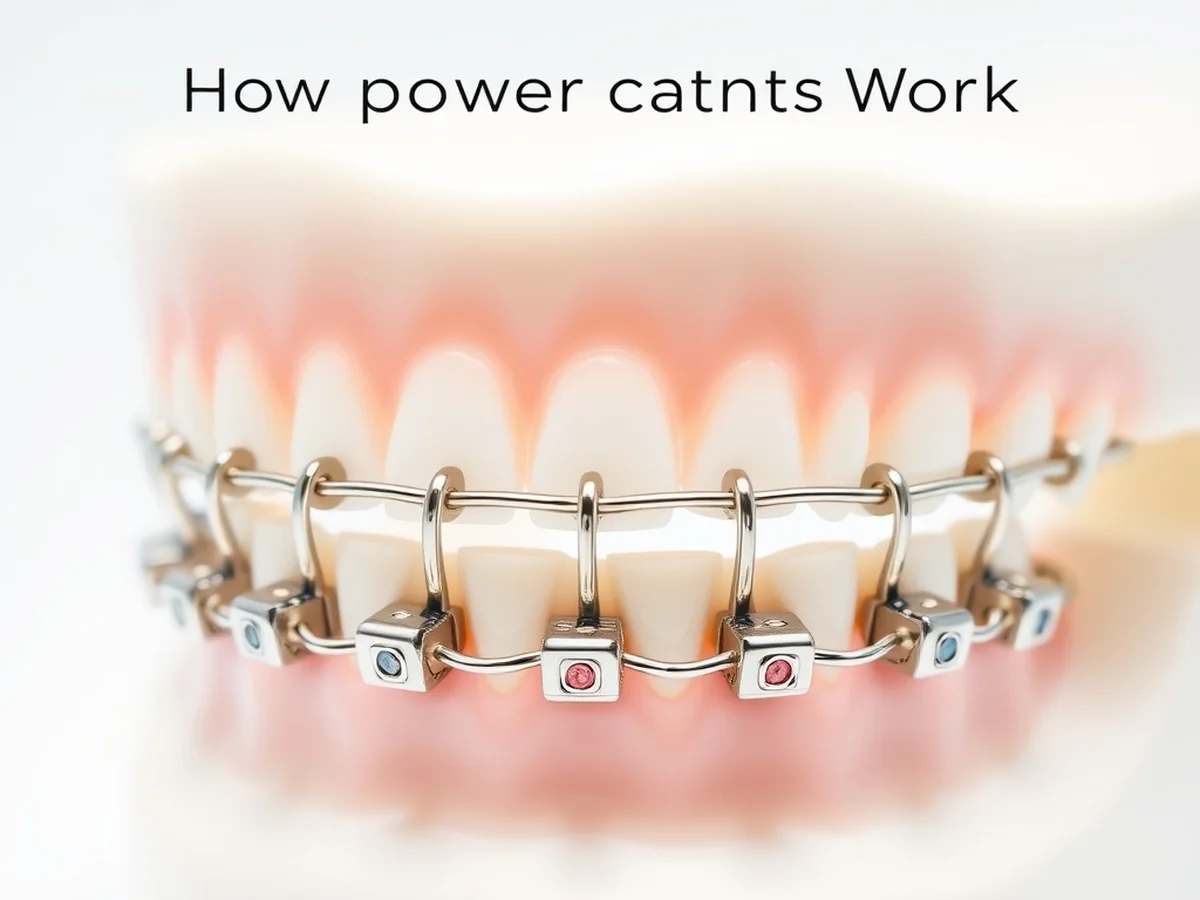
These devices move teeth by using a continuous elastic band that connects your orthodontic brackets. Unlike individual O-rings, this rubber chain acts as a single unit to pull teeth closer together.
The material relies on its elastic memory to function. When the orthodontist stretches the links over your brackets, the material naturally wants to snap back to its original, smaller shape. This creates a steady pull on your teeth. Because the chain is linked, it exerts a consistent force across the entire row of brackets rather than just one tooth at a time.
This steady pressure is what actually closes gaps. Your orthodontist hooks the chain onto the archwire or directly over the bracket wings. Because the force is constant, it helps speed up the alignment process compared to using separate elastics. You might feel more tension in the first 24 hours after your adjustment as the material pulls against your teeth.
I’ve noticed that most people see noticeable gap closure within about 6 to 8 weeks of consistent wear. While these Chain Braces are efficient, they do lose some of their elasticity over time. That is why your orthodontist replaces them at every visit to ensure the pressure remains effective for your specific tooth alignment goals.
Treatment Timeline
Most patients wear Chain Braces to close gaps for a period of 6 to 12 months. This duration depends on the size of your spaces and how quickly your bone reacts to the orthodontic tension. You will likely see noticeable progress within the first 4 weeks of consistent wear.
Your orthodontist adjusts the pressure during your regular checkups. Because the rubber chain loses its elastic memory over time, your provider replaces the entire segment at every visit. This ensures the force remains steady to pull your teeth together effectively.
During these sessions, your doctor performs several steps:
- Removing the old, stretched elastic band from your orthodontic brackets.
- Cleaning the archwire to ensure smooth movement.
- Measuring the distance between teeth to determine the required pull.
- Securing a fresh elastic chain over the hooks for the next 6 weeks.
Each adjustment feels tighter than the last. This sensation confirms the teeth are moving toward their new positions. If you experience significant soreness, it usually fades within 48 hours as the tissue adjusts to the new pressure. Always keep your follow-up appointments, as skipping them allows the elastic to lose its effectiveness, which stalls your tooth alignment progress.
Managing Chain Braces Discomfort
You will feel extra pressure after your orthodontist attaches a new rubber chain to your brackets. This tension is normal because the continuous elastic force is actively pulling your teeth to close gaps. It shows the treatment is working as planned.
The discomfort usually peaks within the first 24 hours after your visit. You can manage this soreness at home without needing strong medication. Try a warm saltwater rinse to soothe irritated gum tissue. Mix one half teaspoon of salt into eight ounces of warm water and swish gently.
Cold packs are also effective for numbing the area around your orthodontic brackets. Hold a small ice pack against your cheek for ten minutes at a time. This helps reduce inflammation around the archwire. Avoid eating hard or crunchy foods during this period, as they can put unnecessary strain on the elastic material.
If the Chain Braces feel sharp against your inner lip, use a small amount of orthodontic wax to cover the area. This creates a smooth barrier between the elastic band and your soft tissue. Most patients find that the sensitivity fades completely within three days. If the pain persists longer, contact your office to ensure the tension level is appropriate for your specific tooth alignment needs.
Cleaning Chain Braces
You must keep your Chain Braces clean to prevent plaque buildup around the continuous elastic band. Food particles often get stuck between the links as you eat throughout the day.
Use a floss threader to guide dental tape under the archwire and behind the rubber chain. This tool helps you reach the gum line where bacteria hide. If you do not floss, you risk white spots appearing on your teeth after your orthodontist removes the hardware.
To remove food trapped between the links, try an interdental brush. These small brushes are perfect for reaching tight spaces around orthodontic brackets. Pick a size like 0.6mm to ensure it fits comfortably between your teeth without damaging the elastic material. Gently move the brush back and forth to dislodge stubborn debris.
A water flosser is another helpful tool for keeping your teeth clean. Aim the stream of water at the gaps between your teeth and the elastic. This pressure helps clear out residue that standard brushing misses. Stick to a routine of cleaning after every meal to keep your mouth healthy during your gap closure phase. Proper hygiene protects your tooth enamel and keeps your treatment moving on schedule.
Foods To Avoid With Chains
You should skip certain items to keep your Chain Braces looking clean and intact. These elastic bands attract pigment easily, which leads to visible discoloration before your next visit.
Avoid dark liquids like coffee, black tea, and red wine. Foods heavy in yellow spices, specifically curry and turmeric, will stain a clear or light grey rubber chain almost instantly. If you cannot skip these, rinse your mouth with water right after eating.
You also need to protect the orthodontic tension from sudden snaps. Hard, crunchy foods like popcorn, corn on the cob, and raw carrots can pop an elastic link off your orthodontic brackets. Even a single kernel can force a break in the continuous material.
* Sticky candies like taffy or caramel
* Hard nuts and seeds
* Tough meats that require heavy chewing
* Crunchy chips or ice cubes
If you have a malocclusion, your orthodontist might use a thicker band that feels more rigid. Even with these, you should cut your food into small pieces no larger than 1 inch to avoid putting stress on the archwire. Being careful with your diet helps maintain the strength of the elastic material until your next professional adjustment.
Picking Your Colors
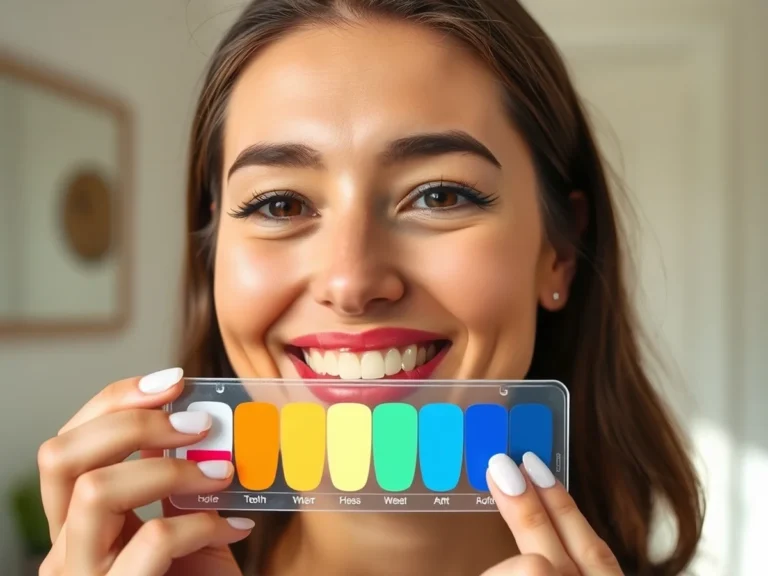
You can absolutely choose the colors for your Chain Braces at each adjustment appointment. Most offices offer a wheel of at least 20 different shades, ranging from subtle clear or silver to bright neon tones.
Selecting a new color makes the orthodontic journey feel much more personal. It turns a clinical appliance into a fun fashion statement that reflects your style. You might pick colors to match your school spirit, a specific holiday, or just your favorite shirt.
Changing your bands is a simple part of the process. Your orthodontist removes the old rubber chain and snaps a fresh one over your orthodontic brackets during your visit. This quick update takes less than 5 minutes to complete.
If you want a low profile look, stick with silver or clear elastics. These blend in well with your metal archwire. Keep in mind that clear bands can show stains from coffee or curry faster than darker colors. If you prefer a bold look, navy blue or forest green are popular choices because they make your teeth look whiter. You can even mix two colors on the same arch if you feel creative. This simple customization helps you feel more in control of your treatment.
Cost Breakdown
Most patients find that Chain Braces are included in their total orthodontic package. Your orthodontist typically factors the cost of these elastic supplies into your initial treatment plan. You likely signed a contract covering all orthodontic brackets, archwires, and necessary hardware at the start of your journey.
Because these supplies are part of the standard toolkit used for tooth alignment, you rarely pay an additional fee for each appointment. Your monthly payment covers the ongoing tension needed to close gaps between teeth effectively.
In rare instances where a provider bills for these items separately, the cost for a single application usually falls between $50 and $150 per arch. This price often reflects the specialized labor involved in attaching the rubber chain to your metal components.
Always review your original financial agreement to confirm what is covered. If you require extra changes or repairs due to breakage from hard foods, some offices might charge a small maintenance fee. Most practitioners prefer to keep the process simple by bundling the cost into your overall bite correction fee. This avoids surprise bills while you work toward your final smile goals.
Common patient questions
A standard elastic band fits around a single bracket to hold the wire in place. In contrast, Chain Braces consist of a continuous rubber chain linked together. This design exerts constant pressure across multiple teeth to close gaps more efficiently than individual rings.
You might feel more tension when your orthodontist switches you to this continuous material. This is normal as the device applies steady force to pull teeth into alignment. If you experience discomfort, rinsing with warm salt water often helps soothe your gums.
If you notice a broken link, call your orthodontist office promptly. A snapped link stops the orthodontic tension needed for tooth movement, which could delay your treatment progress. Most offices can fit you in for a quick repair within 24 hours.
Regarding your budget, many practices include these supplies in your total treatment plan. If charged separately, you might see a fee of around $50 per visit for specialized adjustments. Because these chains trap food more easily than regular O-rings, use a floss threader daily to keep your brackets clean.
- Inspect your chain every morning for loose attachments.
- Avoid sticky foods like caramel to prevent breakage.
- Brush gently around the links to avoid snagging the rubber.
Benefits of treatment
The main purpose of these elastic bands is to close teeth gaps much faster than individual O-rings. By connecting your orthodontic brackets with a continuous rubber chain, your orthodontist applies consistent force across several teeth at once. This constant pressure is highly efficient for pulling teeth together or correcting minor alignment issues.
Using Chain Braces provides several advantages during your orthodontic journey:
- Faster gap closure compared to traditional elastic ties.
- More predictable tooth movement across a larger section of the archwire.
- Customization options, as the rubber chain comes in various colors to match your style.
While the added orthodontic tension might feel slightly more intense for the first 24 hours, it is a sign that your treatment is progressing. Most patients find that the sensation fades quickly as the teeth begin to shift. If you are worried about the cost, keep in mind that these are typically included in the total treatment plan rather than being a separate $200 add-on. Keep your focus on the final result, which is a straight, healthy smile. Visualizing your new smile makes the temporary pressure and the need for extra flossing feel like a small price to pay for long-term success.
For another perspective, this detailed piece on Power Chain For Braces Orthodontic is worth a read.
You might also like: Crooked Teeth Correction: Your Complete Guide to a Straighter Smile