Why Are My Teeth Chipping? Causes, Treatment and Prevention
Introduction
A chipped tooth occurs when a fragment of the tooth enamel breaks off, often due to physical trauma or structural weakness. Understanding common chipped tooth causes is essential for identifying why this damage happened and how to prevent it from worsening.
This article explores the primary reasons teeth fracture, from mechanical stress to underlying dental issues. You will learn about the risks associated with ignoring these breaks, effective first aid steps to take immediately following an injury, and various professional treatment options available to restore your smile. Whether you are dealing with a minor cosmetic edge or a painful structural injury, this guide provides the clinical context needed to manage your dental health effectively and seek appropriate care.
Structural Weaknesses Leading to Chips
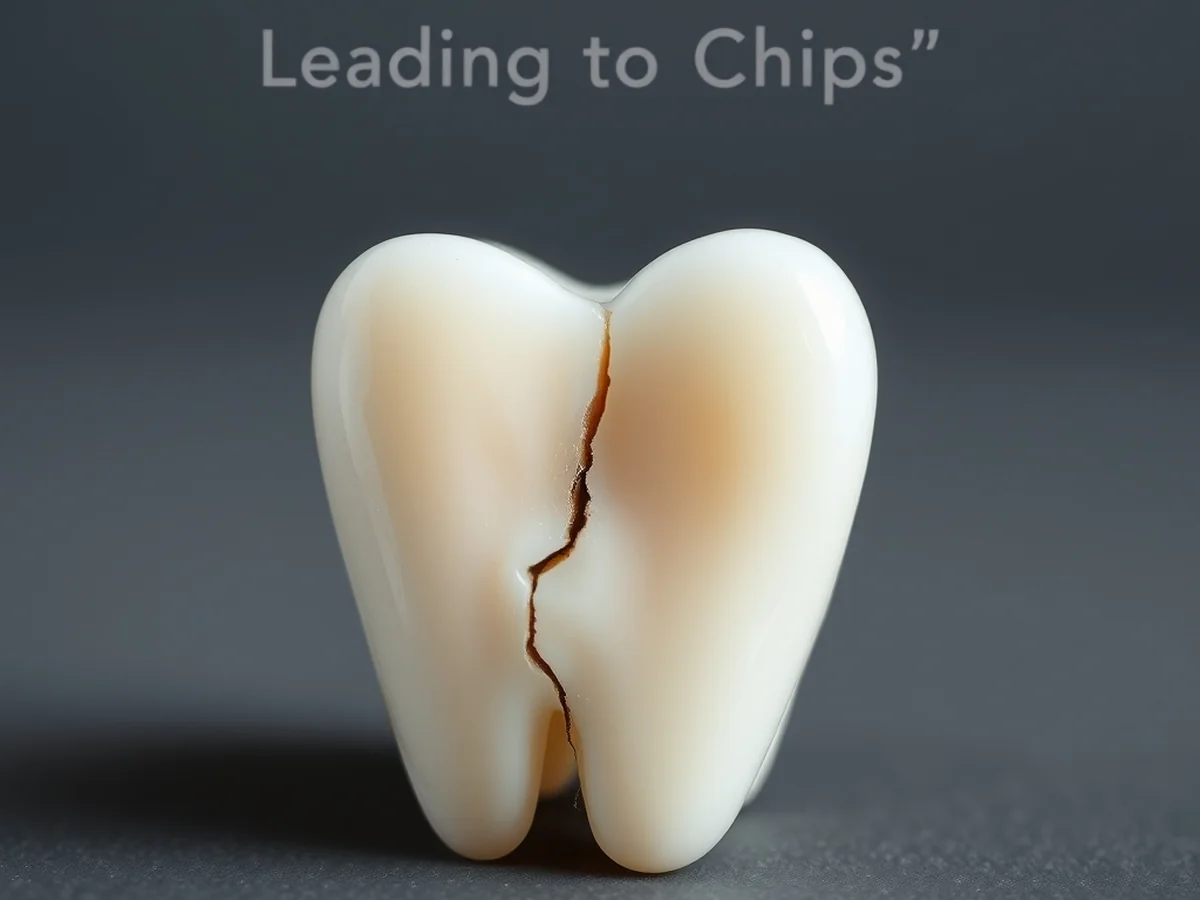
A chipped tooth occurs when a fragment of the tooth enamel breaks off. This process typically happens when the structural integrity of the tooth is compromised, leaving the hard outer shell vulnerable to fractures under pressure.
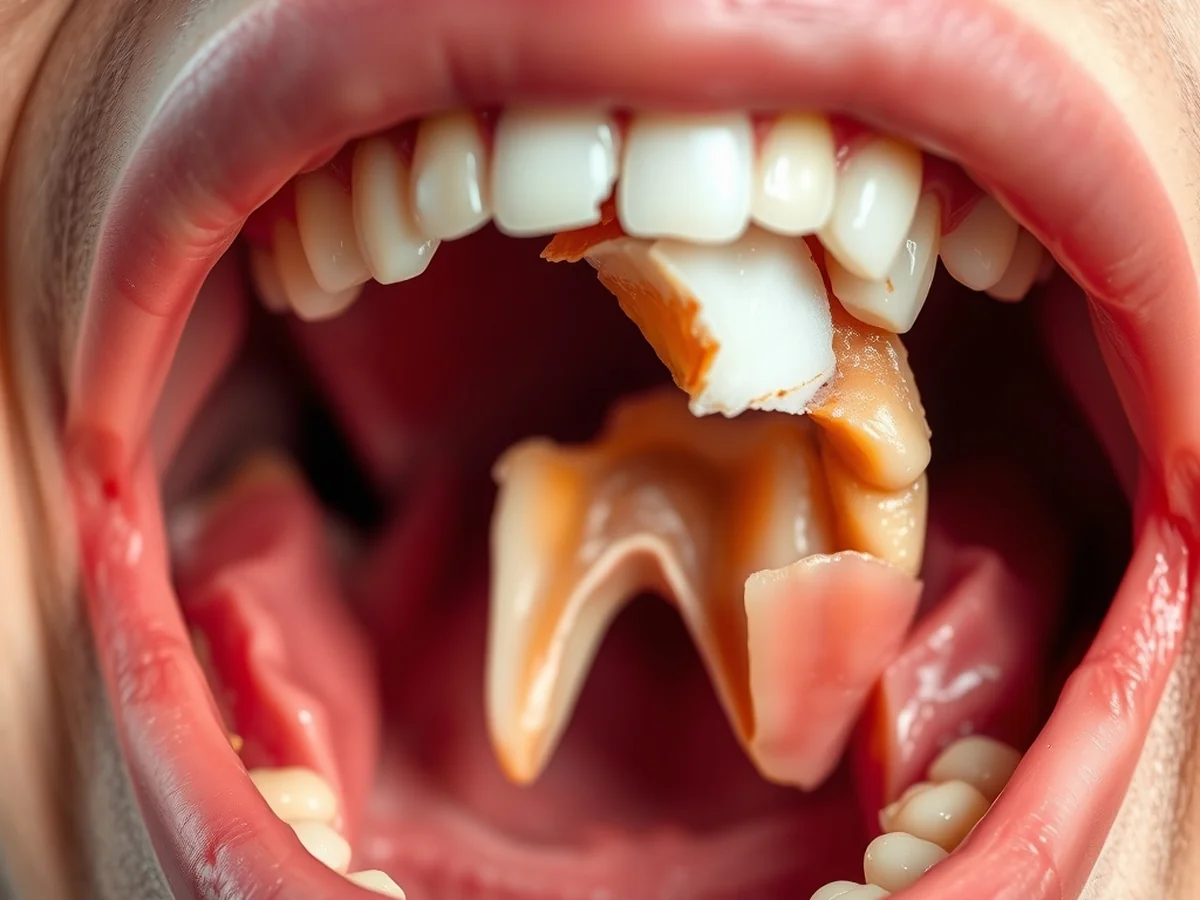
Understanding the anatomy of a tooth helps clarify why some breaks result in no discomfort while others cause significant pain. The outer layer, dental enamel, provides a protective shield for the softer, sensitive inner tissues known as dentin and pulp. When a chip remains confined to the enamel, you might notice only a jagged edge. However, if the break extends deeper into the dentin or exposes the pulp, the tooth loses its natural protection.
Several factors often contribute to these structural failures:
- Teeth grinding, or bruxism, acts as a common factor that weakens tooth enamel over time.
- Large existing dental fillings or restorations can make teeth more susceptible to fractures.
- Major chips that expose sensitive inner tissue can lead to tooth infections if left untreated.
Common guidance suggests that large chips exposing the internal nerve may also lead to increased tooth pain and heightened sensitivity.
Common Medical and Physical Chipped Tooth Causes
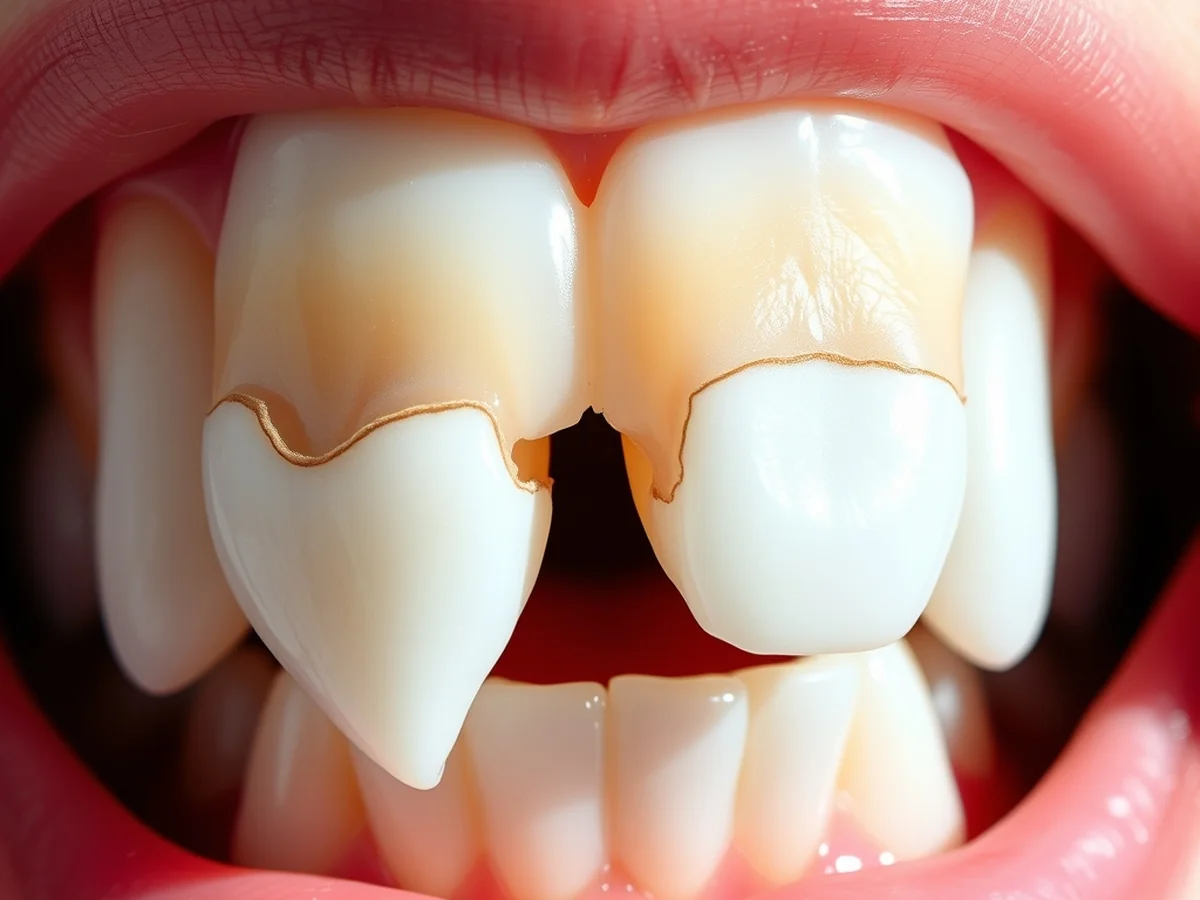
A chipped tooth occurs when a fragment of the tooth enamel breaks off. While accidents are common, specific medical conditions and physical stresses also frequently lead to this type of dental damage.
- Teeth grinding, clinically known as bruxism, is a verified cause of weakened dental enamel leading to chips over time.
- Large existing dental fillings or restorations can make teeth more susceptible to fractures due to compromised structural integrity.
- Biting down on hard objects like ice, pens, or hard candies can easily cause a tooth to chip or fracture.
- Sports injuries and sudden impacts to the face are frequent physical contributors to enamel loss.
- Untreated dental decay can weaken the structural foundation of a tooth, making it significantly more prone to breaking during normal chewing.
Why Did My Tooth Chip for No Reason?
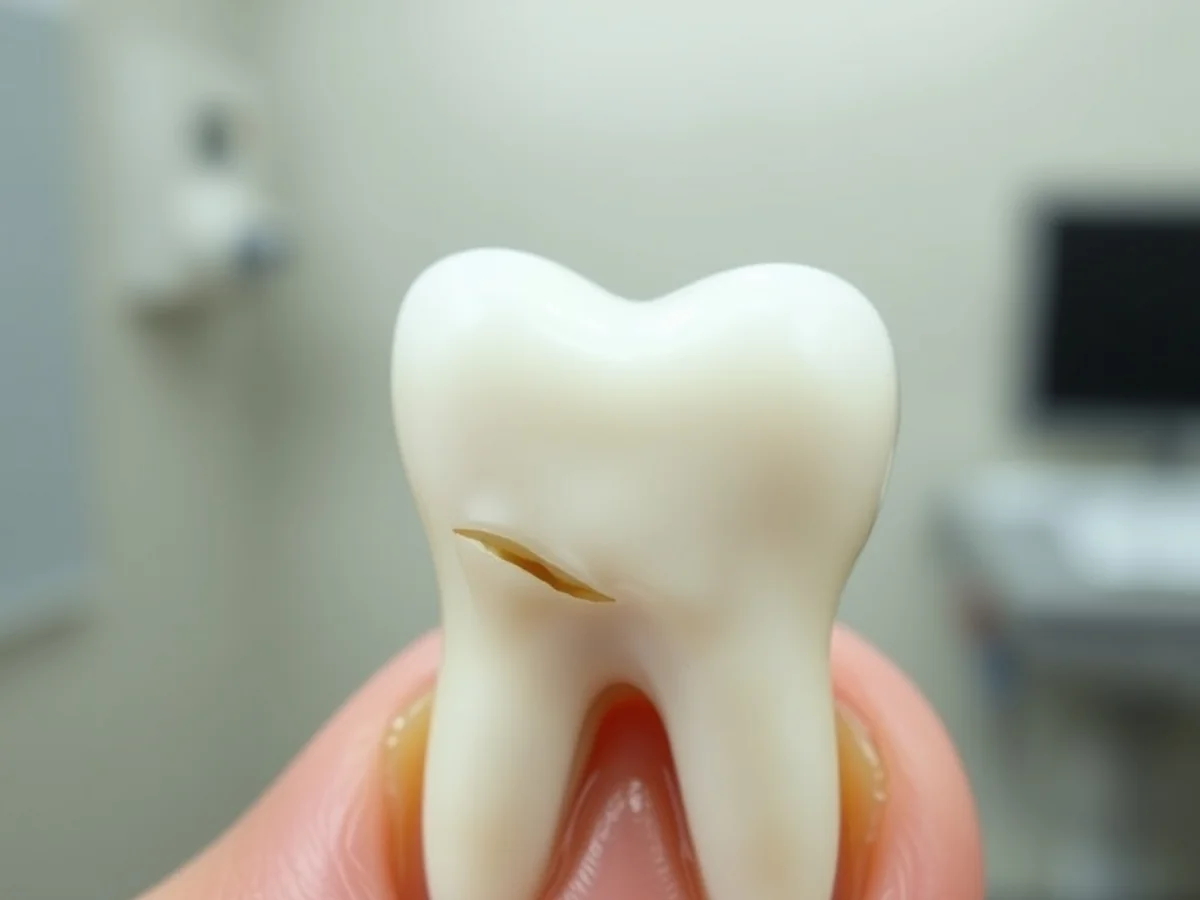
A chipped tooth occurs when a fragment of the tooth enamel breaks off, often appearing to happen suddenly without any clear physical trauma. While the fracture might seem spontaneous, it is usually the result of long-term structural issues rather than a single event.
Hidden stress often accumulates within the tooth structure over time. Factors that contribute to this silent weakening include:
- Structural fatigue from years of biting and chewing forces.
- Minor, untreated decay that compromises the integrity of the tooth.
- Progressive weakening of the enamel, which can be accelerated by habits like bruxism.
When teeth have large existing dental fillings or other major restorations, they become significantly more susceptible to these fractures. The remaining natural tooth structure may eventually reach a breaking point during normal chewing, causing a piece to snap off unexpectedly. Because this damage develops internally, many patients notice the chip only after the structural integrity has already been compromised.
Immediate First Aid and Self-Care After a Dental Chip
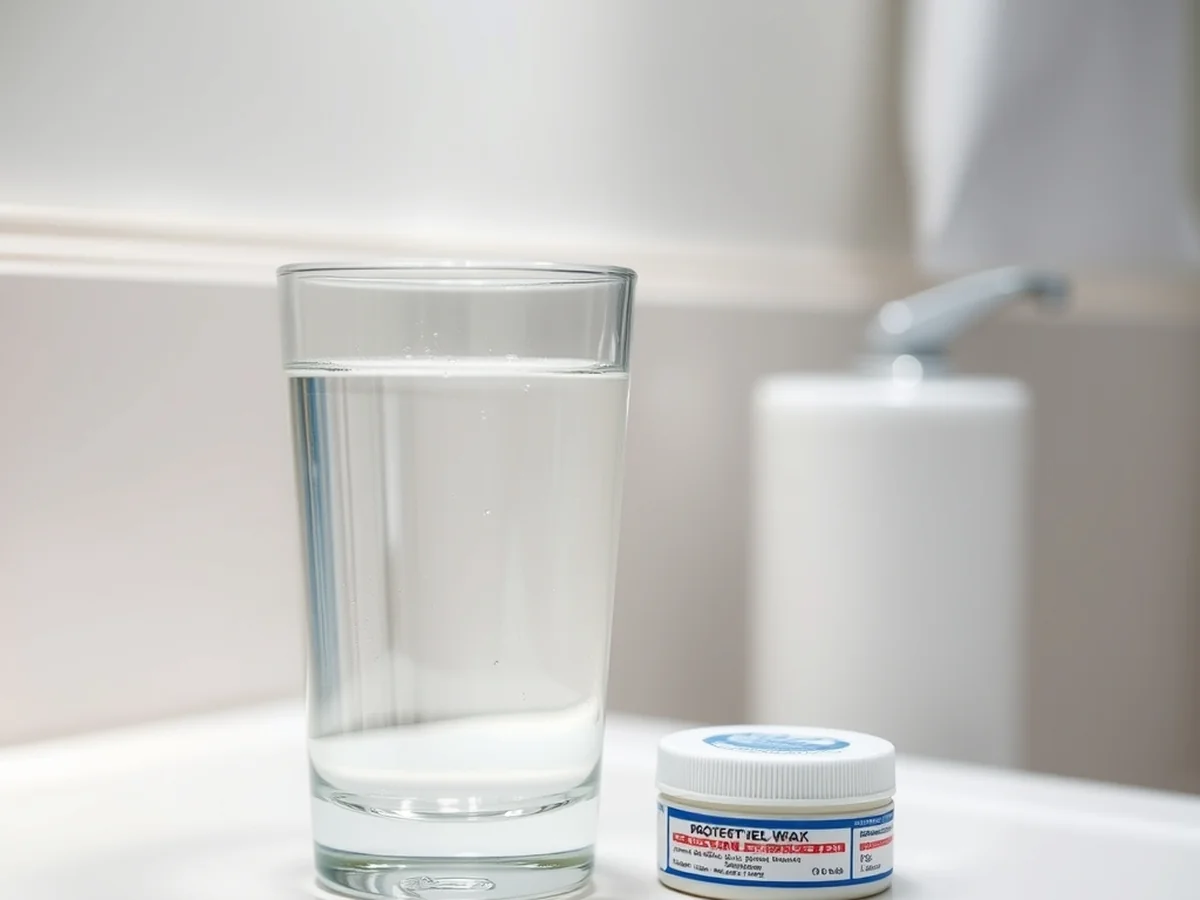
A chipped tooth occurs when a fragment of the tooth enamel breaks off. Taking prompt and appropriate action helps protect your oral health until you can see a professional. Prioritize cleanliness and comfort while avoiding any attempts to fix chipped tooth at home, as improvised methods often worsen the damage or introduce unwanted bacteria.
- Rinse your mouth gently with warm water to cleanse the area and remove any loose debris.
- Keep any broken tooth fragments, as your dentist may be able to use them or assess them to understand the nature of the fracture.
- Apply a cold compress to the outside of your cheek or lip to manage any swelling near the affected area.
- Stick to a diet of soft foods and avoid biting down on the damaged tooth to prevent further structural stress.
- Refrain from using any unapproved adhesives, glues, or DIY tools to patch the damage, as these can cause permanent harm to the remaining tooth structure.
- Contact your dental office promptly to schedule an evaluation, especially if the chip has caused sharp edges or sensitivity.
Is a Chipped Tooth an Emergency? Assessing Severity
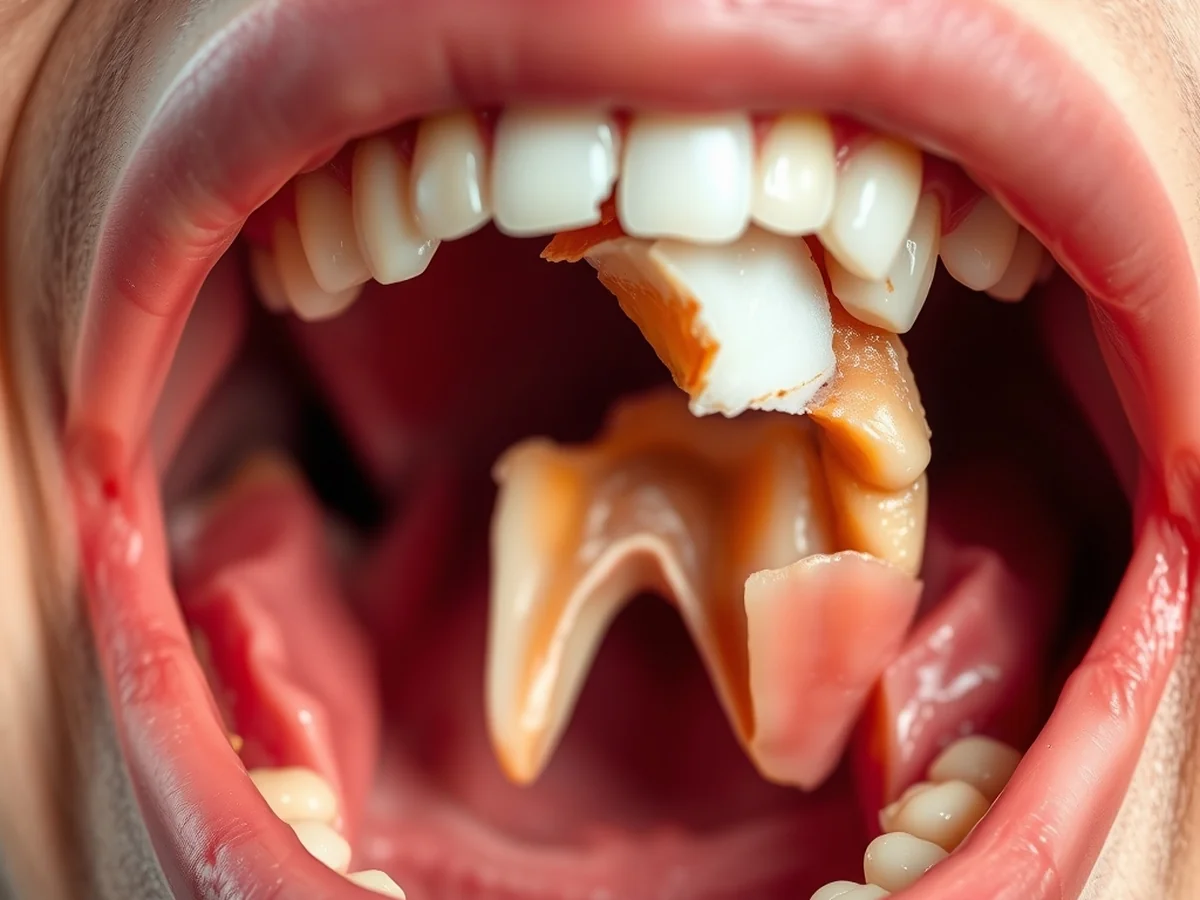
Whether a chip requires immediate intervention depends on the extent of the damage. While a minor surface flaw is rarely an emergency, larger breaks that expose the internal nerve or sensitive inner tissue require prompt professional attention.
A chipped tooth occurs when a fragment of the dental enamel breaks off. Understanding the difference between a cosmetic surface flaw and a deep structural break helps you decide when to seek urgent care. You should prioritize seeing a dentist if you experience significant pain or sensitivity, as these symptoms often indicate that the pulp or nerve is compromised.
When assessing the severity of the damage, consider these factors:
- Large chips exposing the internal nerve can lead to increased tooth pain and sensitivity, requiring urgent attention.
- Major chips that expose sensitive inner tissue can lead to tooth infections if left untreated by a dental professional.
- Minor chips are often cosmetic and may be addressed through routine care, such as buffering sharp edges.
Identifying the specific chipped tooth causes is a vital step in preventing further damage to your smile.
Chipped Tooth Treatment Options and Professional Repairs
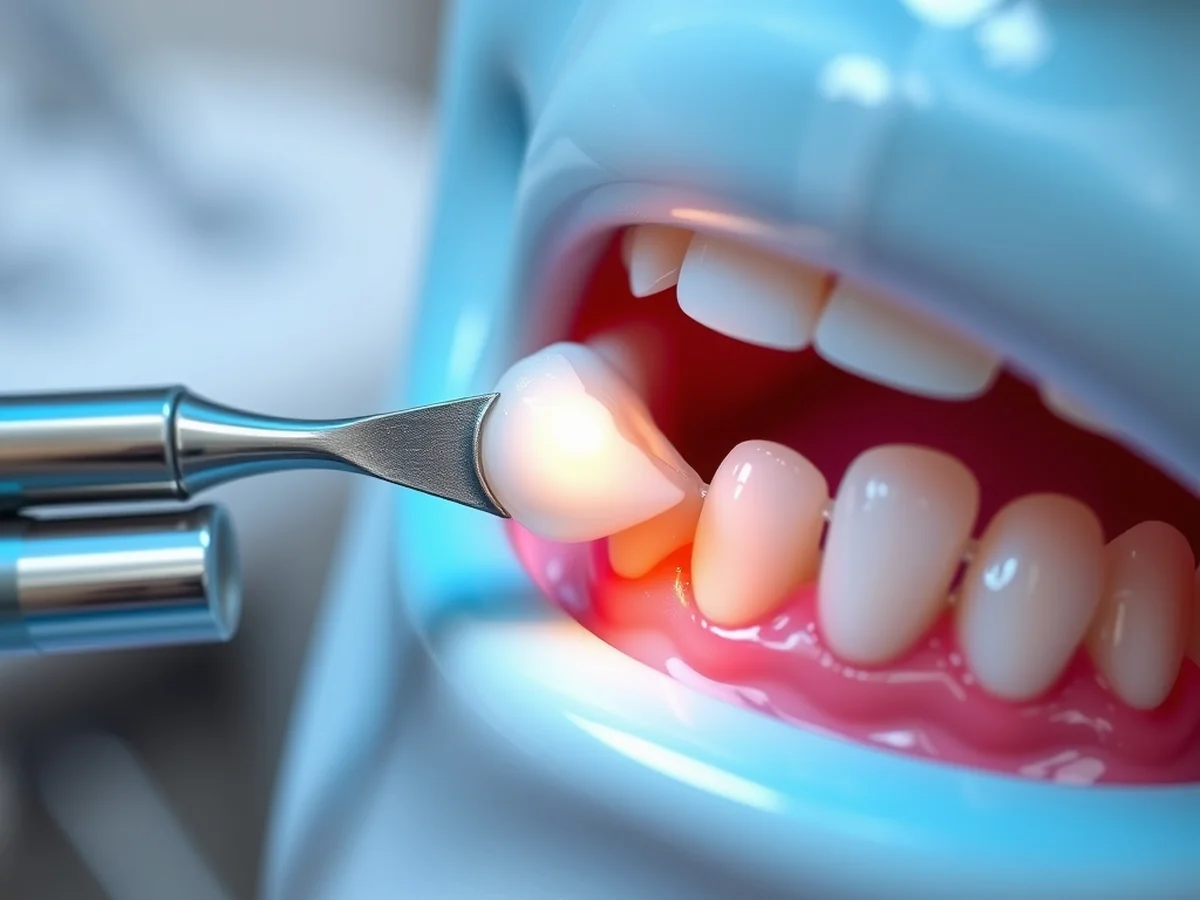
Professional care for a damaged tooth depends on the extent of the enamel loss and the location of the break. Common dental practice for minor chips often involves buffering the jagged edges to smooth the surface safely, which prevents irritation to the tongue and cheeks.
| Treatment Type | Primary Use | Material |
|---|---|---|
| Dental composite bonding | Small cosmetic repairs | Tooth-colored resin |
| Porcelain veneers | Front tooth aesthetics | Thin porcelain shell |
| Dental crowns | Severe structural damage | Porcelain or metal |
For more involved cases, dental composite bonding is a standard treatment option for repairing chips using tooth-colored resin to restore the natural appearance of the smile. When damage is severe, dentists may use dental crowns to protect the remaining tooth structure. Other restorative solutions such as porcelain veneers are frequently used for fixing cosmetic chips on front teeth, while dental onlays are typically employed to cover larger damaged areas of a tooth. These interventions help prevent further complications, as major chips that expose sensitive inner tissue can lead to infections if left untreated.
Restoration Methods for Damaged Teeth
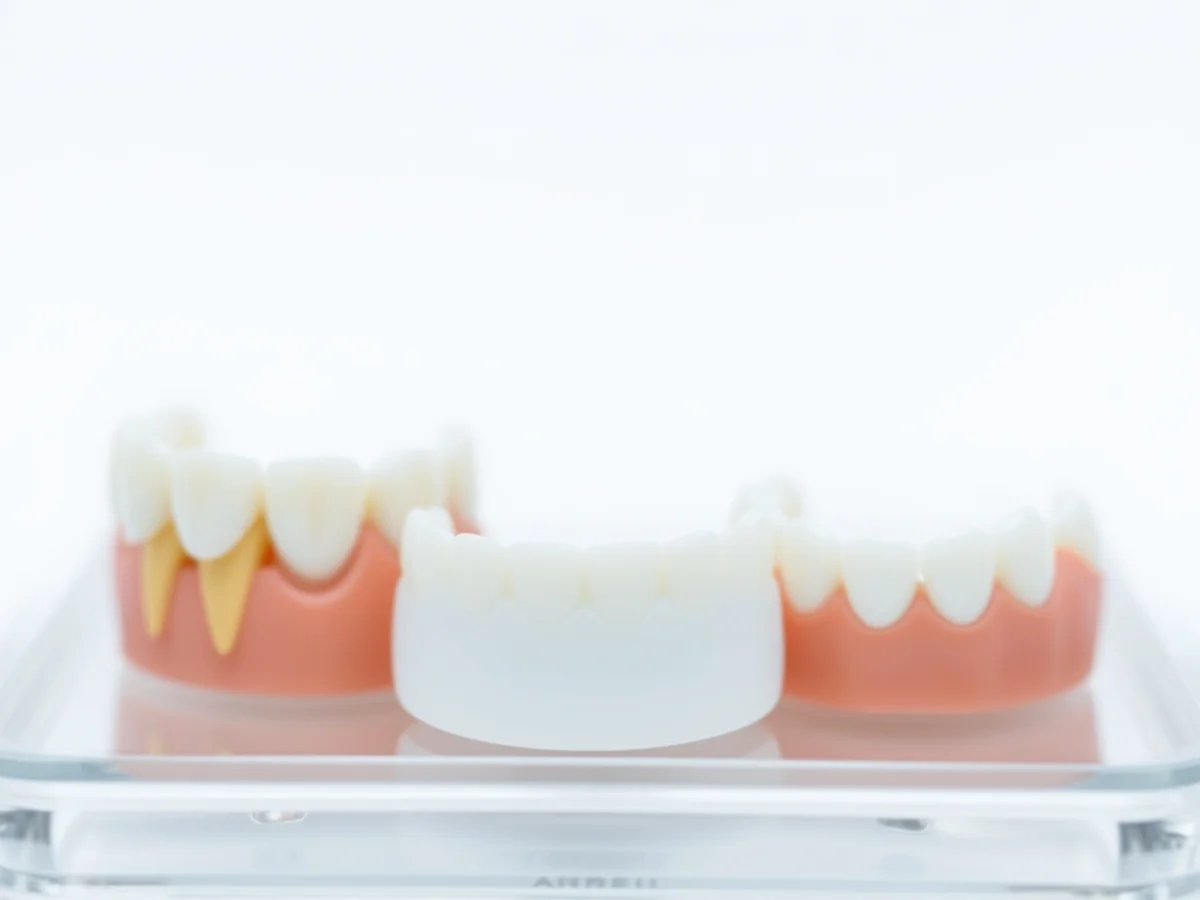
Dental bonding, porcelain veneers, and dental crowns each repair chipped teeth in a way that matches the amount of structure that is missing.
| Restoration | Typical Use | Durability | Cosmetic Result |
|---|---|---|---|
| Dental bonding | Minor enamel smoothing | Moderate; may need touch‑ups | Natural shade, blends well |
| Porcelain veneers | Cosmetic chips on front teeth | High; resistant to staining | Highly aesthetic, mimics enamel |
| Dental crowns | Severe loss requiring full coverage | Very high; protects remaining tooth | Matches tooth color, restores shape |
Each option addresses a different degree of structural loss, from a simple edge polish with bonding to full crown coverage for extensive fractures.
Long-Term Prevention and Oral Hygiene Habits
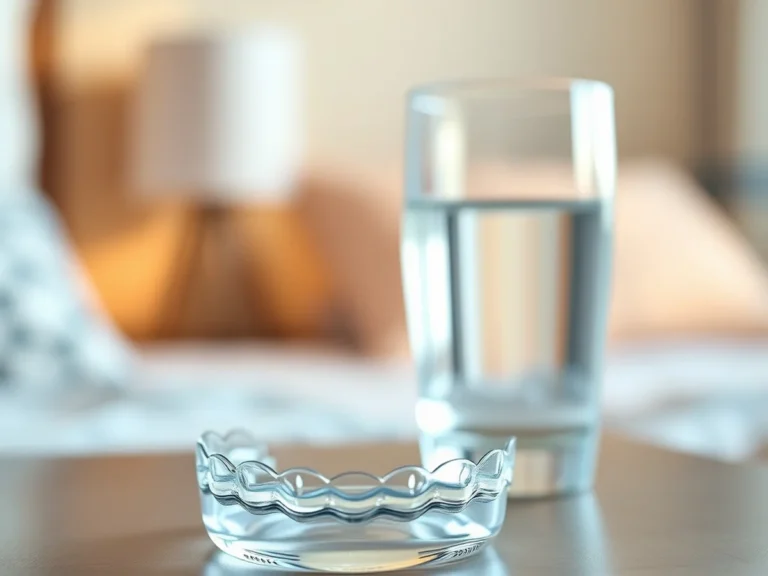
- Wear a custom-fitted night guard if you suffer from bruxism to prevent the damage that grinding causes to your enamel.
- Avoid biting down on hard items like ice, popcorn kernels, or hard candies that can easily cause a sudden fracture.
- Maintain a thorough oral hygiene routine to prevent dental caries from developing and weakening the underlying tooth structure.
- Schedule regular dental checkups so professionals can monitor the status of existing restorations and identify early signs of wear.
- Inform your dentist if you notice changes in tooth sensitivity or sharp edges, as these are often early indicators of potential structural compromise.
Frequently Asked Questions About Chipped Teeth
Is a chipped tooth an emergency?
A chipped tooth is generally considered a dental emergency if you experience severe pain, bleeding, or if a large portion of the tooth has broken off. Major chips that expose sensitive inner tissue can lead to tooth infections if left untreated. It is recommended to contact a dentist promptly to prevent further structural damage.Can I fix a chipped tooth at home?
You cannot permanently repair a chipped tooth at home, as professional materials are required for a lasting result. Attempting to file or glue a tooth can cause permanent damage to the enamel and underlying tissue. It is standard practice to rinse the mouth with warm water as immediate first aid, but you should seek professional care for any permanent resolution.How much does the chipped tooth repair cost?
The financial investment for restoration varies significantly depending on the extent of the damage and the type of procedure required, such as dental bonding, porcelain veneers, or dental crowns. Your dentist will provide a specific estimate after examining the tooth and determining the necessary treatment.Why did my tooth chip for no reason?
A chipped tooth occurs when a fragment of the tooth enamel breaks off, which can sometimes feel like it happened for no reason. In reality, teeth grinding, also known as bruxism, is a cause of weakened tooth enamel leading to chips. Additionally, large existing dental fillings or restorations can make teeth more susceptible to fractures during normal chewing.The Importance of Professional Care
Prompt professional evaluation is essential for any chipped tooth to prevent pulpitis and infections. When a fragment of dental enamel breaks off, it can expose sensitive inner tissue, leaving the tooth vulnerable to bacteria. While minor chips may sometimes be managed by buffering jagged edges, a dentist must assess the structural integrity of the tooth to determine if deeper damage exists. Major chips that expose sensitive inner tissue can lead to tooth infections if left untreated. By seeking an early assessment, you can identify the underlying chipped tooth causes, address potential structural weaknesses from existing restorations or bruxism, and explore appropriate chipped tooth treatment options to restore both your oral health and your confident smile.
Conclusion
Managing a chip requires a combination of careful immediate self-care and timely professional intervention. Investigating the specific chipped tooth causes helps ensure your long-term oral health and prevents further damage to the remaining structure.
You might also like: Fix Brasssmile at Home: 7 Proven Methods That Work