
Brasssmile Causes: 10 Reasons Your Teeth Look Brassy
Staining From Acidic Foods
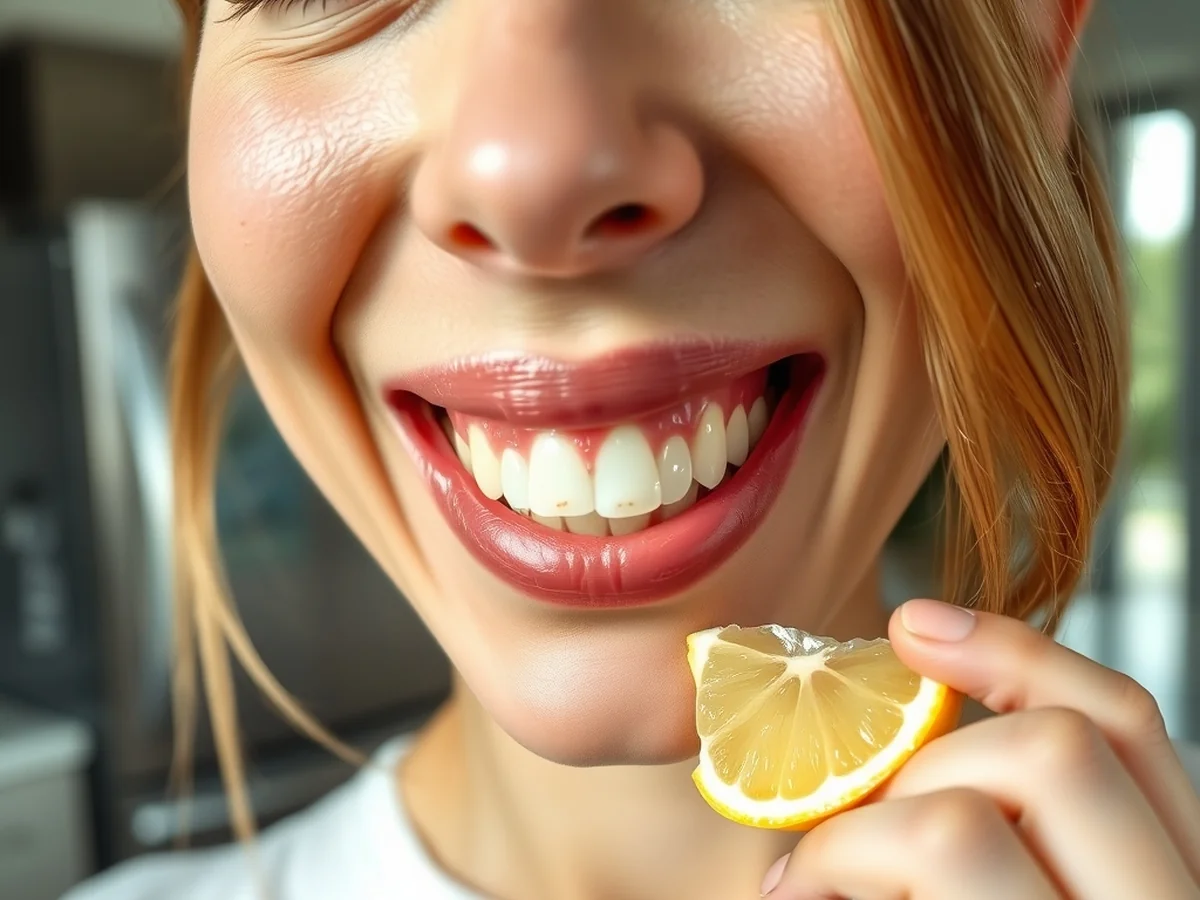
Acidic foods are one of the most common causes of a brassy smile. While standard yellowing often happens over time, a brassy tone occurs when the inner layer of the tooth shows through. To understand this, you must look at your dental enamel and the dentin beneath it.
Enamel is the hardest substance in the human body. It is semi-translucent by nature, allowing light to pass through to the core of the tooth. Underneath sits the dentin, a yellowish or brownish tissue made of hydroxyapatite. When acidic drinks or foods cause dental erosion, your enamel thins out. This reveals the darker, warmer color of the dentin, creating a distinct metallic or brassy appearance that differs from normal dullness.
Identifying the difference between yellowing teeth and a brassy smile is helpful for treatment. Standard staining often sits on the surface, but a brassy shift suggests you are dealing with significant enamel thinning symptoms. If you notice these color changes, it is often a sign of dentin exposure. According to the American Dental Association, limiting high-acid items like lemon juice or soda helps protect your smile. Even a small daily change, such as rinsing with water after a meal, can lower the risk of permanent damage.
Excessive Coffee Consumption

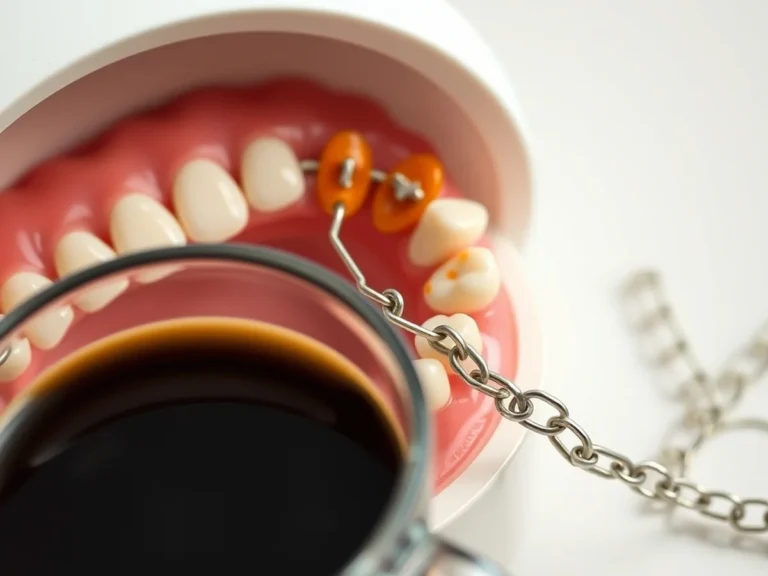
Frequent caffeine intake is another common cause of a brassy smile. While many people focus on surface-level stains, the real issue often stems from how coffee affects your protective tooth layers. Dental enamel is the hardest substance in the human body, but it is not immune to chemical wear over time. This layer is semi-translucent by nature, which allows light to pass through to the core of the tooth. In my experience, even switching to a straw can reduce the amount of contact these acidic liquids have with your front teeth.
When you consume acidic beverages like coffee daily, you increase the risk of dental erosion. As enamel wears down, it loses its ability to reflect light correctly. This shift creates enamel thinning symptoms that often reveal the underlying yellow dentin. Because dentin is naturally darker and warmer in tone than the outer shell, its exposure changes the visual appearance of your smile. You might notice your teeth look brassy rather than just yellow, which highlights a key difference when comparing yellowing teeth and brassy smile characteristics.
Monitoring your daily intake, such as limiting yourself to 1 or 2 cups per day, can help mitigate these discoloration issues. If you are worried about the health of your teeth, checking for dentin exposure is a helpful step before consulting your dentist about professional teeth whitening options.
Tobacco Use and Staining

Tobacco use is a primary contributor to tooth discoloration that results in a brassy appearance. Smoking or chewing tobacco introduces pigments that penetrate the tooth structure. This leads to extrinsic staining that accumulates over time, often making the enamel appear discolored or uneven. Understanding these causes requires looking at how your daily habits impact your oral health.
Enamel is the hardest substance in the human body. However, it is semi-translucent by nature, allowing light to pass through. When you consume acidic foods or drinks, you risk losing hydroxyapatite, which is the main mineral component of your teeth. This loss creates dental erosion, thinning the protective layer. As the enamel wears down, the underlying dentin, which is naturally yellow or brown, shows through more clearly. This shift in light reflection is a common factor when comparing yellowing teeth and brassy smile profiles.
Maintaining a neutral oral pH balance is essential to protecting your enamel from further damage. Acidic environments accelerate mineral loss, which worsens the visibility of dentin exposure. If you notice your teeth losing their brightness, it is a good idea to consult professional resources for guidance on oral hygiene. Consistent care helps mitigate the impact of external factors on your smile.
Aging and Enamel Thinning

As we age, one of the primary causes of a brassy smile is the natural wear of our dental enamel. Enamel is the hardest substance in the human body. However, it is semi-translucent by nature, allowing light to pass through to the dentin layer underneath. Over time, this outer layer wears down, exposing the darker, warmer dentin. This shift creates the brassy hue you see in the mirror.
Understanding intrinsic versus extrinsic tooth stains helps clarify why this happens. Extrinsic stains sit on the surface, but intrinsic discoloration happens deep within the tooth structure. While enamel thinning symptoms include increased sensitivity, the visual result is often a yellowing teeth versus brassy smile contrast that traditional brushing cannot fix. I have seen that most people start to notice these subtle changes around their mid-forties.
Systemic factors also play a large role in these discoloration causes. Certain medications and supplements can alter the internal mineral composition of your teeth over time. Common examples include:
- Tetracycline antibiotics taken during tooth development.
- Excessive fluoride intake leading to fluorosis.
- Iron supplements that may deposit minerals into the tooth structure.
If you notice dentin exposure like translucent edges, consult a professional for guidance. I have seen that keeping a pH-balanced mouth is vital for slowing dental erosion. Most adults will notice some degree of natural wear by the time they reach 45 years of age. Your dentist can provide specific recommendations based on your unique dental history and structural integrity.
Poor Oral Hygiene Habits
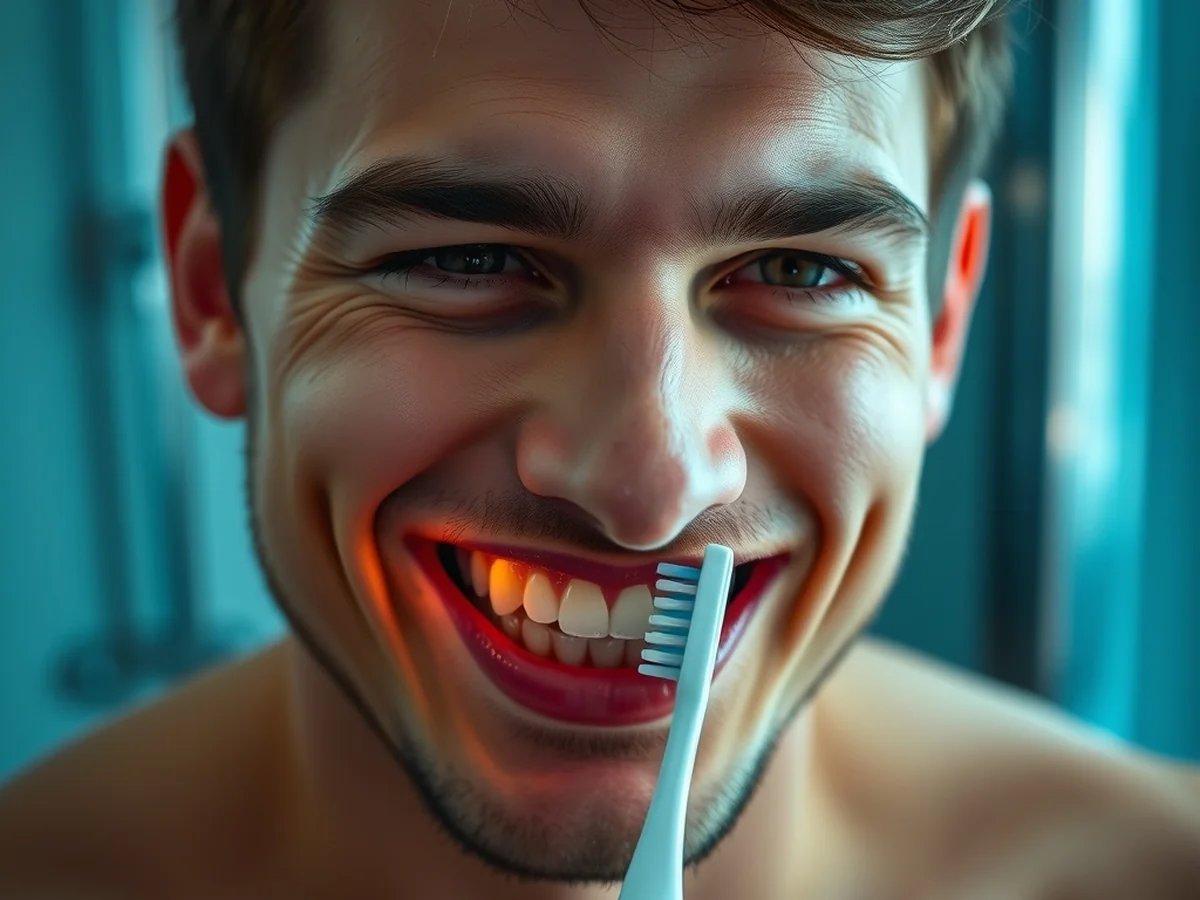
Neglecting daily care is one of the most common causes of a brassy smile. Enamel is the hardest substance in the human body, but it is also semi-translucent by nature, allowing light to pass through. When you fail to brush or floss effectively, acid-producing bacteria linger on your teeth. This process leads to dental erosion, which gradually wears down your protective outer layer.
As this layer thins, you may notice specific dentin exposure. Since dentin is naturally yellow or brownish, it becomes more visible through the weakened enamel. This creates a warm or brassy reflection that differs from standard surface staining. Unlike extrinsic tooth stains, which sit on the outside, this color shift comes from within the tooth structure itself.
You should watch for these enamel thinning symptoms to catch issues early:
- Increased sensitivity to hot or cold temperatures.
- Edges of front teeth looking jagged or translucent.
- A subtle shift toward a warm, dull tone across your smile.
If you suspect these discoloration causes are affecting you, consult your local dental office for guidance on proper maintenance. Maintaining a consistent routine is vital because once enamel is lost, it does not grow back. A simple 2 minute brushing session twice daily helps prevent further structural damage.
Medication and Dental Changes
Certain medications are known causes of a brassy smile because they influence the chemical composition of your saliva or directly impact internal tooth structure. While enamel is the hardest substance in the human body, it remains vulnerable to chemical interactions from long-term drug use. These discoloration causes often result in a shift from standard white to a brassy hue, which differs from general yellowing teeth versus brassy smile scenarios by originating deep within the tooth.
Dentists now move beyond traditional visual exams to identify these intrinsic versus extrinsic tooth stains. Modern 3D oral scanning provides a precise map of surface changes, while laser-assisted dentistry uses light fluorescence to detect enamel thinning symptoms and dentin exposure before they are visible to the naked eye. These tools allow for a more accurate diagnosis than old methods. I have found that patients are often surprised by what these scans reveal.
| Diagnostic Method | Efficacy for Brassy Stains |
|---|---|
| Traditional Visual Exam | Basic surface evaluation |
| 3D Oral Scanning | High precision mapping |
| Laser Fluorescence | Deep structural analysis |
If you suspect your medication is the root of your concerns, consult guidelines for managing oral health. Early intervention is vital to protect your dental enamel and keep your smile bright. Discussing potential side effects with your primary care provider is also a smart move if you notice sudden changes in your dental health.
Excessive Fluoride Intake
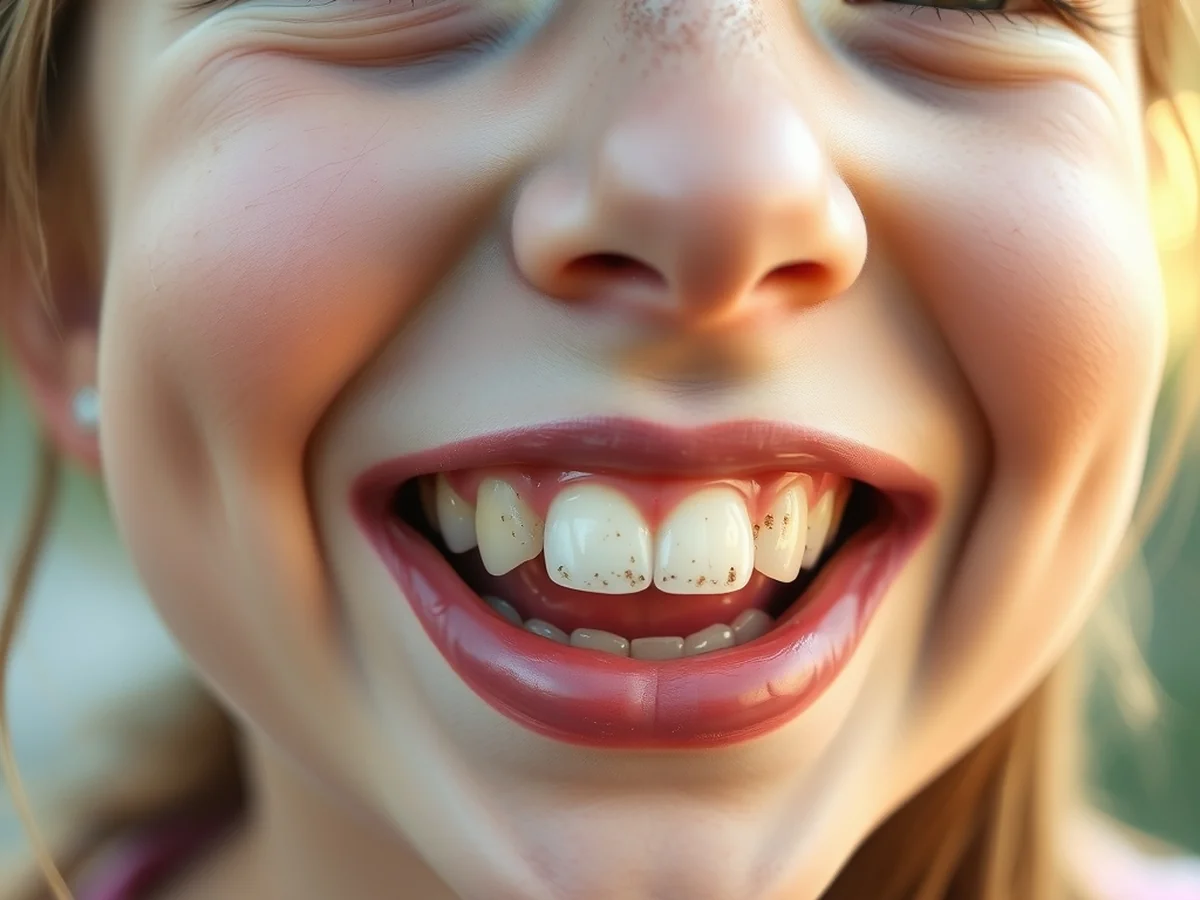
One of the less discussed causes of a brassy smile involves the intake of fluoride during childhood. When permanent teeth form under the gums, they are highly sensitive to mineral balance. Consuming too much fluoride during this early stage can lead to fluorosis. This condition changes the appearance of dental enamel as the teeth erupt.
You might notice white spots or even brownish streaks on the surface. These marks happen because the high mineral content disrupts the development of hydroxyapatite, the hard substance forming your teeth. While enamel is the hardest substance in the human body, it is semi-translucent by nature, allowing light to pass through. When internal structures are altered by fluorosis, light reflects differently. This creates a distinct visual contrast that differs from typical yellowing teeth versus brassy smile comparisons.
These early-life factors often persist into adulthood. The uneven texture and color variations can make a smile appear brassy rather than just yellow. If you are concerned about how this affects your current look, consider looking into a smile makeover. Understanding these discoloration causes is the first step toward better dental awareness. It is helpful to know that these intrinsic stains are permanent. They often require professional cosmetic options instead of standard hydrogen peroxide whitening treatments.
Genetics and Dentin Color
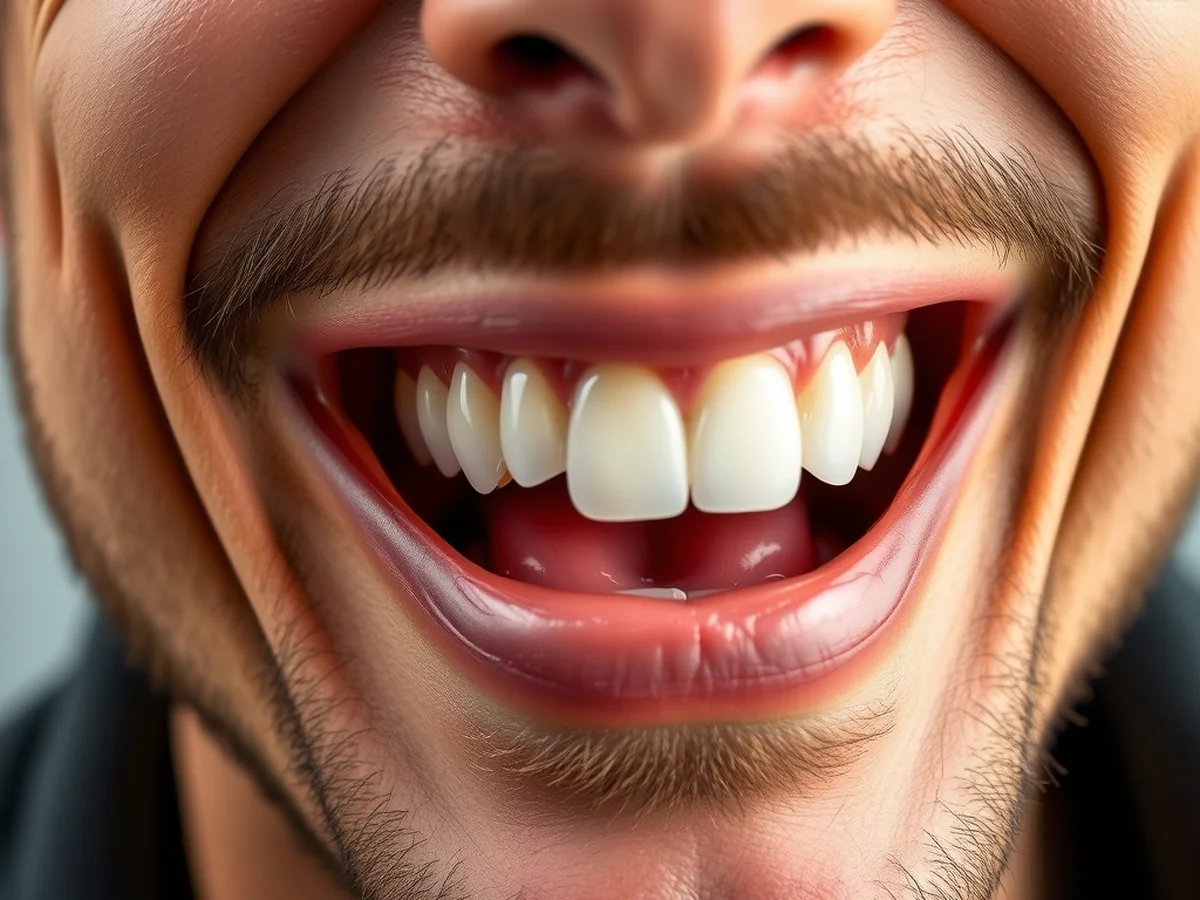
One of the primary causes of a brassy smile is your natural genetic makeup. Enamel is the hardest substance in the human body, but it is also semi-translucent by nature. This means light passes through the outer layer to reveal the dentin underneath. Dentin is naturally yellowish, and your unique shade depends on your DNA. In my experience, people with naturally thinner enamel often deal with a warmer smile tone regardless of their diet.
When comparing yellowing teeth versus a brassy smile, remember that intrinsic versus extrinsic tooth stains behave differently. Hydrogen peroxide whitening is designed to lift surface stains, but it often fails to fix deep intrinsic hues caused by your internal dentin structure. If your enamel thinning symptoms or dentin exposure are genetic, topical bleaching agents will have limited impact.
To protect your enamel from further wear, focus on oral pH balance. You can maintain a healthy mouth by following these tips:
- Drink at least 2 liters of water daily to keep saliva production high.
- Reduce intake of acidic sodas that contribute to dental erosion.
- Rinse with water after eating to neutralize oral acids.
Saliva is your best defense against discoloration, as it helps remineralize your teeth. While you cannot change your genetic dentin color, staying hydrated ensures your protective hydroxyapatite layer remains strong. I have personally found that consistent hydration makes a noticeable difference in how my own teeth respond to daily wear.
Advanced Prevention Strategies
Taking a proactive stance against tooth discoloration is always better than trying to reverse it later. Because enamel does not regenerate, maintaining the health of your existing structure is essential. Incorporating remineralizing toothpastes that contain hydroxyapatite can help strengthen the outer layer, potentially shielding the dentin from premature exposure. I suggest talking to your dentist about specialized fluoride treatments if you have naturally thin enamel.
Consider the cumulative effect of your daily routine. Many people do not realize that scrubbing too hard with a stiff-bristled brush actually accelerates enamel wear. Use a soft-bristled brush and gentle, circular motions to clean your teeth without causing micro-abrasions. This simple adjustment preserves your enamel thickness over the long term.
Regular checkups allow you to catch the first signs of wear before they become a cosmetic concern. Your dentist can spot thinning areas during a routine cleaning that you might overlook in the mirror. By combining professional care with these at-home habits, you can keep your smile looking clean and bright for years to come. Focus on small, sustainable improvements rather than drastic, one-time changes for the best results.
Long Term Oral Care
Consistency is the secret to a healthy, bright smile. Beyond just aesthetics, protecting your enamel prevents sensitivity and pain related to exposed dentin. Think of your oral care routine as a long-term investment. Just like eating well or exercising, your teeth require daily attention to function properly. If you are struggling with a persistent brassy tone, do not get discouraged.
There are many ways to manage the appearance of your teeth without resorting to harsh treatments. Start by tracking what you eat and drink for a few days to see if acidic triggers are the main culprit. You might be surprised by how many hidden acids are in your diet. Small shifts in your habits can yield big benefits for your dental health.
Always prioritize your oral hygiene above quick-fix whitening trends. A healthy smile is a beautiful smile, and focusing on the underlying structure ensures that you are treating the cause, not just the symptom. Stay informed about the latest dental health updates and maintain regular communication with your dentist. They remain your best resource for personalized advice on keeping your teeth strong and your smile clear.
For another perspective, this detailed piece on Brasssmile: The Complete Guide to Causes, Fixes & Smile Care is worth a read.
You might also like: How Modern Orthodontic Brackets Protect Dental Enamel During Treatment