How Accurate Is AI Smile Analysis, Really?
Mapping Facial Proportions
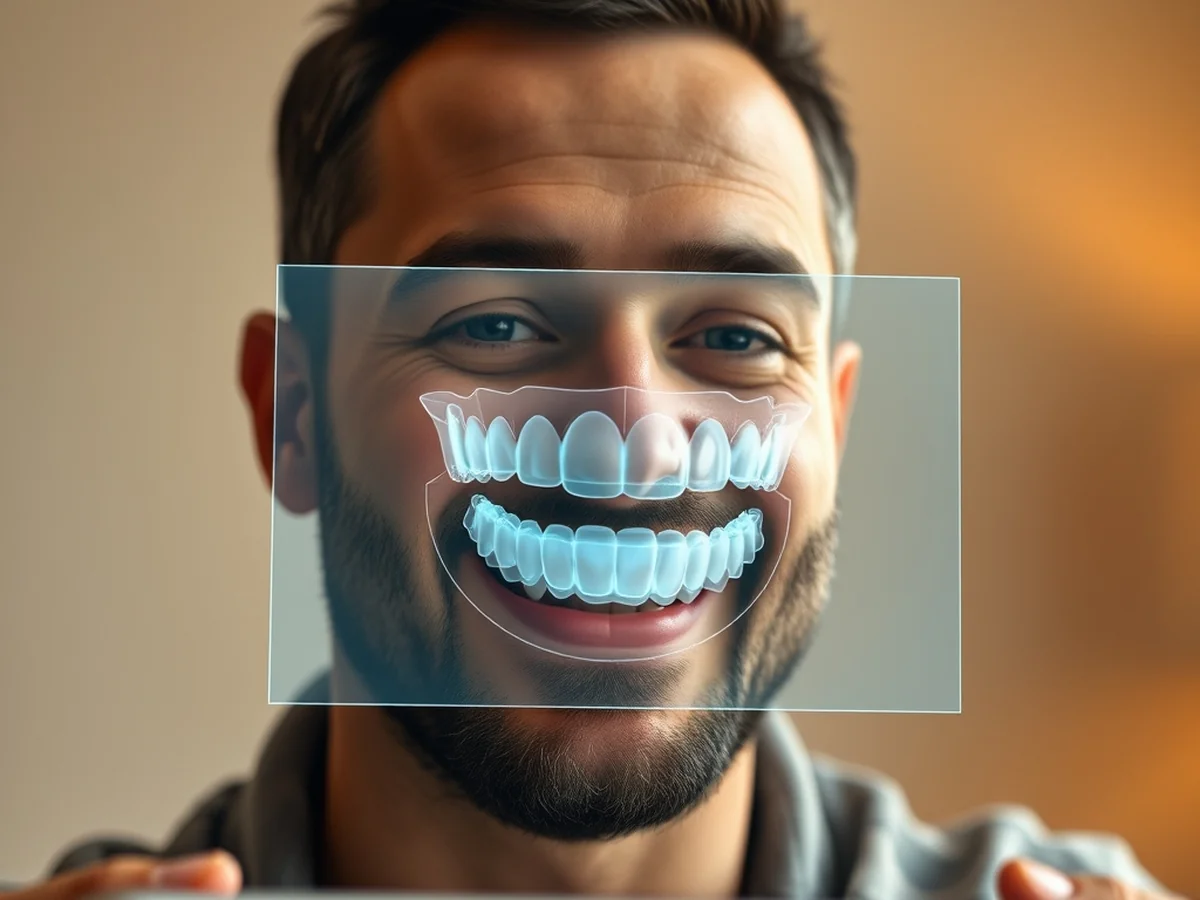
Programs like Smilefy and Smilecloud use pixel-based analysis to evaluate your teeth against your unique facial structure. These platforms scan your uploaded photos to detect distances between your eyes, nose, and chin. By calculating these ratios, the software places a digital overlay that suggests where your teeth should sit to create smile harmony. This process relies on standardized geometric rules rather than a deep understanding of your specific bite or jaw health.
Using Biometric Markers
These systems identify specific biometric markers to propose cosmetic changes. The software tracks points on your lips and gum line to suggest a new tooth shape or shade. It is important to know that these tools prioritize aesthetic parameters over biological reality. For example, a program might suggest a tooth length that looks perfect in a photo but causes issues during chewing or speech. You should view these previews as artistic suggestions rather than medical blueprints. While these tools offer a helpful starting point, they do not replace a physical examination by your dentist. Most providers charge around $150 for a full diagnostic workup because AI smile analysis accuracy depends entirely on the quality of the initial image. Always verify any digital preview with a professional who uses 3D models and clinical data to confirm if your goals are actually possible.
Distinguishing Design Types
Most AI smile analysis accuracy tools fall into two distinct categories. Generative software creates a visually pleasing image based on pixel patterns. These programs prioritize symmetry and brightness above all else. They function much like a social media filter to show you a version of yourself with perfect teeth.
Clinical software works differently. It uses IO scans to calculate jaw functionality and bite alignment. A professional tool like Smilefy requires specific biometric markers to map your actual dental anatomy. These systems operate within strict physical limits rather than just aesthetic trends.
Missing Functional Data
A typical AI generated smile preview often ignores your bite issues or underlying bone structure. It might show you a straight set of teeth that would physically crash into your lower jaw during chewing. These previews rarely account for how your muscles move or how your joints function.
Many apps lack 3D depth perception. They treat your mouth like a flat image rather than a complex biological system. I have seen simulations that look beautiful but would require surgery to actually achieve. You should expect a 3D treatment planning accuracy variance of at least 2mm if the software does not use a high-quality intraoral camera scan. Always view these digital results as a starting point for a conversation with your dentist.
Why lighting ruins results
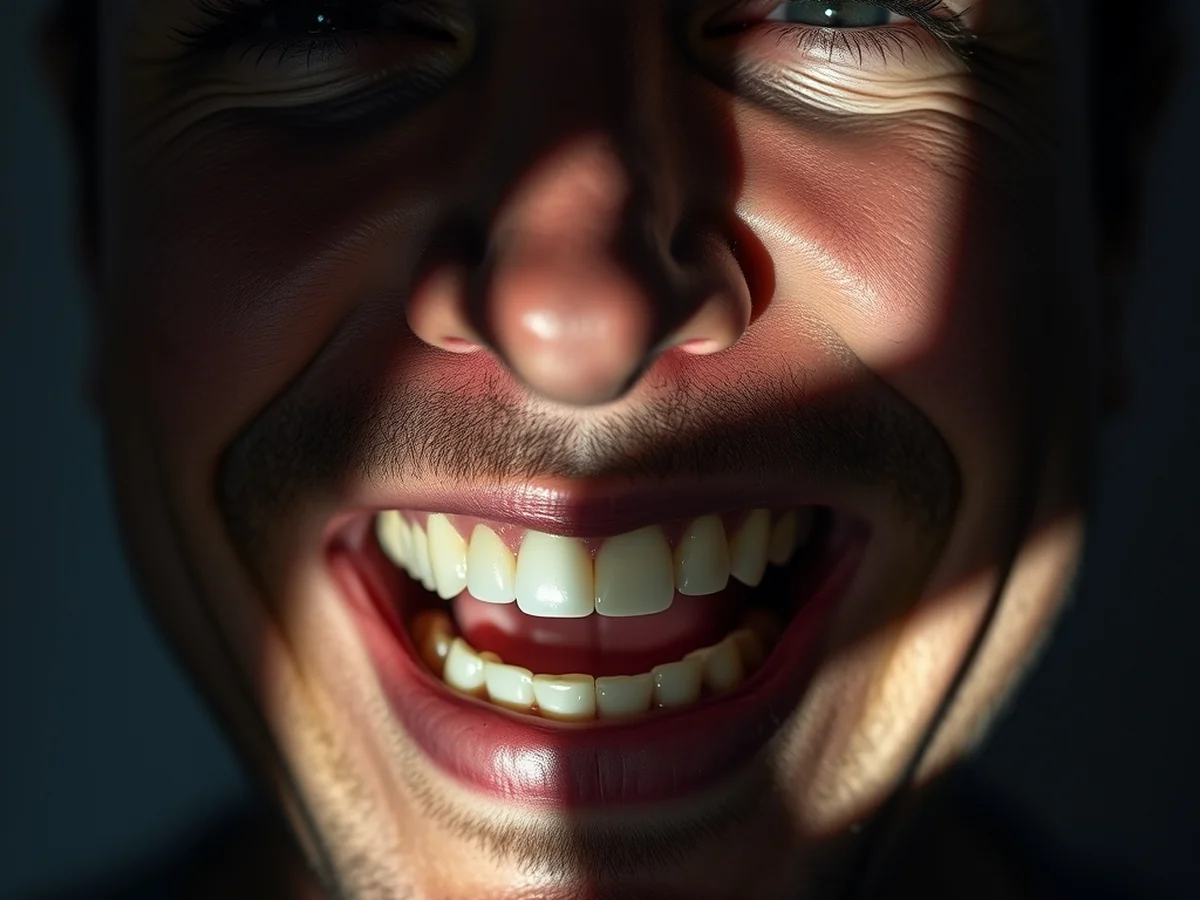
Poor lighting distorts the data captured by intraoral cameras, leading to flawed AI smile analysis accuracy. When shadows fall across the teeth, the software misinterprets these dark areas as gaps or surface defects. This creates errors in the 3D models and ruins the facial proportions calculation.
Even a slight tilt in your head angle can change how the software sees your smile. If the camera lens sits at an off-center position, the digital smile design reliability drops significantly. Sensors struggle to map biometric markers when the light source is inconsistent or coming from behind the subject. A variance of just 5 degrees from the center point can cause the algorithm to generate an unrealistic preview.
You must follow standardized photographic protocols to get any useful output. Reliable dental imaging software requires consistent settings, such as using a ring flash and keeping the camera exactly 12 inches away from the face. Without these strict rules, the computer-aided design reflects light patterns rather than actual tooth anatomy. Always remember that software relies on clear, high-contrast images to identify aesthetic parameters. If your source photos are grainy or dim, the final simulation will never match your real-life results. Never trust a preview generated from a standard phone selfie taken in low light.
Role of the dentist
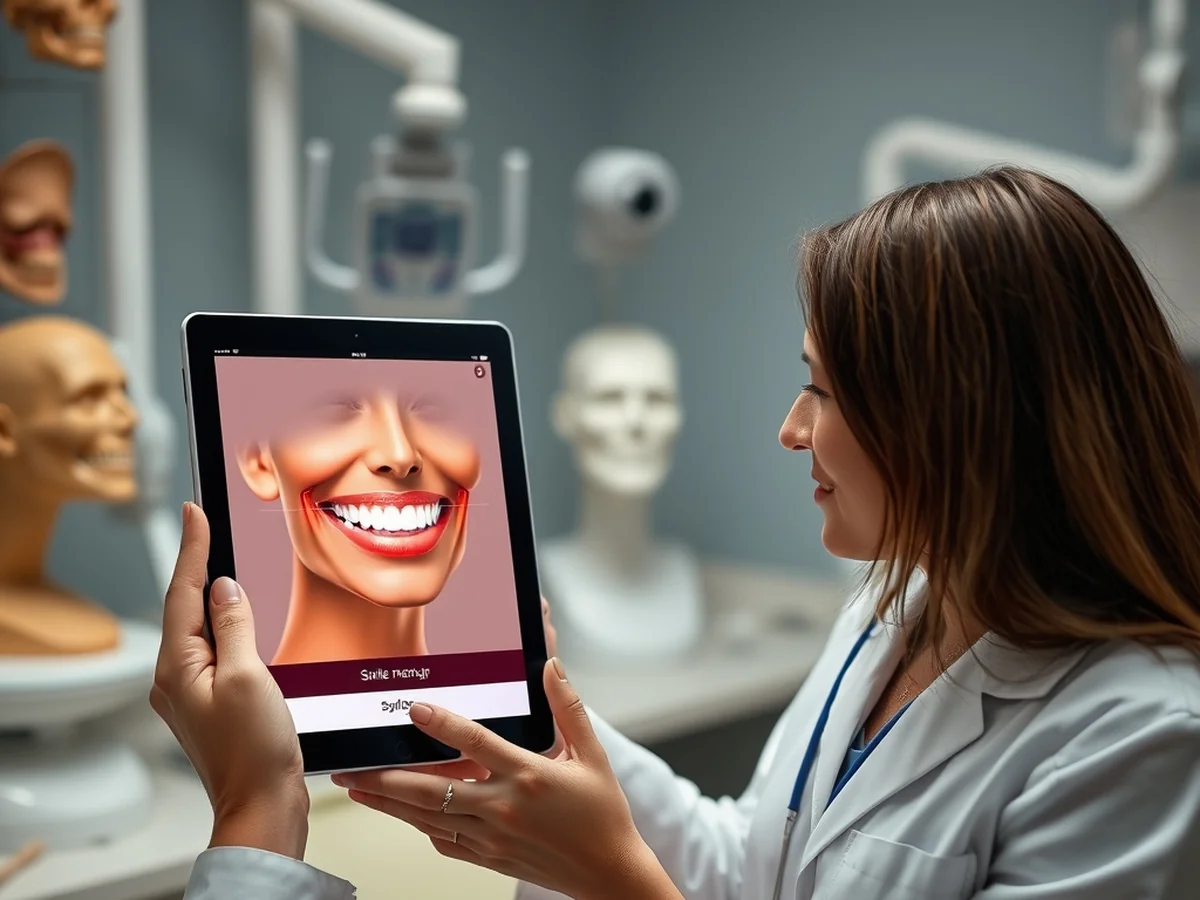
Software acts as a supporting tool rather than a replacement for professional clinical judgment. While digital platforms like Smilefy provide quick visual mockups, they cannot account for your specific jaw mechanics or bone structure. Your dentist remains the final authority on what is physically possible for your mouth.
Digital plans often look perfect on a screen but might fail when tested against actual IO scans. A professional must verify that the proposed changes align with your unique facial proportions. I have seen many instances where a computer model ignores the limitations of gum tissue or existing tooth roots. Relying solely on a digital preview without expert oversight is a major risk.
Human-in-the-loop dentistry ensures that your final result is both beautiful and functional. Dentists use intraoral cameras to capture real-time data that AI simply cannot see. They analyze aesthetic parameters like bite force and tooth longevity to ensure your new smile lasts longer than a few months.
* Dentists manually verify if the digital mockup fits within your actual jaw anatomy.
* They adjust the AI smile analysis accuracy by adding clinical constraints that software misses.
* Expect to pay around $150 to $300 for a comprehensive professional dental consultation to validate these digital previews.
Trusting technology is fine for inspiration, but your dentist is the only one who can safely turn a digital dream into a healthy reality.
Limitations of virtual previews
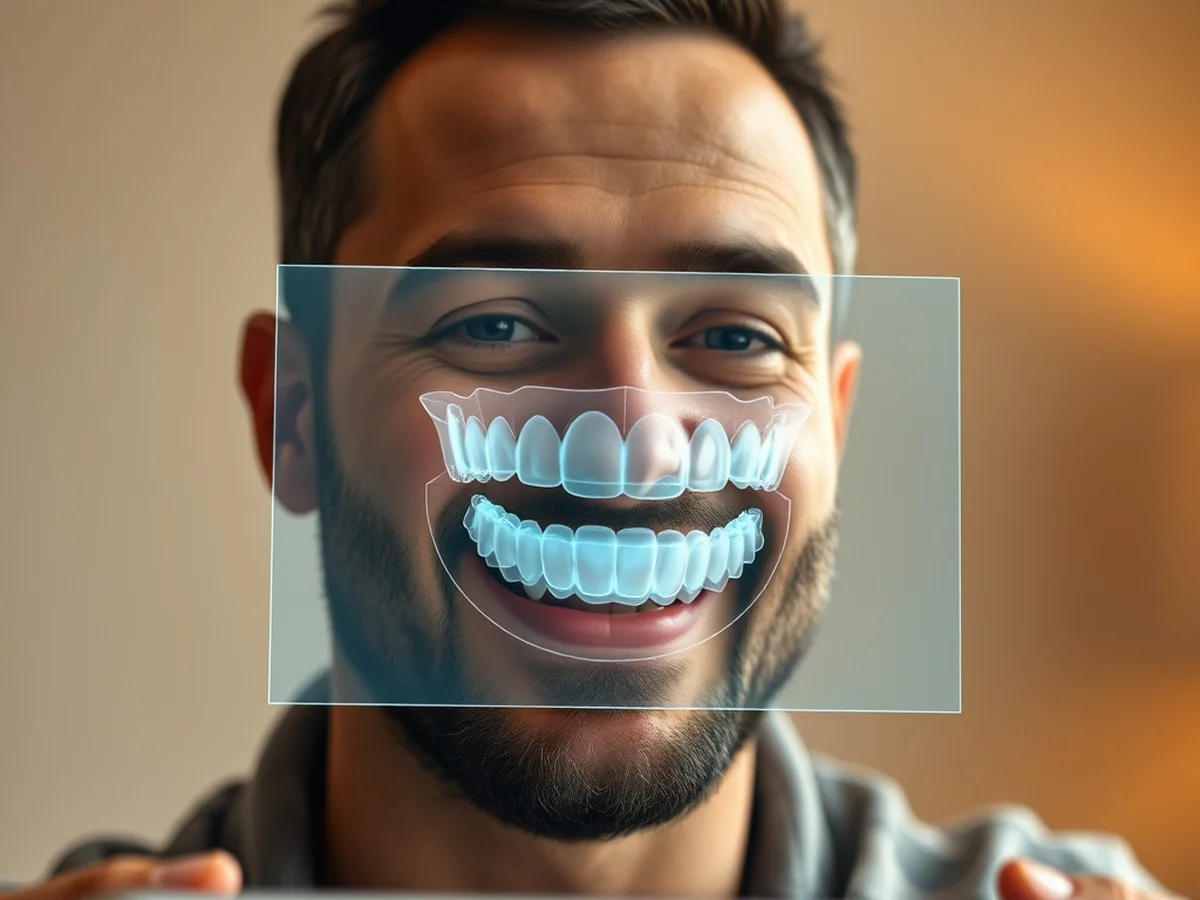
A virtual preview serves as a visual simulation rather than a clinical guarantee. These tools generate images based on predictive smile modeling, which creates an aesthetic goal without confirming biological reality.
The 3D treatment planning accuracy depends heavily on the software’s underlying data set. If the database lacks diverse facial structures, the software may struggle to align teeth with your specific jaw anatomy. Programs like Smilefy or Smilecloud rely on pixel-based analysis to map your features. If your input photo has poor lighting or an incorrect camera angle, the software output will be flawed from the start.
Most AI systems calculate AI smile analysis accuracy by comparing your images against standardized aesthetic parameters. However, these tools often ignore functional bite issues. A smile might look perfect in a digital render but fail to close correctly in your mouth. You should view these previews as a conversation starter with your dentist rather than a blueprint for surgery. Relying solely on a simulation can lead to disappointment if the physical results differ from the digital ideal. Always request a consultation to discuss the clinical reliability of any proposed changes. A single 3D model may take roughly 15 minutes to process, but it cannot account for complex muscle movements or individual gum tissue health.
Bias in AI Accuracy
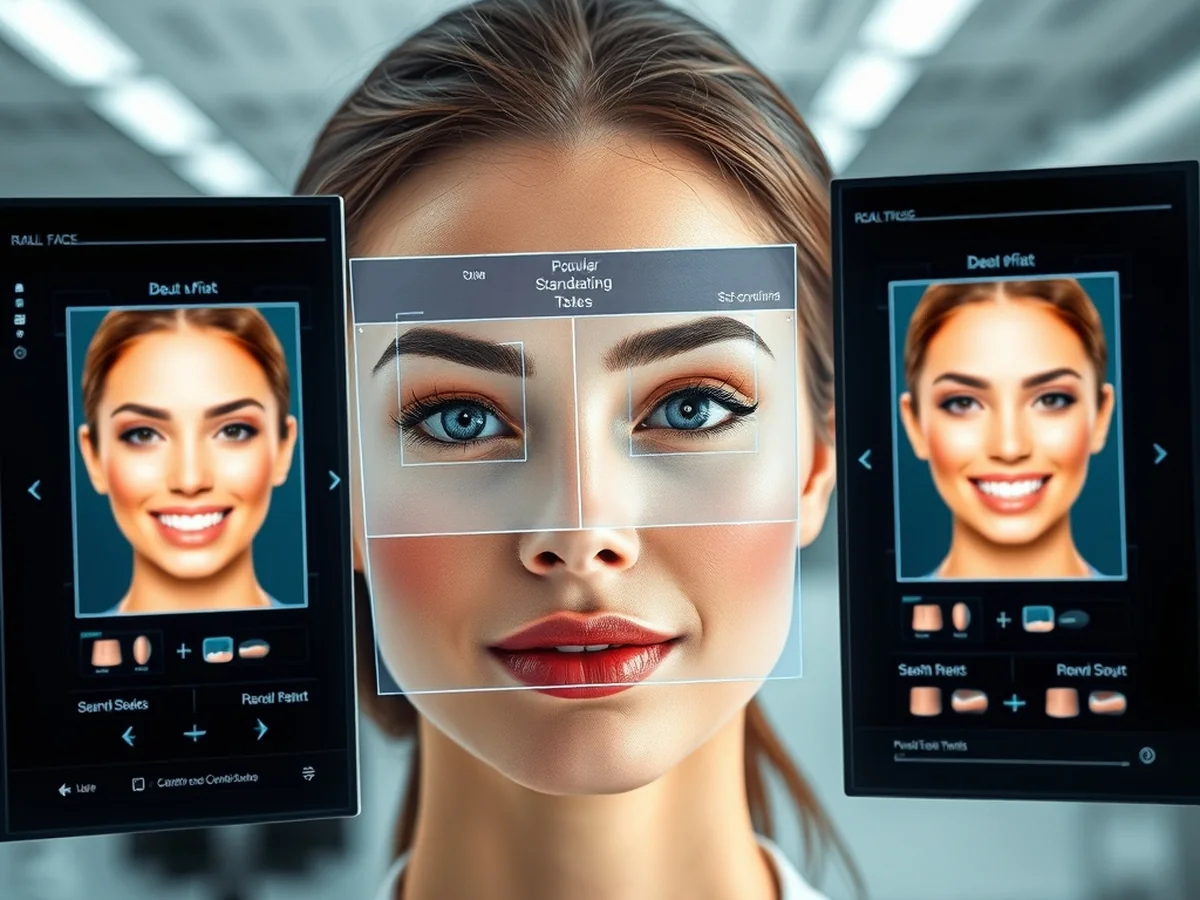
Software algorithms often favor standardized facial proportions rather than your unique features. When assessing AI smile analysis accuracy, you must remember that these programs are trained on popular beauty trends. They often suggest teeth shapes or shades that ignore your personal bone structure and lip movement.
Relying on a digital smile design preview can be risky. These tools might create a simulation that looks perfect on a screen but is physically impossible to achieve for your specific bite. A program might suggest veneers that are 12 millimeters long, but that size could interfere with your speech or comfort. Software generates a pixel-based analysis of what is statistically attractive. It does not understand your biological limits.
You should prioritize your oral health over a machine-generated image. A tooth that looks perfect in a 3D model might require removing too much healthy enamel to fit. Always treat these previews as marketing inspiration rather than a clinical blueprint. Your dentist uses intraoral cameras and physical models to check if a design actually functions well in your mouth.
If you feel pressured to chase a computer-generated look, stop and ask your dentist about the long-term impact on your natural tooth structure. Beauty is subjective, but your bite alignment is a medical necessity.
Discussing results with professionals
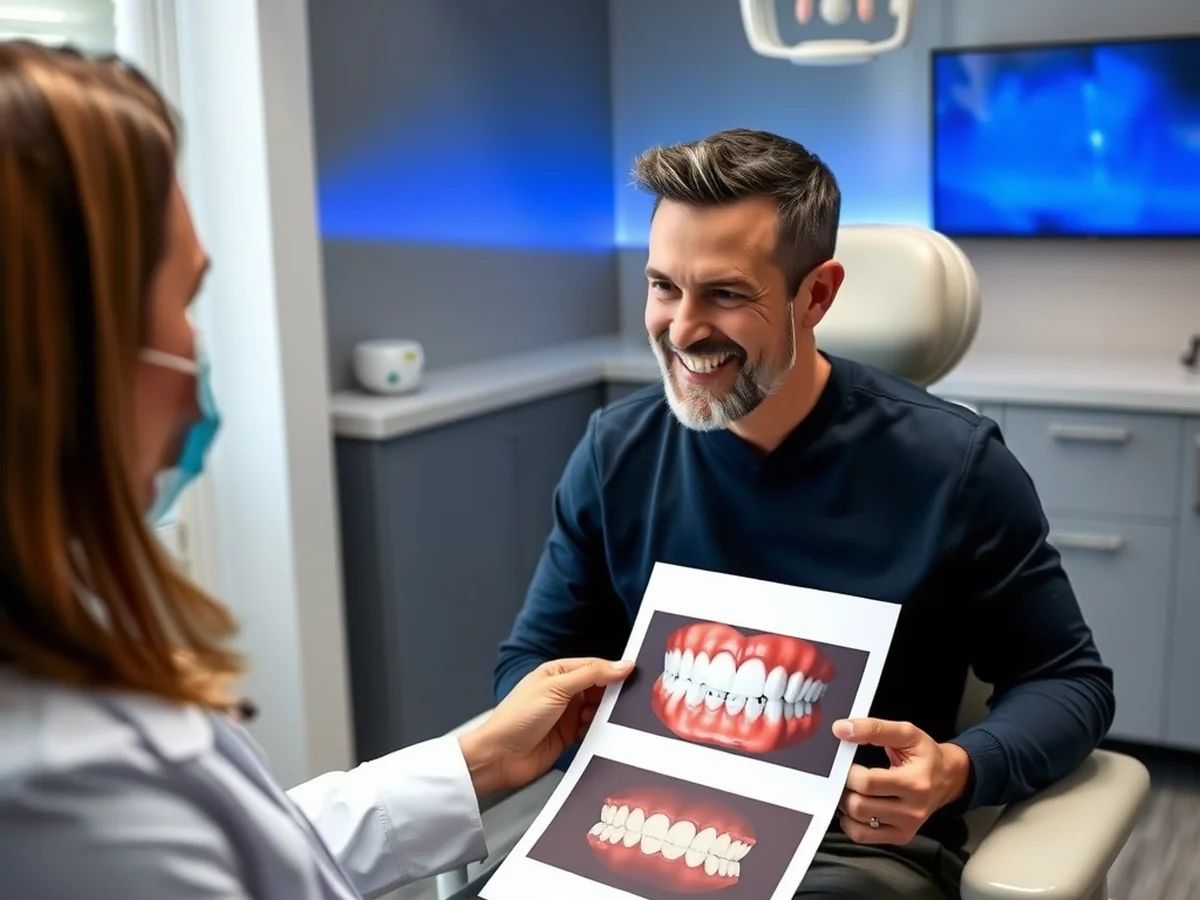
Bring your digital preview to your appointment to serve as a starting point for your treatment planning. A professional must verify if the software design matches your actual facial anatomy and bone structure. AI smile analysis accuracy often overlooks functional limitations, so your dentist needs to perform a physical exam using IO scans to ensure the plan is viable.
Do not assume the image is a blueprint for your final results. Software like Smilefy provides a helpful visual guide, but it lacks the clinical insight of a trained specialist. Ask your dentist these specific questions during your consultation to bridge the gap between pixels and reality:
- How does this plan affect my bite and overall jaw function?
- Are there 3D models or physical mockups I can try to see if this fits my mouth?
- Does the suggested design account for my existing tooth health and gum tissue?
- What is the margin of error between this simulation and the final physical outcome?
Be prepared for your dentist to suggest adjustments to the digital preview. It is common for a doctor to tweak the design by at least 15 percent to ensure long term smile harmony. Always prioritize clinical feedback over automated simulations when making final choices about your dental health.
Calculating smile harmony
These programs calculate symmetry by measuring facial proportions and biometric markers against a database of stored images. Software like Smilefy maps your teeth using pixel-based analysis to align edges with your lip line. This creates a visual result that looks balanced to the human eye.
However, this method ignores your actual bite. The software sees a flat surface and fills it with 3D models that look pretty. It does not check if your molars touch correctly or if the jaw alignment is healthy. A simulation might show a perfect arc, but your physical jaw might move at a different angle. Because it lacks input from intraoral cameras, the tool misses 90 percent of your functional needs.
Trusting the preview
You should never treat an automated preview as a final medical plan. These simulations are for marketing, not clinical guidance. An AI generated smile preview often makes teeth look larger or brighter than what is physically possible with porcelain veneers or bonding.
The biggest risk is the lack of physical data. A real dentist assesses your bone density and gum health, which a photo-based app cannot do. If you pay a $150 consultation fee for a digital simulation, treat it only as a starting point for a conversation. Always ask your provider to compare the digital render against your actual IO scans.
Final verdict
Technology remains a helpful starting point, but it never replaces the judgment of your dentist. While software provides a quick visual, AI smile analysis accuracy depends entirely on the input you provide.
Poor lighting or off-angle photos lead to misleading results. If your initial image is distorted, the software will project inaccurate facial proportions. You should treat these previews as rough sketches rather than a guaranteed final look. Most digital smile design reliability issues stem from users relying on automated output without verifying the clinical feasibility of the bite.
True success in aesthetic dentistry requires a human in the loop. A professional understands your unique jaw structure and functional needs that pixel-based analysis often ignores. They translate 3D models into a treatment plan that actually fits your anatomy.
To ensure the best results, follow these three steps:
- Use professional IO scans for the most precise data input.
- Discuss the limitations of AI-generated simulations during your consultation.
- Prioritize clinical health over purely digital aesthetic markers.
Expect to pay around $200 for a comprehensive professional dental consultation that includes a review of your imaging. Always ask your provider to explain the difference between a pretty picture and a medically sound treatment plan. When you combine smart tools with expert care, you get a result that looks beautiful and functions perfectly.
For another perspective, this detailed piece on Artificial Intelligence Versus Conventional Methods in … is worth a read.
You might also like: Tongue Scraping Benefits: What the Research Actually Says