
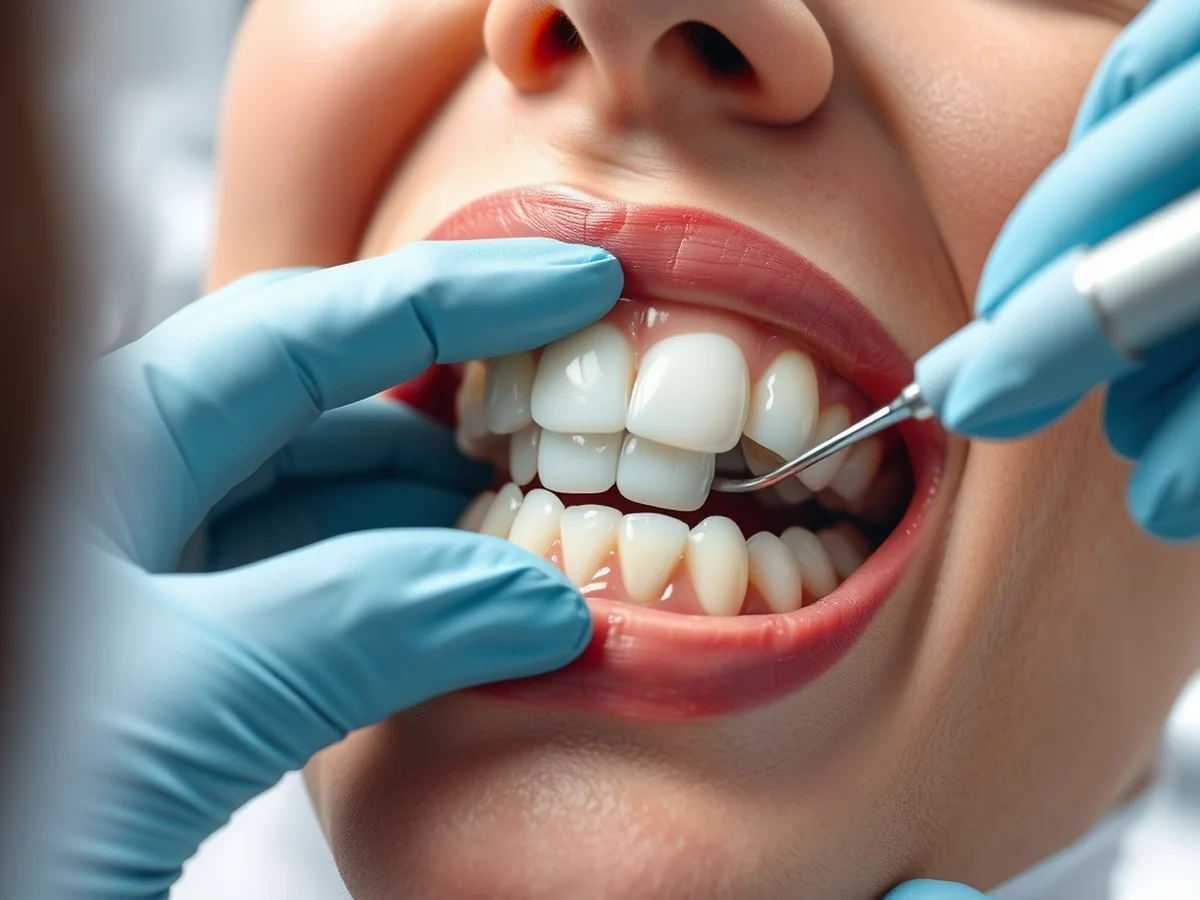
Root Canal Treatment Explained: When You Need One and What It Costs
Introduction
A root canal treatment involves removing infected pulp from inside the tooth to save it from extraction. Because infected pulp does not heal on its own, root canal treatment is a necessary intervention for patients experiencing persistent tooth decay or infection.
This article provides an overview of the clinical procedure, including how the infection is addressed and why modern techniques make it comparable to a standard filling. You will learn about the common signs that indicate a need for professional care, the typical steps involved in the process, and factors that influence the cost of root canal treatment. Additionally, this guide covers what to expect during your recovery and why a dental crown is often required to restore full function to the treated tooth.
What Is Root Canal Treatment
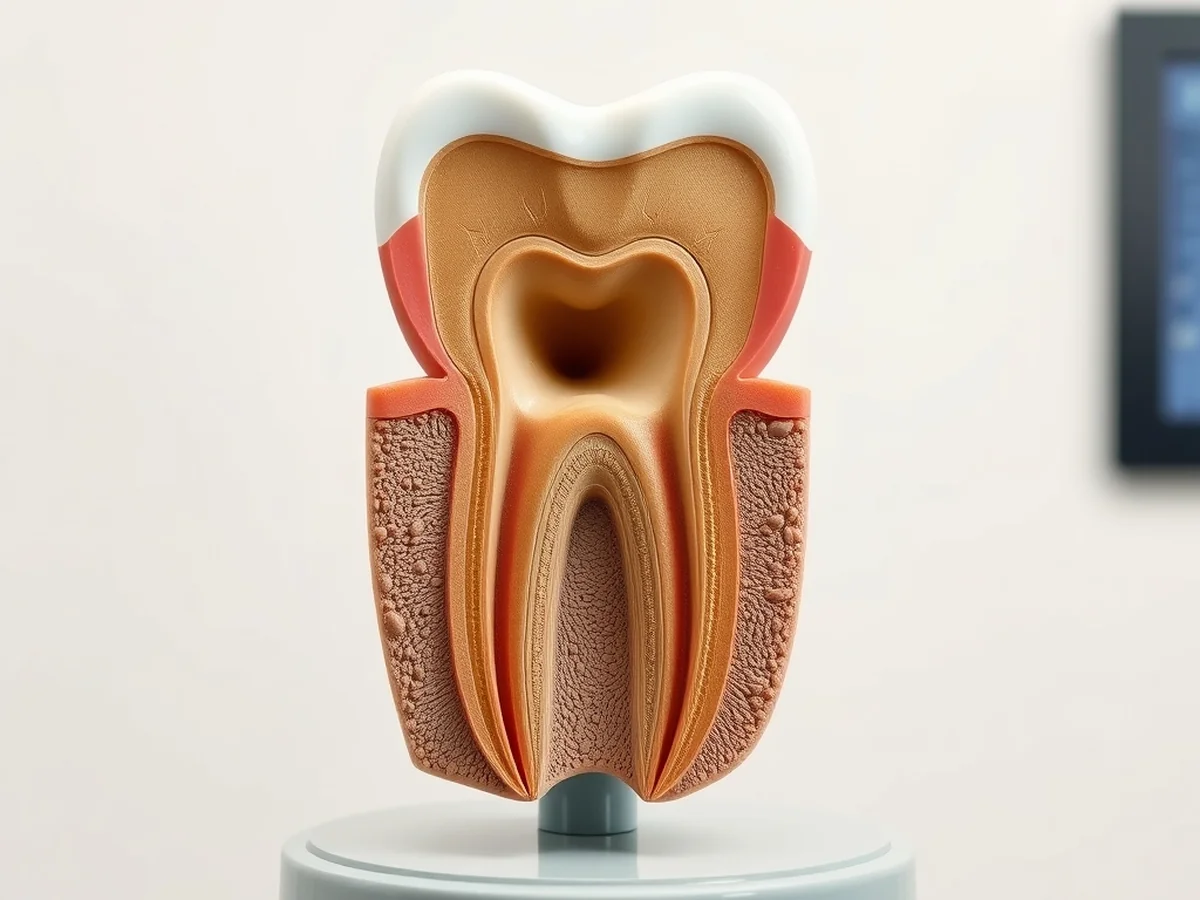
This restorative procedure is designed to save a natural tooth that has become compromised by infection or decay. By removing the damaged or infected dental pulp from inside the tooth, a dentist or endodontist can stop the spread of infection and preserve the remaining structure of the tooth.
It is important to understand that infected dental pulp does not heal on its own. Without professional intervention, the infection can progress, leading to severe pain or the eventual loss of the tooth. When the pulp becomes inflamed or infected, the goal of this therapy is to clean out the canals, disinfect the area, and seal the space to prevent future issues.
Choosing this path offers several benefits compared to losing a tooth, including:
- Acting as a viable alternative to tooth extraction.
- Maintaining the natural alignment of your smile.
- Allowing for normal biting and chewing function once the tooth is restored.
Modern dental care has made this process routine. With the use of local anesthesia, the experience is generally no more painful than receiving a standard dental filling.
Signs You Need Treatment

Throbbing pain in a tooth is a specific symptom that requires contacting a healthcare provider. Recognizing the early indicators of infection can help you address the issue before it causes further damage to your dental health.
There are several common indicators that you may require intervention to save a damaged tooth:
- Persistent, throbbing toothache that often worsens when you lie down.
- Heightened sensitivity to hot or cold temperatures that lingers even after the stimulus is removed.
- Noticeable swelling or tenderness in the gums near the affected area.
- Tenderness when applying pressure to the tooth while chewing or biting.
- Visible signs of decay or a dark discoloration appearing on the tooth surface.
- The sudden appearance of a pimple-like bump on the nearby gum tissue.
Infected pulp does not heal on its own without professional intervention. Waiting for these symptoms to subside is not advised, as the underlying infection will likely continue to progress. Seeking care promptly is essential to prevent the condition from worsening and to avoid more extensive dental problems.
How the Procedure Works
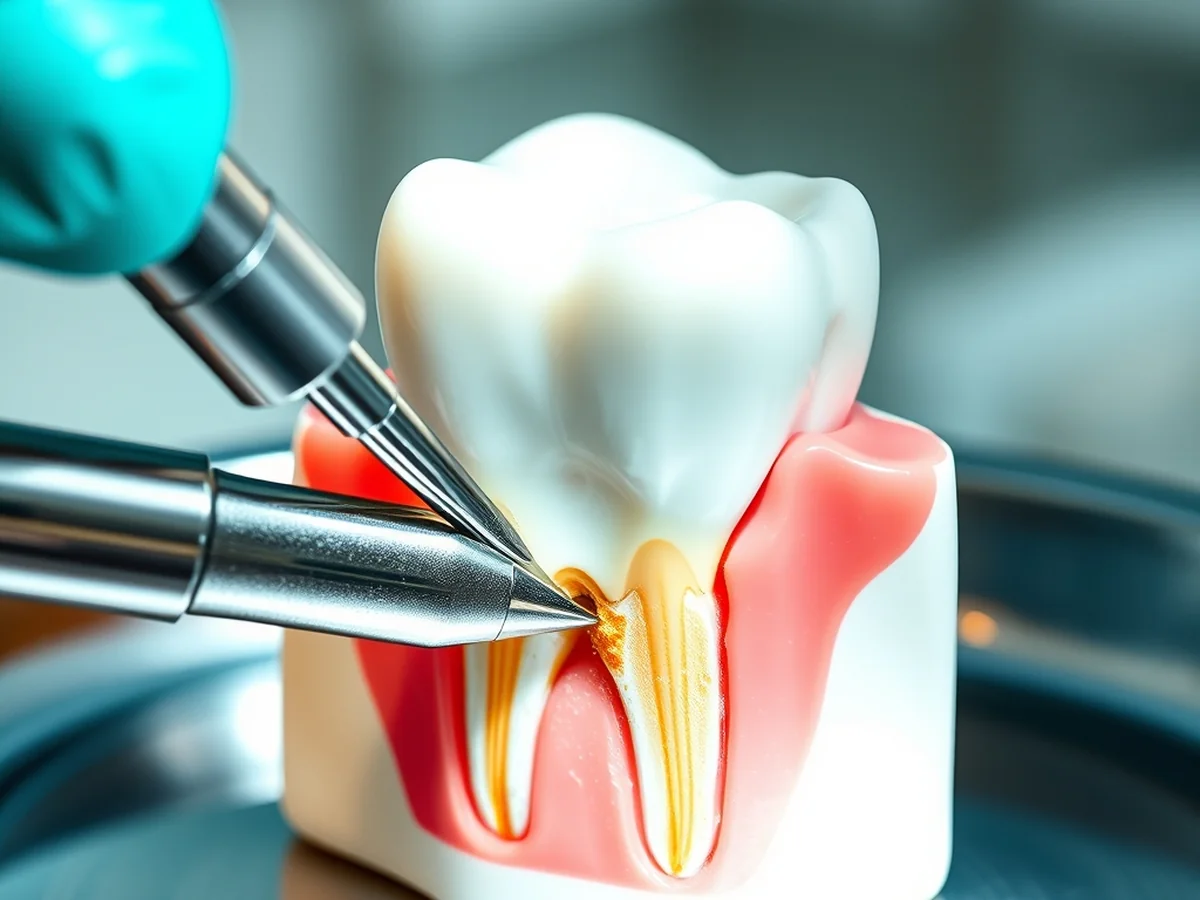
The core of this intervention involves removing infected pulp from inside the tooth. Because this tissue does not heal on its own without professional intervention, its removal is necessary to stop the infection from spreading and to alleviate associated pain.
Modern local anesthesia makes these visits generally no more painful than a standard dental filling. By numbing the immediate area, the professional ensures the patient remains comfortable throughout the process. As the effects of the anesthesia wear off, some patients may experience mild soreness, which is a common and expected reaction.
The root canal procedure steps typically follow this sequence:
- The dentist or endodontist accesses the pulp chamber and removes the damaged tissue.
- The interior of the tooth is thoroughly cleaned and shaped to prepare it for sealing.
- The space is filled with gutta-percha, a rubber-like material that acts as a sterile filler to prevent future contamination.
- The opening is sealed, and a permanent crown is typically required afterward to protect the tooth and restore bite function.
While some cases are completed in one visit, others may require more than one dental session to ensure the tooth is fully treated.
Root Canal Pain Management

Modern anesthesia makes this procedure generally no more painful than a standard dental filling. While the clinical goal is to remove infected pulp from inside the tooth, patients typically find the process far more comfortable than expected because the area is completely numbed beforehand.
Most patients find that the clinical time required for the intervention is quite manageable. Common practice indicates that the procedure typically takes between 60 and 90 minutes. Depending on the complexity of the tooth anatomy, some sessions may be completed quickly, while others require more time to ensure the canals are thoroughly cleaned and disinfected.
It is normal to feel some mild soreness after the procedure as the anesthesia wears off. This sensation is generally temporary and manageable with standard over the counter options for root canal pain relief. If you experience discomfort that persists beyond a few days or becomes intense, contact your healthcare provider for guidance.
Restoration After the Procedure

A permanent crown is typically required after a root canal treatment to protect the remaining tooth structure and restore full bite function. While the internal infection is removed during the procedure, the tooth itself often becomes brittle once the living dental pulp is gone.
Placing a crown serves several important purposes for your long-term oral health:
- It reinforces the exterior walls of the tooth to prevent fracturing during daily chewing.
- The custom design restores the natural shape and alignment of your bite.
- It seals the top of the tooth, which provides an extra layer of protection against future bacterial infiltration.
Completing these follow-up steps is essential for the durability of the repair. Without this coverage, the treated tooth remains vulnerable to mechanical stress and potential structural failure. Consistent follow-up care ensures that the work remains stable, allowing you to maintain full functionality and preserve your natural tooth for years to come.
Factors Influencing Treatment Cost

The total financial commitment for dental work to address infected pulp depends primarily on the complexity of the tooth involved and the professional performing the procedure. Molars are generally more expensive to treat than incisors because they possess multiple roots and more complex canal systems, which require additional time and precision to clean thoroughly.
| Tooth Type | Structural Complexity | Relative Cost |
|---|---|---|
| Incisor | Single root | Lower |
| Premolar | One to two roots | Moderate |
| Molar | Multiple roots | Higher |
General dentists often perform standard procedures, whereas an endodontist, a specialist in dental pulp health, may be required for complex cases. Consulting a specialist can increase the price, though their expertise is often necessary for successful outcomes in difficult anatomy. Regarding insurance, coverage varies significantly by plan. Most providers offer partial coverage for endodontic services, but you should verify your specific benefits for the cost of root canal treatment before beginning. Always review your policy to confirm if your chosen provider is in-network, as this significantly impacts your out-of-pocket expenses for the procedure and subsequent restoration.
Recovery and Long-term Care

Most patients experience a straightforward healing phase with mild soreness as local anesthesia wears off, though specific root canal recovery time varies depending on the individual. Some dental procedures may require more than one appointment to ensure the tooth is fully cleared of infection before receiving a final restoration.
- Take over-the-counter pain relievers as directed by your dental provider to manage any residual discomfort.
- Avoid chewing hard or crunchy foods on the treated side until your permanent restoration is securely placed.
- Maintain gentle daily brushing and flossing habits while paying careful attention around the healing gum tissue.
- Contact your dental clinic promptly if you notice persistent swelling or sharp pressure that does not subside after a few days.
Potential Risks and Success
Professional intervention remains the standard for long-term tooth preservation because infected dental pulp does not heal on its own. While most procedures are successful, it is important to understand that outcomes depend on the health of the surrounding structures.
Common clinical guidance suggests that failure of the procedure can occur if the initial damage to the tooth is too severe. When decay or fracture extends deep into the root or compromises the structural integrity of the tooth, the long-term prognosis may be less predictable.
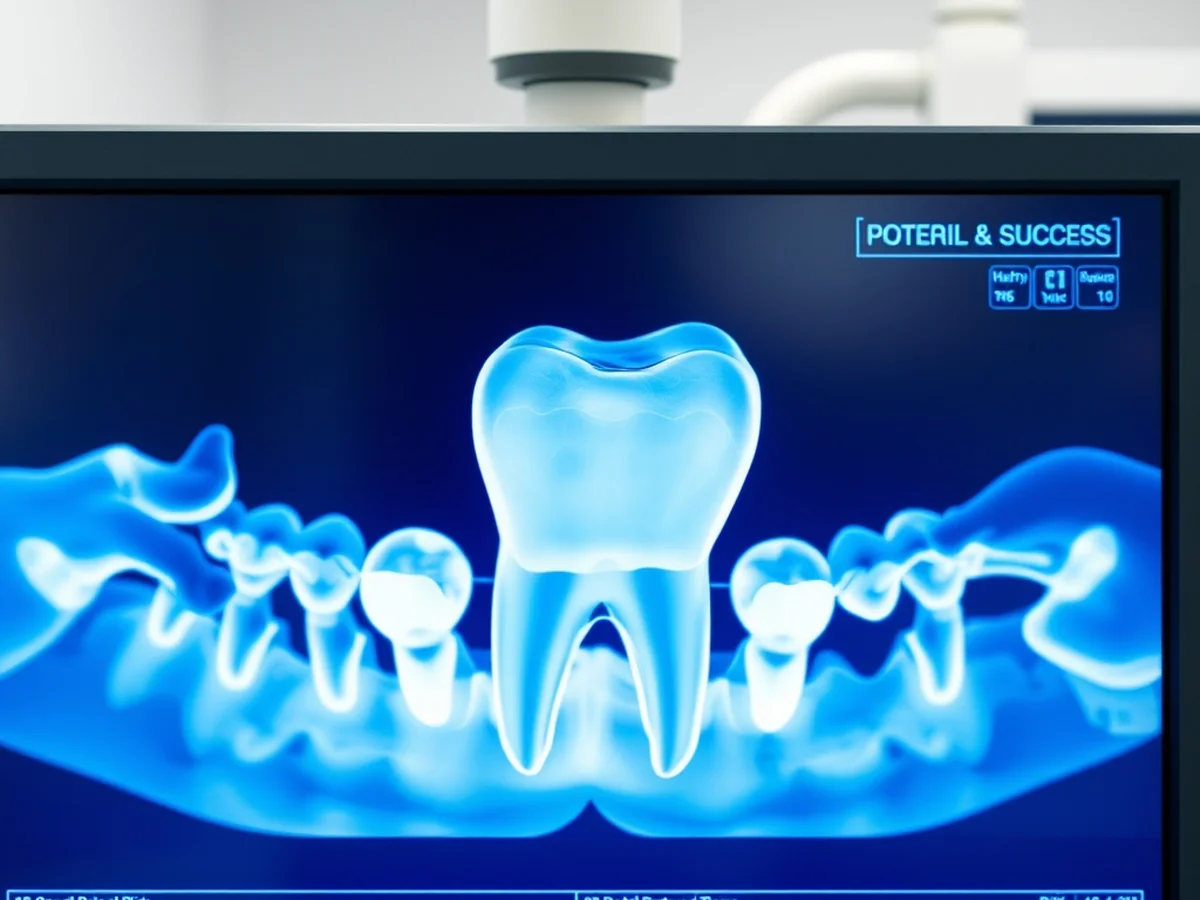
To monitor success and ensure the health of the bone and tissues surrounding the root, dentists rely on regular dental radiography. These periodic X-rays allow a provider to detect changes that are not visible to the naked eye, such as lingering infection or incomplete healing. Consistent follow-up care is essential to confirm that the tooth remains stable and to address any concerns before they progress into more complex issues.
FAQ
Is it painful to have a root canal done?
Modern anesthesia makes root canals generally no more painful than a standard dental filling. While the procedure involves removing infected pulp from inside the tooth, most patients experience only mild soreness after the procedure as the anesthesia wears off.
How long does the root canal procedure take?
It is common guidance that root canal procedures typically take between 60 and 90 minutes. However, some cases may require more than one dental visit depending on the complexity of the infection or the specific tooth involved.
What should I expect for recovery time?
Most individuals return to their normal daily activities shortly after the appointment. You might notice some sensitivity in the area for a few days, but this is usually manageable with over-the-counter pain relief measures as your body heals.
Why is a crown necessary after the procedure?
A permanent crown is typically required after a root canal to protect the tooth and restore bite function. Because the tooth is no longer vital after the infected pulp is removed, a crown provides the structural integrity needed to prevent future fractures.
What are the potential downsides or risks?
While root canal therapy is commonly seen as an alternative to tooth extraction, failure of a root canal can occur if the initial damage to the tooth is too severe. Infected pulp does not heal on its own without professional intervention, making the procedure a necessary step to save the natural tooth.
When should I contact my healthcare provider?
You should contact a professional if you experience throbbing pain in a tooth, as this is a specific symptom that requires evaluation. Seeking timely care helps address infections before they escalate and ensures you receive the appropriate treatment to preserve your dental health.
Conclusion
Infected dental pulp will not heal on its own, making professional intervention necessary to save the affected tooth. If you are experiencing symptoms like throbbing pain, your primary next step is to schedule an appointment with a dental professional for an evaluation. A timely assessment allows your provider to determine if an endodontic procedure is the most appropriate path to preserve your oral health and restore your tooth function.
You might also like: 7 Signs You Might Be a Good Candidate for a Smile Makeover