Tongue Scraping Benefits: What the Research Actually Says
Introduction
The primary Tongue Scraping Benefits center on the mechanical removal of the white biofilm that builds up on your tongue surface. This layer is a mixture of food debris, dead cells, and oral bacteria that naturally accumulates during the night.
It is important to understand that using a tongue scraper is a tool for physical cleaning rather than a cure for medical conditions. While it helps remove white coating on tongue tissue, it does not replace the need for professional care if you suffer from chronic health problems. Many people find that adding this simple step to their oral hygiene routine effectively lowers their daily microbial load. You can pick up a quality stainless steel tool for around $8 to get started. By focusing on consistent technique, you can improve your mouth feel and keep your breath fresh without relying on harsh chemicals.
Removing Bacteria
The back of your tongue, known as the tongue dorsum, acts like a carpet for microbes. This rough surface traps food debris and dead cells, which form a thick biofilm. One of the main tongue scraping benefits is the mechanical removal of this layer. Without intervention, these microbes break down proteins and release volatile sulfur compounds. These gases are the primary cause of persistent halitosis in the oral cavity.
When you use a stainless steel tool, you physically lift this layer off the surface. A toothbrush often just pushes the debris around instead of clearing it away. By reducing this microbial load, you stop the production of those smelly gases at the source. This is more effective than masking the scent with mints or mouthwash.
If you let this coating sit, it can harden and contribute to poor periodontal health. Many people notice a cleaner taste and improved sensory perception after just 7 days of consistent use. You are essentially clearing the path for better oral hygiene by removing the breeding ground for bad breath.
While some people worry about their taste buds, a gentle swipe does not damage them. It simply clears the path for better saliva flow and fresher breath. Managing this buildup is a simple step to support your overall oral microbiome and prevent the spread of bacteria to your teeth and gums.
Scraping Versus Brushing
A dedicated tool removes biofilm much better than standard bristles. While you might try to clean your tongue with a toothbrush, this often just pushes bacteria around the oral cavity rather than clearing it away.
Toothbrush bristles are designed for hard enamel, not the soft, bumpy surface of your tongue. Using a brush often traps debris between the bristles, which then gets redistributed across your tongue dorsum. This action fails to break up the thick white coating effectively. Many people find that brushing triggers a strong gag reflex because the brush head is bulky and holds too much toothpaste foam.
In contrast, a tongue scraper uses a flat or U-shaped edge to lift the layer of bacteria and mucus. This mechanical action is far more efficient at reducing the microbial load that causes halitosis. Because the scraper is flat, it stays in contact with the tissue without the mess of suds. One of the main Tongue Scraping Benefits is this precise removal of waste that a brush simply moves around.
If you are just starting out, a basic stainless steel or plastic scraper costs around $5 to $8. These tools are shaped to cover a wide surface area in a single pass. You will notice the difference after just one use, as your mouth feels cleaner and your sense of taste may even feel sharper. For better periodontal health, ditch the brush for your tongue and switch to a dedicated tool.
Material Choices
The material of your tool significantly influences Tongue Scraping Benefits. Choosing the right metal or synthetic material affects how well you reduce the microbial load on your tongue dorsum.
Copper Advantages
Copper is naturally antimicrobial. Research suggests it can kill specific bacteria associated with halitosis more effectively than other materials. In my experience, these tools feel sturdy and last for years if you keep them dry. You can find high-quality copper options for around $12 online. They require regular polishing to prevent oxidation, but their ability to disrupt biofilm is a major plus for your oral hygiene routine.
Stainless Steel Durability
Stainless steel is a popular choice because it is non-porous and resistant to rust. It does not possess the same inherent antibacterial properties as copper, but it is extremely easy to sanitize with hot water or a dishwasher. This material is smooth and gentle on your taste buds. It provides a reliable way to remove white coating on your tongue without harboring germs between uses.
Plastic Limitations
Plastic scrapers are a budget-friendly option found in most drugstores. While they are lightweight and easy to hold, they are harder to sanitize than metal versions. The surface of plastic can develop tiny scratches over time where bacteria hide. Because of this, you should replace a plastic scraper every 3 months to maintain good oral health. If you want a long-term solution for daily tongue cleaning, metal remains the superior investment.
Maximizing effectiveness
You get the most Tongue Scraping Benefits by using a steady hand and light pressure. Start by standing in front of a mirror with your mouth open wide. Extend your tongue as far as it will comfortably go to expose the back surface.
Hold your tool with two hands for better control. Place the rounded edge of the scraper at the very back of your tongue. Gently pull the device forward in one smooth motion. This path from back to front helps remove white coating on tongue debris without pushing bacteria further down your throat.
Do not press too hard. You only need to apply enough force to glide over the surface. If you push deep into the tissue, you might irritate your taste buds. Rinse the tool under warm water after every single pass. Most people find that 3 to 5 passes are enough to clean the entire area.
To prevent a gag reflex, keep the scraper flat against the tongue surface rather than digging the edge in. Focus on your breathing through your nose to stay relaxed. If you feel a strong urge to gag, start your cleaning slightly further forward and move back by just 1 centimeter each day until you are comfortable. Adding this 2 minute habit to your morning routine helps manage halitosis effectively. Using a high quality stainless steel or copper scraper is often more efficient than a basic plastic model for clearing stubborn biofilm.
Timeline For Results
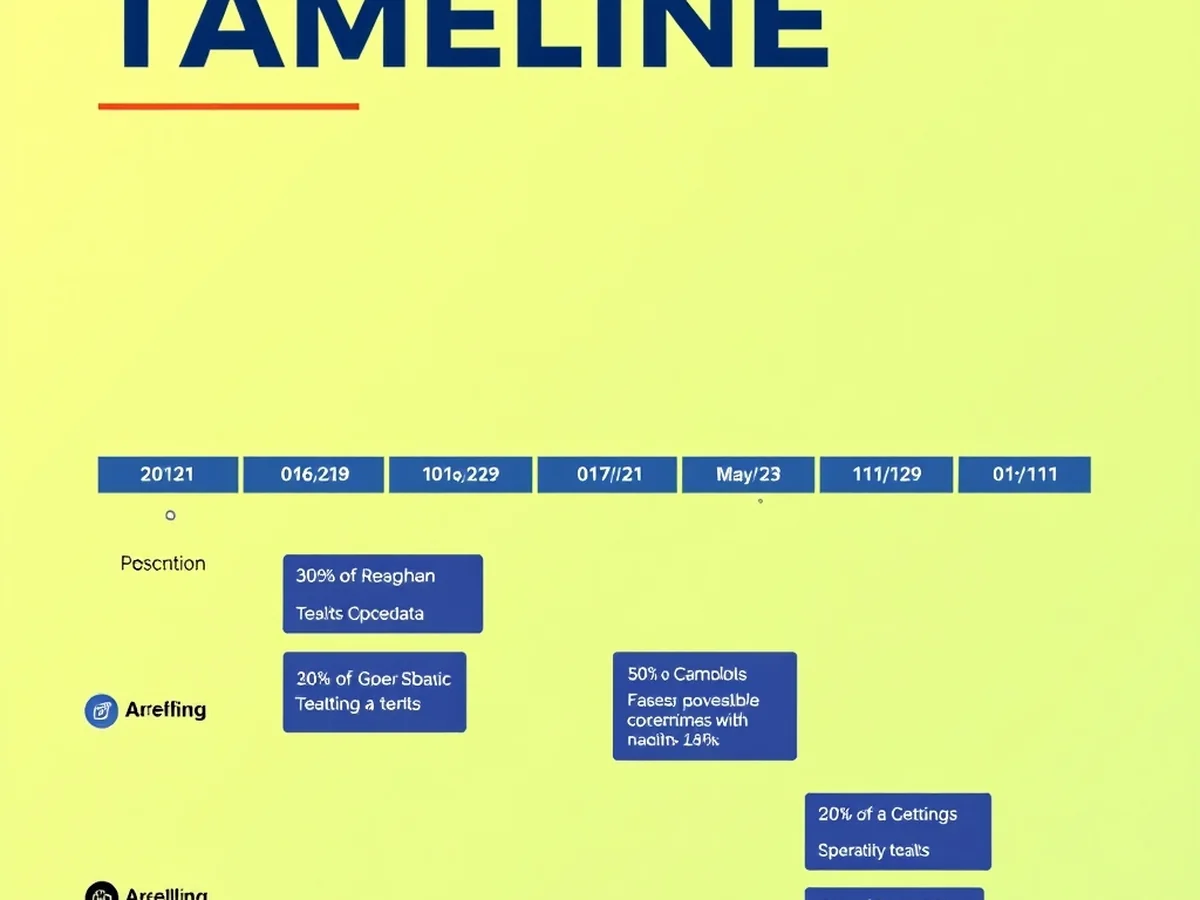
You will likely notice an immediate improvement in your breath freshness after your very first session. Removing the buildup of bacteria from the tongue dorsum reduces volatile sulfur compounds instantly. These compounds are the primary source of bad breath or halitosis. While the initial feeling of a cleaner mouth happens fast, the full Tongue Scraping Benefits require patience and dedication.
Consistency is the main factor for long term oral microbiome balance. Most users find that their sense of taste improves significantly within 7 to 10 days of daily practice. This happens because you are clearing away debris that dulls your taste buds. Expect to spend about 30 seconds each morning on this task to see meaningful changes in your overall oral hygiene.
Do not expect a permanent cure for bad breath if you only scrape occasionally. You must maintain this daily habit to keep the microbial load low. If you stop for more than 48 hours, the white coating will return as bacteria multiply rapidly in the warm environment of your oral cavity.
- Day 1: Immediate reduction of bad breath odor.
- Week 1: Noticeable improvement in taste sensitivity.
- Ongoing: Stable oral microbiome and reduced plaque accumulation.
Using a high quality stainless steel tool helps ensure you are effectively removing biofilm without damaging delicate tissue. Stick to this routine for at least two weeks to determine if it solves your specific concerns. If you still notice a heavy white coating after this period, consult your dentist to rule out other health issues.
When Scraping Fails
Scraping your tongue won’t solve bad breath if the issue stems from an underlying medical condition. While there are many tongue scraping benefits for general oral hygiene, a persistent foul odor often points to deeper health concerns. If you maintain a daily cleaning habit but notice no change after 14 days, you should consult a professional.
Mechanical removal of biofilm helps with minor odors caused by bacteria on your tongue dorsum. However, it cannot fix issues originating in your throat, sinuses, or digestive tract. Some cases of halitosis are linked to systemic health problems that require a doctor’s diagnosis.
You need to see a dentist or doctor if you notice these warning signs:
- Pain or open sores on your tongue or gums.
- A thick white coating that does not come off with gentle pressure.
- Patches that appear bright red, yellow, or black.
- Bleeding gums during your normal brushing routine.
- A metallic taste that persists after cleaning.
These symptoms might indicate periodontal health issues or oral infections. A dentist can determine if your bad breath is actually caused by gum disease or dry mouth rather than simple debris. Relying only on a stainless steel or copper tool will not treat a fungal infection like oral thrush. If you see unusual bumps or have persistent discomfort, stop using your scraper immediately. Professional dental care is necessary to address these specific medical concerns safely.
Frequently Asked Questions

You won’t damage your taste buds if you use a light touch. Most people apply too much pressure when they start. Use a gentle sweep from the back to the front of your tongue. This mechanical action helps remove white coating on tongue buildup without harming sensitive tissues.
Scraping does more than mask odors. It physically removes the bacteria that produce volatile sulfur compounds, which are the main cause of halitosis. While a toothbrush cleans teeth well, a dedicated tool is far more effective at clearing the debris that gets trapped in the tongue dorsum.
Aim to clean your tongue once each morning before eating. This daily tongue cleaning habit fits easily into your routine. If you notice irritation or soreness, stop immediately for a day or two. You might be pressing too hard or using an edge that is too sharp.
Most beginners should start with a stainless steel or plastic tool. These are easy to sanitize and usually cost under $8. Copper options are popular for their antimicrobial properties but require more frequent polishing to stay clean. Avoid scraping over any open sores or painful cuts in your oral cavity to prevent further injury.
Many users notice tongue scraping benefits within just one week of consistent use. Stick to a light pressure and focus on the back two thirds of your tongue to get the best results for your overall oral health.
Conclusion
Adding this habit to your morning routine helps lower the microbial load in your mouth. You will likely notice fresher breath and a cleaner mouthfeel within 3 to 5 days of consistent use.
The main Tongue Scraping Benefits center on removing the biofilm and bacteria that contribute to halitosis. While a toothbrush cleans your teeth, a dedicated tool is more effective at clearing the white coating on the tongue surface.
Choose a stainless steel or copper tool for better durability and hygiene compared to plastic options. These materials are easier to sanitize and resist bacteria buildup over time.
- Start with a very light touch to avoid irritating your sensitive taste buds.
- Focus on preventing gum disease by keeping the oral cavity free of excess buildup.
- Listen to your body and decrease pressure if you feel any discomfort or soreness.
Consistency is more important than force when building this daily oral hygiene habit. You do not need to scrape hard to see results. A gentle sweep from the back of the tongue toward the front is enough to manage the bacteria population. Integrating this simple step supports your long term periodontal health without requiring expensive products or complicated procedures.
For another perspective, this detailed piece on Benefits of Tongue Scraping | Penn Dental … is worth a read.
You might also like: How Accurate Is AI Smile Analysis, Really?