Invisalign vs Braces for Adults: Cost, Comfort & Which Lasts Longer
How Invisalign Works
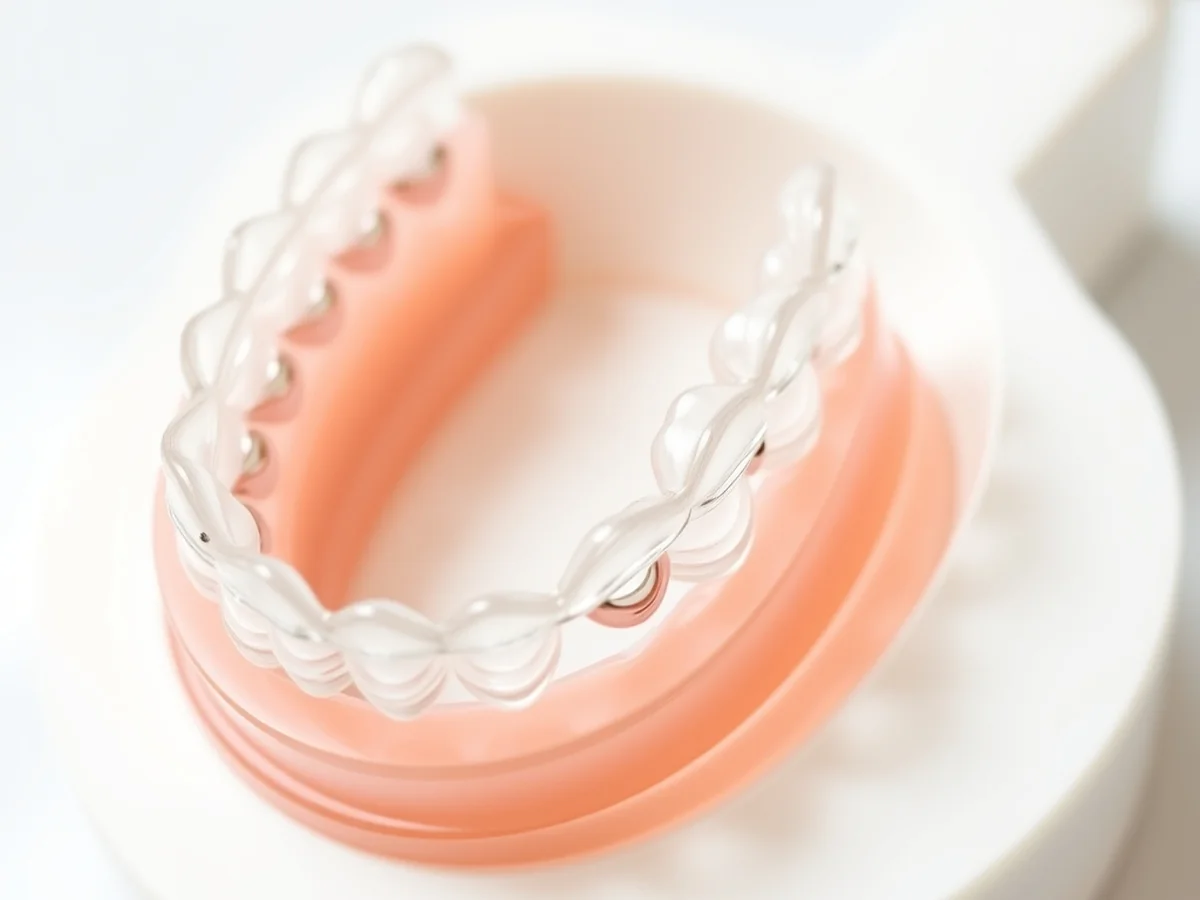
Many adults now choose clear plastic aligners over traditional metal brackets for a subtle smile makeover. This shift allows you to straighten your teeth without the social impact of wires and rubber bands.
The system relies on a series of custom trays that you swap every 1 to 2 weeks. These trays apply gentle pressure to move your teeth toward their final position. Your orthodontist might bond small tooth-colored dots called attachments to your enamel. These help the plastic grip better for complex rotations or vertical movements.
When considering Invisalign vs Braces, you must weigh the aesthetic gains against the need for strict discipline. You have to wear your aligners for at least 22 hours per day to stay on track. If you leave them out too often, your teeth will not move as planned and your orthodontic treatment time will stretch longer.
The main trade-off is lifestyle. You can remove your trays to eat or brush your teeth, which makes maintaining your oral hygiene routine simple. However, you must commit to cleaning the aligners and your teeth after every snack. If you lack the habit of wearing them consistently, fixed appliances might be a more reliable choice.
How Braces Work
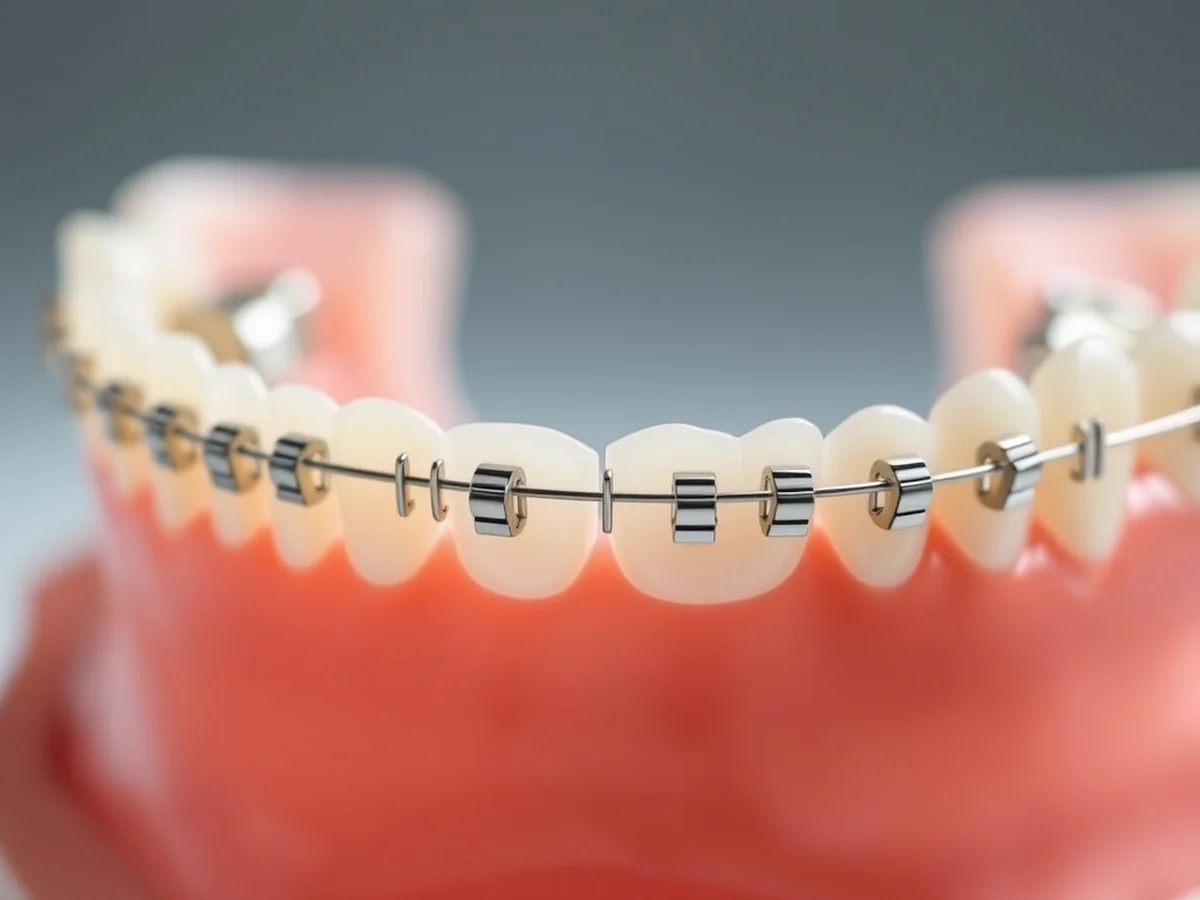
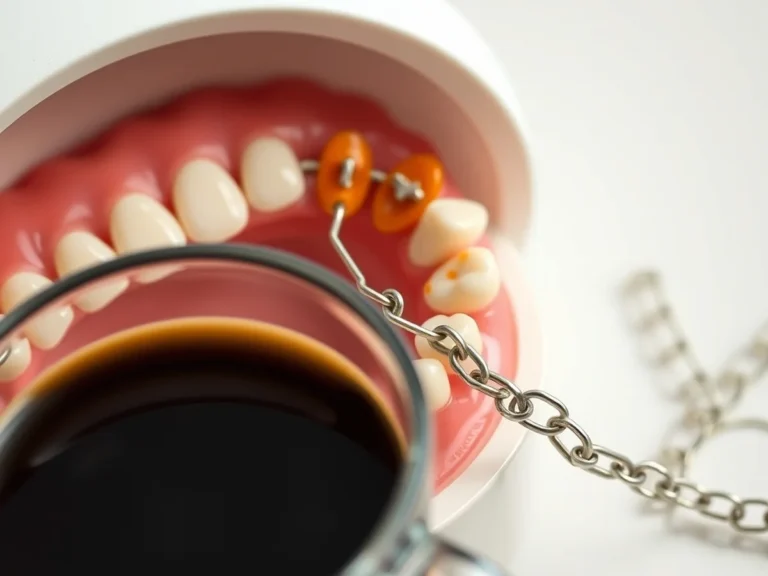
Traditional metal hardware relies on small metal brackets bonded to each tooth. These are connected by a thin orthodontic wire that your orthodontist tightens every 4 to 6 weeks. This mechanical pressure is what shifts your teeth into the correct position over time.
When weighing Invisalign vs Braces, the visual difference is stark. Metal hardware is permanently fixed to your teeth, making it highly visible during business meetings or social interactions. You cannot remove them before a presentation. This often impacts how people feel about their smile, as the hardware is always present. In my experience, many adults find this creates a barrier to their natural confidence while speaking.
Clear plastic aligners offer a different experience because they are nearly invisible. You can remove them for meals or special events, which provides a level of psychological comfort that fixed hardware cannot match. However, you must commit to wearing them for 22 hours every single day to see results. If you struggle with consistency, the fixed nature of traditional wires might be a more reliable path to a smile makeover. While metal options are unavoidable in the mirror, they remove the stress of remembering to put your trays back in after every coffee break.
Effectiveness and Compliance
The success of clear plastic aligners depends entirely on your discipline. You must wear them for 22 hours every single day to see results. This leaves only two hours for eating, drinking anything other than water, and cleaning your teeth.
When you compare Invisalign vs Braces, keep in mind that metal brackets stay fixed to your teeth. They work 24 hours a day without any effort on your part. If you frequently take your trays out for long dinners or social events, your teeth will not track properly. This failure to meet the 22-hour target often extends your total treatment time by several months.
Missing wear time forces your orthodontist to order new sets of trays to account for shifting. It can even lead to a loss of progress, forcing you to wear a previous set of aligners to get back on track. While braces use a constant orthodontic wire to move teeth, aligners rely on your strict adherence to the schedule. If you struggle with routine or snacking throughout the day, the passive nature of fixed appliances might offer more predictable outcomes for your malocclusion.
Comparing Treatment Time
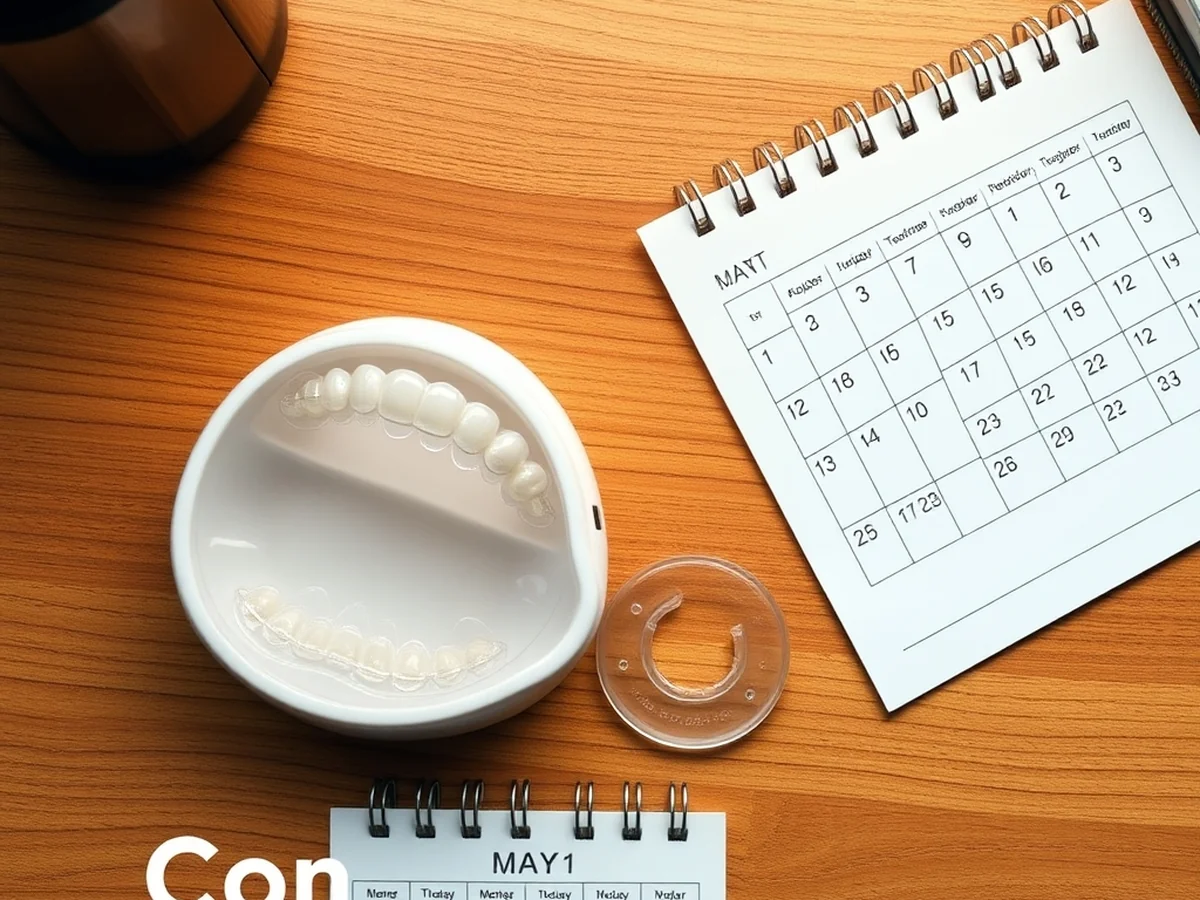
Most adults choose clear plastic aligners to avoid the rigid structure of metal brackets. When looking at Invisalign vs Braces, the time required depends on your specific bite needs. Simple cases often finish in 12 months with both methods.
Maintaining dental hygiene is much simpler with removable trays. You just pop them out to brush and floss your teeth normally. You don’t need special tools to clean around an orthodontic wire or rubber bands. This ease of use helps keep your gums healthy throughout your journey.
Traditional hardware presents a bigger challenge for your routine. Plaque tends to build up around the edges of metal pieces and under the wire. If you fail to clean these spots, you risk white spots on your enamel after the hardware comes off. You will likely spend at least 5 extra minutes each night ensuring every bracket is clean.
Some people find that compliance makes aligners faster, while others struggle to wear them for the required 22 hours per day. If you lose your tray, a replacement can take 3 to 5 days to arrive from the lab. Braces stay on your teeth, so they work every single hour without needing extra discipline.
Comparing Comfort Levels
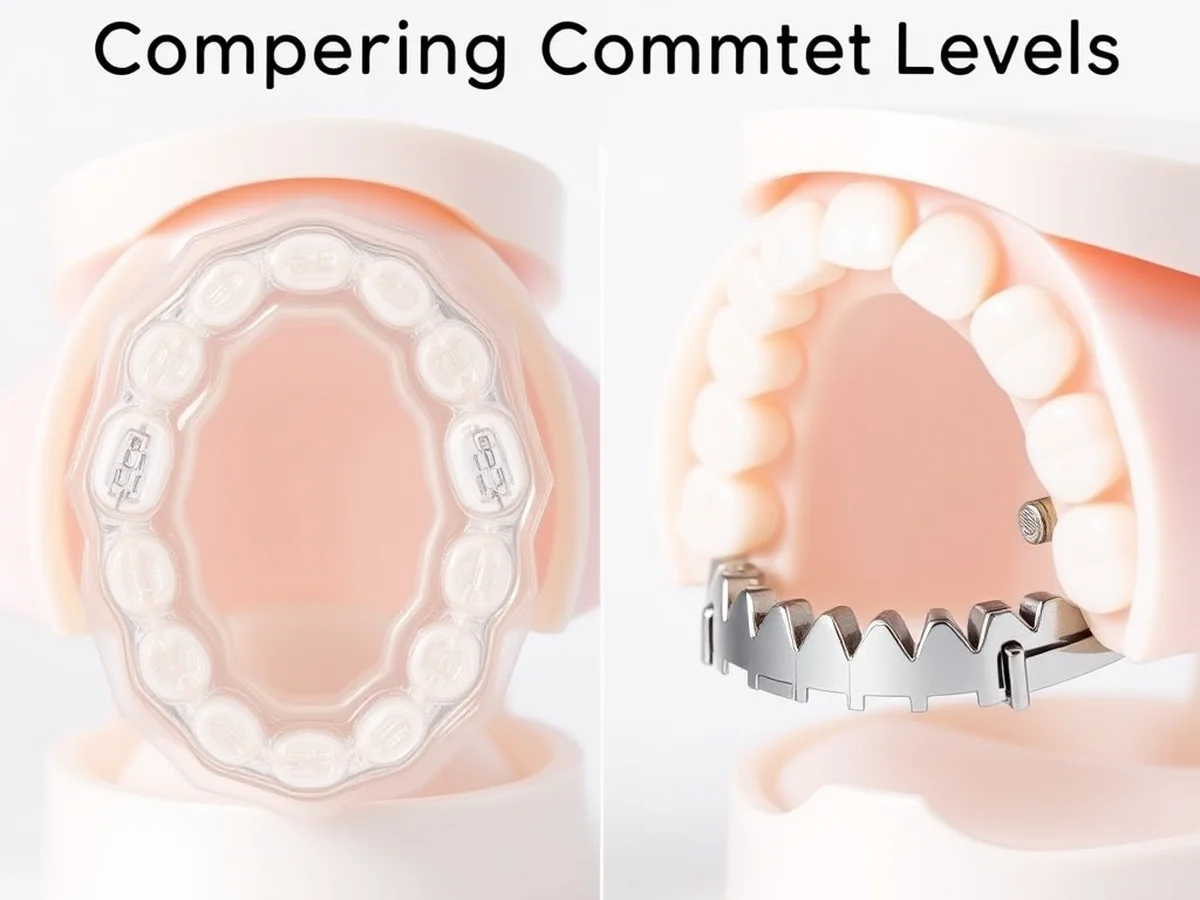
Clear plastic aligners offer a smoother feel against your cheeks compared to the hardware of metal brackets. You might assume aligners only handle minor crowding, but modern technology allows them to treat significant malocclusion cases. Many people find the transition to plastic trays easier on their soft tissue than the constant friction of orthodontic wire.
Your orthodontist will likely place small tooth-colored dots on your teeth called attachments to manage complex bite corrections. These bumps help the trays grip your teeth to apply pressure exactly where needed. This approach makes Invisalign vs Braces a closer match for difficult movements than it was a decade ago. While metal options use rubber bands to pull teeth into alignment, the attachments provide the necessary leverage for aligners.
I have noticed that patients often report less soreness with aligners because they apply pressure more gradually. However, you must commit to wearing them for 22 hours a day for the best results. If you fail to meet this orthodontic compliance, your treatment time will increase. Braces stay fixed in your mouth, which eliminates the risk of forgetting your appliance at home.
Cost Comparison Breakdown
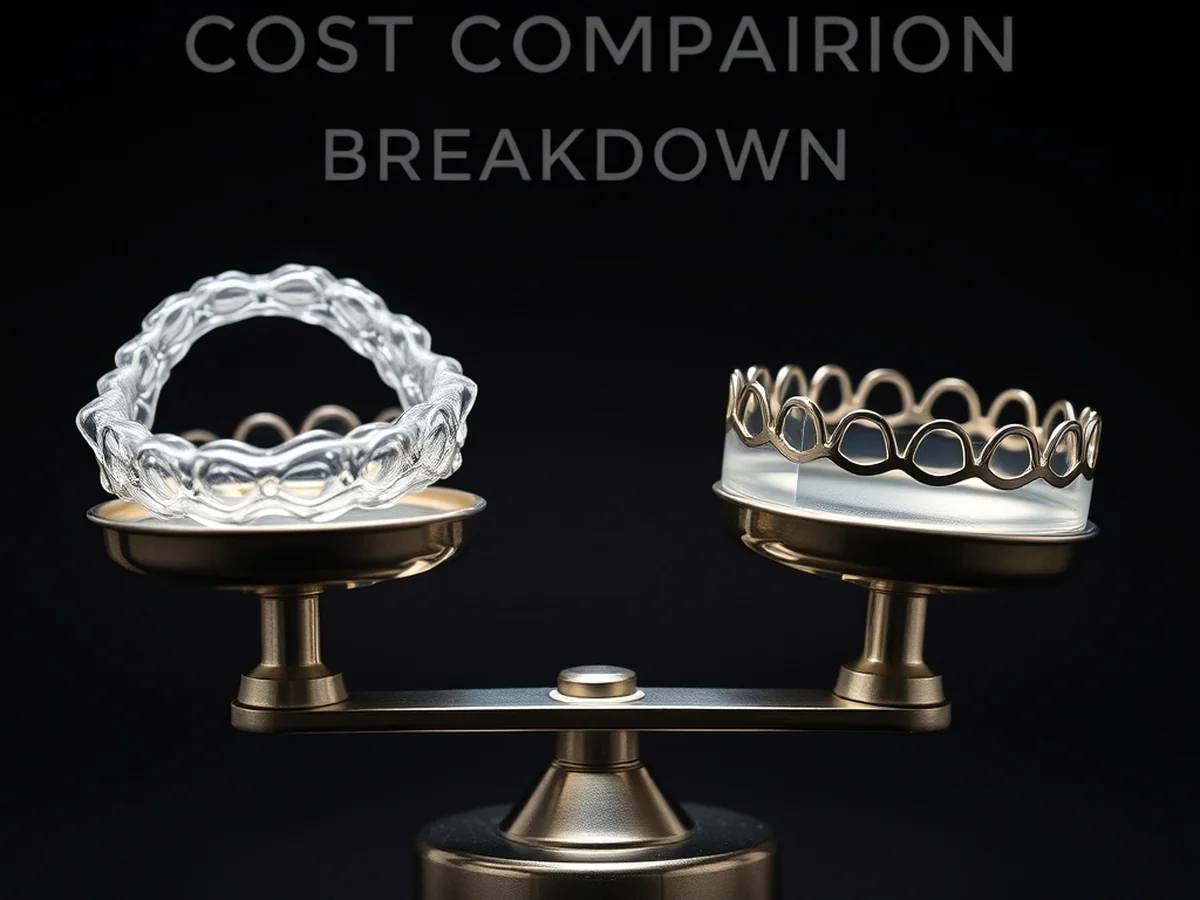
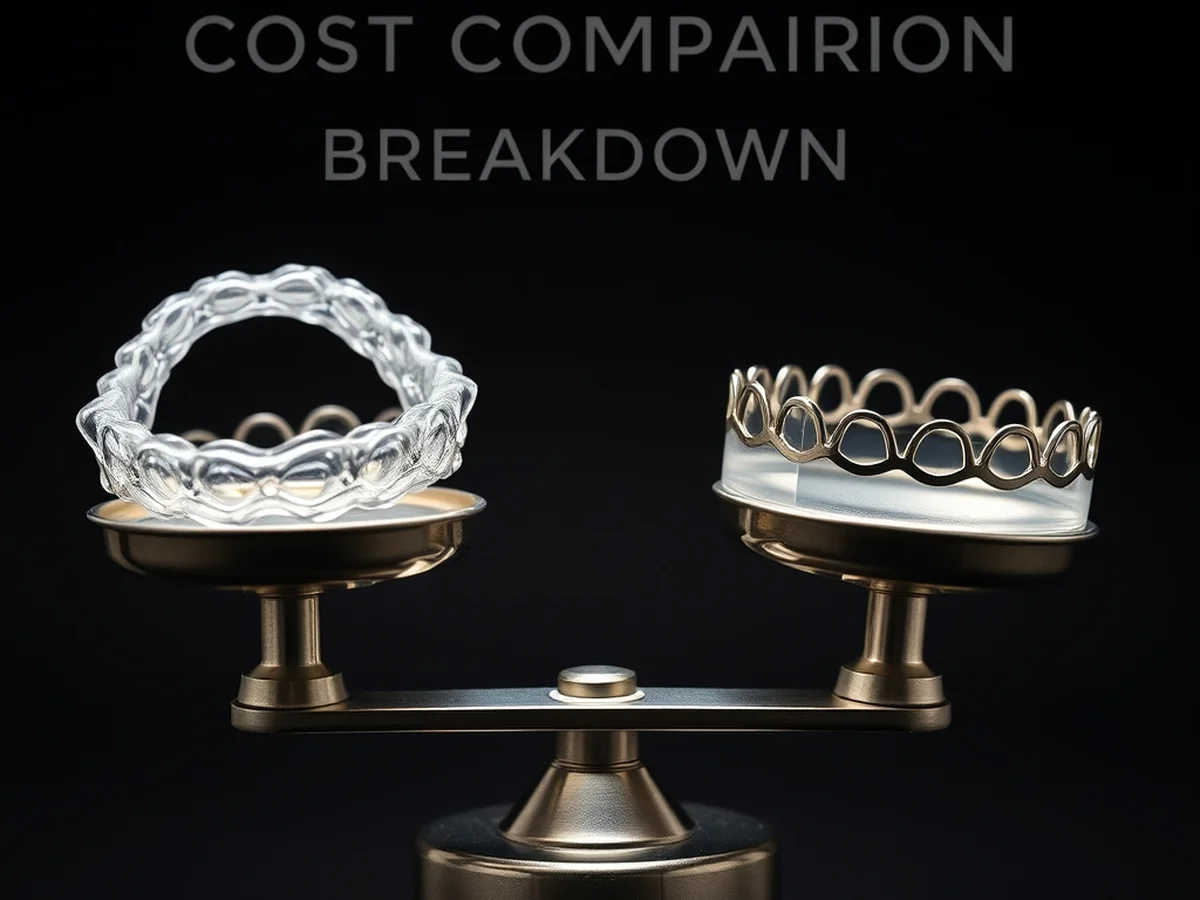
You can expect to pay between $3,000 and $8,000 for full orthodontic treatment depending on your specific needs. When looking at Invisalign vs Braces, the price often ends up being similar because both require extensive oversight from an orthodontist.
Most dental insurance plans treat both methods the same. They typically cover a lifetime orthodontic benefit, often capped at $1,500 to $2,000. Check your policy details before committing to a smile makeover, as some plans distinguish between cosmetic improvements and medically necessary bite alignment.
Hidden fees often catch patients off guard. With clear plastic aligners, you might pay extra if you lose a tray and need a replacement. Some doctors charge a flat fee for the entire course, while others bill for each set. Traditional metal brackets involve fewer hidden costs, but you must factor in the price of emergency visits to fix a broken orthodontic wire or loose bracket.
Always ask your provider if the quote includes your final retainers. These are essential for keeping teeth in place after treatment. Skipping this step often leads to relapse, forcing you to pay for additional adjustments later on.
Adjustment and Soreness
Both treatment paths involve an initial adjustment period where your mouth feels tender. When you start clear plastic aligners, you might notice a dull ache for the first 48 hours as your teeth begin to shift. Metal brackets usually cause more irritation to your cheeks and tongue initially. You can use wax to cover sharp edges until your soft tissues toughen up.
Pressure and Tightening
Comparing Invisalign vs Braces reveals a major difference in how they move teeth. Aligners apply constant, gentle force every day. You change your trays every 1 to 2 weeks to keep the pressure steady. In my experience, this constant movement feels more predictable but requires high discipline.
Traditional hardware works through periodic tightening. Your orthodontist adjusts the orthodontic wire during monthly visits to pull your teeth into place. This creates a sudden spike of pressure followed by a period of relaxation. Some patients prefer this method because they do not have to manage their own progress. If you struggle with consistency, you might find that fixed brackets take the guesswork out of your smile makeover. Both methods effectively fix malocclusion when followed correctly.
Cleaning Comparison
Comparing Invisalign vs Braces shows distinct differences in your daily dental hygiene routine. Removable clear plastic aligners let you brush and floss like normal. Traditional metal brackets trap food particles against your enamel, requiring special tools like floss threaders to reach under the orthodontic wire.
| Feature | Clear Aligners | Metal Brackets |
|---|---|---|
| Cleaning | Easy, remove to brush | Difficult, requires extra care |
| Lifestyle | Must remove to eat | No removal needed |
| Maintenance | High compliance needed | Passive treatment |
Consultation Advice
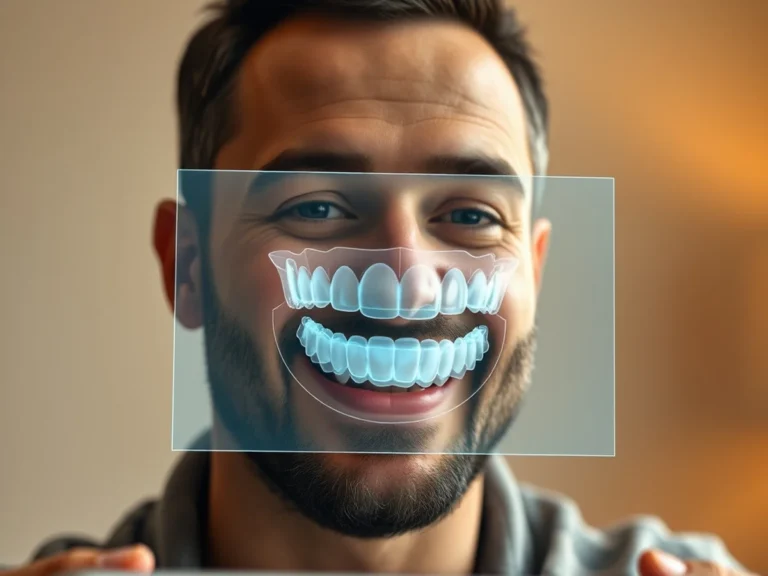
When you visit an orthodontist for your first appointment, bring a list of your specific bite concerns. Ask them to show you a digital simulation of your potential smile makeover. A standard consultation often costs between $50 and $150, which some offices apply toward your total treatment plan if you sign up.
Be honest about your ability to follow strict orthodontic compliance requirements. If you struggle with discipline, fixed metal brackets might be the safer choice. Confirm if your dental insurance covers a specific percentage of the total fee or just a flat dollar amount. Always ask for a clear breakdown of the total cost of adult orthodontics before choosing your path.
Aesthetic Differences

Most adults choose clear plastic aligners because they remain nearly invisible during professional meetings or social events. Traditional metal brackets are permanently fixed to your teeth and feature an orthodontic wire that is visible whenever you speak or smile.
When comparing Invisalign vs Braces, keep in mind that aligners require high patient compliance. If you lose an aligner, you must contact your orthodontist immediately to avoid shifting. Replacements typically cost about $100 per tray. While some patients hope for a faster path, treatment time depends on the complexity of your bite. Braces often move teeth faster for complex cases because they apply constant, non-removable pressure.
Both methods require a lifelong commitment to retainers once your active treatment finishes. Without wearing these custom trays at night, your teeth will naturally drift back to their original positions.
- Aligners are removable, which helps with your daily dental hygiene routine.
- Metal brackets stay on 24/7, meaning you cannot easily remove them for a big event.
- Attachments on teeth are sometimes needed for aligners to grip, which can be slightly visible.
- Traditional hardware often uses rubber bands, which some adults find distracting during conversations.
Choosing Between Options
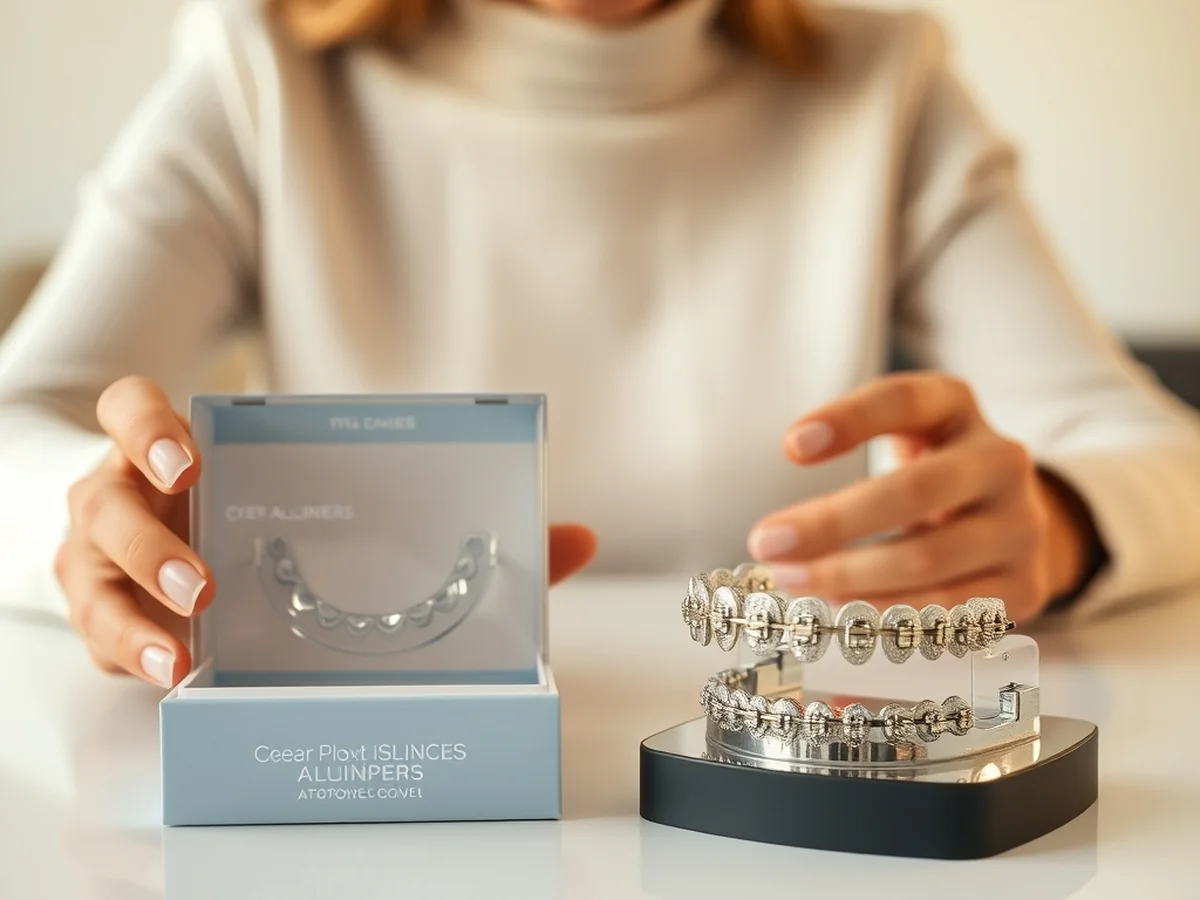
Your ideal path depends on your personal lifestyle, total budget, and specific dental needs. Comparing Invisalign vs Braces requires looking at how each system fits into your daily routine and professional life.
If you prioritize aesthetics and easy cleaning, clear plastic aligners might feel like the better choice. They allow you to remove the trays for meals. However, this demands high discipline. You must wear them for at least 22 hours every single day to see results. If you struggle with consistency, the fixed nature of metal brackets provides a set it and forget it solution that removes the risk of non-compliance.
Cost also plays a major role in your decision. Many dental insurance plans offer similar coverage for both methods, but you should verify your specific benefits before starting. You might find that a full treatment plan costs around $5,000 depending on the complexity of your bite alignment.
Always seek a professional evaluation from a licensed orthodontist to review your unique case. They can assess your enamel health and jaw structure to confirm which option will yield the best long-term results for your smile makeover.
For another perspective, this detailed piece on Invisalign Vs Braces (The Pros and Cons of Each) – The Ortho is worth a read.
You might also like: Clear Aligners for Teens vs Adults: What’s Actually Different