
7 Signs You Might Be a Good Candidate for a Smile Makeover
Defining Your Smile Goals

Start by separating your desire for dental aesthetic improvement from underlying health needs. A Smile Makeover focuses on the appearance of your teeth, while restorative dentistry addresses structural problems like decay or infection.
You might want to change your look if you have minor gaps, stains, or slightly crooked teeth. These issues are often solved with porcelain veneers or teeth whitening. If you feel pain when biting, or if you have missing teeth, you likely need a medical approach first. Ignoring structural decay to focus only on looks can lead to long-term failure of your dental work.
Ask yourself if your primary goal is boosting confidence or solving physical discomfort. If you avoid certain foods because of sensitivity or a misaligned bite, your needs are restorative. A professional will often start with x-rays and impression molds to see what is happening beneath the gum line.
- Cosmetic goals: Fixing discolored teeth, closing gaps, or changing tooth shape.
- Restorative goals: Replacing missing teeth, fixing cracked enamel, or adjusting bite alignment.
Many patients find that a customized dental restoration plan blends both worlds. You might need periodontal surgery to even out gum levels before placing crowns. This ensures your final result is not just pretty but also stable. A full, detailed treatment plan typically costs around $150 to $300 for the initial consultation and imaging phase. Be honest with your dentist about whether you want a natural look or a high-glam style. This communication ensures the final result matches your personality rather than just following a generic template.
Addressing Persistent Staining
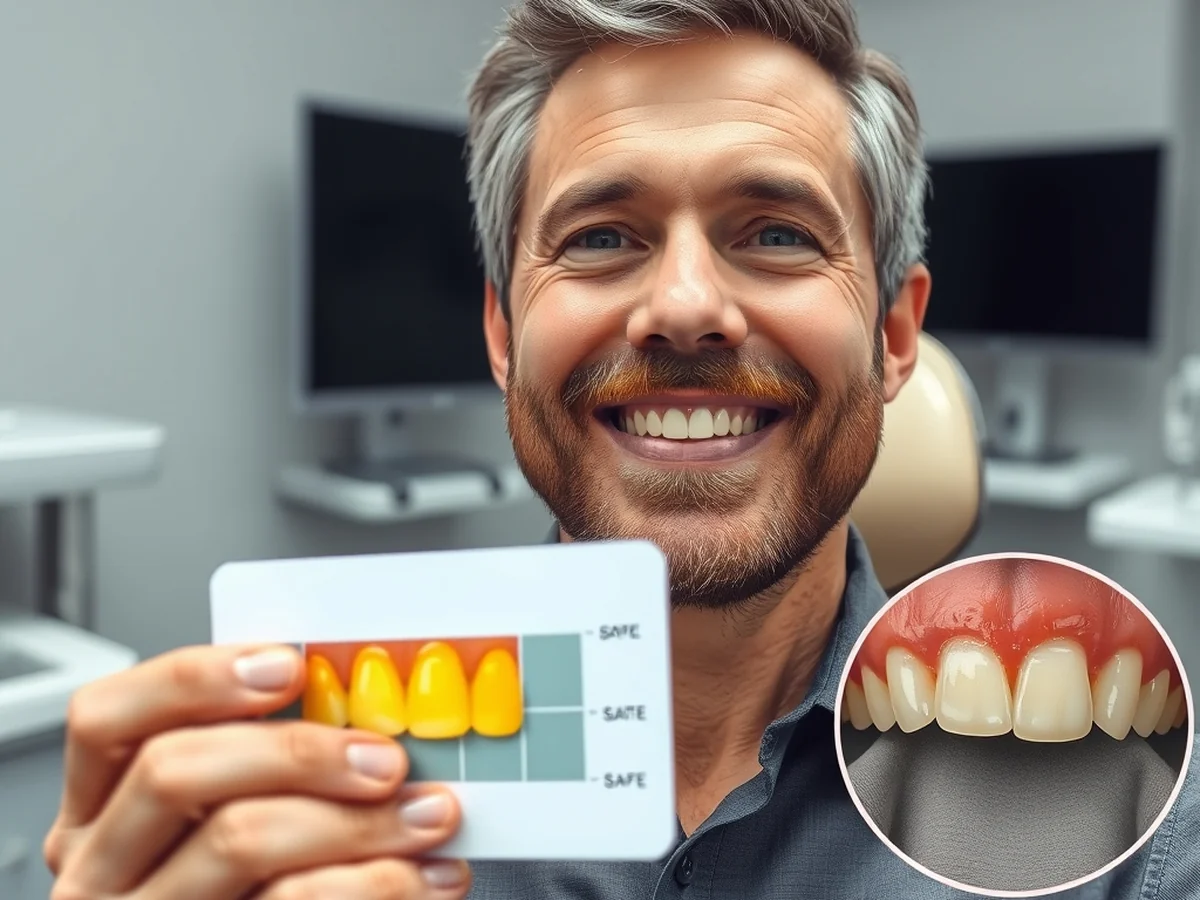
You should consider a Smile Makeover if professional whitening treatments have failed to brighten your smile. Stubborn stains often hide deep within the tooth structure, which surface bleaches cannot reach. If you have tried over the counter kits without success, the discoloration might be internal rather than external.
Your enamel health is the main factor in deciding between simple whitening and porcelain veneers. Healthy, thick enamel responds well to bleaching agents. If your enamel is thin or heavily worn, whitening may cause extreme sensitivity or uneven results. In these cases, capping the teeth with veneers provides a consistent and lasting shade.
Consider these points regarding your tooth surface:
- Thin enamel often shows the yellow dentin layer underneath, making whitening ineffective.
- Deep intrinsic stains from medication or injury usually require dental crowns or veneers to mask the color.
- Healthy gums are a prerequisite for any cosmetic work to ensure the borders of the restoration look natural.
A professional consultation will involve an oral health assessment to check your tooth density. If your enamel is too compromised, veneers become the safer option to prevent further structural damage. While whitening costs around $500 for a professional session, veneers require a higher investment due to the custom fabrication process. Your dentist will take impression molds to see if your bite can support the thickness of new restorations. If the staining is caused by decay or structural cracks, your dentist might suggest a more restorative approach to ensure long term success. You do not need to accept dull or discolored teeth as permanent, but choosing the right method is vital for the health of your natural tooth structure.
Fixing Structural Damage
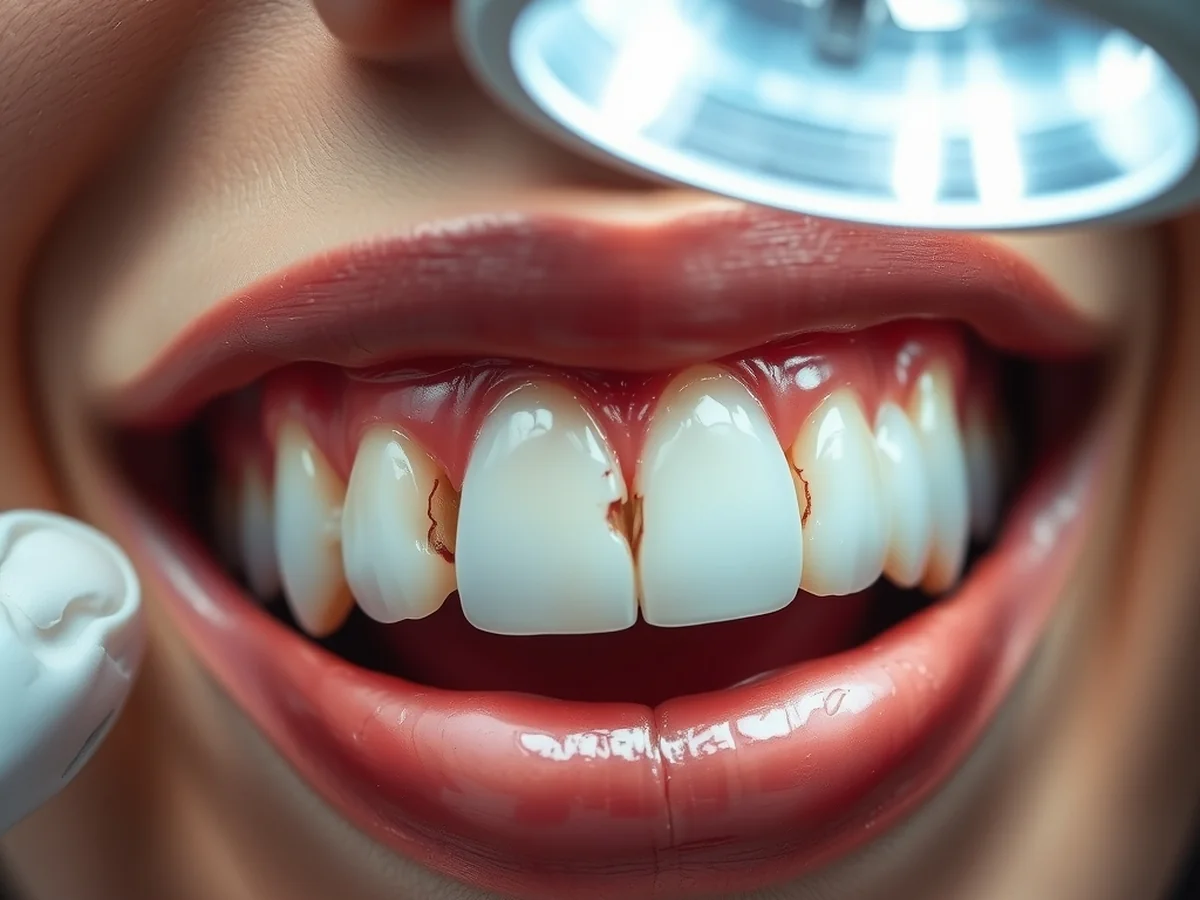
You need a Smile Makeover if your teeth show visible cracks or jagged edges that go beyond simple surface stains. These structural flaws often signal that your enamel is compromised and requires professional intervention to prevent further decay.
I have seen many patients ignore small chips, only to find that bacteria eventually settle into those gaps. Once a fracture reaches the inner layers of the tooth, the risk of infection grows rapidly. Addressing these issues early acts as a protective shield for your oral health.
Consider these signs that your teeth need structural reinforcement:
- Visible vertical cracks that become sensitive when you drink cold water.
- Jagged edges on your front teeth that catch on your lip or tongue.
- Old fillings that have started to leak or show dark lines at the borders.
- Chunks of enamel missing from heavy grinding or accidental impact.
Composite bonding is a great starting point for minor chips. It involves applying a tooth colored resin that mimics your natural tooth structure. For larger breaks, dental crowns provide better durability by covering the entire top portion of the tooth. A custom crown often costs around $1200 per tooth depending on the material and your location.
When you fix these structural problems, you stop the decay from spreading deeper into the tooth roots. This proactive approach saves you from needing more invasive procedures like root canals later on. Getting your bite alignment and tooth integrity sorted is a necessary foundation for any cosmetic dentistry procedures. It ensures that your new look is not just beautiful but also strong enough to handle daily chewing for years.
Evaluating Gum Symmetry

You might be a prime candidate for a Smile Makeover if your gum line distracts from the appearance of your teeth. Many people notice that their gums cover too much of the tooth surface, which creates the look of short or stubby teeth. This condition is often called a gummy smile and it can disrupt your facial harmony.
A balanced smile relies on the correct proportion between your pink gum tissue and your white enamel. When your gums are uneven or sit too low, your teeth may appear smaller than they actually are. This disproportion often makes your teeth look crowded even when they are properly aligned. Assessing this balance is a standard step during your initial dental consultation.
If you feel your gums hide your teeth, gum contouring serves as an effective way to frame your smile. This procedure removes small amounts of excess tissue to reveal more of the natural tooth structure. It creates a symmetrical arch that complements the shape of your lips. By adjusting the gum line, a dentist creates a more open and inviting look before adding other treatments like porcelain veneers.
Most gum contouring procedures are precise and take about 60 to 90 minutes to complete in the office. You should expect a healing period of roughly one week before your gums fully settle into their new shape. This simple adjustment often acts as the foundation for your overall smile design treatment plan. It ensures that any further work, such as crowns or whitening, sits against a clean and uniform backdrop. When your gums are properly contoured, your teeth appear longer and your entire face looks more refreshed and youthful.
Correcting Bite Alignment
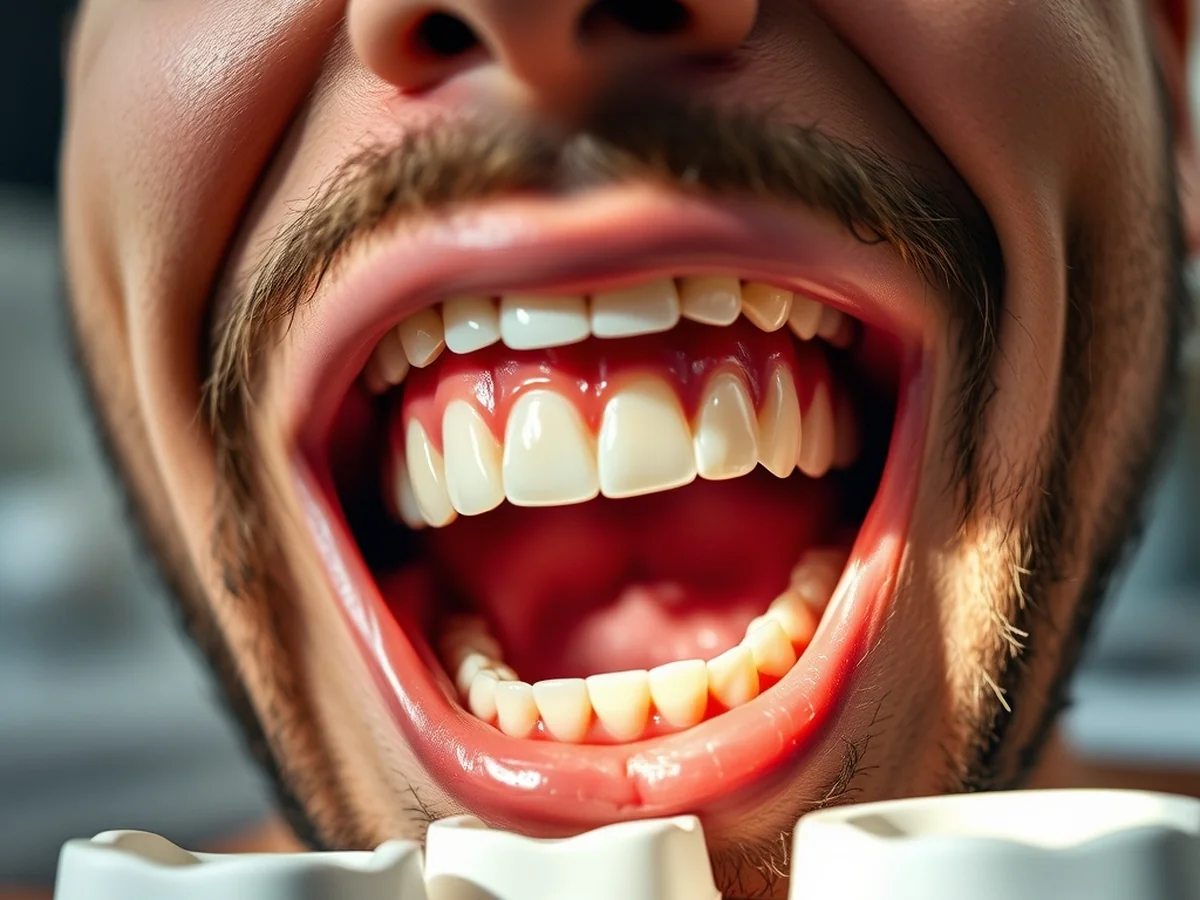
You must address your bite alignment before beginning any cosmetic work. If your top and bottom teeth do not meet correctly, they place uneven pressure on your dental restorations. A dentist will usually check your bite using x-rays or impression molds during your initial consultation.
Fixing structural issues first ensures that your final results last as long as possible. If you ignore a misaligned bite, you risk chipping or cracking your new porcelain veneers. These restorations are fragile when they face excessive biting force. You might need 6 to 18 months of orthodontics to move your teeth into the right position before your dentist can safely place crowns or veneers.
- Proper alignment protects the integrity of your dental work.
- Misaligned teeth cause premature wear on composite bonding.
- A stable foundation prevents costly repairs or replacements later.
When your teeth meet evenly, your jaw muscles stay relaxed. This reduces the risk of long-term discomfort or clicking sounds in your jaw joint. While moving teeth takes extra time, it serves as a vital step in a successful Smile Makeover plan. Rushing into aesthetic changes without fixing the underlying bite often leads to disappointment when restorations fail under pressure.
Expect to pay around $3,000 to $7,000 for standard orthodontic treatments if you require them before starting your cosmetic journey. This investment pays off by creating a stable base for your new smile. Once your teeth sit in their proper places, your dentist can finalize the shape and shade of your restorations with much higher precision.
Your Smile Makeover Timeline

A typical Smile Makeover journey usually takes between two to six months from the first visit to the final reveal. The total duration depends on how many cosmetic dentistry procedures you need to reach your goal.
Your dentist starts by taking high resolution x-rays to check the health of your roots and jawbone. These images reveal hidden issues that could affect your new teeth. You will also have impression molds taken to create a physical model of your current bite. These molds allow the lab to see exactly how your teeth meet when you chew.
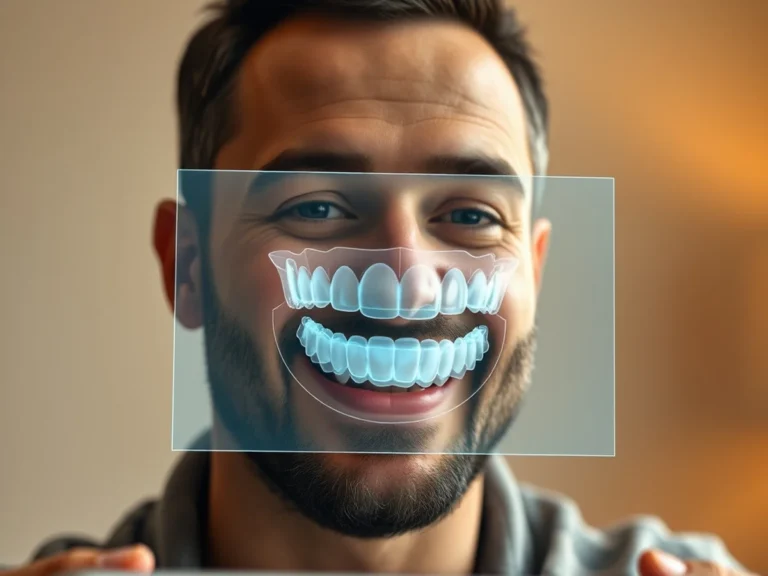
Modern clinics now use digital smile design to show you the end result before any drilling begins. You view a digital simulation of your face that displays how porcelain veneers or crowns will change your look. This software helps you visualize changes in tooth shape and gum alignment. I found this step helpful because it removes the guesswork about how a specific shade of white will appear in your mouth.
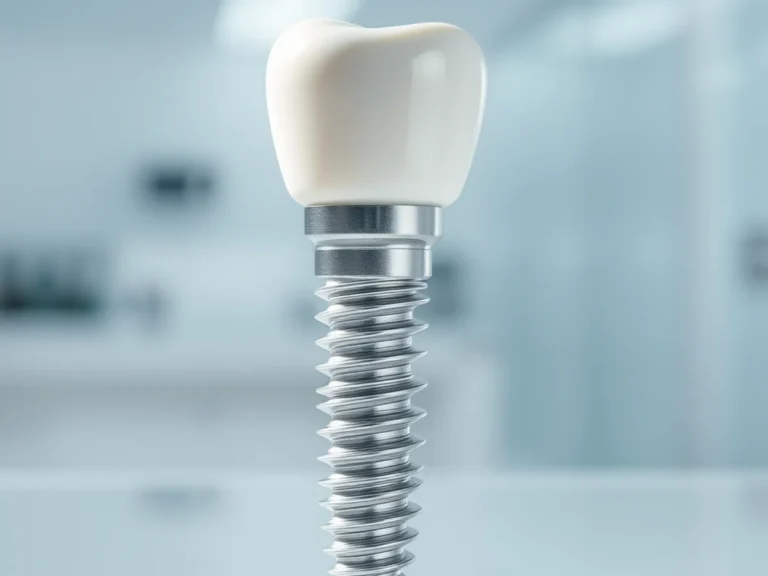
You should plan for at least three separate appointments during the process. The first visit focuses on planning, while the middle sessions involve preparation of the enamel. Expect a gap of two weeks between these steps so the lab can craft your custom restorations. If you require gum contouring or implants, the timeline extends by a few months to ensure proper healing. A single customized dental restoration might cost as little as $800 per tooth, but complex plans vary significantly based on your specific needs. Trusting this timeline helps you manage expectations for your dental aesthetic improvement.
FAQ
Do I need perfect oral health first?
Yes, your mouth must be healthy before starting a Smile Makeover. Dentists require a clean bill of health to ensure your gums and jawbone can support new work like porcelain veneers or dental crowns. Active decay or gum disease will compromise your results.
Is there a difference in cost?
Simple cosmetic dentistry procedures like teeth whitening are much cheaper than a full mouth reconstruction. A basic whitening service might cost $500, while a comprehensive reconstruction involving implants or bridges can easily exceed $30,000. Costs vary based on the number of teeth treated and the materials used.
How long is the process?
A simple bonding procedure can be finished in one visit. More complex plans involving orthodontics or multiple crowns often span several months. Your dentist will map out a smile design treatment plan during your initial consultation.
Are my concerns cosmetic or structural?
Cosmetic issues involve the appearance of your teeth, such as color or minor gaps. Structural concerns involve your bite alignment or missing teeth, which often require restorative dentistry. Your dentist uses x-rays and impression molds to determine if you need functional correction alongside aesthetic changes.
Will I have significant downtime?
Most patients return to work the day after their appointments. Procedures like gum contouring or periodontal surgery may require a few days of recovery. You should expect some temporary sensitivity while your enamel adjusts to new restorations.
Vetting your dentist
Finding a qualified professional is critical for a successful Smile Makeover. You should look for a dentist who specializes in restorative and cosmetic work. Start by asking to see a portfolio of their previous customized dental restoration cases. Real photos of patients with similar tooth issues are more reliable than stock imagery.
During your consultation, ask if they perform digital smile design in their office. This technology allows you to see a preview of your results before any irreversible work begins. A skilled dentist will also review your recent x-rays to ensure your bone structure is healthy enough for procedures like porcelain veneers or implants. If they do not prioritize your long-term oral health over the aesthetic outcome, look elsewhere.
Expect a thorough assessment of your bite alignment and gum aesthetics. A professional should explain the difference between purely cosmetic changes and necessary structural repairs. If a dentist suggests a plan costing over $15,000 without explaining the clinical reasoning, feel free to seek a second opinion.
Communicating your vision
Clear communication prevents disappointment and ensures your new smile fits your face. Bring 3 to 5 photos of smiles you admire to your first appointment. Point out specific details like tooth shape, brightness, and gum visibility.
Describe your goal in terms of lifestyle rather than just clinical terms. Explain if you want a subtle change or a dramatic shift in your appearance. Ask your dentist how your requests affect your teeth whitening and veneers options. If they understand your expectations early, they can adjust the smile design treatment plan to match your personal style and facial symmetry.
For another perspective, this detailed piece on Smile Makeover – Cosmetic Dentist Toronto is worth a read.
You might also like: Composite Bonding vs Veneers: Which Is Right for Your Smile