
How Modern Orthodontic Brackets Protect Dental Enamel During Treatment
How Brackets Protect Enamel
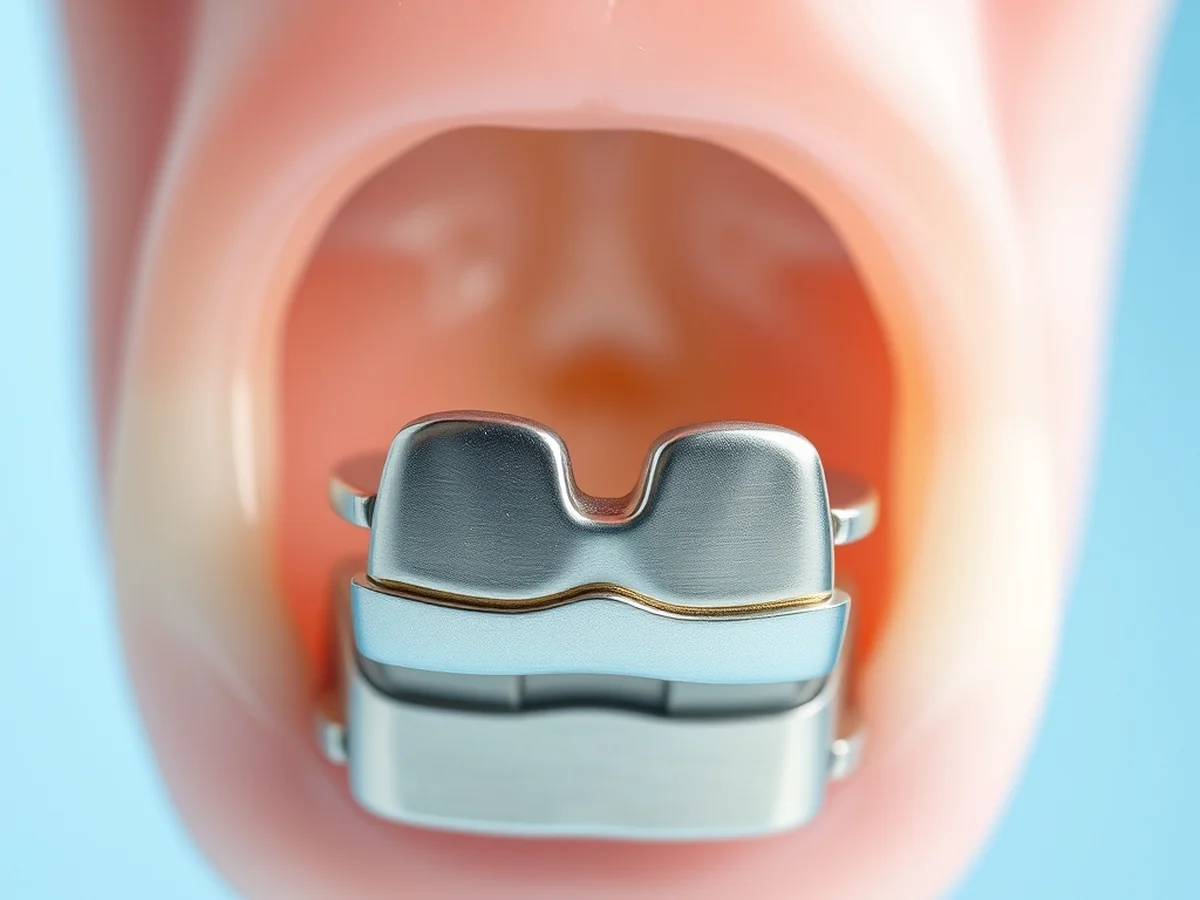
You might worry about permanent marks on your teeth, but modern Orthodontic Brackets Protect Dental Enamel by acting as a physical shield. The surface of your tooth hidden directly beneath the metal base stays sealed away from the hazards of daily life.
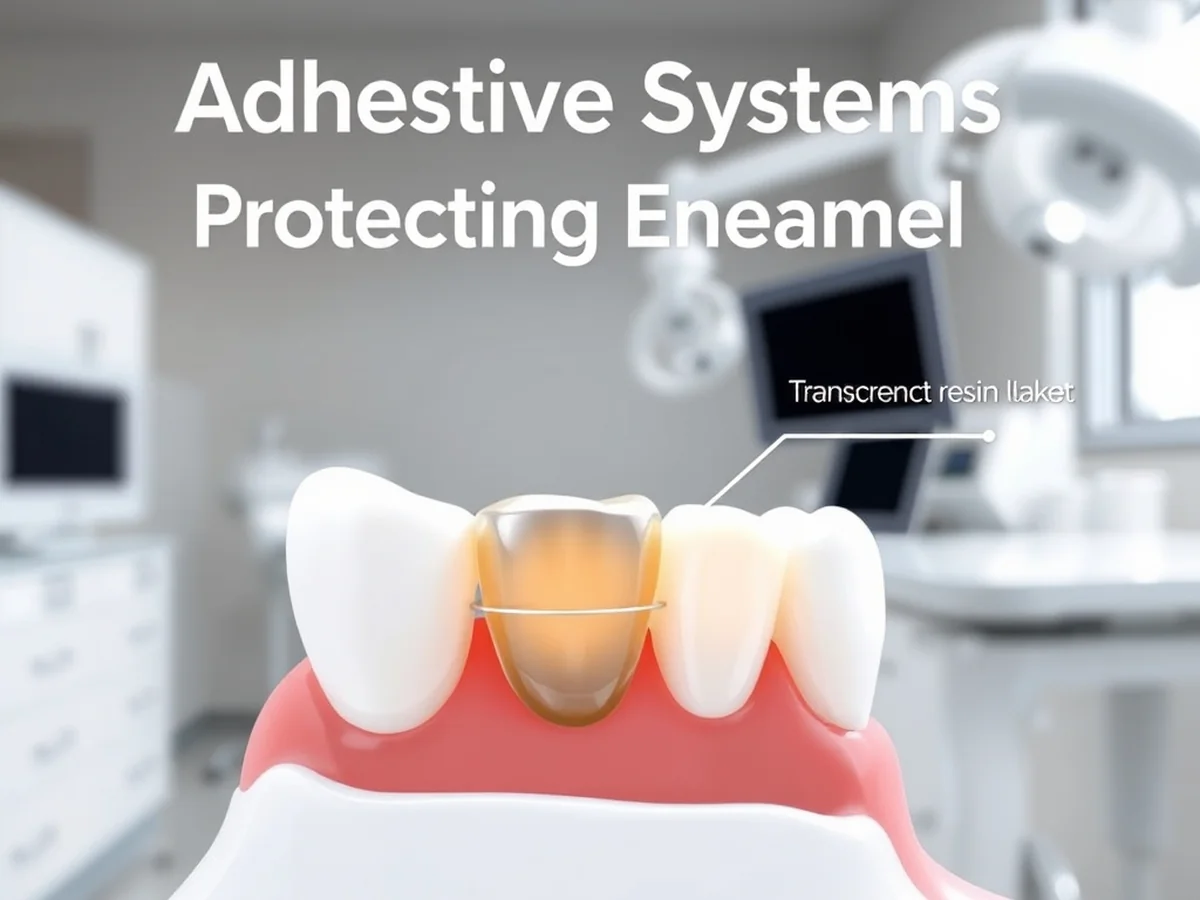
Most people fear that the bonding process harms their teeth, yet modern science shows the opposite. Dentists use advanced dental adhesive that creates a tight, water-proof seal. This bond prevents food debris and bacteria from reaching the enamel directly underneath the bracket. Because that specific spot is covered, it remains safe from direct acidic erosion caused by sugary drinks or starchy foods.
The safety of your teeth relies on the chemistry of the materials used. Many orthodontists now use a resin-modified glass ionomer cement. This special material slowly releases fluoride to the area surrounding the bracket. It helps keep the tooth surface strong even while you wear your braces. Unlike old adhesives that might allow micro-leakage, these modern versions provide a consistent barrier against decay.
- The adhesive creates a 100 percent seal over the bonded area.
- Fluoride-releasing materials actively strengthen the tooth structure.
- The bracket base prevents direct contact with plaque-causing acids.
You don’t need to fear the removal process either. When your treatment ends, your orthodontist uses a precise tool to lift the bracket off the tooth. This process leaves the underlying enamel intact because the bond is designed to break cleanly without pulling away healthy tooth structure. Your dental health remains a priority from the day you start treatment until your final check-up.
Adhesive Systems Protecting Enamel
Preventing White Spots
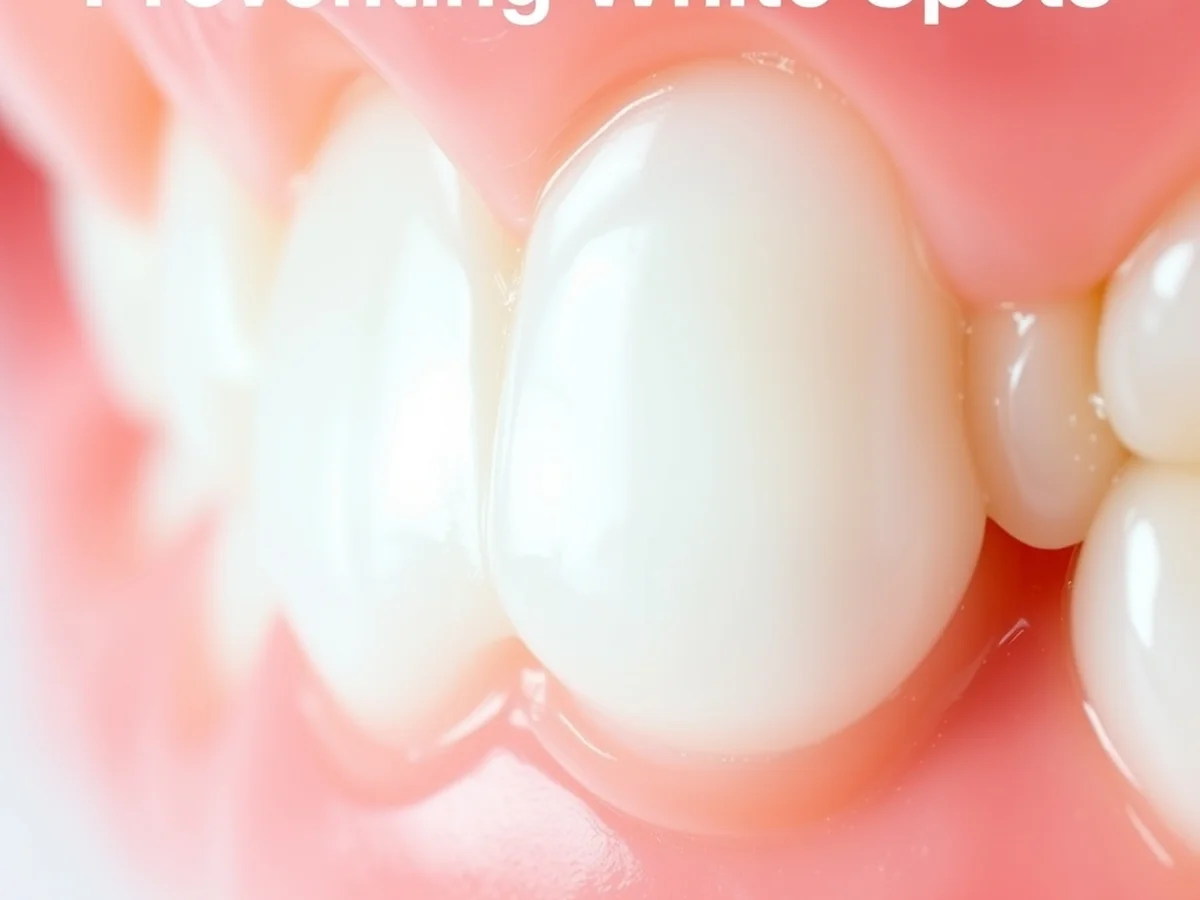
White spot lesions represent the first visible stage of enamel demineralization. These opaque marks appear when minerals leach out of your teeth due to lingering plaque. While you might worry about your teeth, modern Orthodontic Brackets Protect Dental Enamel by sealing the surface directly beneath the bonding point.
The spots do not form under the bracket itself. They occur in the surrounding areas where plaque accumulation creates acidic erosion. Because the adhesive creates a complete seal, bacteria cannot reach the area covered by the metal or ceramic piece. This means the enamel hidden by the bond remains perfectly protected throughout your treatment.
You can keep your enamel surface balanced by following these daily habits:
- Use interdental brushes at least twice a day to clear food debris from the edges of your appliances.
- Apply a fluoride varnish or a paste containing bioactive glass to help with natural remineralization.
- Maintain a neutral salivary pH by rinsing with water after eating sugary or acidic snacks.
Modern dental adhesive often contains fluoride-releasing properties that act as a shield for the surrounding tooth structure. This chemistry provides an extra layer of defense against decay. If you are worried about coverage, ask your orthodontist about applying a thin layer of dental sealant around the base of each bracket. This simple step adds about $50 to your total costs but provides significant peace of mind. Keeping the area clean remains the most effective way to ensure your teeth look as healthy as they feel once the braces finally come off.
Cleaning Around Protective Brackets

You keep your teeth healthy by removing plaque daily. While Orthodontic Brackets Protect Dental Enamel directly beneath the bond, the surrounding surface remains at risk if food stays trapped.
Start your routine by rinsing with water to dislodge loose debris. Next, use an interdental brush to clean the tight spaces between each bracket and the wire. These small brushes are essential for reaching areas where standard bristles fail. Move the brush in a gentle back and forth motion to clear away hidden bits of food.
Follow these steps to maintain your hygiene:
- Brush the top of each bracket at a 45 degree angle.
- Clean the bottom of the bracket using the same angle.
- Use a soft bristle toothbrush for the remaining tooth surface.
- Floss once a day using a floss threader to get under the main wire.
Removing plaque is the most effective way to prevent enamel demineralization. If left on the tooth for too long, bacteria produce acid that causes white spot lesions. These spots are permanent scars on your tooth surface. By keeping the area clean, you allow your saliva to naturally remineralize the teeth.
I suggest spending at least 3 minutes on this process every night. It feels like a chore at first, but it becomes a quick habit after a few weeks. You can also ask your orthodontist for a fluoride varnish during your regular checkup to add an extra layer of defense. Consistent cleaning ensures that the adhesive stays strong and the enamel around your hardware stays bright and smooth.
Professional Enamel Protection
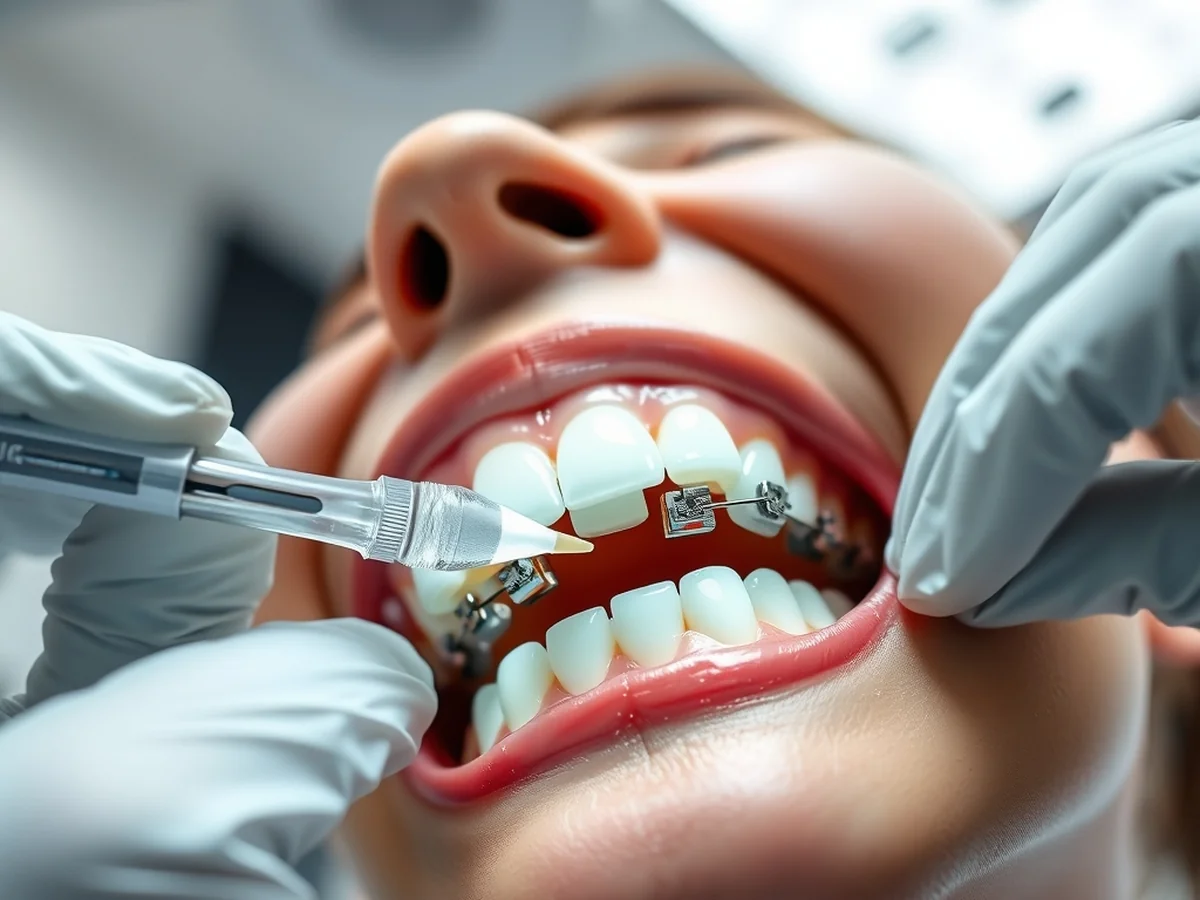
Your orthodontist plays a key role in keeping your teeth healthy while you wear braces. They use specific clinical tools to make sure Orthodontic Brackets Protect Dental Enamel from decay and demineralization.
During your regular checkups, your dentist may apply a fluoride varnish to your teeth. This treatment provides a concentrated dose of fluoride that sits on the tooth surface. It helps strengthen the outer layer against acidic erosion from plaque accumulation. I have found that this extra layer is especially helpful for patients who struggle to clean around their hardware.
Dental sealants are another tool used to cover exposed surfaces near the gum line. These thin coatings act as a barrier to stop food particles from sticking to your teeth. By sealing off tiny pits and grooves, they reduce the risk of white spot lesions forming during your treatment.
You can expect to pay around $30 to $50 per session for these professional protective treatments if they are not included in your standard plan. These clinical steps work with your daily home care to ensure total enamel integrity throughout your treatment process.
While these professional steps are powerful, they cannot replace your daily routine. You must still use interdental brushes to remove food debris from the edges of your brackets. Combining these clinical safeguards with your consistent home hygiene habits is the best way to maintain long term dental health. When you follow these steps, you minimize the risk of permanent damage to your smile.
Safe Bracket Removal
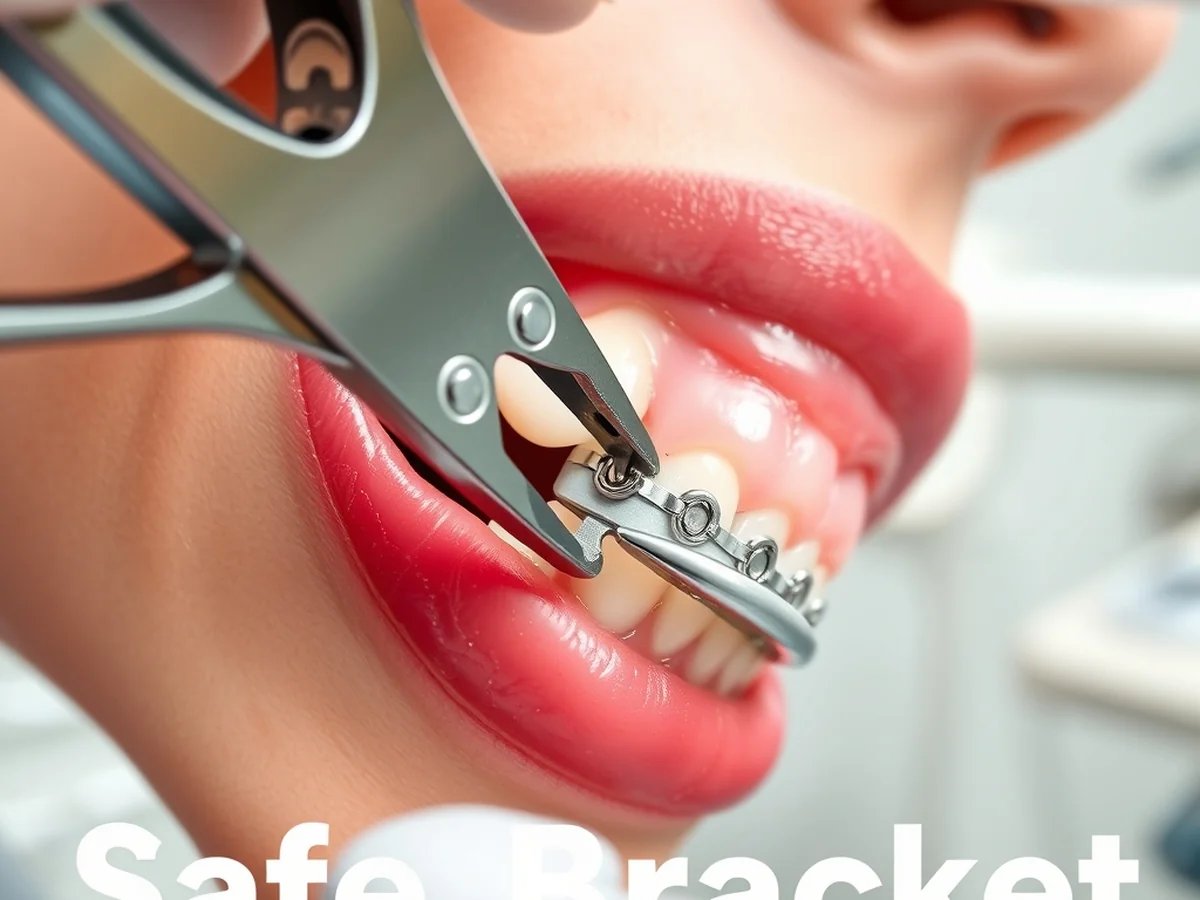
Your orthodontist removes your braces using a specialized plier tool that applies gentle pressure to the base of the bracket. This mechanical action breaks the bond of the dental adhesive without pulling on your natural tooth structure. The process is designed to be quick and comfortable.
Modern techniques focus on preserving your tooth surface. Because orthodontic brackets protect dental enamel by acting as a sealed shield during treatment, the area directly underneath remains untouched by plaque or acidic erosion. After the hardware is removed, your dentist uses a high-speed handpiece with a soft rubber cup to polish away any leftover glue. This step ensures your enamel remains smooth and intact.
You might wonder if this process wears down your teeth. In my experience, the amount of enamel removed during the cleaning phase is less than 0.1 millimeters. It is a very thin layer of surface material that is naturally replaced by your saliva and daily fluoride use.
Many patients worry about long term effects, but your teeth are often healthier after treatment because the brackets provided a protected zone. Once the glue is polished away, your teeth are clean and ready for a final fluoride varnish application. This coating helps with the remineralization process to keep your smile strong.
- The removal tool targets the bond interface, not your tooth.
- Polishing brushes effectively lift adhesive residue without scraping.
- Professional cleaning restores your natural enamel texture immediately.
You can feel confident that modern bonding technology prioritizes the safety of your smile. The removal is a routine step that leaves your teeth in excellent condition for years to come.
For another perspective, this detailed piece on The Efficiency of Fluoride Bioactive Glasses in Protecting . is worth a read.
FAQ
Do brackets seal the enamel underneath?
Yes, the bonding process creates a tight seal between the tooth surface and the device. This barrier prevents plaque and bacteria from reaching the area directly beneath the base, meaning Orthodontic Brackets Protect Dental Enamel by covering it completely.Are fluoride treatments safe for braces?
Fluoride treatments are highly encouraged and safe to use throughout your treatment. Using a 0.05% sodium fluoride mouthwash daily helps strengthen the exposed tooth surfaces and prevents white spot lesions from forming near the edges.How do modern adhesives improve safety?
Modern dental adhesives act as a protective barrier rather than just simple glue. High-quality materials like resin-modified glass ionomer release fluoride ions over time, which actively supports the health of your teeth while the hardware is attached.What makes new bonding materials better?
Older bonding techniques often relied on materials that allowed for micro-leakage or acidic erosion around the base. Current clinical standards use biocompatible products designed to maintain enamel integrity, ensuring the removal process does not cause damage to your natural tooth structure.Can I prevent white spot lesions?
You can prevent these spots by keeping your oral hygiene consistent and avoiding sugary snacks. Using interdental brushes to clear away food trapped near the hardware keeps the surrounding area clean and helps maintain a healthy salivary pH balance.Does bracket removal harm the teeth?
Professional removal is a controlled process that focuses on preserving the surface of your teeth. Your orthodontist uses specialized tools to gently break the bond, ensuring the enamel remains intact and healthy after the treatment concludes.Keeping your enamel healthy
Your long term smile relies on a team effort. While modern orthodontic brackets protect dental enamel by design, your daily habits determine the final result. You are not just wearing braces. You are actively managing your dental integrity every single day.Advanced materials do the heavy lifting for you. Today, we use special dental adhesive that acts as a secure shield against decay. This resin-modified glass ionomer often releases fluoride directly into the tooth surface. It works to prevent enamel demineralization by keeping the area beneath the bracket sealed. This technology turns a simple bonding process into an active defense system against white spot lesions.You play the other half of this partnership. Keeping your teeth clean prevents plaque from building up near the bracket edges. I suggest you dedicate at least 3 minutes to brushing after every meal. Using interdental brushes helps you reach those tight spots where a standard toothbrush cannot go. When you stay consistent, you stop acidic erosion before it even starts.If you are feeling nervous about starting treatment, take a breath. You are in good hands with these modern tools. Most patients find that with proper care, their teeth remain just as strong as they were before treatment began. Your orthodontist can even apply a fluoride varnish if you are prone to decay.Focus on the finish line. When your treatment ends, you will have a straight smile and healthy, intact enamel. You are investing in your future dental health today. Keep up with your cleaning routine and trust the process. You are doing a great job protecting your smile.You might also like: Power Chain Braces: How They Work and What They Cost