Dental Crowns Explained: Types, Cost, Lifespan and Aftercare
Introduction
Dental crowns are custom-fitted restorations designed to cover the entire surface of a tooth above the gum line. These prosthetic devices serve to protect, restore, or improve the appearance of teeth that have sustained significant damage or decay.
This guide provides a comprehensive look at the various types of dental crowns available today and the materials used in their construction. You will also find details regarding the clinical procedure, including how long the process typically takes and what you can expect during recovery. We further explore the factors influencing dental crown cost and provide information on how to maintain your restoration to ensure it serves its purpose for as long as possible.
What Are Dental Crowns?
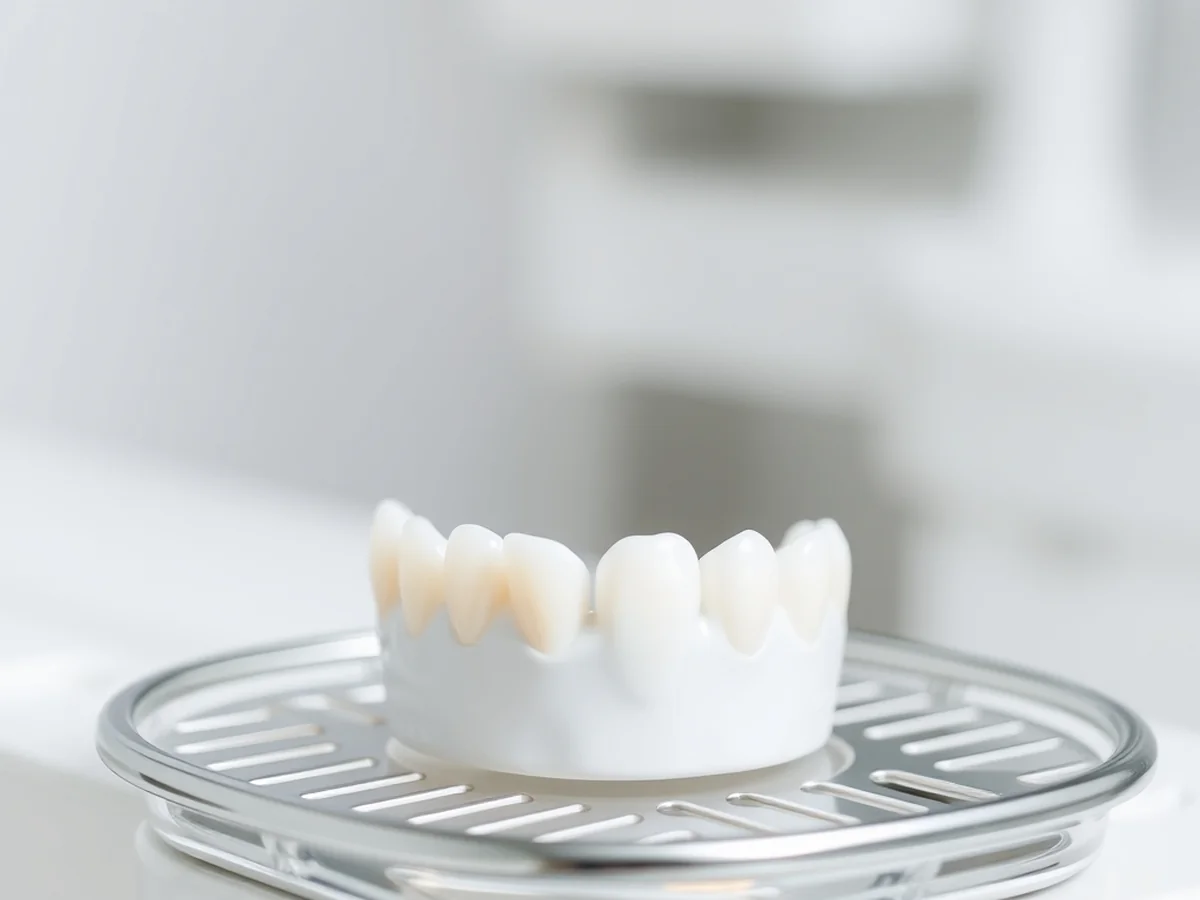
These custom restorations are designed to cover the entire tooth above the gum line. By encasing the visible portion of a damaged or weakened tooth, they provide essential strength and structure to restore its function and appearance.
You may encounter confusion when hearing the terms dental cap and crown used interchangeably in a clinical setting. It is important to know that these names refer to the exact same restorative treatment. Whether a professional describes the procedure as placing a cap or a crown, the purpose and the physical result remain identical.
There are several reasons why this treatment is recommended, including:
- Protecting a weak tooth from breaking or fracturing.
- Restoring an already broken or severely worn-down tooth.
- Supporting a tooth that has a large filling when there is little natural tooth structure remaining.
- Covering a dental implant or a discolored, misshapen tooth.
While the terminology might vary, the primary goal is always to reinforce the tooth’s integrity. Once placed, these restorations function like natural teeth, allowing patients to maintain their oral health and biting strength.
Common Reasons for Crowns

- Crowns act as a protective layer for teeth that have become weak or fractured, preventing the damage from progressing deeper into the tooth structure.
- These restorations effectively stabilize teeth that have been severely worn down due to chronic grinding or heavy use.
- A crown provides essential protection for teeth with large fillings that have left too little healthy enamel to support the tooth on its own.
- The restoration serves as a reliable anchor for a dental bridge, allowing it to bridge the gap left by one or more missing teeth.
- Crowns are used to cap a dental implant, creating a functional and aesthetic prosthetic that mimics the shape and utility of a natural tooth.
Dental Crown Material Types

Choosing the right material for these restorations depends on the location of the affected tooth, the patient’s aesthetic preferences, and the amount of natural tooth structure remaining. Different options offer varying levels of strength, durability, and visual integration with your existing smile.
- Metal options are commonly composed of alloys including gold, palladium, nickel, and chromium, which are known for their exceptional durability.
- These metallic restorations rarely chip or break and are considered to last the longest, making them a reliable choice for posterior teeth.
- Patients seeking a more natural appearance often select all-ceramic or porcelain options that mimic the light-reflecting properties of natural enamel.
- Zirconium dioxide is a common material used for these aesthetic restorations due to its high strength and natural color.
- Porcelain-fused-to-metal (PFM) options provide a versatile restoration that combines the structural integrity of metal with a tooth-colored exterior, suitable for both front and back teeth.
- When comparing porcelain vs ceramic crowns, it is helpful to discuss the specific benefits of each with a dental professional to determine the best fit for your needs.
While metal provides unmatched longevity, modern ceramic and porcelain materials have advanced significantly to withstand biting forces while maintaining a realistic look. Understanding these types of dental crowns allows you to make an informed decision alongside your dentist. Regardless of the material chosen, the final restoration is designed to cover the entire tooth above the gum line to provide protection and structural support.
Dental Crown Procedure Steps
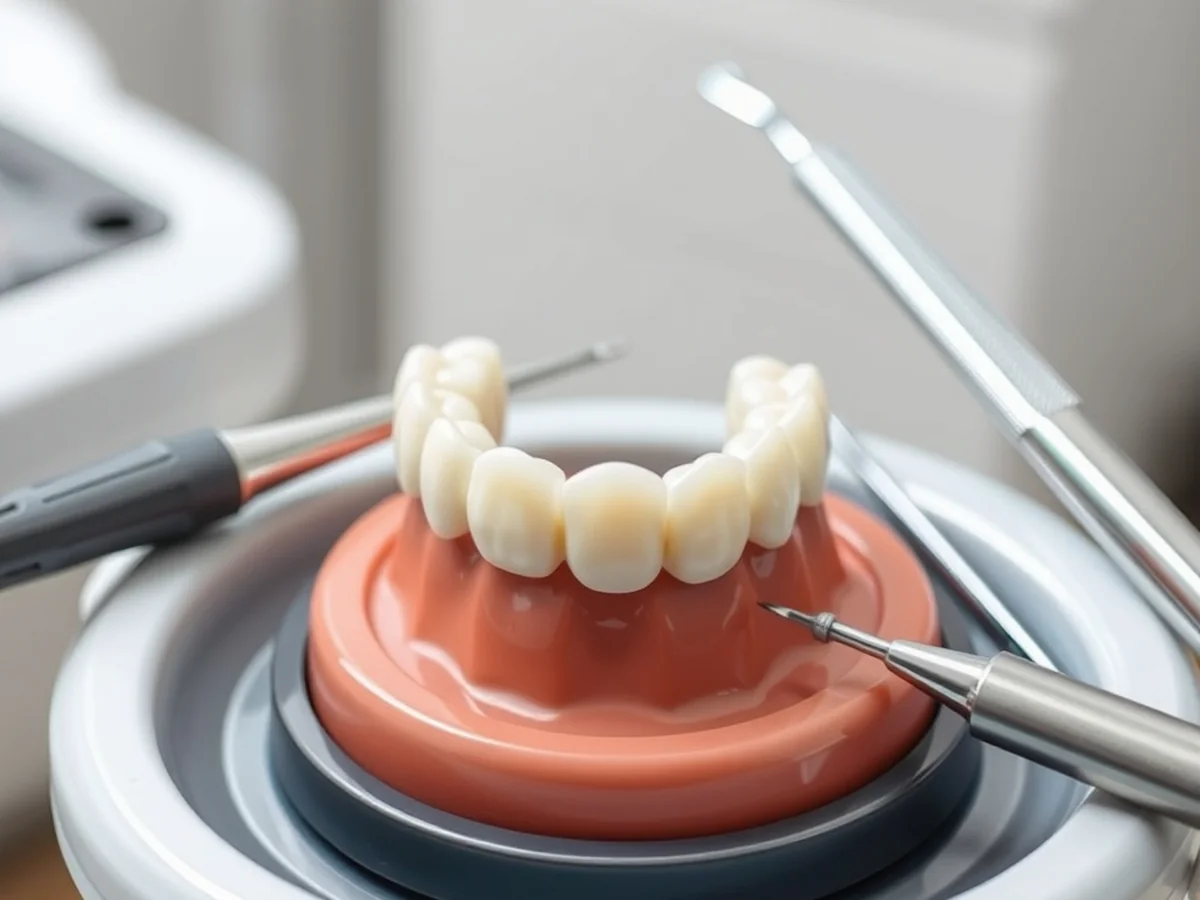
Dental crown placement typically requires two appointments. While some offices use CAD/CAM technology to create restorations in a single visit, the traditional method involves preparing the tooth and fabricating the final piece in a laboratory.
During the first appointment, the dentist reshapes the tooth to ensure it can support the crown, which is designed to cover the entire tooth above the gum line. Once the tooth is prepared, a dental impression is taken to capture the precise dimensions of the area. This impression serves as a blueprint for the laboratory to craft a custom restoration that fits the unique contours of your mouth.
- The dentist places a temporary crown to protect the exposed tooth structure while the permanent version is being manufactured.
- This temporary cover keeps the tooth stable and prevents sensitivity during the waiting period.
- Once the permanent restoration is ready, you will return for the second appointment to have the temporary crown removed.
After verifying the fit, shape, and bite alignment, the dentist secures the final restoration using dental cement. This strong bonding agent seals the crown to the underlying tooth structure, ensuring it stays firmly in place. Proper application of the cement is a critical part of these dental crown procedure steps to ensure long-term durability. Once the cement has set, the dentist cleans away any excess material and performs a final check to ensure the bite feels natural and comfortable.
Same-Day Dental Crowns

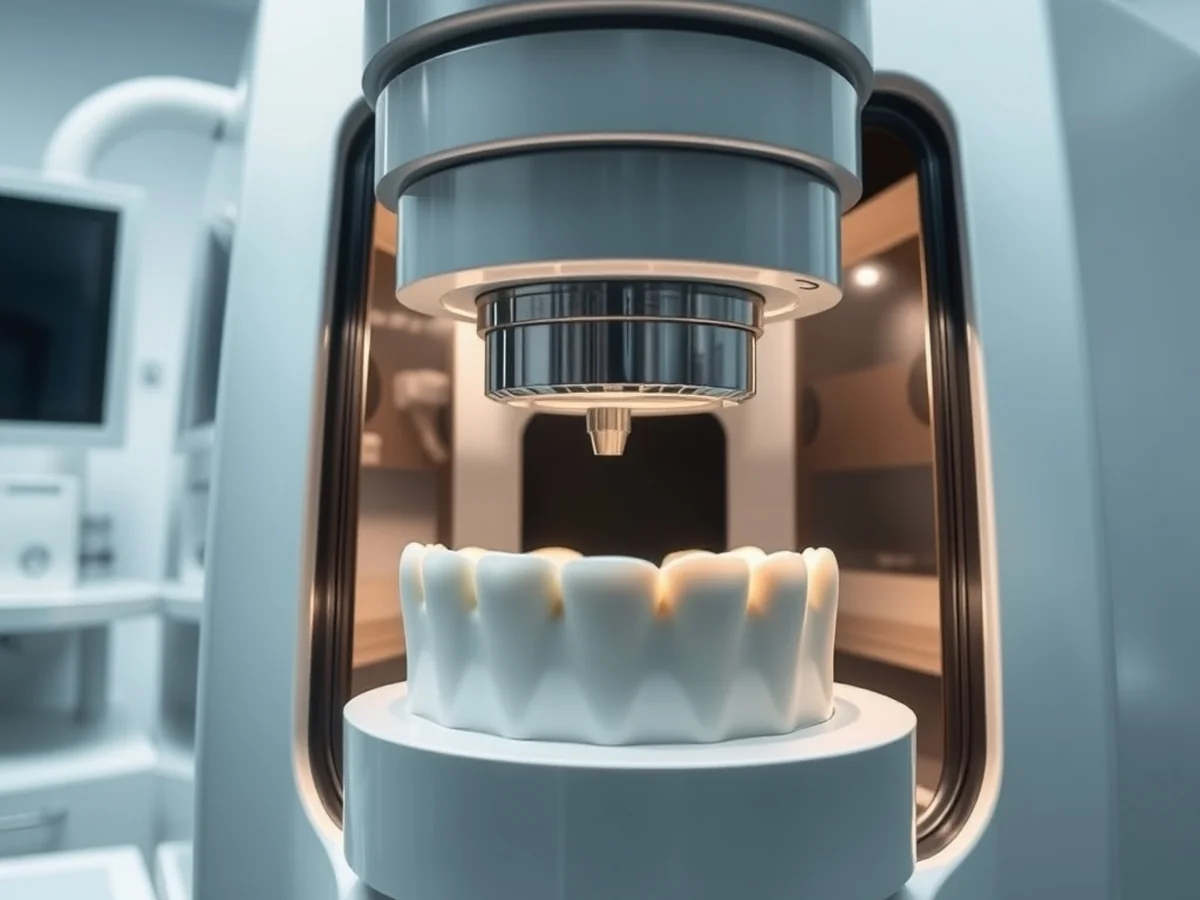
Same-day restoration services utilize CAD/CAM dentistry to design and fabricate a custom cap in the office, allowing the entire process to be completed during a single visit. While traditional placement typically requires two appointments, this technology streamlines the procedure by integrating digital imaging with on-site milling.
This approach relies on digital scanning rather than traditional impressions. Instead of using physical trays filled with impression material, a dentist uses a small camera to create a precise 3D model of the tooth. This digital data is then transferred to a computer, which guides a milling machine to carve the final restoration from a solid block of ceramic or zirconium dioxide.
Choosing this method offers several practical advantages for patients:
- Elimination of the need for messy physical impressions.
- No requirement for a temporary cover or a second follow-up appointment.
- Reduced total time spent in the clinical chair.
- Immediate completion of the restorative process.
By removing the wait time associated with off-site dental laboratories, this workflow provides a highly efficient alternative to standard care. Once the restoration is milled and polished, the dentist checks the fit and bonds it securely in place, allowing the patient to leave with their permanent restoration finished.
Longevity and Maintenance
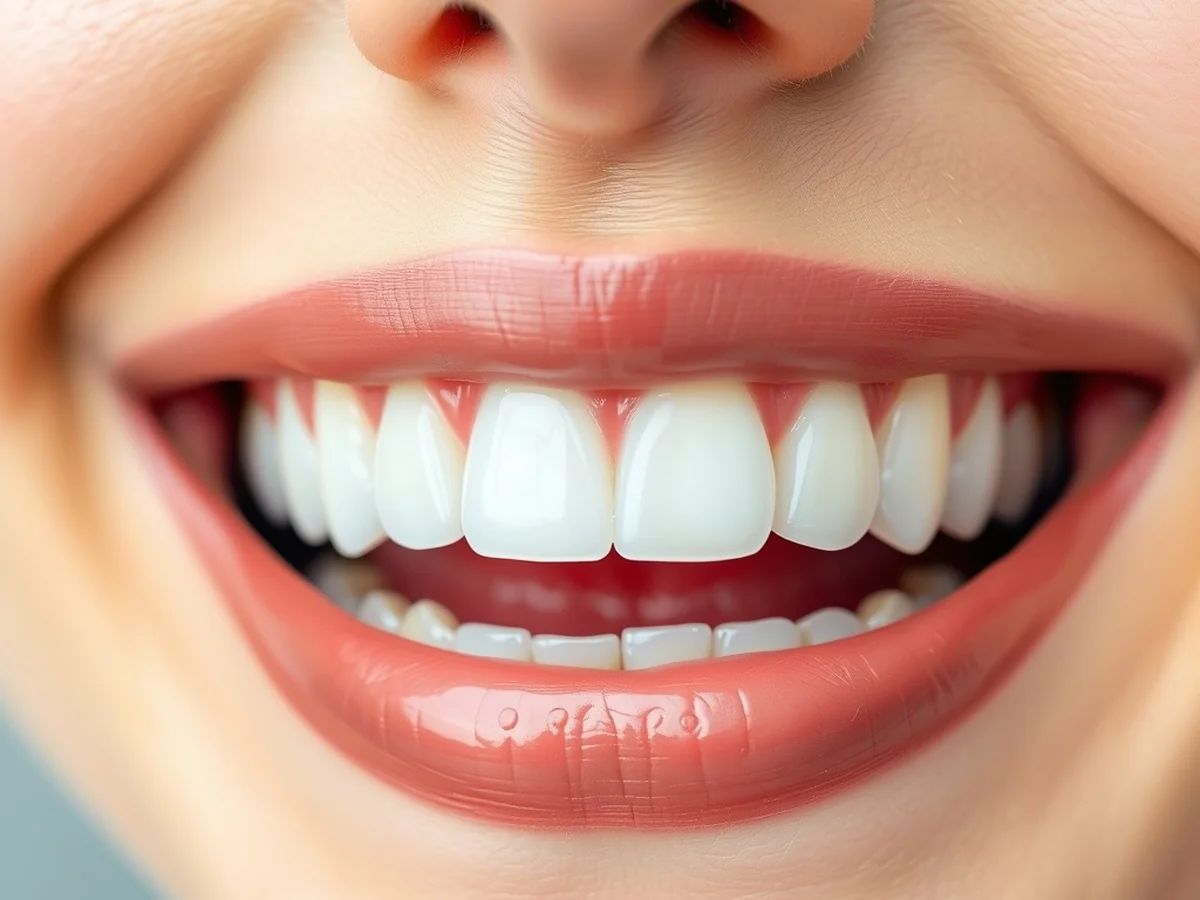
| Material Type | Durability | Typical Lifespan |
|---|---|---|
| Metal | High | Longest |
| Porcelain/Ceramic | Moderate | Variable |
| Resin | Low | 3 to 5 years |
Recovery and Side Effects

You can resume routine activities, including work and school, immediately after your procedure. There is typically no downtime required following the placement of these restorations.
It is common to experience some sensitivity and gum tenderness while your mouth adjusts to the new fixture. These sensations are generally mild and tend to fade as the surrounding tissues heal. If you notice any discomfort, your dentist may recommend over-the-counter pain relief or specific oral hygiene adjustments to manage the area while it settles.
While minor irritation is a standard part of the healing process, you should contact a professional if you experience the following:
- Severe or worsening pain that does not subside after a few days.
- A sensation that your bite feels uneven or high when you close your mouth.
- Any movement or looseness of the restored tooth.
- Signs of an allergic reaction or persistent swelling in the gums or face.
Ensuring your bite is properly aligned is essential to prevent long-term irritation. If the restoration feels out of place or causes sharp pain when biting down, a quick adjustment by your dental provider can resolve the issue effectively. Prompt communication helps ensure the longevity of your restoration and keeps your oral health on track.
Understanding Treatment Costs

The total dental crown cost varies significantly based on geographic location, the specific material chosen, and the complexity of the procedure. Because these restorations are customized to fit your unique bite and tooth structure, pricing reflects both laboratory fees and the expertise of your dental professional.
Many insurance plans provide partial coverage for dental crowns when the treatment is deemed medically necessary to restore a damaged tooth. It is common for providers to categorize these restorations under major restorative services, which may carry different coinsurance rates than routine cleanings. You should contact your insurance carrier directly to verify your specific benefits and any potential out-of-pocket expenses before beginning treatment.
When considering your options, it is helpful to understand the distinction in a dental crown vs veneer comparison. While both are restorative or cosmetic solutions, they serve different purposes:
- Dental crowns are designed to cover the entire tooth above the gum line, providing structural support for teeth that are heavily decayed, fractured, or root-canal treated.
- Veneers are thin shells primarily bonded to the front surface of teeth to address aesthetic concerns like staining, minor chips, or small gaps.
Because a crown requires more material and covers more of the tooth structure than a veneer, the procedure typically involves a higher investment. Always request a detailed treatment plan from your dentist to understand exactly what is included in the estimated price, such as preliminary exams, the final restoration, and any necessary follow-up appointments.
FAQ
How long do crowns last on teeth?
Lifespan depends heavily on the chosen material, with metal options typically lasting the longest because they rarely chip or break. Resin alternatives generally last three to five years on average under normal chewing forces. Good oral hygiene habits further protect the underlying tooth structure and extend the overall life of the restoration.
What is the downside of crowns on teeth?
Potential downsides include procedural side effects like sensitivity and gum tenderness following placement. A significant portion of the natural tooth structure must also be removed to accommodate the covering. Furthermore, materials can occasionally chip, wear down over time, or require replacement.
Why do dentists recommend dental crowns?
Dentists recommend these restorations to protect weak teeth from breaking, restore broken teeth, or support a tooth with a large filling when little natural structure remains. They are also used to anchor dental bridges, cover dental implants, or securely hide severely discolored or misshapen teeth. Ultimately, the goal is to restore normal biting function and preserve the health of the remaining tooth.
What happens during the dental crown procedure?
Dental crown placement typically requires two appointments when using traditional methods. The first visit involves shaping the tooth, taking an impression, and placing a temporary cover. The permanent version is then cemented securely into place during the second visit.
Can you get a dental crown in one day?
CAD/CAM technology allows for the creation of crowns in the office during a single visit. This digital approach eliminates the need for temporary restorations and physical impressions for eligible patients. The dentist designs and mills the final piece right on site while you wait.
Conclusion
The most important step is to schedule a comprehensive examination with your dentist to assess your specific oral health needs. During this consultation, you can discuss which materials best suit your situation and clarify the expected dental crown procedure steps. Relying on professional guidance ensures you understand the long-term maintenance required for your dental crowns and helps you plan for the investment effectively.
You might also like: 7 Signs You Might Be a Good Candidate for a Smile Makeover