At-Home Whitening Kits Explained: LED Lights, Gels, Strips — What Actually Works
Introduction to At-Home Whitening Kits
An at-home whitening kit functions by using chemical agents to penetrate the enamel and lighten the underlying tooth shade. Choosing the right at-home whitening kit involves understanding how these products interact with your teeth and what results are realistically achievable.
The market is currently flooded with diverse delivery systems, including gels, trays, and strips. These products rely on hydrogen peroxide or carbamide peroxide as their active ingredients. While hydrogen peroxide acts directly, carbamide peroxide breaks down into hydrogen peroxide to perform the bleaching process. It is important to distinguish this chemical bleaching from physical abrasion, which only removes surface stains. Furthermore, these products are generally limited to lower concentrations than professional-grade options available at a dental office. Because whitening does not work on dental crowns, veneers, or fillings, managing expectations regarding the uniformity of your smile is essential before starting any treatment regimen.
The Science of Chemical Bleaching: Peroxides Explained
The active ingredient in effective whitening products is either hydrogen peroxide or carbamide peroxide. These chemical agents function by penetrating the tooth structure to reach discolored molecules trapped beneath the surface.
Carbamide peroxide breaks down into hydrogen peroxide upon contact with moisture. This conversion is a critical step in the process, as hydrogen peroxide serves as the primary bleaching agent that interacts with the tooth tissue. Once released, it diffuses through the enamel to reach the dentin layer, where the majority of intrinsic tooth discoloration resides.
The core mechanism of action is an oxidation process. During this reaction, the hydrogen peroxide molecules break apart the chemical bonds of the pigmented compounds that cause staining. By fracturing these larger, colored molecules into smaller, less visible fragments, the process effectively reduces the appearance of stains within the tooth structure. This chemical transformation is why hydrogen peroxide teeth whitening is considered a true bleaching method, rather than a surface-level abrasive treatment.
Whitening does not work on dental crowns, veneers, or fillings, as these materials do not respond to peroxide in the same way as organic tooth tissue. If you have dental restorations, their color will remain unchanged even after the bleaching process is complete.
While this oxidation process is effective at brightening the smile, it can lead to common side effects. According to common guidance, teeth sensitivity after whitening is caused by peroxide temporarily opening microscopic pores in the enamel. This exposure can make the nerves within the tooth more susceptible to temperature changes or other stimuli during the treatment period.
Stain Type Identification Matrix

Teeth stains are generally classified as either extrinsic or intrinsic, and recognizing the difference is essential when choosing an at-home whitening kit. Extrinsic stains sit on the outer enamel surface, while intrinsic stains are embedded deep within the dentin layer of the tooth.
| Stain Category | Primary Location | Common Causes | Whitening Response |
|---|---|---|---|
| Extrinsic | Enamel surface | Coffee, tea, wine, tobacco | Responds well to peroxide |
| Intrinsic | Dentin (inner layer) | Aging, trauma, medications | Difficult to treat; variable |
Extrinsic stains are typically the result of dietary habits and lifestyle choices that accumulate over time. Because these stains rest on the surface, they often respond well to bleaching agents. The active ingredient in effective whitening products is either hydrogen peroxide or carbamide peroxide. Carbamide peroxide breaks down into hydrogen peroxide, which works to oxidize these surface pigments. Learning how to whiten teeth safely at home begins with understanding that these chemical agents can only affect natural tooth structure. Consequently, whitening does not work on dental crowns, veneers, or fillings, as these materials do not react to peroxide-based treatments in the same way as organic enamel.
Intrinsic stains are more complex because they originate from within the dentin. Factors like developmental medications, significant dental trauma, or the natural thinning of enamel through aging can cause these deeper discolorations. While peroxide treatments may offer some improvement for certain intrinsic stains, they are generally less effective than they are for surface-level staining. If you notice persistent discoloration despite consistent use of whitening products, it may indicate that the stains are intrinsic and require a consultation with a dental professional to discuss alternative cosmetic options.
Comparing Delivery Systems: Strips, Trays, and Gels

The primary difference between whitening strips and trays lies in how they apply bleaching agents to the enamel, impacting both gel coverage and the convenience of the process. Strips are pre‑coated plastic films that adhere directly to the teeth, while trays function as reservoirs that hold whitening gel against the tooth surface.
| Method | Application Style | Customization | Peroxide Concentration |
|---|---|---|---|
| Whitening Strips | Adhesive film | Generic fit | Lower (OTC) |
| Boil-and-bite Trays | Molded tray | Semi‑custom | Lower (OTC) |
| Dentist‑grade Trays | Precision tray | Fully custom | Higher (Professional) |
When considering teeth whitening strips vs trays, the fit is a significant factor in effectiveness. Generic boil‑and‑bite trays often lack the precise seal of professional alternatives, which can lead to gel leaking onto the gums and causing irritation. In contrast, dentist‑provided custom trays are fabricated from impressions of your specific smile, ensuring the gel stays in contact with the enamel rather than soft tissue. This precision is why professional options often provide more consistent results.
Over‑the‑counter products in the United States are typically limited to lower peroxide concentrations than professional‑grade options. While both retail and professional formulas use the same active ingredients, hydrogen peroxide or carbamide peroxide, the reduced dosage may require a longer treatment period to see visible changes. The active ingredient in effective whitening products is either hydrogen peroxide or carbamide peroxide, and carbamide peroxide breaks down into hydrogen peroxide during the whitening process.
Whitening does not work on dental crowns, veneers, or fillings. This limitation applies regardless of the delivery system. Tooth sensitivity after whitening is commonly attributed to peroxide temporarily opening microscopic pores in the enamel. To help manage this discomfort, many people use products containing potassium nitrate or stannous fluoride, which are substances used to help alleviate whitening‑related sensitivity.
Does LED Light Technology Actually Work
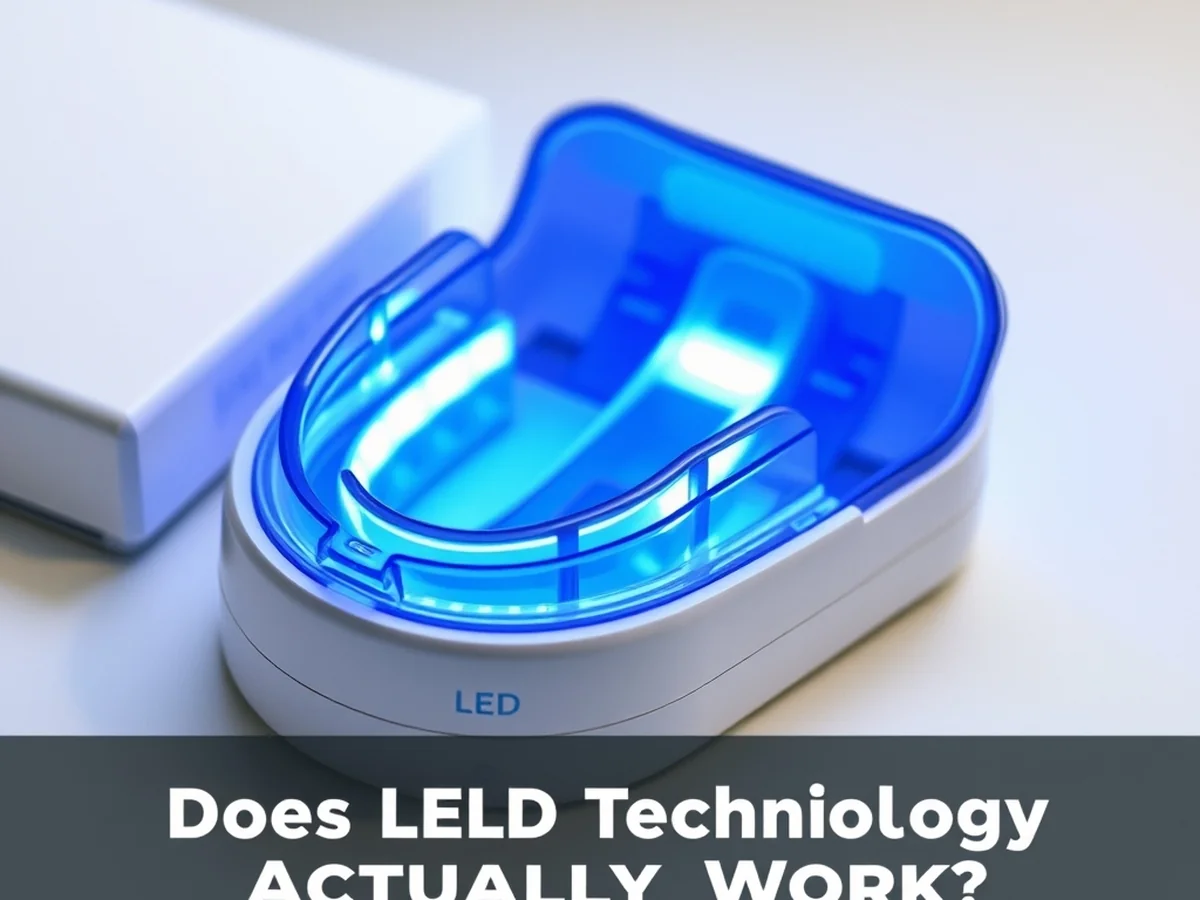
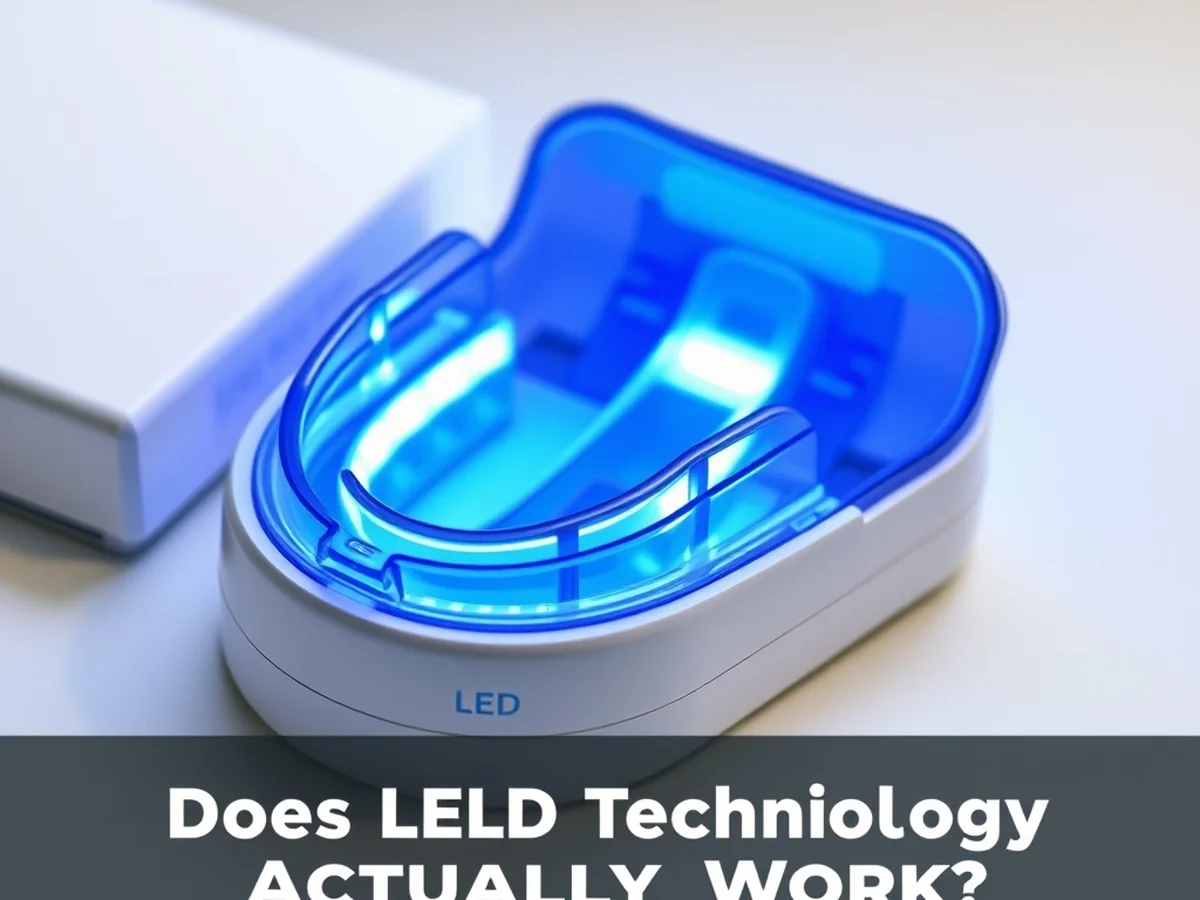
Current scientific consensus indicates that the use of blue light in an at-home whitening kit does not significantly improve whitening results compared to using peroxide gels alone. While marketing materials often claim that light devices accelerate the chemical reaction, these claims are not consistently supported by clinical evidence.
The active ingredient in effective whitening products is either hydrogen peroxide or carbamide peroxide. These substances work by penetrating the enamel to reach discolored molecules within the tooth structure. Carbamide peroxide is effective because it breaks down into hydrogen peroxide during the process. These chemical agents are the actual drivers of the whitening effect, regardless of whether a light is present.
When blue light devices are included in a kit, they are designed to interact with the whitening gel. The theory behind this is that the light energy might activate or accelerate the breakdown of the peroxide. However, clinical studies have struggled to demonstrate that adding this light component to a standard concentration of gel produces a measurably lighter shade than the gel applied without the light. The chemical bleaching process occurs independently of the light source.
People often wonder does LED teeth whitening work, and the answer is that the peroxide is doing the heavy lifting. The light itself is essentially an accessory rather than a core functional requirement for the bleaching process. In professional settings, clinicians sometimes use high intensity lights with very high concentrations of peroxide, but these conditions are different from the low concentration products available for personal use.
Whitening does not work on dental crowns, veneers, or fillings. If you have these restorations, they will maintain their original color while your natural teeth lighten, potentially leading to an uneven appearance. Because peroxide may cause temporary teeth sensitivity by opening microscopic pores in the enamel, managing expectations about the role of extra hardware like LED lights is a sensible part of any whitening routine.
Managing Tooth Sensitivity and Enamel Health

You can effectively manage teeth sensitivity after whitening by understanding how bleaching agents interact with your enamel. It is common guidance that discomfort during these treatments occurs because peroxide temporarily opens microscopic pores in the enamel, which exposes the underlying dentin to external stimuli.
Because the active ingredient in effective whitening products is either hydrogen peroxide or carbamide peroxide, which breaks down into hydrogen peroxide, some level of temporary sensitivity is a frequent side effect. To mitigate this, consider these structured approaches to protect your oral health while pursuing a brighter smile:
- Incorporate a toothpaste containing potassium nitrate or stannous fluoride into your daily routine for at least two weeks before starting your treatment to help desensitize the nerves.
- Space out your application sessions by skipping a day or two between treatments to allow your enamel to remineralize and recover from the chemical exposure.
- Reduce the duration of each whitening session if you notice early signs of discomfort, as shorter contact times can still yield gradual results.
- Consult your dentist about creating custom-fit trays, which often provide better control over the application of bleaching agents than generic, one-size-fits-all options.
- Avoid acidic foods and beverages immediately before and after your whitening sessions to prevent further irritation of the exposed dental tubules.
- Stop usage immediately if you experience sharp or persistent pain, as this may indicate that your enamel is not suitable for aggressive chemical whitening.
If you have existing dental work, keep in mind that whitening does not work on dental crowns, veneers, or fillings. These materials do not respond to bleaching agents in the same way natural enamel does, and attempting to whiten around them can lead to uneven results or increased localized sensitivity. Always prioritize the health of your existing dental restorations before beginning any whitening process, and consider professional guidance if you have concerns about the integrity of your enamel or the presence of sensitive areas.
Limitations of Whitening on Non-Natural Teeth
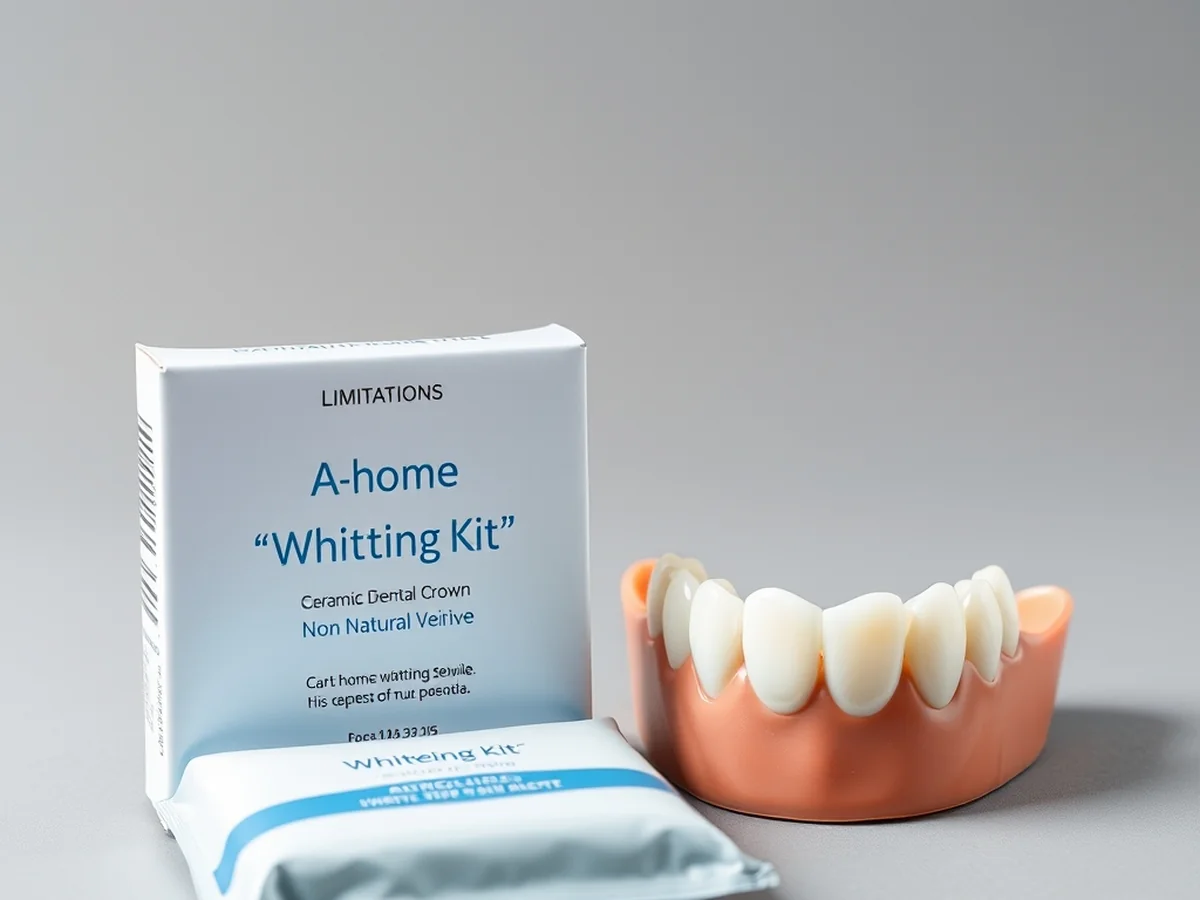
Whitening does not work on dental crowns, veneers, or fillings. These restorative materials are manufactured to match a specific shade and do not respond to the chemical bleaching agents used in dental products.
When you use an at-home whitening kit, the hydrogen peroxide or carbamide peroxide is designed to penetrate natural enamel to break down organic stain molecules. Because synthetic materials like porcelain, ceramic, or composite resin lack the porous structure of natural teeth, the bleach cannot alter their color. This creates a potential aesthetic mismatch if your natural teeth brighten while your restorations remain their original shade.
The bleaching process can lead to an uneven appearance because the natural teeth lighten while the dental work stays the same. This does not damage the restorative material itself, but it can make crowns or veneers appear noticeably darker or more yellow in contrast to your newly brightened natural teeth. Even the best dentist recommended whitening treatments cannot overcome the physical properties of these non-natural surfaces.
If you are planning a smile makeover or expect to replace existing dental work in the near future, it is best to complete any desired whitening treatments first. You should allow your tooth shade to stabilize for at least two weeks after finishing your whitening regimen before having your dentist select the color for your new crowns or veneers. This strategic timing ensures that your new restorative work will match your final, whitened smile rather than your previous, darker shade.
- Consult with your dental professional before starting any whitening process if you have significant restorative work in your visible smile line.
- Discuss the long-term plan for your restorations to determine if whitening is a practical step for your specific dental profile.
- Remember that replacing existing restorations to match a brighter shade involves additional costs and clinical procedures beyond the scope of over-the-counter products.
Long-Term Cost and Efficacy Comparison
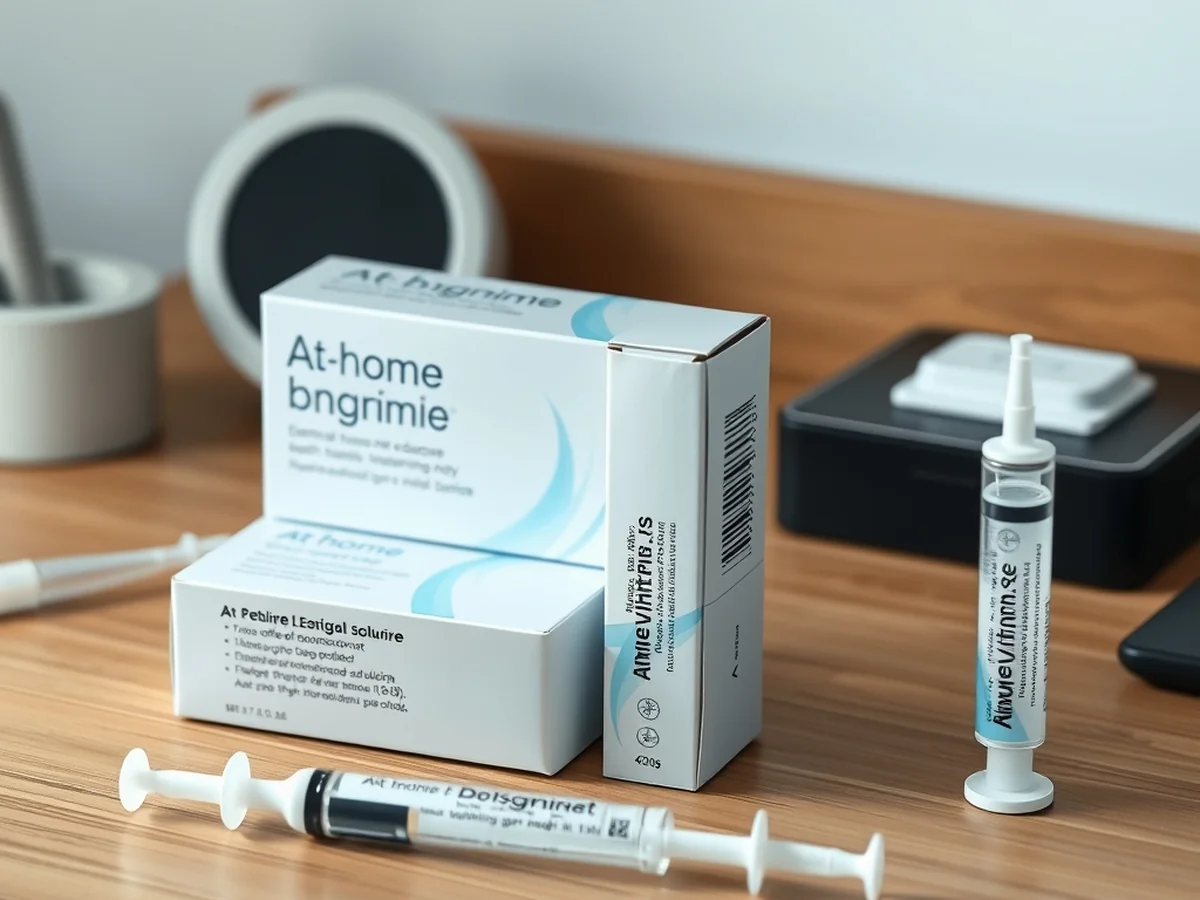
When selecting an at-home whitening kit, the choice between commercial consumer products and professional-grade options involves balancing upfront costs against long-term efficacy. Commercial options typically feature lower peroxide concentrations, which may require more frequent usage over time to maintain a desired shade. In contrast, dentist-supervised treatments often utilize higher chemical strengths, providing more efficient results that may endure longer due to the use of custom-fitted trays that ensure consistent coverage across the tooth surface.
A significant factor in long-term value is the composition of the bleaching agent. The active ingredient in effective products is either hydrogen peroxide or carbamide peroxide. Carbamide peroxide breaks down into hydrogen peroxide to initiate the oxidation process. Because whitening does not work on dental crowns, veneers, or fillings, users with restorative work should factor in the cost of potential replacements if they wish to match their natural teeth to a newly whitened shade, as these materials do not respond to chemical bleaching.
| Treatment Type | Upfront Cost | Peroxide Strength | Custom Fit | Expected Longevity |
|---|---|---|---|---|
| Commercial Consumer Option | Low | Lower | No | Short to Moderate |
| Professional Dentist-Supervised | High | Higher | Yes | Longer |
Common mistakes in long-term maintenance include over-reliance on whitening agents without addressing the root causes of staining. While commercial products are convenient, they lack the precise delivery systems of professional trays. Furthermore, users often encounter discomfort after treatment, as peroxide may temporarily open microscopic pores in the enamel. To manage this, many clinicians recommend products containing potassium nitrate or stannous fluoride.
Practical steps for preserving results include limiting intake of highly pigmented foods and beverages and maintaining diligent daily hygiene. For those seeking reliable, long-term outcomes, dentist-supervised methods often provide the most predictable trajectory for shade alteration. Regardless of the method chosen, consistency remains the primary driver of success, as natural dietary re-staining will eventually diminish the effects of any whitening treatment.
An at-home whitening kit can effectively brighten your smile, provided it contains the correct active ingredients. The efficacy of these products relies on hydrogen peroxide or carbamide peroxide, which work by penetrating the enamel to break down discolouration. Carbamide peroxide is particularly common because it breaks down into hydrogen peroxide during the treatment process. While over-the-counter products in the U.S. typically feature lower concentrations than those found in professional-grade options, they remain capable of removing surface and internal stains over a consistent period.
Determining the most effective treatment depends on your personal needs and the nature of your stains. Products that keep the whitening agent in prolonged contact with the tooth surface, such as whitening strips or custom-fitted trays, often yield the best outcomes. Some consumers find that Crest 3DWhitestrips, which were the first whitening strip product to earn the ADA Seal of Acceptance, provide a reliable balance of ease and effectiveness. Regardless of the delivery method, managing teeth sensitivity after whitening is a frequent concern, as peroxide can temporarily open microscopic pores in the enamel. Using products containing potassium nitrate or stannous fluoride may help mitigate this discomfort.
Yellowing teeth often respond well to chemical bleaching, though the extent of the change varies based on the depth of the stain. You should remember that whitening does not work on dental crowns, veneers, or fillings, as these materials do not respond to peroxide-based agents. If you have significant restorative work in your smile line, a whitening kit will only brighten the natural teeth, potentially creating an uneven appearance. Consult a professional to determine if your specific discoloration is amenable to bleaching before committing to an at-home regimen.
Frequently Asked Questions About At-Home Whitening
Are LED lights worth it?
There is limited clinical evidence that LED lights significantly enhance the whitening process beyond the chemical action of the peroxide gel itself. Most experts suggest that the peroxide is the primary driver of results while the light serves largely as a marketing feature.
How long do whitening results last?
Results typically last several months, though the duration depends heavily on your consumption of staining foods and your oral hygiene habits. Avoiding tobacco and pigmented beverages like coffee or red wine can help maintain your brighter shade for a longer period.
Is it safe to use whitening kits if I have sensitive teeth?
Whitening can exacerbate existing sensitivity, so it is best to speak with a dentist to ensure your discomfort is not caused by underlying issues like cavities or exposed roots. Many users find success by using desensitizing toothpastes or spacing out their whitening sessions to give their enamel time to recover.
What is the difference between whitening and stain removal?
Whitening involves a chemical reaction that alters the color of the dentin inside the tooth, whereas stain removal often refers to physical abrasion that clears debris from the surface. True bleaching requires peroxide, while many “whitening” toothpastes primarily function through mild scrubbing agents.
Safety and Selection
Effective whitening relies on hydrogen peroxide or carbamide peroxide, which breaks down into hydrogen peroxide to bleach teeth. While over-the-counter products in the U.S. generally contain lower concentrations than professional treatments, they still require careful use. Common guidance suggests that tooth sensitivity often occurs because peroxide temporarily opens microscopic pores in the enamel. To manage this discomfort, many people use products containing potassium nitrate or stannous fluoride. It is also important to remember that whitening does not work on dental crowns, veneers, or fillings. For peace of mind, look for options like certain strips that have earned the American Dental Association Seal of Acceptance.
Conclusion
Balancing cosmetic goals with long-term enamel health requires selecting products that match your specific sensitivity levels and dental history. Before starting any treatment, consult a professional to ensure your teeth are healthy enough for an at-home whitening kit. This simple step helps you achieve the best results while protecting your smile.
You might also like: Fix Brasssmile at Home: 7 Proven Methods That Work