Dentures vs Bridges vs Implants: Replacing Missing Teeth Compared
Introduction
When choosing between dentures vs implants, the primary difference lies in their stability and permanence, as implants act as fixed anchors while dentures are removable prosthetics. This guide provides an objective breakdown of the clinical and practical factors patients must consider when evaluating their tooth replacement options.
This article covers the procedural differences, maintenance requirements, and structural benefits of these common restorative solutions. You will find detailed information regarding how each option functions within the mouth, the role of bone health in treatment planning, and what to expect during the recovery process. Whether you are exploring All-on-4 bridges or traditional removable sets, the following sections clarify the long-term implications of your decision to help you prepare for a consultation with a dental professional.
Understanding Tooth Replacement Options
Replacing missing teeth is essential to maintain proper bite alignment and prevent the shifting of remaining natural teeth, which can otherwise compromise your long-term oral health. When teeth are lost, the surrounding bone may begin to resorb, often leading to changes in facial structure and reduced chewing efficiency.
The choice between removable and fixed restoration methods depends on your specific dental needs and current oral health. The primary distinction lies in how these solutions are supported and maintained within the mouth:
- Removable options, such as traditional dentures, rely on suction and adhesives to stay in place and should be removed and cleaned daily.
- Fixed solutions, including dental implants and implant-supported bridges like All-on-4 or All-on-6, act as permanent fixtures that integrate directly with the jawbone.
Dental implants are considered permanent fixtures compared to removable dentures, though they often involve a healing period for osseointegration before the final crown is attached. While dentures are a common choice for full-arch replacement, they may require periodic refitting as the underlying bone density changes over time. Choosing between these approaches involves weighing the daily maintenance requirements of removable prosthetics against the structural permanence of surgically placed implants.
Dentures vs Implants Overview
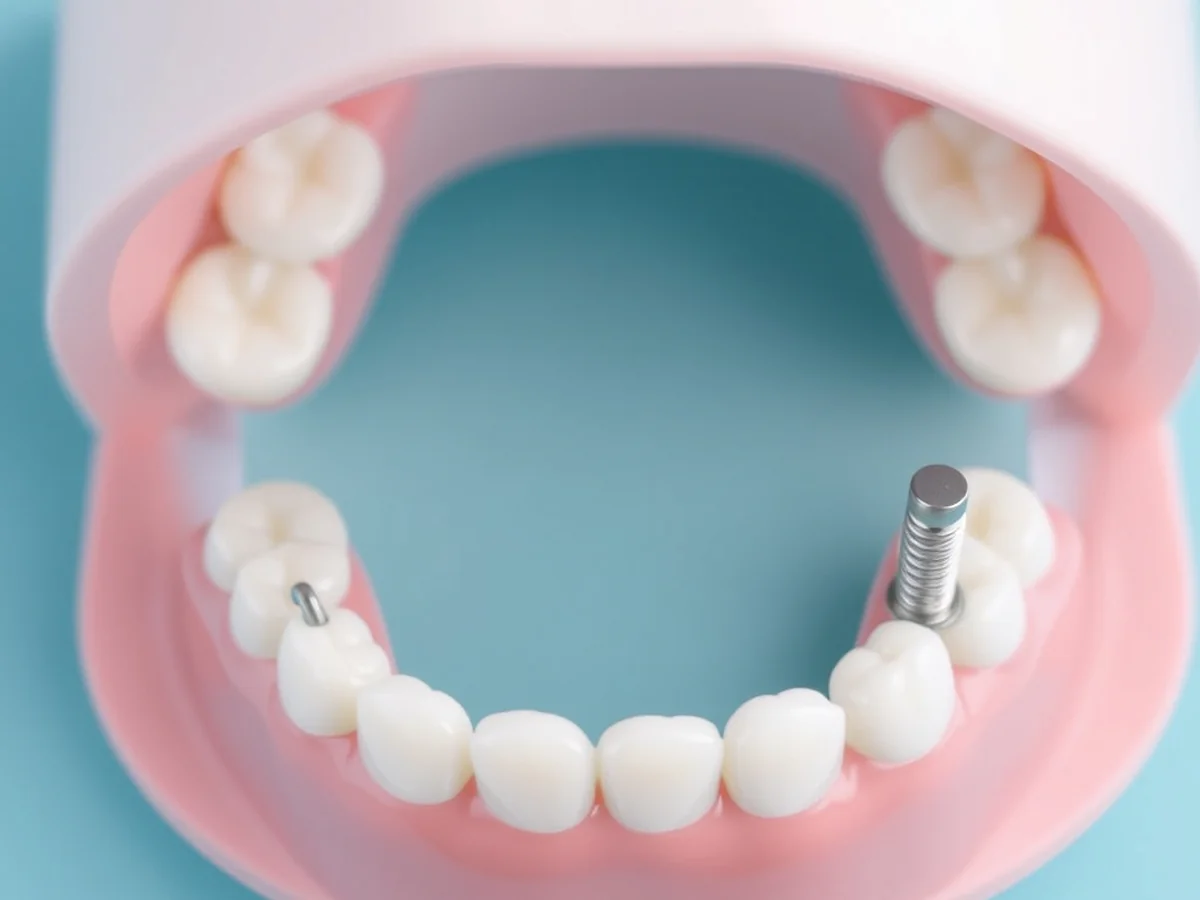
The core distinction between these tooth replacement options lies in whether the prosthetic is removable or fixed. While one relies on external support to stay in place, the other functions as a permanent fixture integrated directly into the mouth.
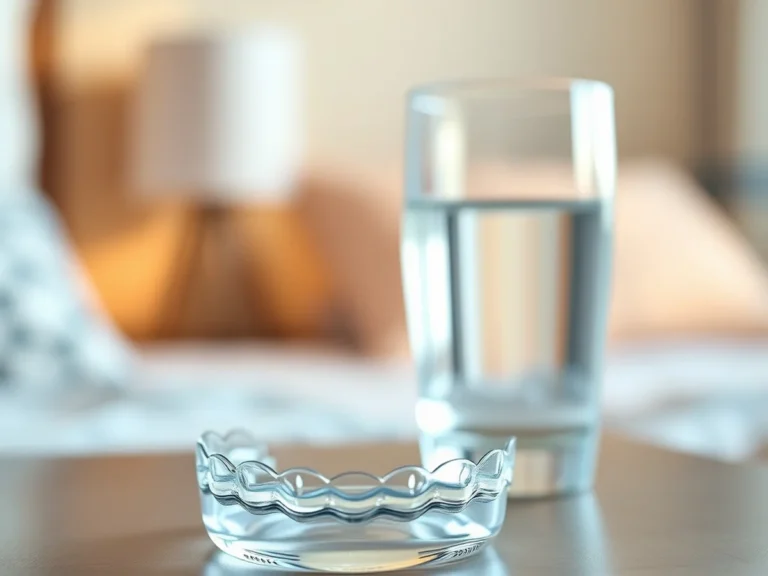
Traditional dentures are removable prosthetic devices. Common guidance suggests they rely on suction against the gums or the use of adhesives to maintain their position. Because they are not attached to the bone, these appliances must be removed and cleaned daily. Furthermore, standard practice dictates that they should not be worn overnight. As the jawbone changes over time, these appliances often require periodic refitting to maintain a proper, comfortable fit.
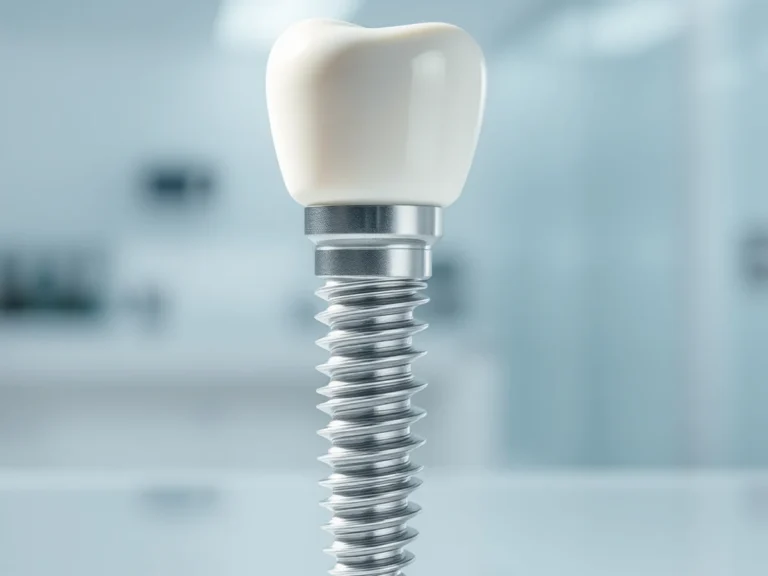
In contrast, dental implants are considered permanent fixtures. This process involves surgically anchoring a titanium alloy post into the jaw. The bone then undergoes a process known as osseointegration, where it fuses with the post to create a stable foundation. This procedure often involves a specific healing period before the final crown or bridge is attached. Because they are anchored into the jaw, they provide a different level of stability. It is typical practice for a dentist to evaluate bone density requirements for implants to ensure there is enough structure to support the metal post.
Surgical Needs: Dentures vs Implants
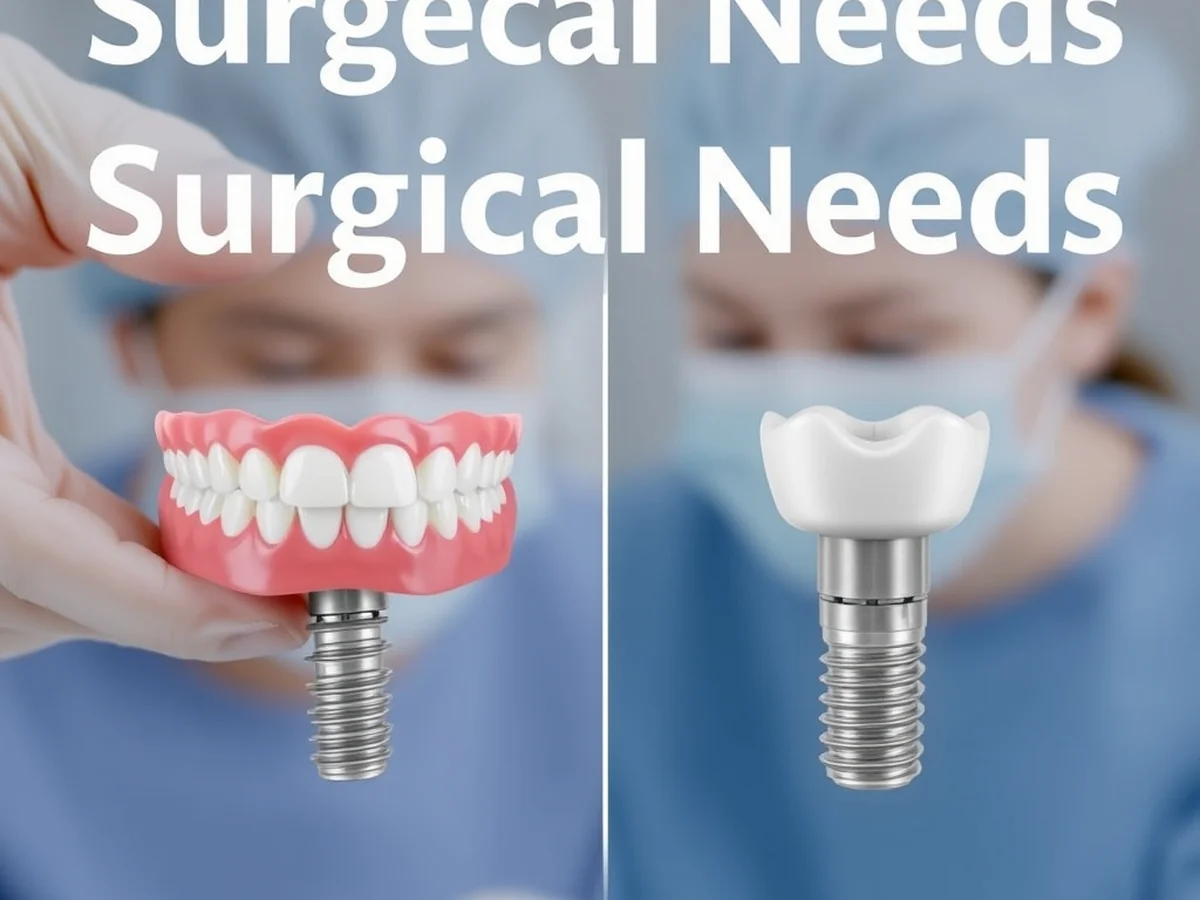
Replacing missing teeth requires different clinical approaches depending on whether you choose a fixed or removable solution. While implants act as permanent artificial roots, dentures rely on external support structures.
- Dental implants rely on osseointegration, a process where the jawbone fuses with the metal post to provide a stable foundation.
- This procedure often involves a necessary healing period to ensure the site is fully integrated before a crown or bridge is attached.
- Patients typically need sufficient jawbone density to anchor these fixtures, which a dental professional will evaluate during planning.
- In contrast, denture fabrication focuses on detailed physical impressions to map the shape of your gums and surrounding oral tissues.
- Practitioners conduct bite alignment assessments to ensure the final appliance rests comfortably and functions properly within your mouth.
- Traditional removable options rely on suction and adhesives to stay in place, rather than direct integration with the bone.
- Full-arch solutions like All-on-4 or All-on-6 use specific implant-supported bridge protocols to combine surgical stability with prosthetic design.
Because dentures are not fixed, their fit can change over time as the jawbone naturally resorbs. This often necessitates periodic refitting to maintain comfort, whereas implants remain permanent fixtures within the mouth.
Bone Density for Implants vs Dentures
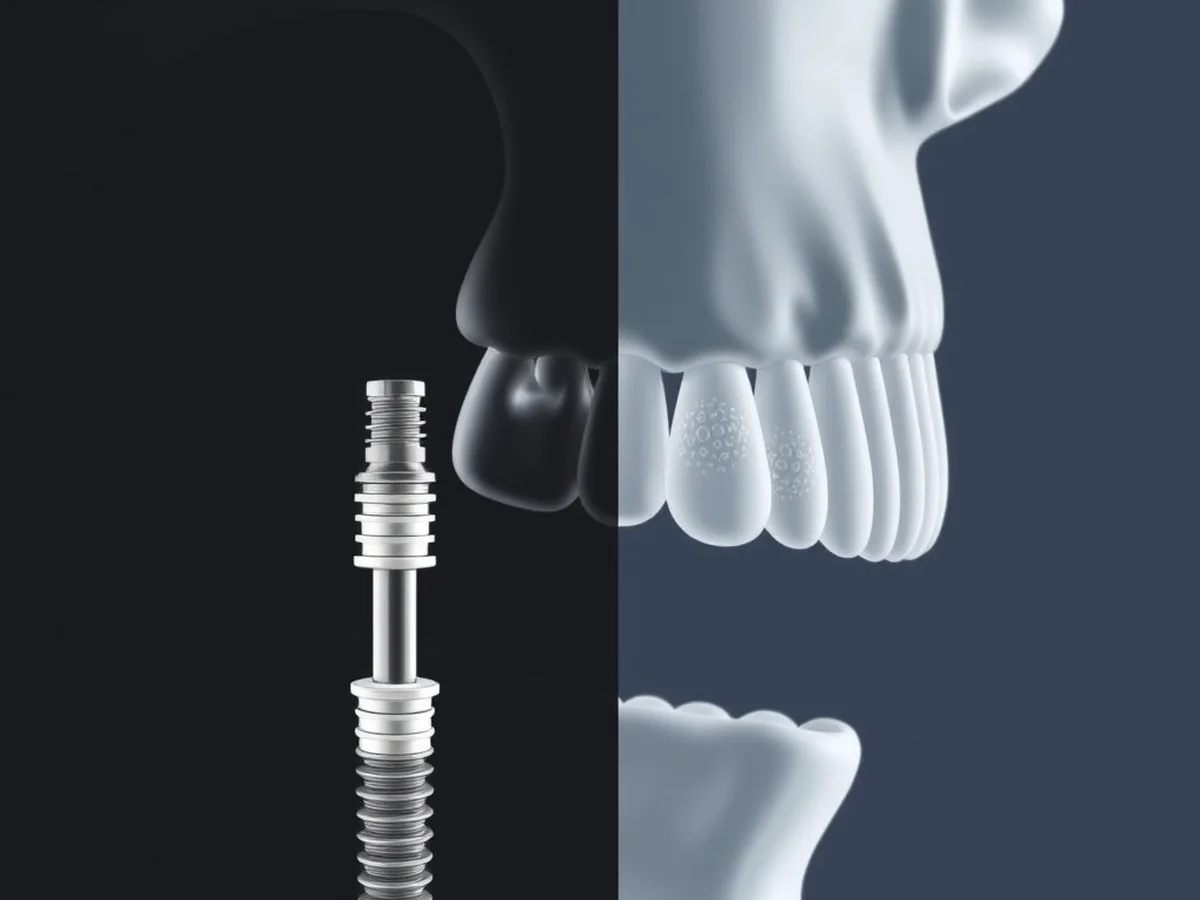
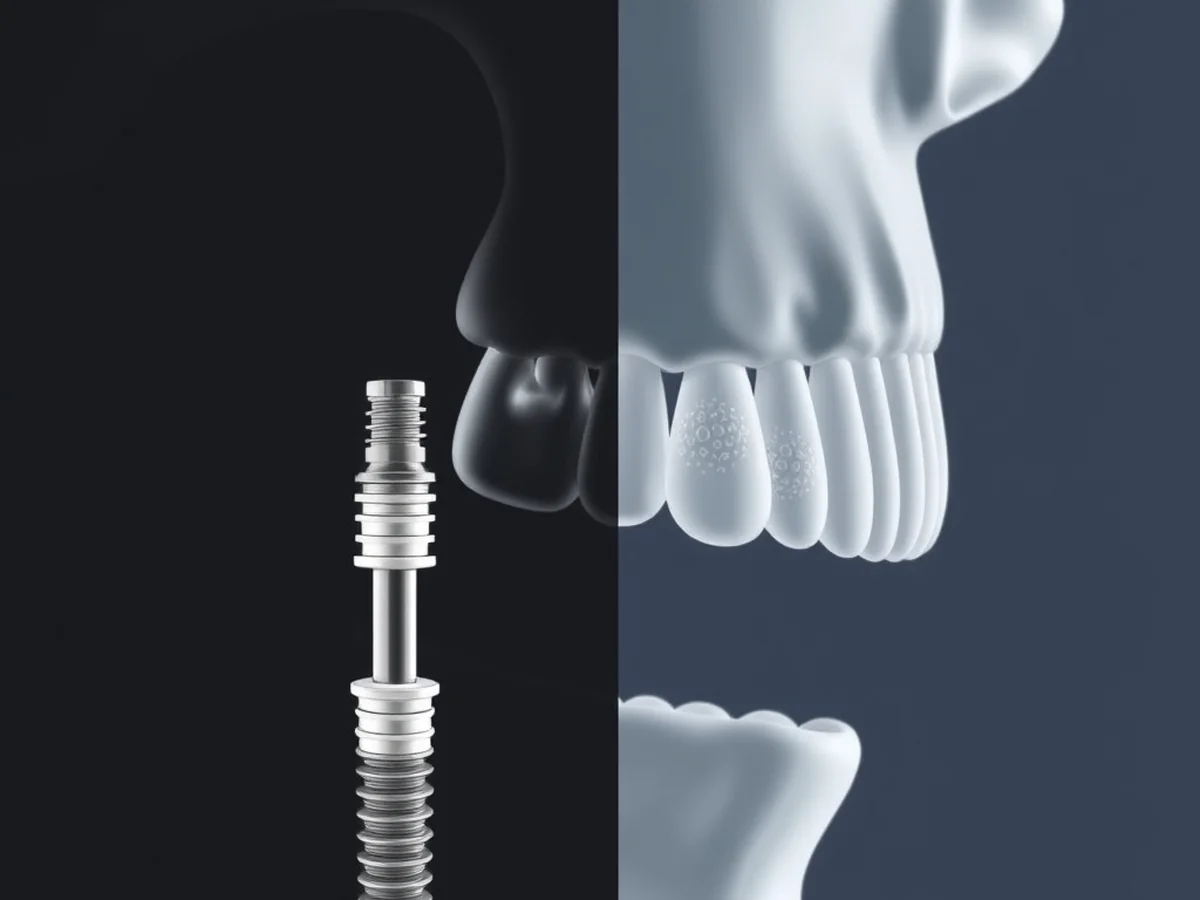
Dental implants require sufficient jawbone density to anchor the metal post securely. When evaluating dentures vs implants, this physical requirement often serves as a primary decision factor. Common guidance suggests that the success of an implant depends on the quantity and quality of the bone available at the site, as this bone must support the structure throughout the process of osseointegration.
Alveolar bone resorption, which occurs naturally after a tooth is lost, can significantly impact candidate eligibility for implants. Without the stimulation typically provided by the tooth root, the jawbone may shrink or thin over time. If the remaining bone volume is insufficient to support a metal post, a professional may recommend bone grafting to restore the area before proceeding with implant placement.
Denture stability is also directly influenced by the condition of the underlying jawbone. Because traditional dentures rely on suction and adhesives to stay in place, they do not provide the same stimulation to the alveolar bone as natural teeth or implants. As the jawbone naturally resorbs over time, the fit of a removable appliance can change. This often leads to discomfort or looseness, requiring periodic adjustments or the fabrication of new dentures to maintain a functional fit.
Maintaining Dentures vs Implants
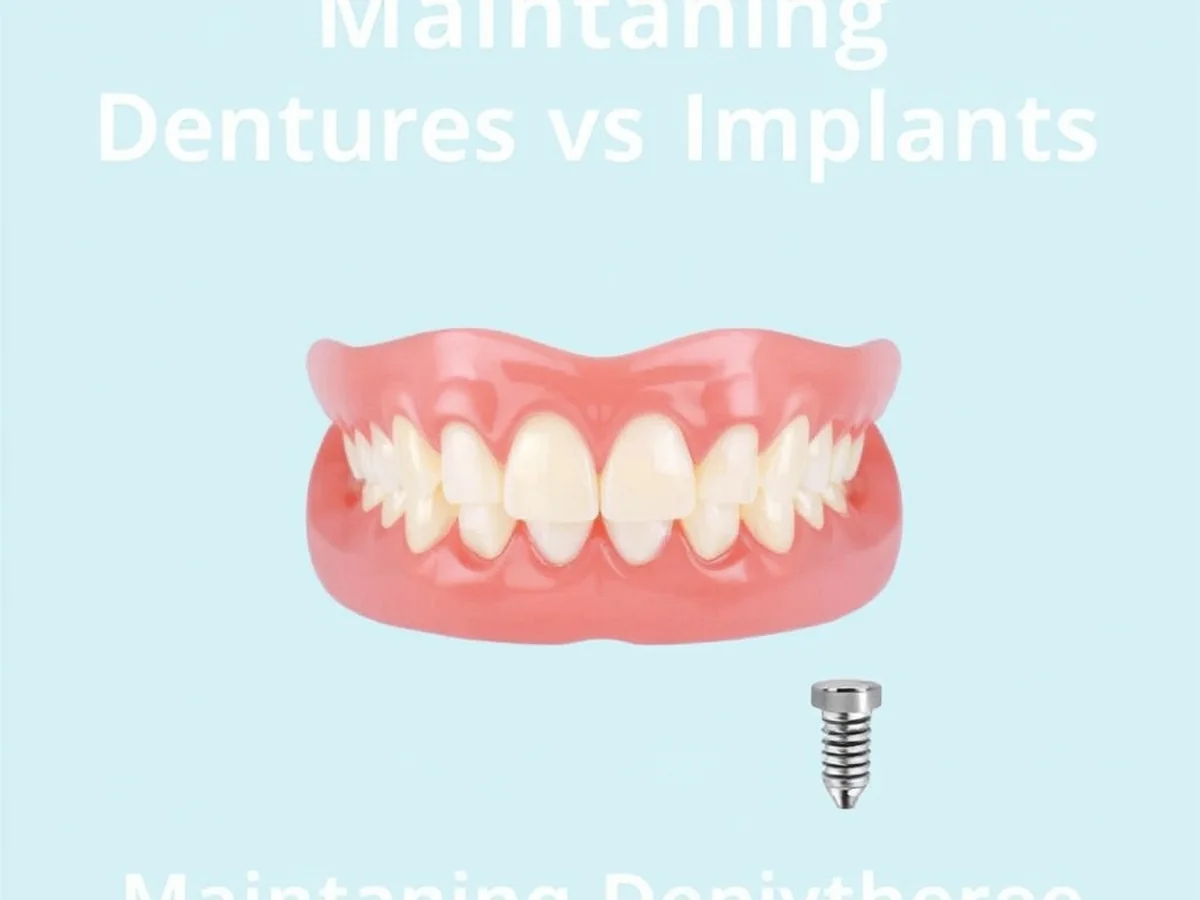
The upkeep required for tooth replacement options varies significantly between removable appliances and fixed restorations. You must remove and clean dentures daily to maintain oral health, and they should not be worn overnight according to health guidelines. In contrast, fixed options such as dental implants are considered permanent fixtures that require routine oral hygiene similar to natural teeth.
| Feature | Removable Dentures | Dental Implants |
|---|---|---|
| Daily Cleaning | Required | Routine brushing/flossing |
| Overnight Use | Not recommended | Permanent |
| Structural Support | Adhesives or suction | Osseointegration |
| Stability | Can shift during use | Fixed in jawbone |
While the maintenance of removable dentures involves dedicated soaking and cleaning cycles to prevent bacterial buildup, the care for implant-supported restorations focuses on consistent brushing and flossing to protect the surrounding gum tissue. Because implants integrate directly with the bone, they do not require removal. However, it is common guidance that implant candidates possess sufficient jawbone density to ensure long-term success. Over time, the fit of traditional removable appliances may change as the jawbone resorbs, necessitating professional adjustments to maintain comfort and function.
Comparing Dentures and Implants
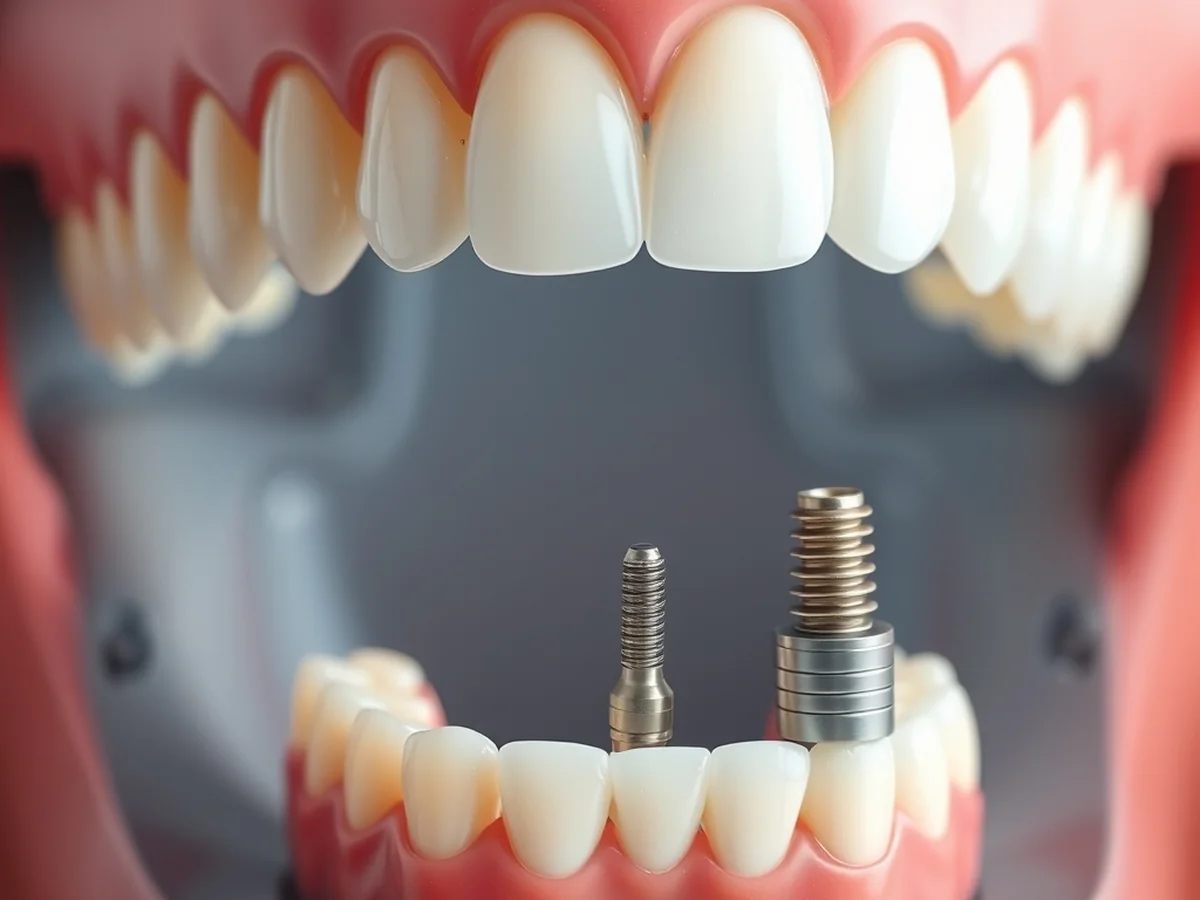
The primary difference between these solutions is their stability: dental implants are permanent fixtures, while traditional dentures are removable appliances. Because implants anchor directly into the jaw, they provide a stationary foundation for tooth replacement that feels and functions more like natural teeth.
Full-arch implant-supported bridges offer a way to restore an entire set of teeth without the need for individual implants for every missing tooth. All-on-4 and All-on-6 are specific types of full-arch implant-supported bridges that use a limited number of posts to secure a complete prosthetic arch. These fixed solutions offer significant benefits for patients missing multiple teeth by providing stability and helping to maintain the structure of the underlying bone.
In contrast, traditional dentures rely on suction and adhesives to stay in place. Because these appliances are removable, they require specific daily care:
- Dentures should be removed and cleaned daily.
- Dentures should not be worn overnight.
Furthermore, denture fit can change over time as the jawbone resorbs, which typically necessitates periodic refitting. Implant procedures differ significantly in this regard, as they often involve a healing period for osseointegration before the final crown is attached. Common guidance suggests that dental implants also require sufficient jawbone density to anchor the metal post effectively.
Cost and Longevity: Dentures vs Implants
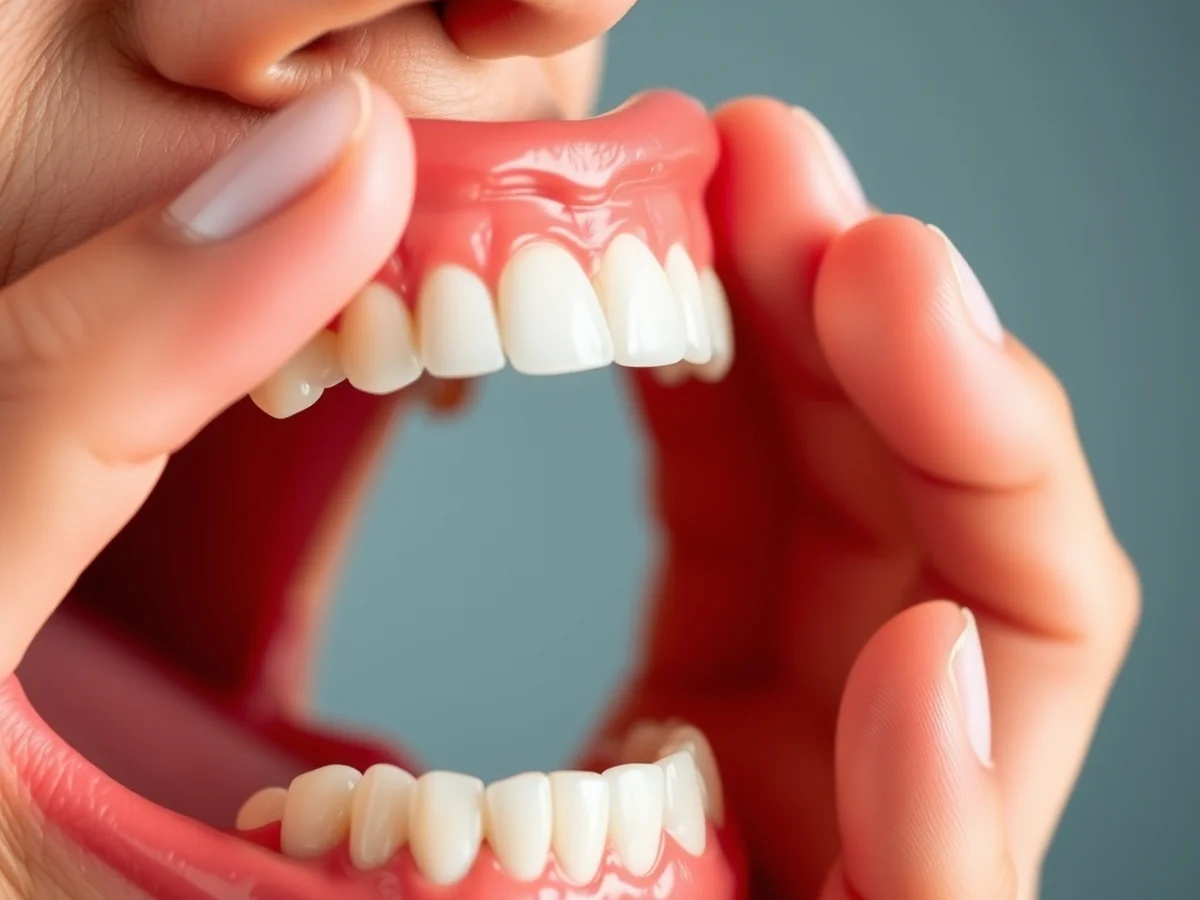
Removable prosthetics typically represent a lower upfront financial commitment, while permanent fixtures involve a higher initial investment due to the surgical nature of the treatment. Implants are considered permanent fixtures, whereas dentures are removable prosthetics that must be removed and cleaned daily.
Because dentures are removable, they do not require surgical placement. However, they rely on suction and adhesives to stay in place, and their fit often changes over time as the jawbone resorbs. This means you may need to budget for periodic adjustments or replacements to maintain comfort. Conversely, the investment in implants covers the surgical placement of a post and the restorative component. Since implants fuse with the jawbone through osseointegration, they function more like natural teeth and do not require the same adhesives or daily removal.
When preparing for a dental implant cost comparison with your prosthodontist, use the following framework to understand your total financial commitment:
- Request a breakdown of surgical fees versus the cost of the final restoration.
- Ask about the necessity of preliminary procedures, such as bone grafting, if your jawbone density is insufficient.
- Inquire about the projected timeline, as the healing period for osseointegration affects the number of visits required.
- Discuss long-term maintenance expectations for specific bridge protocols like All-on-4 or All-on-6.
FAQ
Are dentures better than implants?
Whether dentures or implants are the right choice depends on your oral health needs, budget, and lifestyle preferences. Dental implants are considered permanent fixtures compared to removable dentures, offering a more stable feel that mimics natural tooth roots.
What is the procedure for each treatment?
Dentures typically involve a series of impressions and fittings to ensure a proper fit within your mouth. Implant procedures often involve a healing period for osseointegration, where the jawbone fuses to the metal post before the final crown is attached.
How does maintenance differ between the two?
Removable dentures require daily attention, as they should be removed and cleaned each day to maintain oral hygiene. Unlike permanent implants that are brushed like natural teeth, dentures should not be worn overnight.
Do I need specific bone density for dental implants?
It is common guidance that dental implants require sufficient jawbone density to anchor the metal post securely. If bone loss has occurred, a dentist may discuss grafting procedures to create a stable foundation for the implant.
Why might a denture need to be refitted?
It is common practice for denture fit to change over time because the underlying jawbone resorbs after tooth loss. Regular adjustments are often necessary to ensure the appliance remains comfortable and functional as your anatomy evolves.
What are All-on-4 and All-on-6 restorations?
These terms refer to specific types of full-arch implant-supported bridges designed to replace a complete set of teeth. By using a limited number of strategically placed implants, these systems provide a fixed alternative to traditional removable dentures.
Conclusion
The primary decision point between these tooth replacement options rests on your jawbone health, budget, and preference for a removable versus a permanent solution. Because dental implants often require sufficient bone density for the metal post to anchor effectively, a professional assessment is necessary to determine your eligibility. Evaluating the pros and cons of dentures vs implants with a qualified dentist or prosthodontist will help you weigh the long term durability of implants against the immediate functionality and lower initial cost of dentures. Schedule a consultation to review your oral health history and discuss which restorative path aligns best with your lifestyle and functional needs.
You might also like: Dental Implants: What to Expect Before, During and After