How Long Does a Professional Teeth Cleaning Take (and What Happens)?
Introduction
Most dental cleanings take 30 to 60 minutes to complete. Understanding how long does a teeth cleaning take helps patients prepare for their regular dental checkup steps and manage their schedules effectively.
This guide explains what happens during a dental cleaning, from the removal of plaque and tartar to the final polish. We will break down the typical dental cleaning appointment duration and clarify why these sessions are essential for maintaining oral health. Whether you are due for your six-month visit or simply curious about the process, you will find information regarding the tools used by your dental hygienist and the standard procedures involved in your care.
Understanding the Duration of a Dental Cleaning
Most dental cleanings take 30 to 60 minutes. This timeframe covers the standard preventive care provided by a dental hygienist during a routine visit.
A standard hygiene appointment is designed to maintain oral health through a thorough assessment and maintenance process. While the total dental cleaning appointment duration can vary based on the health of your gums and the amount of buildup present, the appointment generally remains within that one hour window. This time is typically used to complete two main clinical steps:
- Scaling: The removal of plaque and tartar from the teeth, often using an ultrasonic scaler.
- Polishing: The final stage of the cleaning process to smooth the tooth surfaces.
Beyond these two core tasks, a comprehensive visit often includes an examination of the mouth and the capture of dental X-rays, which are typically taken yearly. While these additional steps are part of the total time spent in the chair, they ensure a complete picture of your dental health is documented. By sticking to this consistent routine every six months, you help manage your oral hygiene effectively and allow the dental team to address any developing issues early.
Typical Teeth Cleaning Duration
Most dental cleanings take 30 to 60 minutes. This timeframe accounts for the routine care provided by a dental hygienist to maintain oral health.
While the total dental cleaning appointment duration often averages 45 minutes to 1 hour, the actual hands-on work varies. The cleaning portion of a visit typically takes 40 minutes. This block of time allows for the thorough removal of plaque and tartar buildup from the surfaces of your teeth.
Several factors can influence the total time spent in the chair:
- The amount of plaque and tartar accumulation present.
- Whether your visit includes yearly dental X-rays.
- The time required for a professional examination by your dentist.
Because regular dental cleanings are recommended every six months, these appointments are structured to be efficient while remaining comprehensive. If you have significant buildup or require additional preventive treatments, the session may lean toward the longer end of the standard range.
Core Procedure Steps
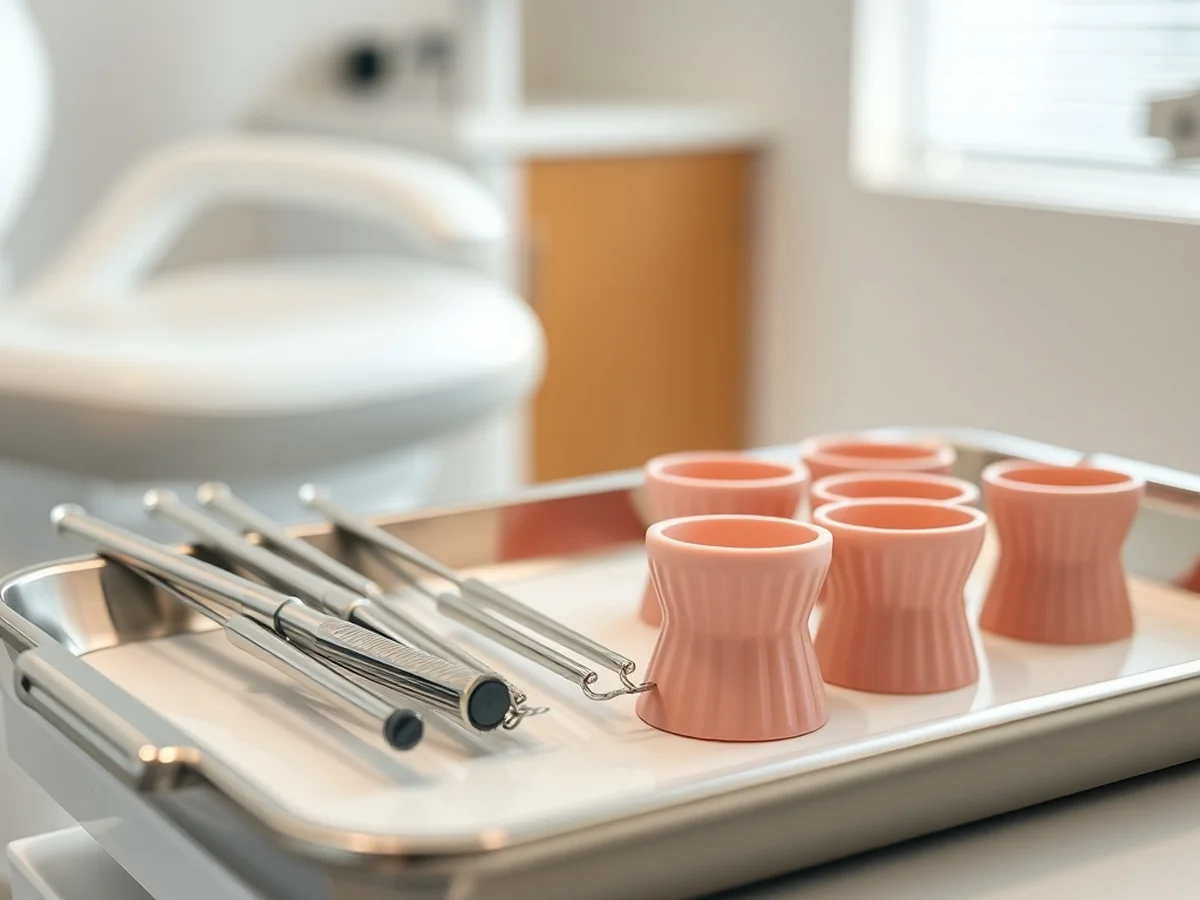
Most dental cleanings take 30 to 60 minutes to complete. During a routine dental checkup, the process generally focuses on two main steps: scaling and polishing.
- The first step is scaling, which is designed to remove plaque and tartar from surfaces above the gumline.
- Dental professionals often use an ultrasonic scaler to efficiently remove plaque and tartar from the teeth.
- Hand instruments may also be used in conjunction with ultrasonic tools to ensure all areas are thoroughly cleaned.
- Once the debris is removed, the polishing phase smooths the tooth surfaces to help prevent future buildup.
- This procedure effectively cleans areas that are difficult to reach with standard brushing and flossing at home.
When considering what happens during a dental cleaning, it is important to remember that these two steps form the foundation of professional preventive care. By removing hardened tartar that cannot be cleared by a toothbrush, the hygienist helps maintain your oral health. While the total time you spend at the office can vary based on individual needs, the actual cleaning portion typically takes around 40 minutes. Following this, the dentist may perform an examination or take annual X-rays to monitor your ongoing dental health.
Factors Influencing Timing
The total duration of a dental visit depends on your individual oral health status and the complexity of the required care. While most dental cleanings take 30 to 60 minutes, several variables can extend the time spent in the chair.
The presence of significant plaque and tartar buildup is a primary factor affecting teeth cleaning time. When a patient has more calcified deposits, the dental hygienist must dedicate additional clinical focus to remove them thoroughly, often utilizing an ultrasonic scaler. This process requires more precision and time than a routine maintenance visit for a patient with minimal buildup.
Additional procedures integrated into the visit also impact how long you spend in the chair during your visit. These may include:
- New dental X-rays, which are typically taken yearly to monitor bone health and detect hidden decay.
- A comprehensive oral examination by the dentist to assess overall tissue health.
- Consultations regarding specific oral hygiene improvements or potential treatment plans for periodontal disease.
Every patient presents with unique needs, so your actual time in the office may vary compared to others. Factors such as the intensity of the cleaning and the necessity of diagnostic imaging ensure the provider has a clear, accurate picture of your oral health.
Standard vs Deep Cleanings
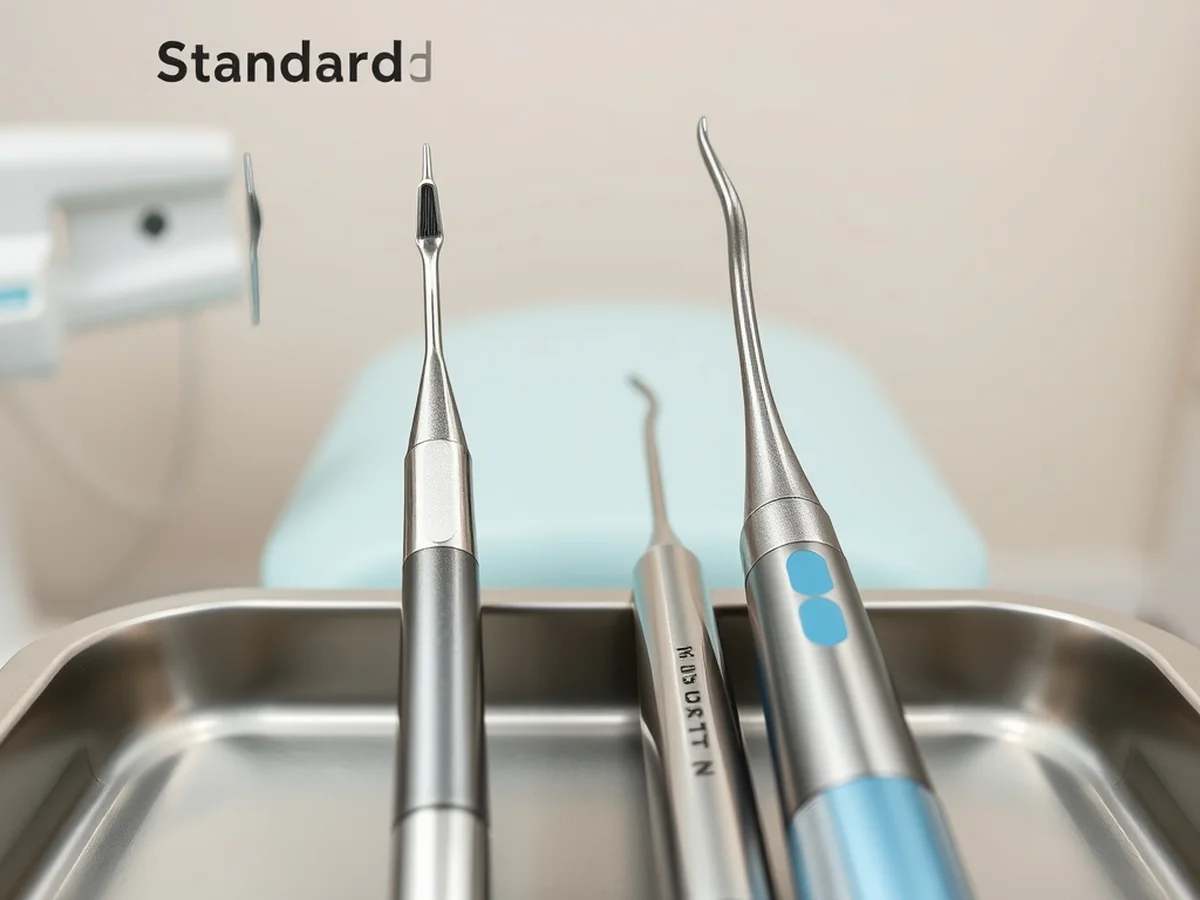
A standard dental cleaning, or prophylaxis, serves as a preventative measure to maintain healthy gums, typically lasting 30 to 60 minutes according to the Cleveland Clinic. In contrast, periodontal scaling and root planing, commonly referred to as a deep cleaning, targets active gum disease and requires significantly more time.
| Procedure Type | Primary Goal | Typical Duration |
|---|---|---|
| Standard Cleaning | Preventative Maintenance | 30 to 60 minutes |
| Deep Cleaning | Treat Active Gum Disease | Multiple visits |
Because deep cleanings involve removing bacteria from below the gum line, they often require multiple appointments to complete the process thoroughly. While standard hygiene sessions focus on removing plaque and tartar from above the gum line, the complexity of managing periodontal disease necessitates this extended approach to ensure patient comfort and clinical effectiveness. Understanding how long does a deep cleaning take helps patients prepare for the commitment involved in restoring their oral health.
Does Oral Hygiene Affect Timing?
Yes, your daily oral hygiene habits directly influence the duration of your professional visit. Consistent home care means there is less plaque and tartar for the dental hygienist to remove, which often results in a more efficient appointment.
When you maintain a thorough routine of brushing and flossing, you help prevent the buildup of hardened deposits that require extensive scaling. This proactive approach supports the common guidance that routine preventive visits are recommended every six months to avoid major complications. By staying on top of your oral health between visits, you keep the process straightforward for your dental team.
Beyond the physical removal of debris, these sessions serve a vital diagnostic purpose. During the visit, the dental hygienist uses the time to assess your gum health and check for early signs of inflammation or disease. This evaluation is a key component of your overall care, ensuring that any potential issues are identified before they escalate.
- Reduces the amount of time required for plaque and tartar removal.
- Allows the dental hygienist to focus on monitoring gum health.
- Supports the common practice of scheduling preventative care every six months.
- Helps maintain optimal oral hygiene between your scheduled appointments.
Post Cleaning Care
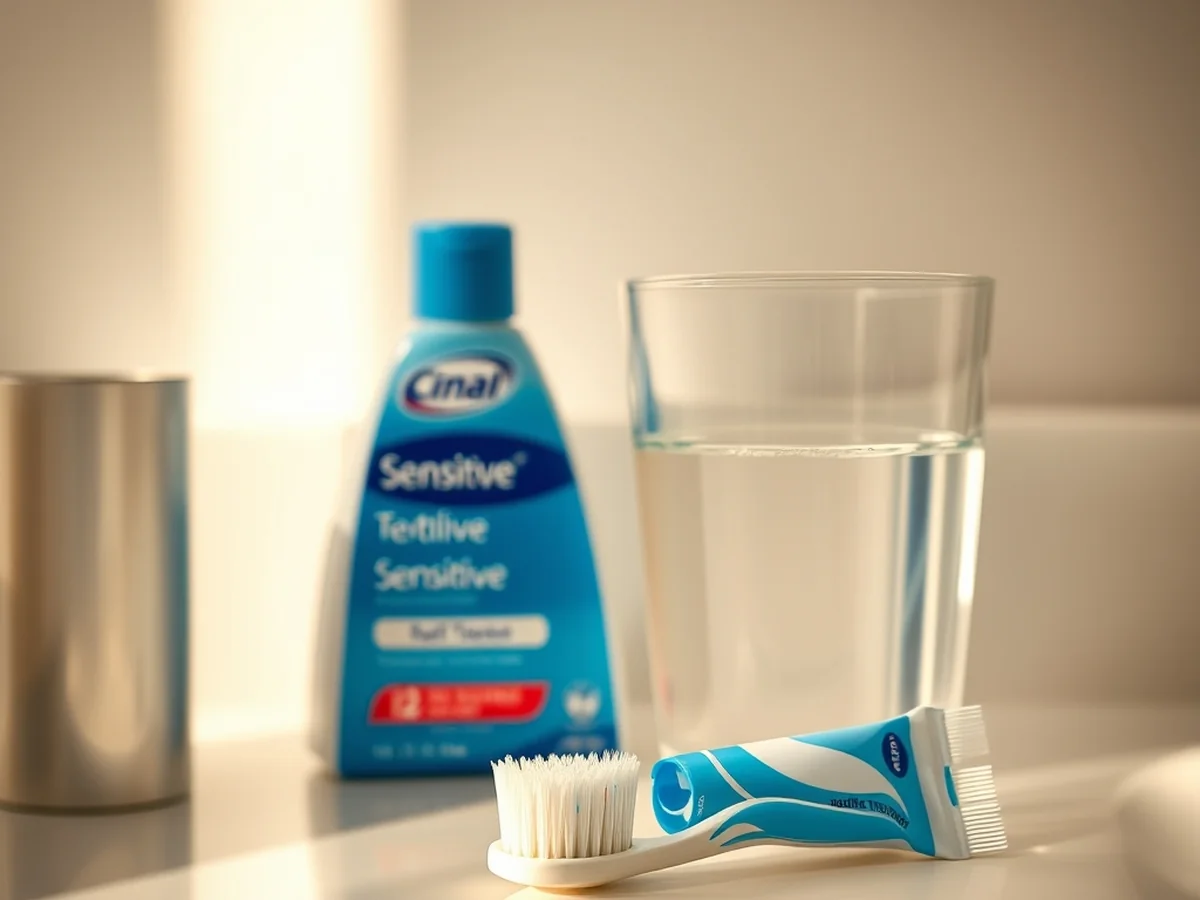
You can manage temporary sensitivity after plaque and tartar removal by using a soft bristled toothbrush and toothpaste designed for sensitive teeth. Most patients find that any mild discomfort from the scaling process subsides quickly as the gums recover.
- Wait at least 30 minutes after your fluoride treatment before you eat or drink anything to allow the protective layer to fully absorb.
- Avoid consuming hot, cold, or acidic beverages for a few hours if you experience heightened tooth sensitivity immediately following your visit.
- Stick to soft foods for the remainder of the day if your gums feel tender or irritated from the cleaning.
- Contact your dental professional if you notice persistent pain, bleeding, or swelling that lasts longer than 48 hours.
- Reach out to the office sooner if you experience sharp, localized pain when biting down that does not improve within a day.
While minor aching is normal after a thorough cleaning, it should not be severe or long lasting. If you have concerns about the level of discomfort you are feeling, your dental hygienist or dentist can provide guidance tailored to your specific oral health needs.
Understanding Appointment Duration
Most dental cleanings take 30 to 60 minutes. While this is the standard range, a typical visit often falls between 45 minutes and 1 hour when accounting for the full checkup process. The actual cleaning portion of a visit typically takes about 40 minutes, though this can fluctuate based on your individual oral health needs.
Several factors affect teeth cleaning time, including the amount of buildup present and whether you require additional diagnostic services. For instance, new dental X-rays are typically taken yearly, which adds a small amount of time to your visit. Regular dental cleanings are recommended every six months to help keep your mouth healthy and prevent more extensive procedures.
The Cleaning Process
Dental cleanings involve two main steps: scaling and polishing. During the scaling phase, your dental hygienist removes plaque and tartar from your teeth. It is common practice to use an ultrasonic scaler for this process, as these devices effectively break down deposits that accumulate above and below the gumline.
Once the surfaces are clean, the hygienist moves on to the polishing phase. This step helps smooth the tooth surface to discourage future buildup. Depending on your needs, a fluoride treatment may follow to strengthen your enamel.
FAQ
How long does a deep cleaning take?
A deep cleaning, known as periodontal scaling and root planing, takes significantly longer than a standard cleaning because it involves a more intensive process below the gumline. These appointments often require multiple visits and can take over an hour per quadrant of the mouth.
What happens during a dental cleaning?
During a dental cleaning, a professional removes plaque and tartar from your teeth through scaling and then polishes them to create a smooth surface. The visit usually includes an oral examination and, if scheduled, diagnostic dental radiography to monitor your long-term oral health.
Why are dental cleanings important?
Professional cleanings are essential because they remove hardened tartar that cannot be cleared away by brushing and flossing alone. Regular maintenance helps prevent the development of periodontal disease and allows your dentist to identify early signs of other oral health issues.
How often should I get a dental cleaning?
Common guidance suggests scheduling a professional cleaning every six months to maintain optimal oral hygiene. Your dentist may recommend a different frequency if you have specific risk factors or existing dental conditions that require closer monitoring.
Conclusion
Most dental cleanings take 30 to 60 minutes, though the total time for your visit depends on your oral health needs. Understanding how long does a teeth cleaning take can help you plan your schedule for regular biannual visits. If it has been more than six months since your last checkup, contact your dentist to book an appointment. Early intervention remains the most effective way to maintain your smile and prevent long-term complications.
You might also like: Fix Brasssmile at Home: 7 Proven Methods That Work