Why Are My Teeth Chipping? Causes, Treatment and Prevention
Introduction
Chipped tooth causes include biting hard foods, accidental trauma, and weakened enamel from decay or grinding. Understanding chipped tooth causes helps you decide the right treatment and prevention steps. This article outlines the most common reasons teeth chip, describes effective tooth chip treatment options, and offers practical tips on how to prevent chipped teeth.
You will learn what to do with a chipped front tooth, the typical cost of fixing a chipped tooth, and when to seek professional care. The information is based on guidance from reputable health organisations, giving you a clear roadmap for managing and avoiding future chips.
Definition of chipped tooth
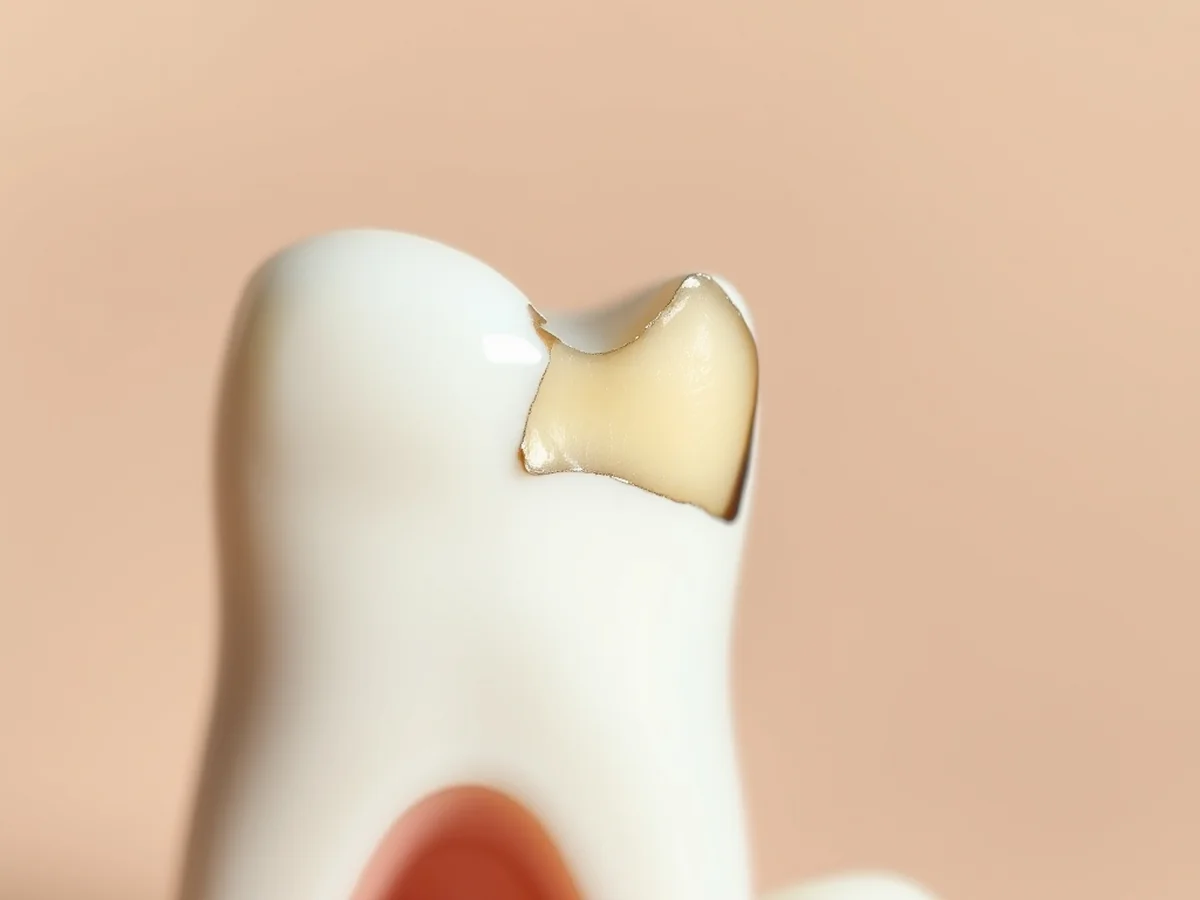
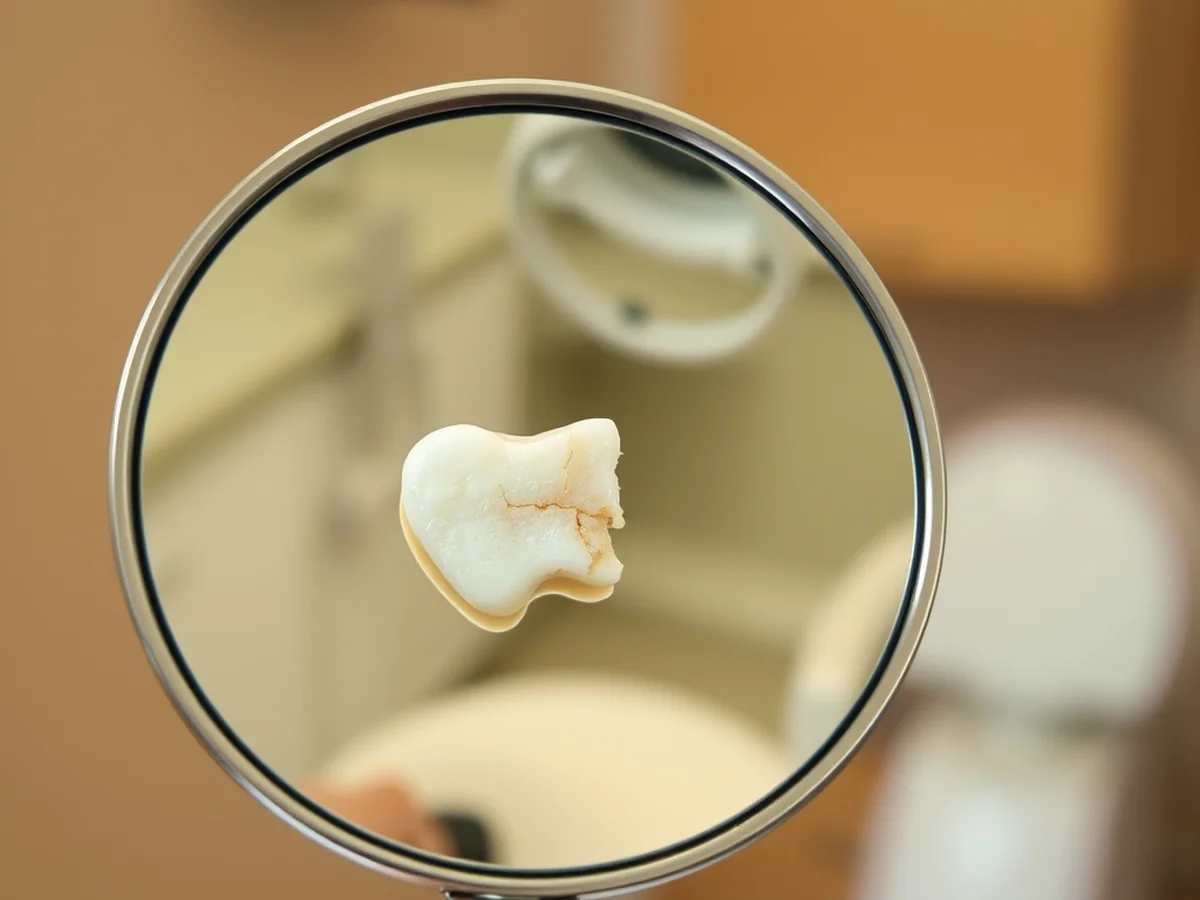
A chip is a small piece of enamel that has broken away from the tooth surface, while a fracture refers to a crack that extends deeper into the dentin or even the root. A break is a more extensive loss of tooth structure that may involve multiple surfaces and can compromise the tooth’s shape.
Minor chips usually affect only the outer enamel and cause a sharp edge or a tiny missing fragment. Larger fractures reach the softer dentin layer, making the tooth more sensitive and potentially weakening its overall integrity. Breaks often involve both enamel and dentin, sometimes exposing the pulp and requiring more extensive restoration.
- Chip: enamel only, small, no sensitivity.
- Fracture: enamel plus dentin, may cause sensitivity.
- Break: extensive loss, possible pulp exposure.
Primary Causes of Tooth Chipping
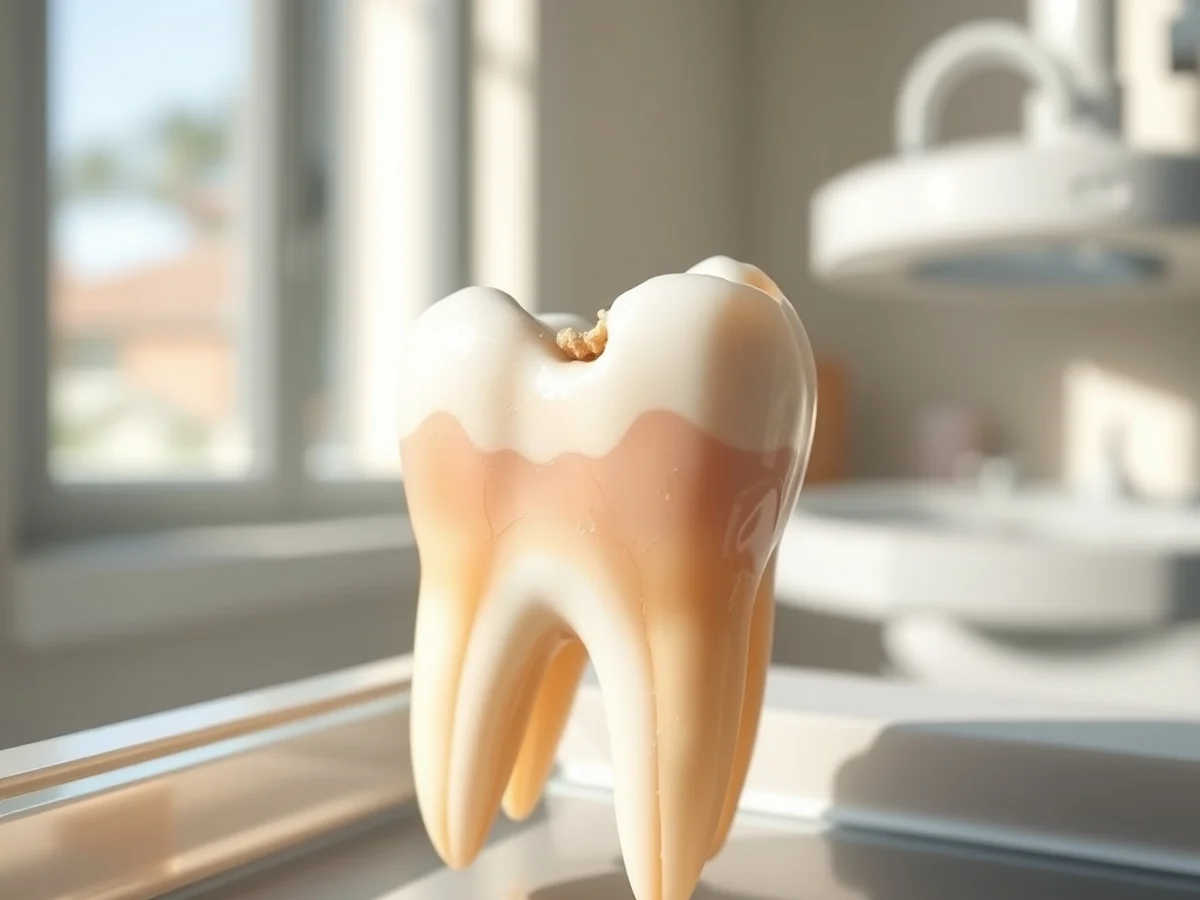
Tooth chipping typically results from a combination of mechanical stress, accidental injury, natural wear, and structural weaknesses in the tooth.
Hard foods and chewing habits
Biting ice, popcorn kernels or hard candy can create sudden forces that crack enamel, especially when the bite is uneven or the tooth is already weakened.
Accidental trauma
Sports injuries, falls, or a sudden impact from a car accident are common reasons for sudden tooth chipping, often affecting front teeth that are directly exposed.
Age‑related enamel wear
Over time, repeated grinding and abrasion from chewing reduce enamel thickness, making teeth more brittle and prone to fractures.
- Cavities or large fillings weaken the structural integrity of a tooth, so even normal biting can cause a chip or break where the material is already compromised.
Risk Factors That Increase Chipping Likelihood
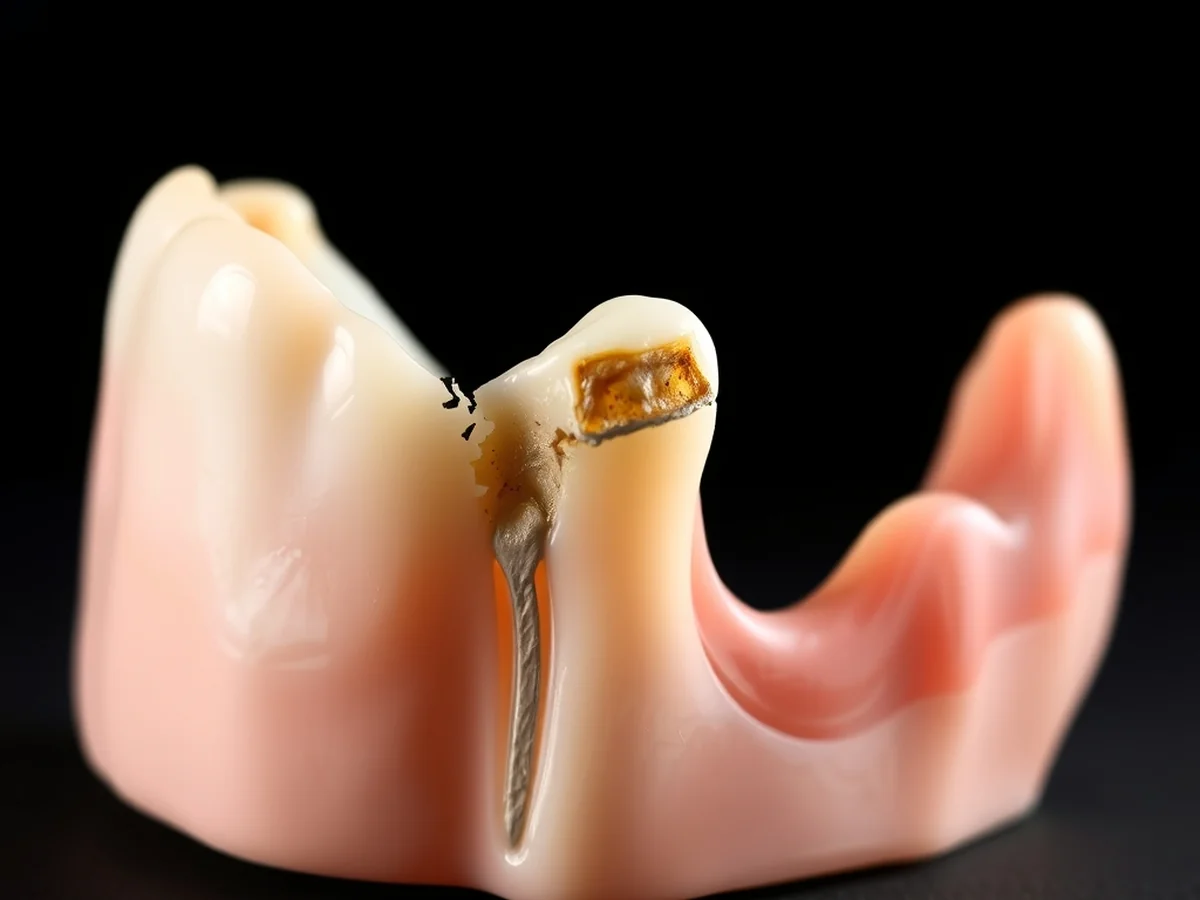
To protect your smile, it helps to know what can push a healthy tooth toward a crack. The following factors are common culprits, each with a clear reason why they raise the risk of a chip.
Teeth Grinding (Bruxism)
When the jaw muscles contract during sleep or stress, the teeth rub against one another. The repeated pressure can create microscopic fissures that expand over time. Those fissures often appear on the front teeth, where the force is greatest. Reducing nighttime grinding with a custom mouthguard can slow or stop the growth of these cracks.
Misaligned Bite
If upper and lower teeth do not meet evenly, certain teeth bear a disproportionate share of chewing forces. Those teeth endure higher stress, which can thin enamel and lead to a chip. Even a slight misalignment can be enough to create uneven wear, especially during hard chewing or when biting down on tough foods.
Dry Mouth and Enamel Softening
Saliva naturally washes away acids and supplies minerals that help keep enamel strong. A low saliva flow, often caused by medication, dehydration, or certain medical conditions, leaves enamel vulnerable. Without the protective buffer of saliva, everyday biting can more easily produce a chip.
Additional health factors such as osteoporosis can also weaken the bone that supports teeth, making fractures more likely. Individuals who grind their teeth, have a noticeable bite issue, or experience dry mouth should discuss preventive strategies with a dentist. Early identification of these risks allows for timely interventions like orthodontic adjustments, fluoride treatments, or protective appliances, all aimed at preserving tooth integrity and reducing the chance of sudden chipping.
Identifying a chipped tooth
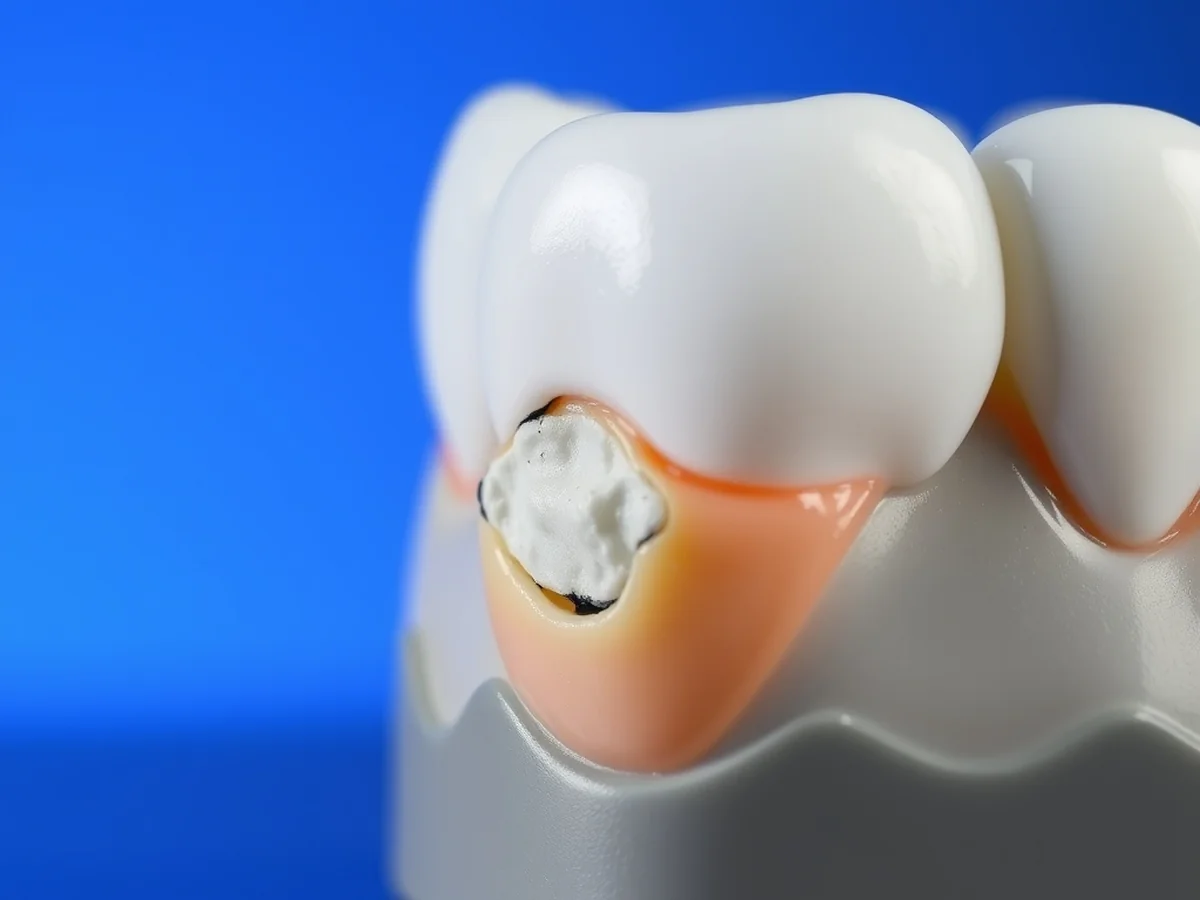
A chipped tooth shows a clear jagged edge, uneven surface, or a noticeable change in color where the enamel is missing. These visual cues help you spot damage that may not be obvious at first glance.
Common symptoms include sensitivity when you eat or drink hot, cold, or sweet foods, and occasional discomfort when biting down. The tooth may feel rough or uneven under the tongue, and you might notice a slight shift in your bite if the chip is on a molar or premolar.
If the chip is large, if you experience pain or swelling, or if the tooth’s appearance affects your confidence, schedule a professional evaluation. A dentist can assess whether the damage requires bonding, a veneer, or a crown, and will advise on preventive measures to avoid further breakage.
Treating a chipped tooth
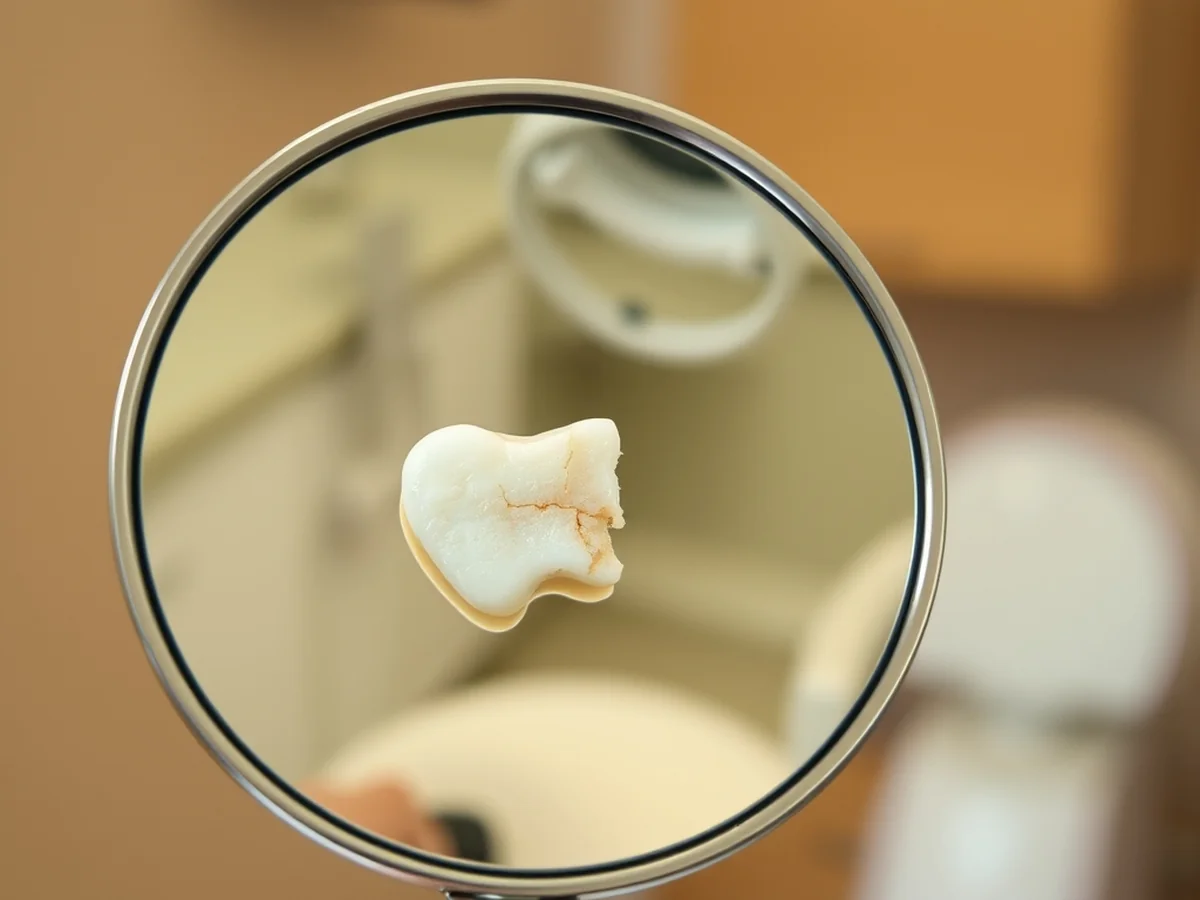
When a tooth is damaged, the choice of repair depends on the size and location of the chip, as well as the overall strength of the tooth. The most common options range from a quick, tooth‑colored repair to a more comprehensive restoration.
Composite resin bonding
This technique uses a tooth‑colored resin that is shaped and bonded directly to the chipped area, providing a fast and affordable solution for small to moderate chips.
Porcelain veneers
For larger front‑tooth chips, a thin porcelain shell is custom fabricated and bonded over the front surface, restoring shape and appearance while protecting the underlying tooth.
Dental crowns
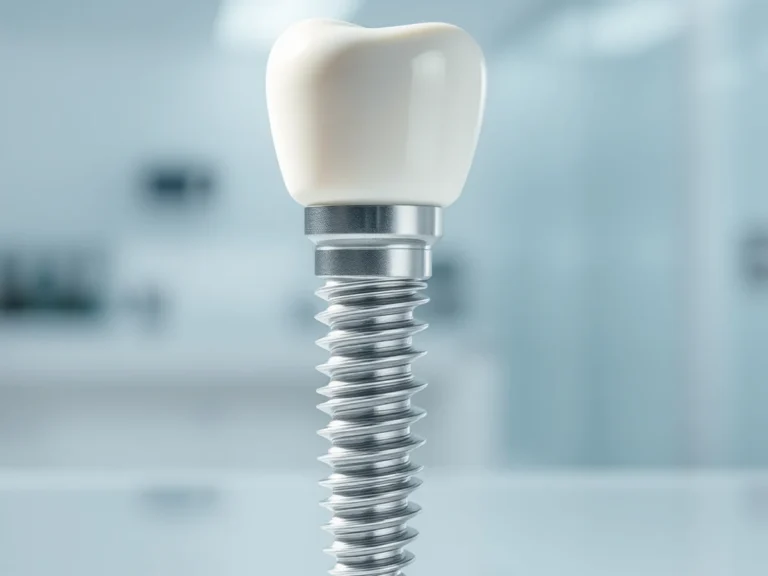
When the damage is extensive or the tooth structure is weakened, a crown is placed over the entire tooth, offering full coverage and strength.
Removal in rare cases
If the chip is so deep that the tooth cannot be safely restored, extraction may be the safest choice to prevent future complications.
Chipped front tooth care
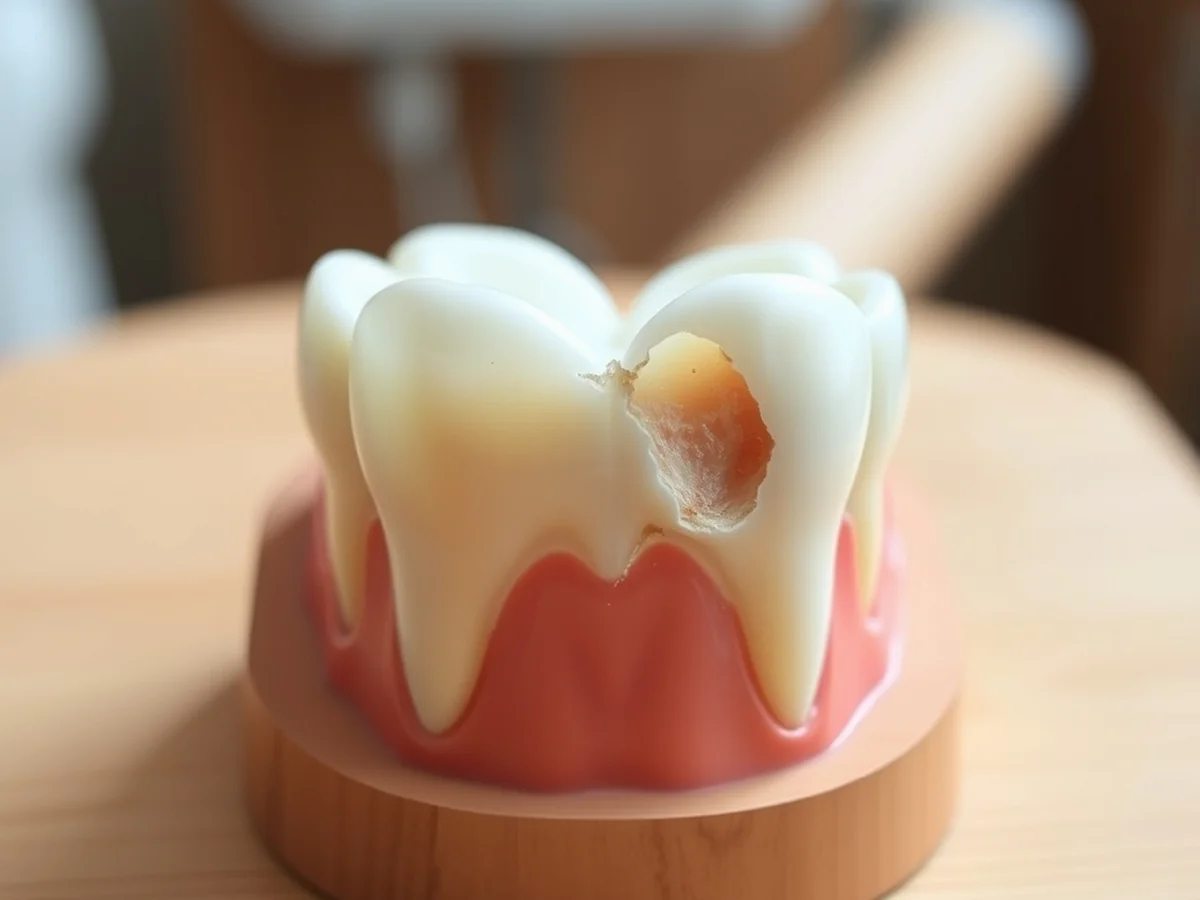
Immediately rinse your mouth with warm water to clear any debris and reduce irritation. If the fragment is sharp, avoid chewing on that side until a dentist can assess the damage.
Use dental wax to cover any rough edges that might snag clothing or cause discomfort. This temporary measure can prevent further injury while you arrange a professional appointment.
Book a dentist visit as soon as possible. Early evaluation allows the clinician to determine whether bonding, a veneer, or a crown is appropriate based on the size and location of the chip.
For front teeth, aesthetic options include composite resin bonding for small chips, porcelain veneers for a more natural appearance, and full crowns if the tooth structure is significantly compromised.
Cost of fixing chipped tooth
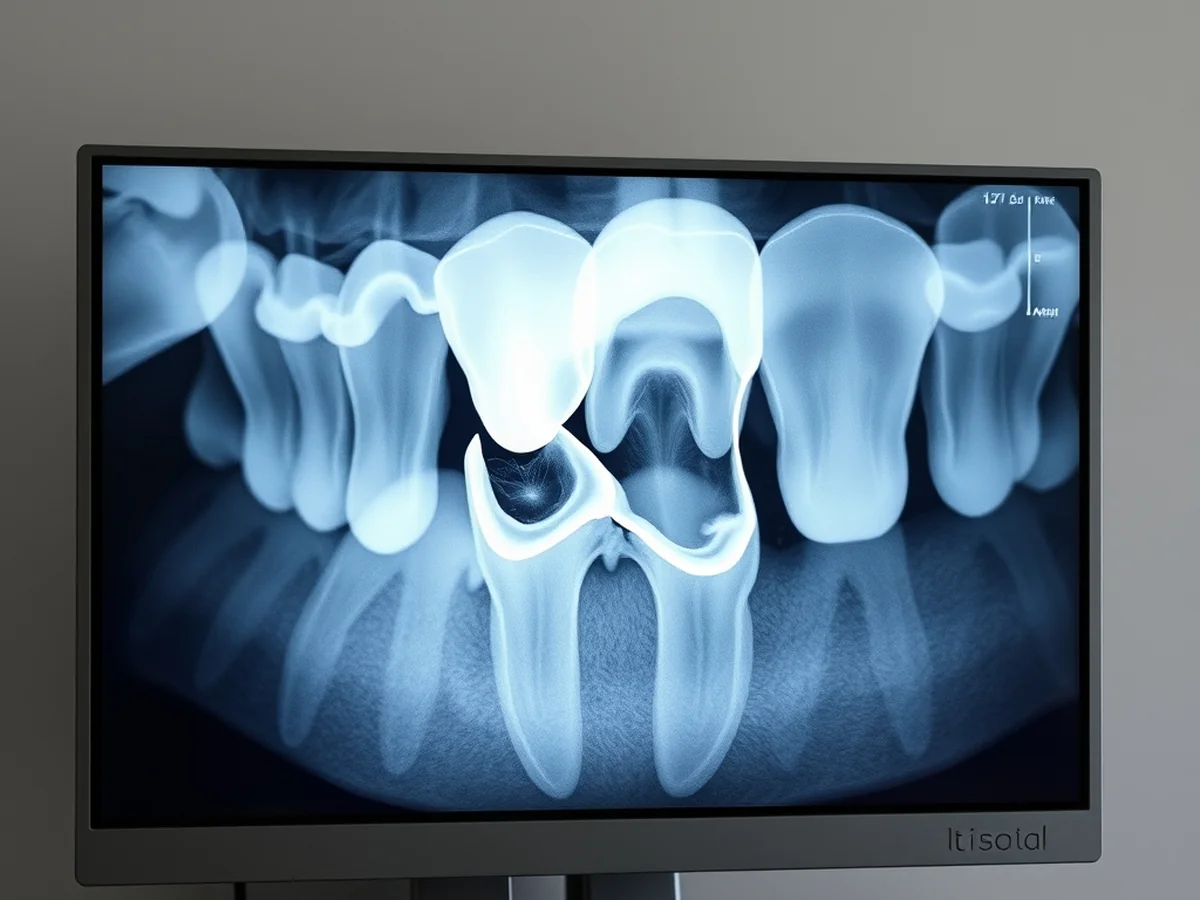
When a tooth is chipped, the price of repair depends on the damage size, the material chosen, and the skill of the practitioner. Composite resin bonding is the most common and budget‑friendly option. It uses a tooth‑colored resin that is shaped, bonded, and polished to match the surrounding enamel. Because the material is inexpensive and the procedure is quick, bonding often represents the lowest cost in a treatment plan.
Choosing a material
For a more durable and natural look, porcelain veneers or dental crowns are recommended. Veneers are thin shells that cover the front surface of a tooth and require a small amount of enamel removal. Crowns cover the entire tooth and are used when the chip is extensive or the tooth structure is weakened. Each material involves different laboratory work and craftsmanship, which raises the overall expense.
Insurance and out‑of‑pocket expenses
Many dental insurance plans cover a portion of the cost if the procedure is deemed medically necessary. Patients should discuss coverage early with their dentist to determine which services are eligible and what the out‑of‑pocket cost might be. A clear conversation before treatment can prevent unexpected charges and help patients plan their budget.
Overall, the cost of fixing a chipped tooth spans from a few hundred dollars for bonding to several thousand dollars for full crowns or veneers, depending on the chosen material, the extent of the damage, and the provider’s expertise. Understanding these variables and consulting with a qualified dentist will guide patients toward the most suitable and cost‑effective solution.
Preventing chipped teeth
To keep enamel strong and reduce breakage, avoid habits that put sudden force on your teeth and protect them during activities that pose a risk.
Dietary habits
What you eat and drink influences tooth resilience. Stick to softer foods when you have a tooth that’s already weakened, and avoid biting into hard candies or ice cubes that can snap a tooth in two.
- Skip hard candies and ice to prevent sudden impact forces.
- Limit sugary drinks to keep enamel from eroding.
Protective gear for sports
In contact sports, a mouthguard is essential for shielding your teeth from blows that could chip or crack them.
- Wear a mouthguard during contact sports to absorb blows.
- Opt for a custom‑fitted guard for better protection.
Managing bruxism
Grinding and clenching at night weaken teeth over time. Addressing this habit can stop further damage.
- Use a night guard to cushion teeth from grinding forces.
- Practice stress‑reduction techniques to lower nighttime clenching.
Regular fluoride treatments and routine dental exams help maintain enamel strength and catch early signs of wear before a chip develops.
Chipped Tooth Causes
Teeth can chip for a variety of reasons, most of which involve a sudden impact or long‑term wear. The most common trigger is an accidental collision, such as falling onto a hard surface or biting down on a hard object. Repeated grinding or clenching, known as bruxism, gradually weakens enamel and can cause small chips to develop over time. Other factors include age‑related enamel thinning, nutritional deficiencies that affect tooth strength, and dental conditions that create weak spots in the tooth structure.
Environmental factors also play a role. Exposure to very hot or very cold foods and drinks can cause the enamel to expand and contract, making it more vulnerable to fracture. Finally, certain dental procedures, like extensive fillings or root canals, may leave a tooth more susceptible to chipping if the remaining structure is not adequately reinforced.
Frequently Asked Questions
What are the most common causes of sudden tooth chipping?
Sudden tooth chipping is most often caused by an accidental impact, such as falling or biting on a hard object. Brushing too hard with a stiff‑bristle brush can also contribute to fractures. These factors can create a sudden break in the enamel.
How can I prevent my teeth from chipping?
Using a mouthguard during sports helps protect against impact injuries. Avoiding hard foods and treating bruxism with a dentist‑prescribed appliance also reduce the risk of chipping. Regular dental check‑ups can catch weak spots early.
What should I do if I have a chipped front tooth?
Clean the area gently with water, then seek a dental appointment for evaluation. Depending on the size and location, options include composite resin bonding or a porcelain veneer. A professional assessment ensures the best long‑term solution.
Are there cost differences between treatment options for a chipped tooth?
Costs vary by the chosen procedure. Composite bonding is generally less expensive than porcelain veneers, while crowns can be more costly due to the material and lab work involved. The specific price depends on the dentist and the required materials.
Can I repair a chipped tooth at home?
Short‑term home remedies, like using dental cement, can provide temporary relief but are not a substitute for professional treatment. A dentist should assess the chip to determine the best long‑term solution. Home fixes are only a temporary measure.
Conclusion
Understanding the causes of a chipped tooth is the first step toward choosing the right treatment and preventing future damage. If you notice a small chip, a dentist may recommend composite resin bonding or a porcelain veneer, depending on the extent of the damage and cosmetic goals. For more severe fractures, a dental crown can restore strength and appearance. To keep your smile intact, practice gentle chewing habits, avoid hard foods that strain enamel, and wear a mouthguard during sports. If you’re unsure which option fits your situation, schedule an evaluation with a dentist to discuss the best plan for your specific needs. The key decision point is to seek professional advice promptly, ensuring the chosen treatment addresses both function and aesthetics.
You might also like: Fix Brasssmile at Home: 7 Proven Methods That Work