Dental Veneers Cost Guide: What Really Determines the Price
Introduction
The total Dental Veneers Cost varies significantly depending on your specific smile goals and the expertise of your cosmetic dentist. Many patients feel confused by the wide price gap between different providers, but understanding the breakdown helps you plan your budget effectively.
You should expect to pay anywhere from $900 to $2,500 per tooth depending on the materials used. While some clinics advertise a low porcelain veneer price per tooth, they often exclude essential fees like digital smile design or temporary veneers. This guide provides transparency on the true financial commitment required for a professional smile makeover.
We will examine the differences between composite vs porcelain veneers cost and why your choice of dental lab impacts the final bill. You will also learn how to navigate insurance coverage and financing options to make your aesthetic goals a reality.
Material Price Differences
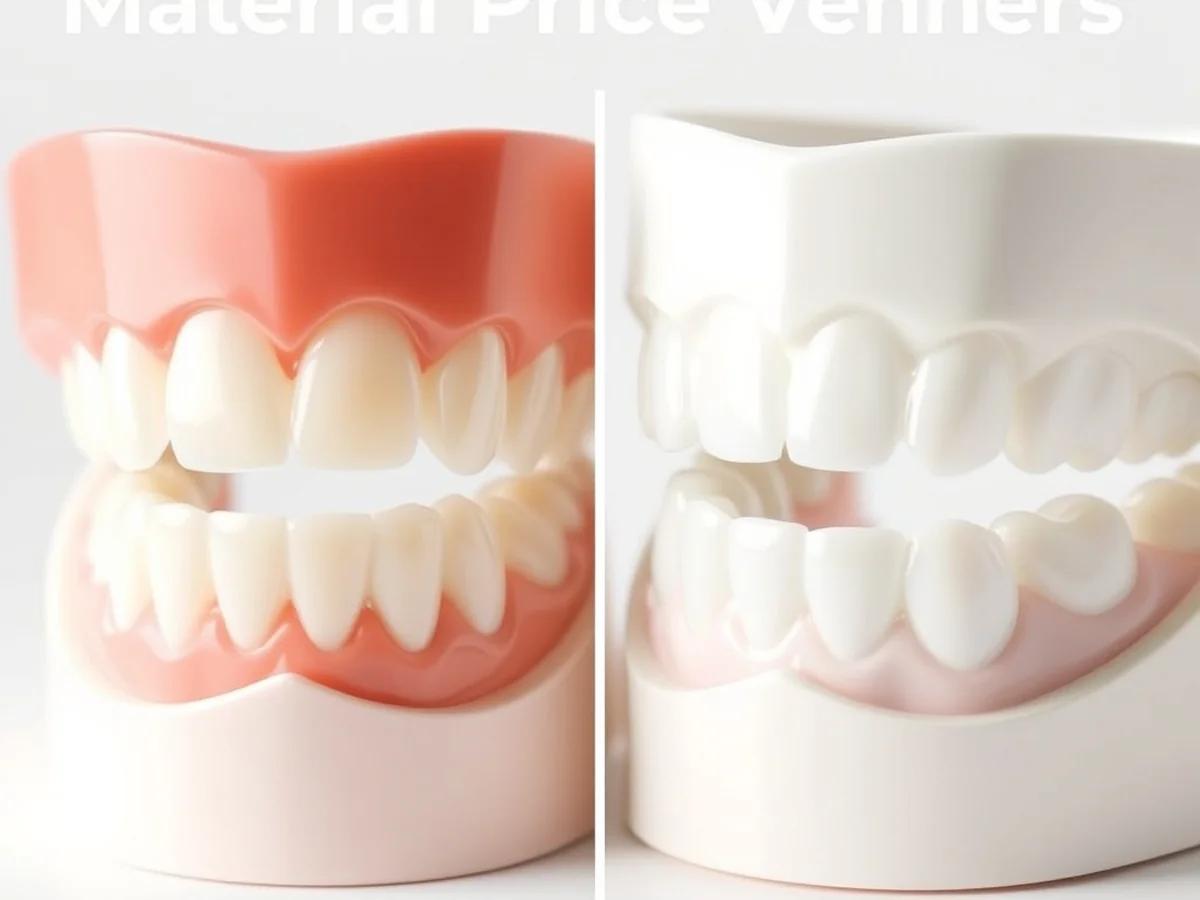
The total Dental Veneers Cost varies significantly based on the material chosen for your smile. You will find that porcelain options generally command a higher fee than composite resin alternatives because of the manufacturing process.
Porcelain requires a professional dental lab to fabricate each custom shell. A skilled cosmetic dentist must take precise impressions and send them to a technician who uses high-heat ceramics to create a durable, stain-resistant surface. This process often involves multiple appointments, including the placement of temporary veneers while you wait for the permanent set. Because of the specialized labor and equipment, expect the porcelain veneer price per tooth to range between $1,000 and $2,500.
Composite bonding is a direct application method. Your dentist applies a tooth-colored plastic material directly onto your enamel in a single visit. They shape and harden the material using a special light. Since this method avoids lab fees and complex fabrication, it is the more affordable choice. You might pay between $250 and $800 per tooth for this procedure.
The trade-off involves longevity and appearance. While composite is cheaper upfront, it typically lasts about 5 to 7 years before showing wear. Porcelain is far more resistant to stains and can maintain its luster for 15 years or longer. You are essentially paying for the expertise of a technician and the advanced materials that ensure your smile stays bright for decades.
Hidden Service Fees
Many offices provide a quote for the final restoration only, leaving out the essential steps required to get there. These secondary charges are rarely included in the initial **Dental Veneers Cost** estimate, which can catch patients off guard during their final billing.
Temporary veneers represent a primary example of these excluded charges. While you wait for your custom porcelain pieces to return from the dental lab, your prepared teeth need coverage. Dentists often charge an additional $150 to $300 per unit for these temporary acrylic shells. They are vital for protecting sensitive enamel, but they require extra clinical time to fabricate and place.
Local anesthesia is another line item that might appear on your final invoice. While some practices bundle this into the total fee, others bill it separately, especially if the procedure involves extensive gum contouring or work on many teeth.
Follow-up adjustments also impact your total out-of-pocket expenses. You might need a secondary visit to refine your bite or polish the bonding agent after the final placement. While some cosmetic dentists include one or two follow-up visits in the initial package, others charge an hourly rate for these minor tweaks.
Always ask for a written breakdown that explicitly lists these extra items. Understanding these variables helps you plan for the full financial commitment rather than focusing solely on the price per tooth. Knowing the total scope of the work prevents mid-treatment surprises.
Geographic Price Factors

Where your clinic is located is a major driver of your total Dental Veneers Cost. Dentists in large urban areas face significantly higher rent and payroll expenses compared to those in rural regions. These overhead costs are passed on to patients to keep the practice running.
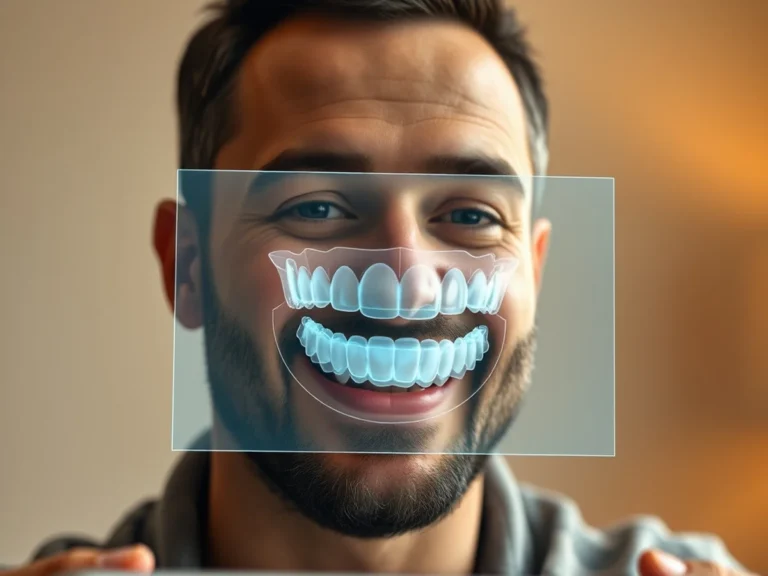
You will often find that a boutique cosmetic dentist in a major city charges a premium because they operate in a high-cost market. These practices frequently invest in advanced tools like digital smile design, which requires a heavy initial investment. You are paying for the convenience of a high-tech office and the specialized skill set of a provider who handles complex smile makeovers daily.
The reality check is that national averages are rarely accurate for your specific zip code. While the national porcelain veneer price per tooth might hover around $1,500, a specialist in a high-demand area could charge $2,500 or more. Conversely, suburban or rural clinics may offer lower rates due to lower operating costs. Always request a cosmetic consultation at a few different clinics within a 30-mile radius to compare local quotes.
Keep in mind that lower prices in a cheaper area do not always guarantee the same quality of work. Ask to see a portfolio of their previous cases to ensure the results match your expectations. A lower price tag should never come at the expense of proper tooth preparation or high-quality dental lab materials.
Insurance Coverage Reality
Most dental plans view cosmetic improvements as elective procedures. You will rarely find a policy that helps lower the dental veneers cost for standard aesthetic changes. Insurance companies typically define these treatments as non essential because they improve your smile rather than your bite function.
You might secure partial coverage if the work is deemed medically necessary. This exception happens when you have significant structural damage like severe enamel erosion or a fractured tooth that requires a crown or veneer for protection. In these cases, the insurer might pay a portion of the fee based on their standard rate for a basic crown.
Check your specific policy by calling the number on the back of your insurance card. Ask the representative for the coverage breakdown regarding major restorative services. Be prepared to provide the specific procedure code from your dentist. Most insurers will only contribute if the treatment replaces a failed restoration or corrects a functional deficit.
Expect to pay the full price for the porcelain or composite resin treatment out of pocket if your plan denies the claim. Do not rely on oral confirmation from office staff. Always request a written predetermination of benefits before starting any treatment. This document outlines exactly what the insurer will pay. It protects you from unexpected bills. Even with a policy, you should budget for at least $1,000 as an initial out-of-pocket reserve for potential gaps in coverage.
Long-Term Veneer Maintenance Costs
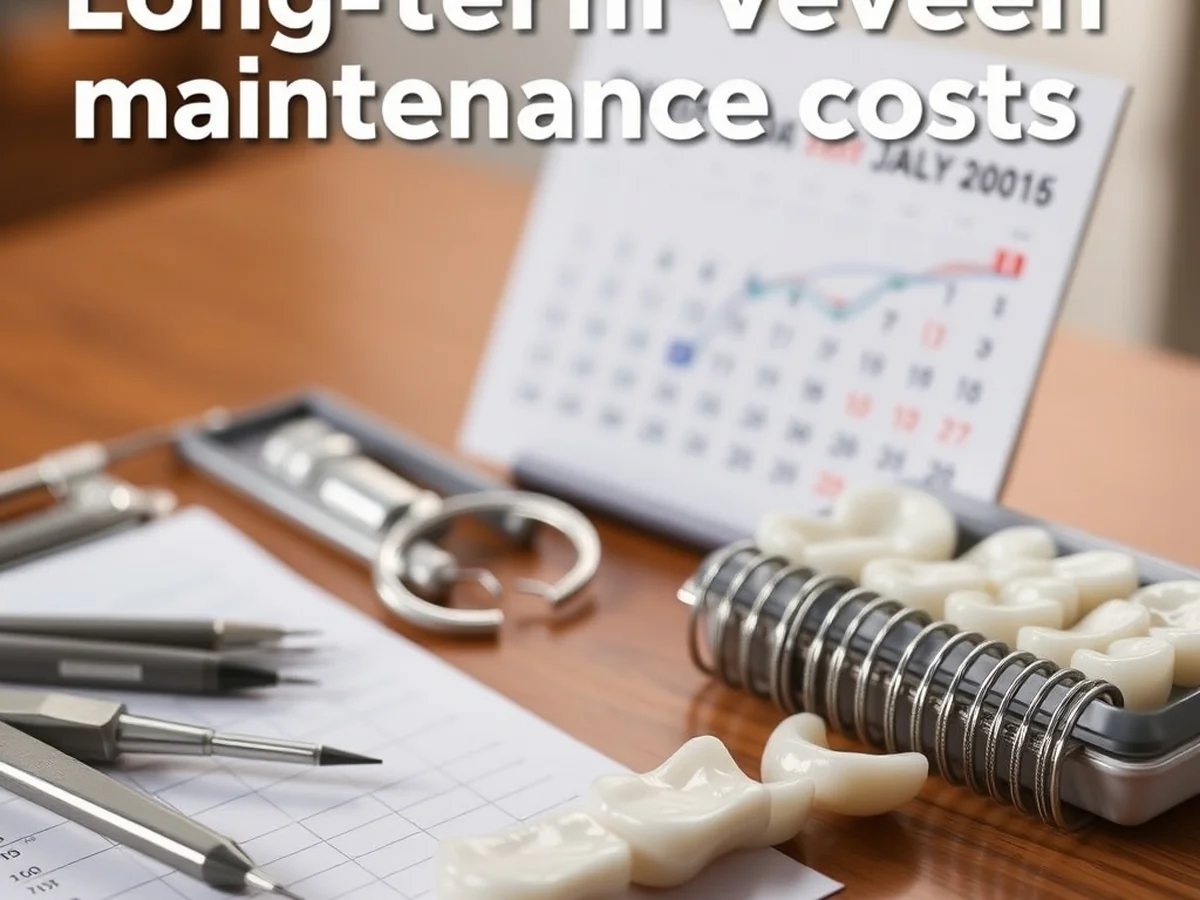
You should expect to replace your restorations every 10 to 15 years. While the initial Dental Veneers Cost covers the procedure, budgeting for future repairs is essential for long-term ownership.
Porcelain restorations typically last longer than composite resin. Because porcelain is a ceramic material, it resists staining and wear better than plastic-based alternatives. You will pay more upfront for porcelain, but you avoid the frequent polishing or touch-ups required for composite materials.
The durability and longevity of your smile depend on the craftsmanship of the dental lab. If a veneer chips, you might need a partial repair. However, most dentists recommend replacing the entire unit to ensure a perfect color match. If you have a full set, replacing one tooth can cost between $1,000 and $2,500 depending on your location.
Consider these ongoing maintenance factors:
- Professional cleanings are vital to protect the gum line and prevent decay around the bonding agent.
- Night guards are a smart investment. If you grind your teeth, you will risk fractures that lead to out-of-pocket expenses for replacements.
- Periodic checkups with your cosmetic dentist help catch micro-cracks before they become major breaks.
Choose high-quality materials from the start to minimize these secondary costs. Opting for cheaper, lower-quality options often leads to faster degradation. This forces you to pay for full replacements much sooner than anticipated. Always set aside a small emergency fund to cover unexpected repairs.
Avoiding Cheap Risks
Extremely low prices often signal that a clinic is cutting corners on materials or lab work. If a quote seems too good to be true, it likely is. You should be wary of any deal offering a full set for under $5,000.
High-end **porcelain veneer price per tooth** reflects the skill of a master technician. A premium dental lab uses high-quality zirconia or porcelain to mimic natural enamel. Cheap providers often use basic composite resin or mass-produced veneers that lack depth and light reflection. These bargain options may chip easily or stain within a few months.
Poorly made restorations rarely fit the gum line correctly. This can cause chronic irritation or even lead to gum disease. A skilled cosmetic dentist spends hours on the fit to ensure your gums stay healthy. If the margin is off, bacteria will gather there, eventually forcing you to pay for replacements.
Hidden costs of cosmetic dentistry frequently emerge when cheap work fails prematurely. You might save money today only to pay for emergency repairs or full replacements two years later. Always ask which specific dental lab the clinic uses for their fabrications. Quality labs provide certifications of authenticity for the materials. Investing in quality upfront saves you from the cycle of recurring out-of-pocket expenses. Look for practitioners who prioritize long-term durability over quick, bargain-priced sales. Paying for precision ensures your smile stays beautiful without constant maintenance.
Financing Your Smile

Most patients pay for their cosmetic dental work through monthly installments rather than one lump sum. Many offices partner with specialized medical credit companies like CareCredit. These lenders offer interest-free periods if you pay the balance within a set timeframe. Always ask your **cosmetic dentist** if they provide in-house payment plans. Some clinics allow you to pay in stages as they finish each phase of your treatment.
You must budget for the total **full set of veneers price** rather than just a single unit. Since most patients receive between 6 and 10 teeth, the total bill adds up quickly. Start by asking for a complete treatment plan that includes all associated fees. This should cover the cost of **temporary veneers**, local anesthesia, and all necessary follow-up visits. Having a clear total helps you avoid surprises later on.
It is rare for standard health insurance to cover these procedures since they are mostly elective. Check your plan for any minor dental health benefits that might apply to the initial cleaning or X-rays. Because the **Dental Veneers Cost** can be high, some people prefer to save for a year before starting. If you choose a credit line, look for plans with low interest rates to keep your monthly payments manageable. A typical credit line for dental work often starts at around $2,000 for qualified applicants. Focus on the long-term value of the porcelain or composite resin work to justify your investment.
FAQ
What is the price difference per tooth?
Porcelain options generally range from $900 to $2,500 per tooth. Composite resin is cheaper, typically costing between $250 and $1,500 per tooth.
Does insurance cover this procedure?
Most dental plans classify these treatments as purely cosmetic and provide zero coverage. You should confirm if your plan offers any benefits for the restorative portion if the procedure repairs a cracked tooth.
Are there hidden fees?
Many patients overlook expenses like the initial cosmetic consultation, temporary veneers, and follow-up visits. Always ask your office for a written quote that includes local anesthesia and the final bonding agent application to avoid surprises.
How does the lab impact price?
A high-end **dental lab** uses premium materials like zirconia or hand-layered porcelain to mimic natural tooth structure. Cheaper labs produce generic shapes that lack detail, often leading to a shorter lifespan and higher long-term replacement costs.
What influences the total bill?
Experience level is a major factor, as a skilled **cosmetic dentist** charges more for precise tooth preparation and digital smile design. You also pay for the expertise of a periodontist if your plan includes gum contouring to improve the final aesthetic.
Can I use financing?
Most offices offer third-party payment plans to help manage the **Dental Veneers Cost** over several months. Look for providers that offer interest-free options for 12 to 24 months to keep your monthly payments manageable.
Prioritizing Quality Results
You should prioritize finding a skilled cosmetic dentist over choosing the lowest Dental Veneers Cost available. A cheap price often reflects substandard materials or a lack of attention to detail during the bonding process. Choosing a provider based solely on a discount can lead to long-term issues like poor fit, gum irritation, or early replacement needs.
Top-tier clinicians partner with high-quality labs to ensure your restoration mimics natural tooth structure. They use precise digital tools to plan your smile, which reduces the risk of needing costly corrections later. Investing in a specialist who understands facial aesthetics and material science is the best way to protect your oral health.
Scheduling Your Consultation
The only way to get a firm quote is to book a cosmetic consultation with a qualified professional. During this visit, the dentist will examine your bite, check your enamel health, and discuss your goals. You can expect to pay around $150 for this initial exam if it is not complimentary.
Ask your dentist about these specific items during your appointment:
- Total porcelain veneer price per tooth including lab fees.
- The cost of temporary veneers used while your custom set is made.
- Available financing plans to spread out your out-of-pocket expenses.
A professional consultation gives you a clear picture of what your specific smile transformation requires. You deserve a result that looks beautiful and lasts for many years.
For another perspective, this detailed piece on Affordable Veneers Cost | Smile Makeover with … – Aspen De is worth a read.
You might also like: Teeth Whitening: At-Home vs Professional — Which Actually Works Better