The core difference in the Brasssmile vs Yellow Teeth comparison lies in whether the discoloration is a natural feature of your dental anatomy or the result of external staining. While natural yellowing often stems from the structure of your teeth, Brasssmile vs Yellow Teeth concerns frequently involve identifying whether your enamel is simply thinning or if you are dealing with deeper intrinsic or extrinsic tooth stains.This article examines the primary causes of tooth discoloration, including biological factors like aging and enamel structure, as well as lifestyle-related impacts such as diet and tobacco use. You will learn the difference between surface staining and internal changes, why some teeth appear naturally yellow, and when you should consult a dental professional to evaluate your oral health. Understanding these distinctions is the first step toward maintaining a healthy smile through evidence-based prevention and proper care.
Understanding Tooth Anatomy and Color
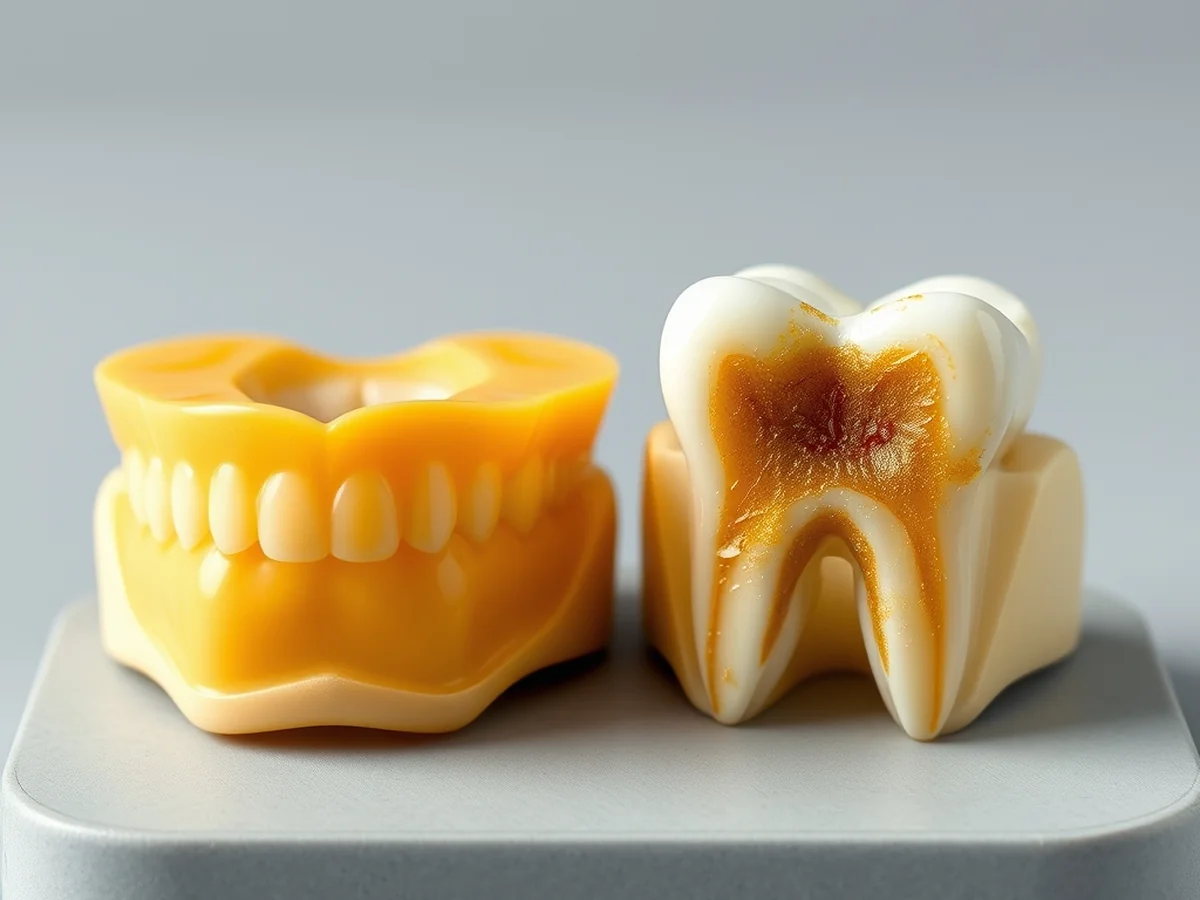
The appearance of your teeth is primarily determined by the relationship between the two outermost layers of your dental structure: enamel and dentin. Enamel is naturally white or translucent, while the dentin layer underneath is naturally yellow.Because enamel is semi-translucent, the color of the dentin beneath it plays a significant role in the overall shade of your smile. When your enamel is thick and healthy, it masks the darker, yellowish hue of the dentin. As the enamel thins, however, more of the yellow dentin shows through, which often leads people to wonder: is it normal for teeth to be yellow?Aging is a primary factor in this process, as enamel naturally thins over time, making the underlying dentin more visible. This is a structural change rather than a surface stain. Understanding this internal anatomy is crucial when evaluating changes in your tooth color, as internal factors behave differently than surface-level discoloration. By recognizing that some yellowing is a natural result of your teeth’s composition, you can better distinguish between healthy anatomical shifts and external staining issues.
Brasssmile Explained
Brasssmile Explained
The term Brasssmile often refers to the natural, underlying hue of teeth rather than a pathological condition. It is important to recognize that enamel is naturally white and translucent, while the dentin layer underneath is naturally yellow.Dentin is the dense tissue that supports the enamel. Because enamel is somewhat see-through, the darker, yellowish dentin beneath it typically shows through to some degree. This anatomical structure means that even healthy, well-maintained teeth often possess a warm, ivory, or yellowish tone.Many people wonder if it is normal for teeth to be yellow, and the answer is frequently yes. Aging plays a significant role in this appearance. Over time, the outer layer of enamel naturally thins due to daily wear and tear. As this protective coating becomes thinner, the yellow dentin underneath becomes increasingly visible, leading to a more pronounced yellowish appearance as you grow older.
Enamel is the hard, translucent outer shell of the tooth.
Dentin is the deeper, naturally yellow layer that provides the tooth with its primary color.
The visibility of dentin increases as enamel naturally wears down with age.
Does Brasssmile Treat Stains?
Does Brasssmile Treat Stains?
Brasssmile is not a treatment for stained teeth, and it does not offer whitening services. Understanding whether your teeth need professional intervention requires identifying the type of discoloration present, as surface-level methods often fail to address deeper structural issues.Extrinsic stains are surface discolorations caused by lifestyle factors. Highly pigmented foods like berries and tomatoes contribute to this buildup, while smoking creates stubborn stains due to the presence of tar and nicotine. These stains sit on the enamel and are often responsive to routine dental cleanings.Intrinsic stains, by contrast, involve changes deep within the tooth structure. Common internal causes include:
Tetracycline and doxycycline use in children younger than 8 years old.
Excessive fluoride consumption during childhood, which leads to fluorosis.
Physical trauma to a tooth, which can cause it to appear gray or black.
Medical treatments, such as chemotherapy and radiation therapy.
Surface whitening methods typically fail to correct these issues because they cannot penetrate the tooth to alter its internal composition. Because enamel is naturally translucent and the underlying dentin is yellow, teeth often appear darker as enamel thins with age. Distinguishing between intrinsic vs extrinsic tooth stains is essential, as internal discoloration usually requires a professional dental assessment rather than over the counter surface treatments.
Brasssmile vs Common Discoloration
Brasssmile vs Common Discoloration
Discoloration often results from external lifestyle habits or internal structural changes, making it distinct from the natural shade of your teeth. Understanding these primary causes of tooth discoloration helps identify whether a change in appearance stems from surface buildup or deeper dental concerns.
Smoking creates stubborn stains on teeth due to the presence of tar and nicotine.
Highly pigmented foods like berries and tomatoes can contribute to teeth staining.
The use of tetracycline or doxycycline during the developmental stages of childhood, specifically before the age of 8, can result in tooth darkening.
Enamel is naturally white or translucent, while the dentin layer underneath is naturally yellow.
Aging causes teeth to appear more yellow as enamel thins and dentin becomes more visible.
Excessive fluoride consumption during childhood can lead to fluorosis, which causes discolored teeth.
Trauma to a tooth can cause discoloration, often appearing gray or black in adults.
Chemotherapy and radiation therapy are medical treatments that can affect tooth color.
Is Brasssmile Suitable?
Is Brasssmile Suitable?
Determining if your tooth discoloration is a matter of surface staining or internal change is essential before considering any cosmetic approach. Some causes of darkening are structural or medical, meaning they cannot be addressed by standard whitening methods.One common internal factor is fluorosis. According to the Centers for Disease Control and Prevention, excessive fluoride consumption during childhood can lead to this condition, which causes discolored teeth. Because this affects the developing enamel, the resulting marks are typically permanent and require different management strategies than simple yellowing.Other factors relate to the history of the tooth itself. It is common clinical guidance that trauma to a tooth can cause discoloration, often appearing gray or black in adults due to internal damage. Additionally, serious health challenges can leave a lasting impact on your smile. It is common practice for dental professionals to note that medical treatments like chemotherapy or radiation therapy may affect tooth color, as these procedures can alter the oral environment or impact the development of healthy dental structures.If you notice significant changes in the shade of your teeth, it is important to consult a dentist. They can identify whether the discoloration is extrinsic or intrinsic, ensuring that any chosen path is appropriate for your specific oral health needs.
Brasssmile vs Professional Whitening
Brasssmile vs Professional Whitening
Professional dental intervention is necessary when discoloration persists despite consistent oral hygiene or when changes in tooth color appear suddenly. While many surface stains respond to daily cleaning, intrinsic shifts in color often indicate underlying health concerns that require a formal clinical assessment.A professional exam is essential to rule out pathology, such as tooth trauma or the side effects of medical treatments. For instance, trauma to a tooth can cause it to appear gray or black, while certain medical therapies like chemotherapy or radiation can influence tooth color. Relying on an expert ensures that any changes to your enamel or dentin are evaluated for serious health implications rather than just cosmetic appearance.The American Dental Association provides guidance on safe whitening standards to ensure that products containing active agents like hydrogen peroxide or carbamide peroxide are used appropriately. Following these professional recommendations helps prevent damage to your oral tissues. If you are unsure about the cause of your tooth color, prioritize a consultation to distinguish between external stains and internal health issues. Seeking advice when to see a dentist for stained teeth is the safest way to determine if professional whitening is appropriate or if a different treatment is needed to address your specific dental needs.
Addressing Yellow Teeth Safely
Addressing Yellow Teeth Safely
Maintaining consistent oral hygiene is the most effective way to prevent further extrinsic staining on your enamel. While many people look for ways how to get rid of yellow teeth, it is essential to recognize that prevention is significantly more effective than attempting to reverse deep intrinsic stains that originate from within the tooth structure.Common whitening agents like hydrogen peroxide and carbamide peroxide are widely used in dental products, yet they have inherent limitations. These chemicals primarily target surface level extrinsic stains caused by external factors like food or smoking. They are often less effective at addressing intrinsic discoloration, which involves changes to the dentin layer or structural damage from factors like trauma or medication exposure.Before beginning any whitening regimen, consider these important factors regarding product limitations and safety:
Over the counter whitening agents may not penetrate deep enough to alter the natural shade of dentin, which becomes more visible as enamel thins with age.
Misuse of bleaching agents can lead to increased tooth sensitivity or irritation of the soft tissues in the mouth.
Professional dental evaluation is necessary to determine if stains are surface deposits or internal changes that whitening products cannot reach.
Consulting with a dental professional ensures that any approach to changing tooth color is appropriate for your specific oral health needs.
FAQ
What causes teeth to turn yellow?
Teeth often appear yellow because enamel naturally thins with age, making the yellowish dentin layer underneath more visible. Additionally, extrinsic factors like smoking, which introduces tar and nicotine, or consuming highly pigmented foods like berries and tomatoes, can cause surface stains.
Can genetics play a role in tooth color?
Genetics influence the natural thickness and translucency of your enamel, which dictates your baseline tooth shade. While you cannot change your genetic predisposition, you can manage the external factors that contribute to further discoloration.
How does lifestyle affect teeth staining?
Lifestyle choices significantly impact the appearance of your smile, primarily through the accumulation of surface stains from tobacco products and staining beverages. Maintaining consistent oral hygiene habits helps minimize the buildup of these everyday pigments on your enamel.
Can illness cause tooth discoloration?
Certain medical conditions and treatments, such as chemotherapy or radiation therapy, are known to affect tooth color. Furthermore, exposure to specific medications like tetracycline and doxycycline during childhood can lead to internal staining that is more difficult to address than simple surface discoloration.
What is the difference between intrinsic and extrinsic stains?
Extrinsic stains exist on the surface of the enamel and are typically caused by diet or habits, whereas intrinsic stains originate from within the tooth structure. Intrinsic discoloration may be linked to developmental issues like fluorosis, which occurs due to excessive fluoride consumption during childhood, or trauma to the tooth.
When should I see a dentist for stained teeth?
You should consult a dental professional if you notice sudden or uneven changes in tooth color, as these may indicate underlying health issues or trauma. A dentist can determine whether your discoloration is a cosmetic concern or a symptom that requires clinical intervention.
Conclusion
Determining whether your tooth discoloration is a natural result of aging or an underlying oral health concern is the primary decision point when considering Brasssmile vs Yellow Teeth. Because stains can stem from surface factors like diet or internal changes in your dentin, you should consult a dental professional to identify the exact cause. A dentist can provide a thorough examination to determine if your teeth require professional whitening, restorative treatment, or simply improved daily hygiene habits.Sources:my.clevelandclinic.orgYou might also like: 7 Signs You Might Be a Good Candidate for a Smile Makeover
Gum contouring / gummy smile: Discover what to expect from gum contouring and gummy smile correction, including procedure details, recovery timelines, perm
Learn about root canal treatment, including when you need it, what the procedure involves, recovery expectations, and factors influencing the total cost.
Chipped tooth causes: Learn why teeth chip, explore treatment options, costs and prevention tips for a healthier smile. Read the full guide for the details that
AI smile analysis accuracy: Wondering if AI smile analysis is accurate? Learn the truth about digital smile design, the risks of AI previews, and how to ve
Wondering if professional whitening is worth the cost? Learn the truth about at-home vs professional teeth whitening, side effects, and long-term results.