
Gum Contouring and Gummy Smile Correction: Procedure, Cost, Recovery
Introduction
A gum contouring / gummy smile procedure reshapes excess gum tissue to create a more balanced and aesthetically pleasing tooth-to-gum ratio. Patients exploring this treatment can expect a clearer understanding of what the clinical process involves, from the initial consultation through the post-operative recovery phase.
This guide covers the details of the surgical procedure, typical healing timelines, and important candidacy requirements. It also outlines what to expect regarding permanence and subsequent dental treatments so readers can make informed decisions about their oral health.
Understanding Gum Contouring and Gummy Smile Correction
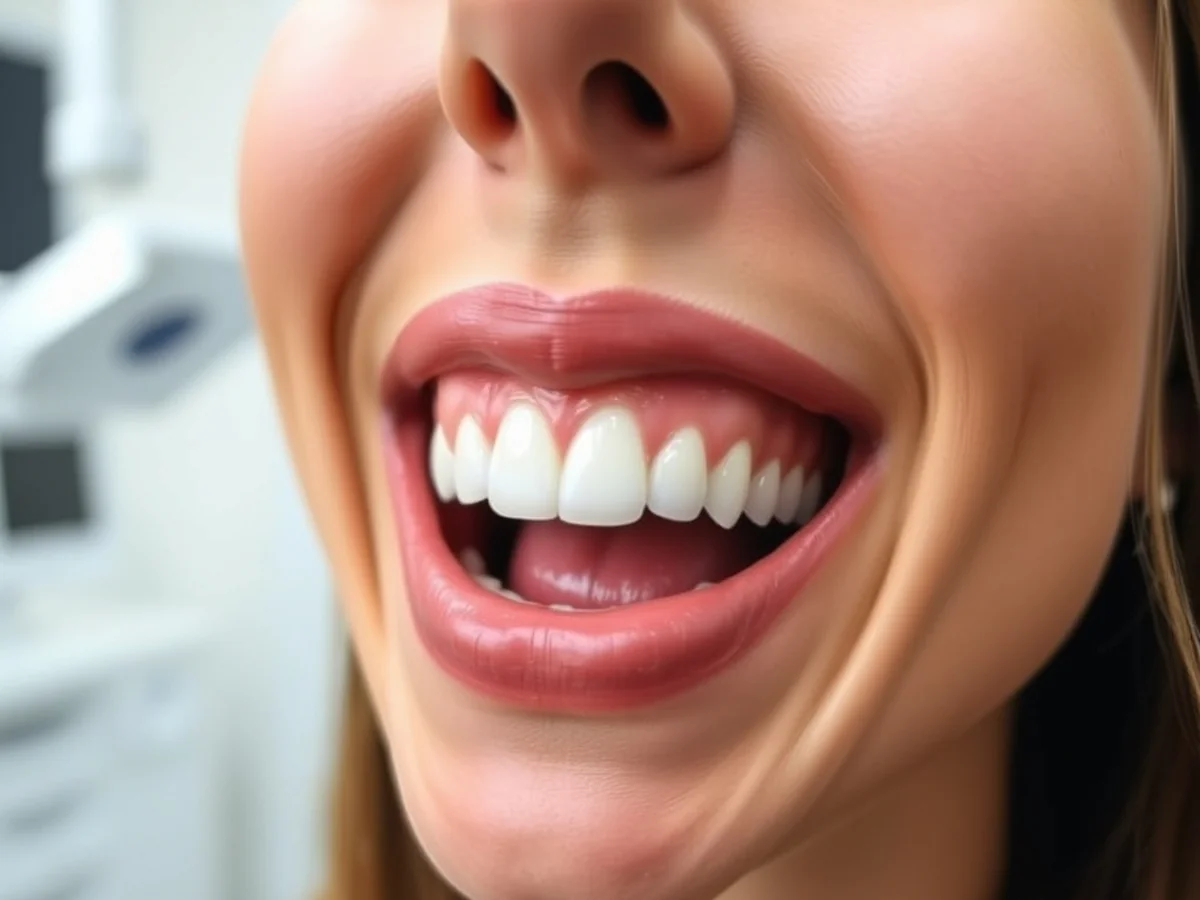
Gum reshaping is a dental procedure that removes excess soft tissue to alter the ratio of visible gums to teeth, directly addressing a gummy smile. When too much tissue covers the dental enamel, teeth appear short or disproportionate. This aesthetic concern disrupts facial harmony during smiling.
Specialists in supporting structures, known as periodontists, frequently perform these tissue-sculpting interventions. Professional organisations like the American Academy of Periodontology set clinical guidelines for these specialized treatments. Dentists carefully evaluate tissue thickness and underlying bone levels before recommending any intervention.
Modern dental technology uses precise instruments, including advanced lasers, to reshape soft tissue with minimal discomfort. These tools allow practitioners to achieve balanced smile aesthetics while preserving oral health. Careful planning ensures that patients achieve proportional results that look natural and complement their facial features.
Candidacy Criteria and Dental Health Requirements

Ideal candidates for gum reshaping procedures must have strong oral health and stable gum tissues before starting any cosmetic journey. According to the Cleveland Clinic, gum contouring should not be performed if the patient has existing decay or active gum disease. Addressing these underlying issues comes first to protect your long-term dental health.
A thorough clinical exam is necessary to evaluate the health of your gums and teeth because unseen problems can compromise surgical results. Dentists need to check bone support and root exposure to determine appropriate gummy smile treatment options safely. Meeting specific clinical benchmarks ensures that cosmetic modifications heal properly without unexpected complications.
- You must be free of active periodontal infections or gingivitis before any reshaping begins.
- Any untreated tooth decay must be fully filled or repaired prior to your appointment.
- Your dental professional will measure pocket depths to confirm your gums can support the procedure.
- Adequate bone structure must be present around the teeth to prevent future tissue recession.
- Good daily hygiene habits are required to maintain the new gum line after healing.
Digital Smile Design and Bone Level Assessment
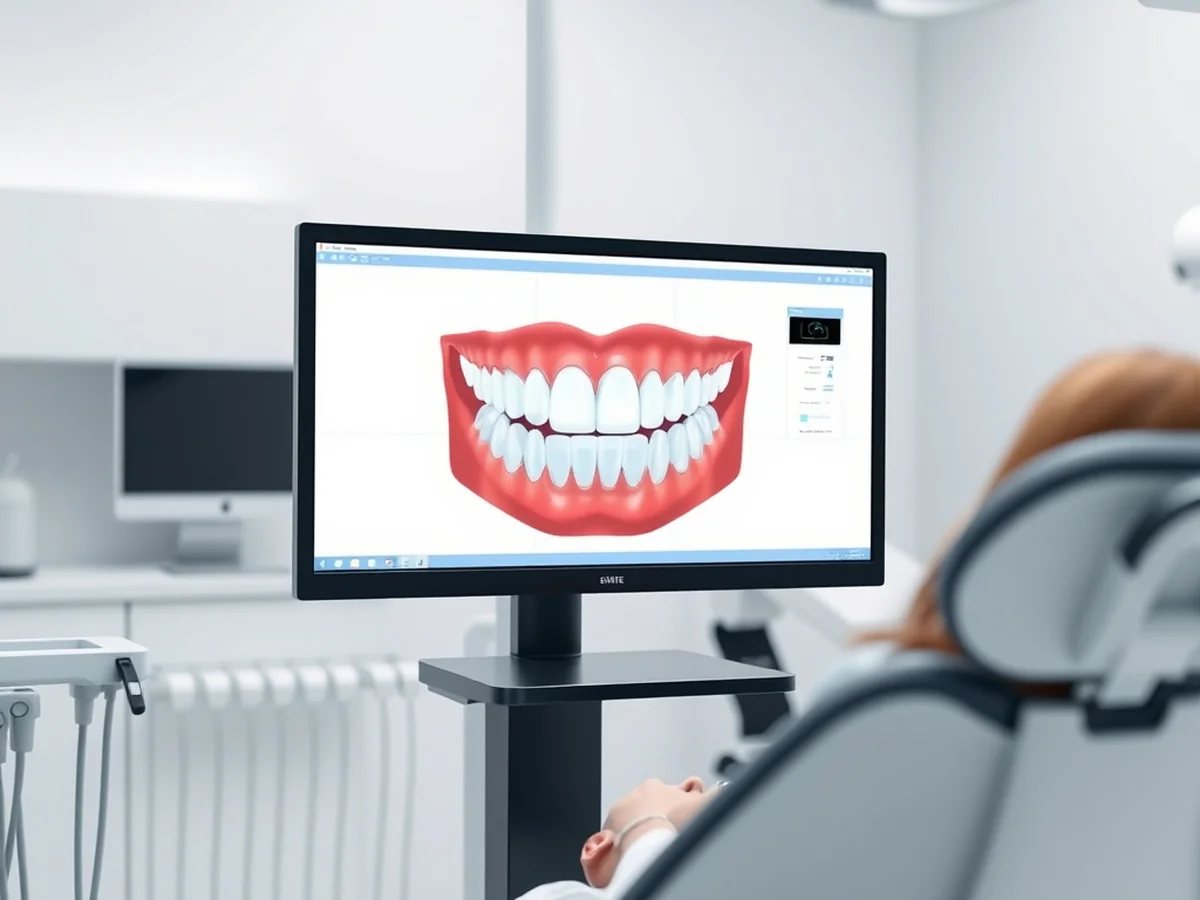
Digital smile design integration helps patients visualise potential aesthetic outcomes before committing to surgery. Advanced imaging software creates a virtual preview of the new smile, allowing people to review proposed changes alongside their dentist.
A careful bone level assessment is critical during this planning phase. This evaluation determines whether simple soft tissue removal is enough to reshape the gumline or if more comprehensive care is needed to reach the desired look.
A common mistake during planning is ignoring underlying skeletal structures. If an evaluation skips measuring the bone, gum tissue can rarely regrow if not enough bone was removed during the procedure. Precise measurements prevent this issue and support predictable cosmetic results.
Taking accurate dimensions ensures that enough structural support remains after reshaping. This careful approach protects long-term oral health while exploring gummy smile treatment options and preparing for future procedures. According to guidelines from the Cleveland Clinic, wait times for additional cosmetic dental procedures after gum contouring are typically eight to 12 weeks to allow proper stabilization.
Comparing Surgical Approaches for Gum Reshaping

Modern gum reshaping relies on traditional scalpel methods or advanced diode laser technology, each offering distinct advantages for tissue removal. When evaluating gingivectomy vs laser sculpting, patients and practitioners look closely at precision, bleeding, and overall tissue response during the procedure.
| Approach | Precision | Bleeding Control | Tissue Response |
|---|---|---|---|
| Traditional Scalpel | High manual control | Moderate bleeding | Standard surgical healing |
| Diode Laser | Pinpoint accuracy | Immediate cauterization | Faster soft tissue sealing |
Crown lengthening becomes necessary when the underlying bone structure must also be modified to correct a gummy smile. Gum tissue can rarely regrow if not enough bone was removed during the procedure, making careful planning essential. According to the Cleveland Clinic, the average duration for gum contouring surgery is one to two hours, and most individuals experience a recovery period lasting one week or less.
What to Expect During the Gum Contouring Procedure

Gum contouring surgery generally lasts between one and two hours. Before the work begins, your periodontist will administer local anesthesia to ensure you remain comfortable throughout the appointment. This numbing agent ensures that you do not feel pain while the specialist reshapes the gumline to create a more symmetrical appearance.
The clinical process involves several precise steps to remove excess tissue safely. Your dental professional typically follows this sequence to achieve the desired results:
- The periodontist thoroughly cleans the area to prepare for the modification of the gingival tissue.
- A local anesthetic is carefully applied to the treatment site to block all sensations during the surgery.
- The specialist uses a soft tissue laser or a surgical scalpel to trim the excess gum tissue away from the teeth.
- Once the tissue is removed, the clinician sculpts the remaining gumline to establish a balanced and symmetrical aesthetic.
- The team monitors the area to ensure the gum levels align properly with your unique tooth structure.
- After the tissue is shaped, the professional ensures the treated site is clean and ready for the healing process to begin.
Recovery Timeline and Post Operative Care

Most patients notice that gum contouring healing takes one week or less, according to the Cleveland Clinic. After the procedure, careful oral hygiene and a soft‑food diet help ensure a smooth recovery.
Follow these steps to support healing and prepare for any future cosmetic work:
- Rinse gently with a lukewarm saltwater solution twice daily for the first week to keep the surgical site clean without disturbing the tissue.
- Brush the surrounding teeth with a soft‑bristled toothbrush, avoiding direct contact with the treated gum area for at least 48 hours.
- Consume only soft foods such as yogurt, scrambled eggs, mashed potatoes, and smoothies for the first several days; avoid crunchy, spicy, or acidic items that could irritate the gums.
- Refrain from using straws, smoking, or chewing gum for at least one week, as suction can disrupt the healing tissue.
- Attend any scheduled follow‑up appointments with your periodontist to monitor healing and address concerns promptly.
- Plan to wait eight to 12 weeks before undergoing additional cosmetic dental procedures, as recommended by the Cleveland Clinic.
Understanding Permanence and Potential Risks
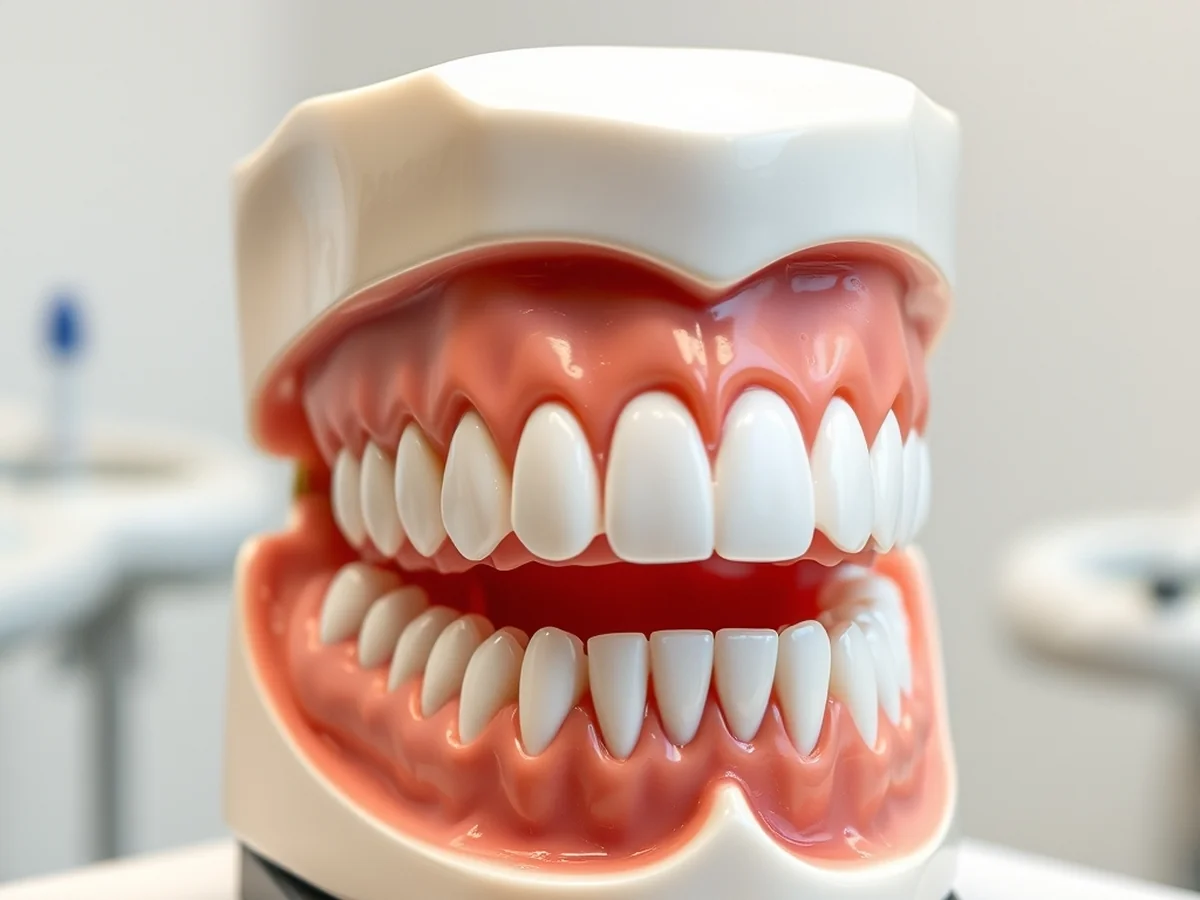
Results from reshaping your gum line are generally permanent, though success depends on the specific technique used. Gum tissue can rarely regrow if not enough bone was removed during the procedure. Because of this, is gum contouring permanent is a common question that highlights the importance of precise clinical planning to achieve a stable, aesthetic outcome.
Like any surgical intervention, this process carries potential risks. You should monitor your recovery closely for signs of complications, which may include persistent pain, unusual swelling, or unexpected bleeding. Watch for indications of gingival recession or ongoing irritation, as these could signal that the tissue is not healing as expected or that the underlying health of the gum has been compromised.
Protecting your long term investment requires strict adherence to all post treatment guidelines provided by your clinician. Following these instructions helps minimize inflammation and supports proper tissue maturation. Consistent oral hygiene and attending all follow up appointments allow your dental professional to monitor the health of your gums and address any concerns before they become significant issues. Proper aftercare is essential to maintaining the structural integrity of your results and ensuring the health of your smile remains a priority.
Financial Considerations and Laser Gum Contouring Cost

Pricing for this aesthetic procedure varies significantly based on whether the treatment is deemed medically necessary or purely cosmetic. Insurance plans typically classify reshaping tissue for aesthetic reasons as elective, meaning patients often pay the full expense out of pocket. If the surgery is required to address health concerns, such as facilitating proper restorative work, some plans may provide partial coverage.
Dental insurance rarely covers treatments performed solely for a gummy smile. Because policies differ by provider and individual plan, contacting your insurer before scheduling is the most reliable way to verify your specific benefits. Many practitioners offer payment plans to help manage the investment for those paying without insurance assistance.
A professional consultation is essential to determine your unique pricing structure. During this visit, a dentist evaluates the extent of tissue modification needed to achieve your desired results. They will assess the complexity of the work, the technology used, and the number of teeth involved to provide an accurate estimate for your case.
- The amount of gum tissue requiring removal.
- The use of specialized laser technology versus traditional surgical tools.
- Whether additional restorative procedures, such as crown lengthening, are required to reach your goals.
Understanding Gum Contouring and Gummy Smile Correction
Gum contouring is a dental procedure designed to reshape excess gum tissue to improve the overall gum to tooth ratio. By removing or sculpting the soft tissue, dentists create a more balanced appearance for patients who feel their teeth look too short or who want to address a gummy smile. This process often involves the use of a specialized laser or traditional surgical tools to achieve a more symmetrical gum line.
The procedure typically takes one to two hours on average. To ensure comfort, the dentist applies local anesthesia to the treatment area before beginning. This numbing agent ensures the patient feels minimal to no discomfort during the process. While you may feel some pressure or vibrations, the anesthesia is highly effective at managing pain throughout the entire session.
Most people find that gum contouring healing takes one week or less. During this period, you should follow your dentist’s instructions regarding oral hygiene and dietary adjustments to support recovery. While patients often return to routine daily activities within a few days, it is important to allow the area to heal fully before engaging in strenuous tasks.
The results are generally considered permanent because the excess tissue is removed from the gum line. However, gum tissue can rarely regrow if not enough bone was removed during the procedure. This is why a thorough assessment by a professional is necessary to determine the underlying cause of your gum profile. Primary risks include potential infection or tissue irritation, though these are uncommon when proper post-operative care is followed. You must avoid this treatment if you have active gum disease or existing dental decay, as these conditions must be resolved first to ensure a safe and successful outcome.
Frequently Asked Questions About Gum Reshaping
Is gum contouring considered major surgery?
Gum contouring is a minor cosmetic or therapeutic procedure that is often performed in a dental office setting rather than a hospital. Because it involves only the soft tissue and uses local anesthesia, it is significantly less invasive than many other oral surgeries.
Can I get other dental work at the same time?
While you might want to combine procedures, wait times for additional cosmetic dental work after gum contouring are typically eight to 12 weeks. This ensures the gums have completely stabilized and healed before further restorative changes are made to the teeth.
How do I know if I am a good candidate?
A candidate for this procedure is someone with healthy teeth and gums who desires a more uniform smile. You must not have active gum disease or untreated decay, as the procedure should not be performed if these conditions are present.
Does the procedure leave visible scars?
Healing usually occurs without visible scarring because the gum tissue is highly resilient and recovers well after precise sculpting. Following your dentist’s post-operative guidance helps ensure the tissue heals smoothly and maintains a natural, healthy appearance.
Conclusion: Achieving a Balanced and Healthy Smile
Ideal candidates are individuals without active decay or gum disease, who have enough gum tissue and bone to allow safe reshaping. The procedure typically lasts one to two hours, and most patients experience complete gum contouring healing within a week. Because outcomes depend on each person’s dental anatomy, a qualified periodontist or dentist must evaluate bone levels, gum health, and overall oral condition before any treatment. To determine whether gum contouring / gummy smile correction is right for you, schedule a comprehensive professional consultation where a detailed exam and digital smile design can be reviewed.
You might also like: 7 Signs You Might Be a Good Candidate for a Smile Makeover